Seniors can get free food through SNAP, meal programs, food banks, farmers’ market vouchers, and local community groups.
Knowing how do seniors get free food can make a real difference when grocery costs rise. The best options depend on age, income, location, health, and access to transportation. This guide explains the main programs, how to apply, what documents to prepare, and how to avoid common mistakes.
How Do Seniors Get Free Food Through Government Programs?
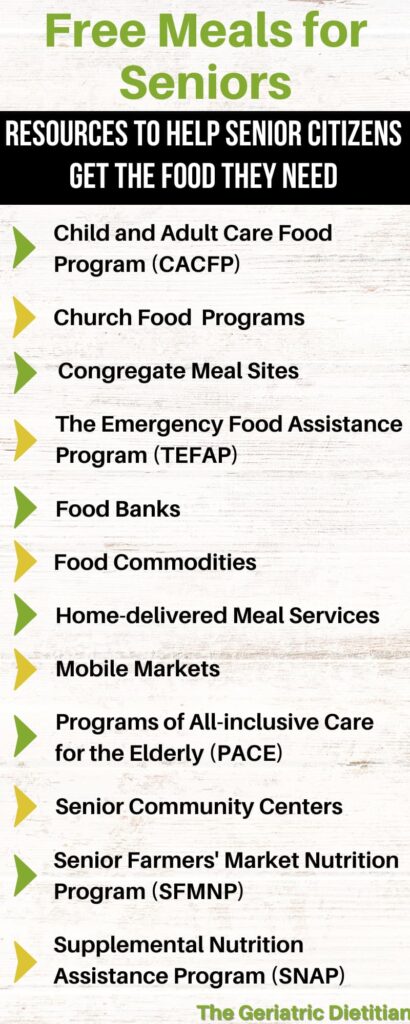
Many older adults qualify for food assistance through federal, state, and local programs. Some provide monthly grocery funds, while others offer ready-to-eat meals or free produce.
The most common options include:
• Supplemental Nutrition Assistance Program (SNAP)
• Commodity Supplemental Food Program (CSFP)
• Senior Farmers’ Market Nutrition Program (SFMNP)
• Congregate meals and home-delivered meals
• The Emergency Food Assistance Program (TEFAP)
The answer to how do seniors get free food often starts with a local benefits office. A senior can contact the state SNAP agency, Area Agency on Aging, or 211 for guidance.
SNAP Food Benefits for Seniors
SNAP is the largest food assistance program in the United States. It gives eligible households an electronic benefits transfer (EBT) card. The card works like a debit card at approved grocery stores, supermarkets, and some farmers’ markets.
SNAP can help seniors buy:
• Fresh fruits and vegetables
• Meat, poultry, and fish
• Bread, cereal, and other pantry foods
• Dairy products
• Seeds and plants that grow food
SNAP does not usually pay for hot meals, alcohol, vitamins, or household supplies. Some states offer restaurant meal programs for certain older adults, people with disabilities, or people experiencing homelessness.
For many households, the SNAP income rules are easier for older adults than for younger households. A household with a person age 60 or older may receive deductions for medical costs and may not need to meet the same gross income test that applies to other households. Rules still vary by state.
A senior should apply even if they are unsure about eligibility. A caseworker can review income, rent, utilities, medical expenses, and household size.
How to apply for SNAP
-
Find the state SNAP website or local benefits office.
-
Complete an online, phone, mail, or in-person application.
-
Provide proof of income, identity, address, rent, utilities, and medical costs.
-
Complete an interview if the agency requests one.
-
Watch for an approval letter and EBT card.
If a senior has little or no money, they may qualify for expedited SNAP. In some cases, benefits can begin within a few days.
Commodity Supplemental Food Program for Seniors
The Commodity Supplemental Food Program, often called CSFP, gives monthly food packages to eligible adults age 60 and older. It is designed to support older adults with low incomes.
Food packages vary by location. They may include:
• Canned fruits and vegetables
• Pasta, rice, or cereal
• Beans and peanut butter
• Shelf-stable milk or cheese
• Canned meat or fish
• Juice and other basic foods
CSFP is not available in every county. A senior usually applies through a food bank, local health department, senior center, or state agriculture agency.
This program can be helpful for people who need steady pantry food but do not have reliable transportation. Distribution may happen once a month at a community site.

Senior Farmers’ Market Nutrition Program
The Senior Farmers’ Market Nutrition Program helps eligible seniors buy fresh food from approved farmers’ markets, roadside stands, and community-supported agriculture programs.
Benefits may come as coupons, paper checks, or electronic credits. The exact amount and rules depend on the state or local agency.
SFMNP benefits often cover:
• Fresh fruits
• Fresh vegetables
• Herbs
• Honey
• Seeds and plants for a home garden
A senior usually must be at least 60 years old and meet income guidelines. Some tribal programs use different rules. Because funds can run out, applying early in the season is wise.
This program does not replace SNAP. A senior may qualify for both, though the benefits work in different ways.
Free Meals at Senior Centers and Community Sites
Many communities offer free or low-cost meals through the Older Americans Act nutrition program. Meals may be served at senior centers, churches, libraries, schools, or community halls.
These meals are often called congregate meals. They provide more than food. They also give older adults a safe place to socialize, meet staff, and learn about other services.
Meals may include:
• A hot lunch
• A salad or vegetable
• Fruit
• Milk or another drink
• A healthy dessert
Age rules differ by program. Many serve adults age 60 and older, along with spouses or caregivers in certain cases. Some locations ask for a suggested donation instead of charging a fixed price.
A senior should call the local Area Agency on Aging to ask about meal times, reservations, transportation, and dietary needs.
Home-Delivered Meals for Seniors
Home-delivered meals help older adults who cannot shop or cook safely. Meals may be delivered by Meals on Wheels groups, aging agencies, churches, or local nonprofits.
A person may qualify because of:
• Limited mobility
• A disability or chronic illness
• Lack of transportation
• Difficulty preparing meals
• Living alone without regular help
Programs may deliver daily meals or several meals at once. Some offer frozen meals for weekends. Others provide special diets for diabetes, heart disease, or food allergies.
A home visit or phone assessment may be part of the application. The goal is usually to understand the person’s needs, not to make the process difficult.
When people ask how do seniors get free food, home delivery is often one of the most useful answers for adults who cannot travel to a food pantry.

Food Banks, Pantries, and Mobile Food Distributions
Food banks and food pantries serve seniors across the country. Some provide a box of groceries, while others let visitors choose items in a small market-style setting.
A senior may find food through:
• Local food pantries
• Mobile food distributions
• Church food cupboards
• Community fridges
• Senior housing programs
• School and hospital outreach programs
• Tribal food assistance sites
Food banks often ask for a name, address, household size, or proof of income. However, requirements differ widely. Many do not require a referral.
Call before visiting and ask:
• Do you serve adults age 60 and older?
• Do I need an appointment?
• What documents should I bring?
• Can someone pick up food for me?
• Do you offer delivery?
• Are fresh foods or refrigerated items available?
A pantry may have limited supplies. Visiting early and bringing reusable bags can make the process easier.
The Emergency Food Assistance Program
The Emergency Food Assistance Program, or TEFAP, helps distribute USDA food through food banks, pantries, and meal sites. The federal government supplies food, while states and local organizations manage distribution.
TEFAP food may include canned goods, grains, beans, frozen meat, and other staples. Eligibility rules can differ by state, but income is usually a major factor.
People may not always see the name “TEFAP” on a food box. A local pantry may receive TEFAP products and distribute them as part of its normal food service.
This is another important answer to how do seniors get free food without paying at a grocery store. A senior can ask a food pantry whether it receives federal food support.
How Do Seniors Get Free Food With SSI or Social Security?
Receiving Social Security or Supplemental Security Income does not automatically provide free food. However, these benefits count as income when agencies review eligibility for programs such as SNAP.
A senior receiving retirement benefits may still qualify for SNAP if income and expenses meet the program rules. Medical deductions, rent, utilities, and dependent care costs may affect the calculation.
SSI recipients should ask their state SNAP office about eligibility. In most states, SSI and SNAP can be received at the same time if the person qualifies.
It is also important to report changes in income or household size. Keeping benefit letters and bank records can make the application process smoother.

How Do Seniors Get Free Food Without Transportation?
Transportation is a common barrier. A senior may qualify for food but still struggle to reach a pantry or grocery store.
Possible solutions include:
• Home-delivered meals
• Pantry delivery programs
• Mobile food trucks
• Paratransit services
• Volunteer driver programs
• Grocery delivery partnerships
• Pickup by a trusted family member or caregiver
Call 211 and explain the transportation problem clearly. The operator may know about services that are not easy to find through a normal internet search.
Senior centers may also arrange rides for meal programs. Some food banks allow another person to collect groceries with written permission or an agency-approved form.
How Do Seniors Get Free Food From Local Charities?
Local charities often provide food through churches, nonprofit groups, fraternal organizations, and community foundations. These programs may be small, but they can respond quickly.
A senior can search for help by contacting:
• 211, the nationwide community information service
• The local Area Agency on Aging
• A nearby senior center
• The county social services office
• A faith-based organization
• A hospital social worker
• A public housing service coordinator
A simple phone script can help:
“Hello, I am looking for free food assistance for an older adult. Could you tell me about food boxes, meal delivery, or SNAP application help in this area?”
Do not feel embarrassed about asking. Food programs exist for moments when a person’s resources do not cover basic needs.
Documents Seniors May Need to Apply
Each program has its own rules. Still, preparing basic documents can reduce delays.
Try to gather:
• Government-issued identification
• Social Security numbers for household members
• Proof of address
• Social Security, pension, or SSI letters
• Recent bank or benefit statements
• Rent or mortgage information
• Utility bills
• Medical bills and prescription costs
• Proof of disability, if relevant
Do not delay an application because one document is missing. Ask the agency whether it can accept another form of proof.
A trusted representative may help with paperwork. Seniors should only share private information with a verified agency or person they trust.
Common Mistakes to Avoid
The process may feel confusing, but a few simple steps can prevent problems.
• Do not assume Social Security income automatically disqualifies you.
• Do not leave medical expenses off a SNAP application.
• Do not wait until food runs out before seeking help.
• Do not pay someone to apply for SNAP on your behalf.
• Do not share an EBT PIN with strangers.
• Do not ignore renewal letters.
• Do not assume every food pantry has the same rules.
One practical lesson from helping people find community services is that many applicants underreport medical costs. Prescription drugs, insurance premiums, transportation to medical care, and other allowed expenses may affect eligibility. Keep receipts and ask the caseworker which costs count in your state.
Benefits and Limits of Free Food Programs
Food assistance can protect a senior’s health and budget. It may help someone afford medication while still buying enough food. It can also reduce isolation through group meals and regular visits from delivery volunteers.
Still, these programs have limits.
• Eligibility rules vary by state and county.
• Some programs have waiting lists.
• Food choices may be limited.
• Distribution times may conflict with medical visits.
• Fresh food may not always be available.
• Benefits may need to be renewed.
Free food support works best when several services are combined. For example, a senior might use SNAP for groceries, a farmers’ market benefit for produce, and home-delivered meals during a recovery period.

How to Find Help Today
If a senior needs food now, use this simple plan:
-
Call 211 and ask for senior food assistance.
-
Contact the local Area Agency on Aging.
-
Apply for SNAP through the official state benefits office.
-
Call nearby food banks and ask about delivery.
-
Ask a doctor, clinic, or hospital social worker for a referral.
-
Contact a senior center about group meals and transportation.
-
Ask a trusted friend or relative to help with forms.
If there is no food in the home, say that clearly when calling. Some agencies can provide emergency food or connect the caller with a same-day pantry.
Frequently Asked Questions
How do seniors get free food if they have Social Security?
Seniors who receive Social Security may still qualify for SNAP, food boxes, meal sites, or food delivery. Social Security is counted as income, but medical costs and housing expenses may affect eligibility.
Can seniors get SNAP benefits?
Yes. Seniors age 60 and older can apply for SNAP if they meet the income and resource rules in their state. Older adults may receive special deductions for eligible medical expenses.
Do food banks require proof of income?
Some food banks ask for proof of income or address, while others only ask for basic household information. Call before visiting because requirements differ by organization.
Are Meals on Wheels services free for seniors?
Many Meals on Wheels programs do not charge a fixed fee, but they may request a voluntary donation. Eligibility and delivery rules depend on the local provider.
What age qualifies someone for senior food programs?
Many programs use age 60 as the starting point, but the exact age can vary. Some services also consider disability, health needs, income, or living situation.
Can a caregiver pick up free food for a senior?
Often, yes. The pantry or program may require written permission, identification, or a representative form. Ask the organization before pickup.
Where can seniors find free food near them?
Call 211, contact the Area Agency on Aging, or search for the local food bank and senior center. These organizations can identify nearby pantries, meal sites, and delivery services.
Conclusion
Seniors can find free food through SNAP, CSFP food packages, farmers’ market benefits, senior meal sites, home delivery, food banks, and local charities. The best first steps are calling 211, contacting the Area Agency on Aging, and applying through the official state SNAP office.
Do not wait until the refrigerator is empty. Gather basic documents, ask about medical deductions, and request help with transportation or paperwork when needed. Share this guide with a senior, caregiver, or neighbor who may benefit from these programs.

Michael Reynolds is a senior contributor at RetirementGazette.com, where he focuses on helping readers navigate the journey toward a secure and fulfilling retirement. With over a decade of experience in personal finance, retirement planning, and lifestyle writing, Michael combines practical strategies with easy-to-understand guidance tailored for both pre-retirees and those already enjoying their golden years.