People abuse older adults because of power, stress, prejudice, greed, poor support, or a lack of accountability.
Understanding why do people abuse the elderly requires more than blaming one person or one event. Elder abuse often grows from a mix of harmful attitudes, family conflict, caregiver strain, financial pressure, mental health concerns, and weak protection. This guide explains the main causes, warning signs, effects, and practical steps that can help keep older adults safe.
What Is Elder Abuse?
Elder abuse is an act or failure to act that harms an older person. It may happen once, or it may continue for months or years. The abuse can occur at home, in a care facility, in a hospital, or through online and financial systems.
The Centers for Disease Control and Prevention describes elder abuse as a serious public health issue. It can affect a person’s body, mind, money, safety, and sense of dignity.
Common forms include:
• Physical abuse, such as hitting, pushing, burning, or improper restraint
• Emotional or psychological abuse, such as threats, insults, humiliation, or isolation
• Sexual abuse, including any sexual contact without clear consent
• Financial exploitation, such as stealing money, forcing a signature, or misusing a bank account
• Neglect, such as failing to provide food, medicine, hygiene, shelter, or needed care
• Abandonment, which happens when a responsible caregiver leaves an older adult without proper support
• Self neglect, when an older person cannot safely meet basic needs without help
It is also important to know that older adults may have dementia, memory loss, or speech problems. These conditions do not cause abuse. However, they can make it harder for a victim to report harm or for others to notice what is happening.
Why Do People Abuse the Elderly?
There is no single answer to why do people abuse the elderly. Most cases involve several risk factors that overlap. A person may feel stressed, want control, need money, hold ageist beliefs, or believe no one will challenge their behavior.
The main causes often include:
Desire for power and control
Abuse can be a way for someone to control another person. This may happen when an older adult depends on a family member or caregiver for food, transportation, medicine, or money.
The abuser may control who the older person sees, where they go, or how they spend their money. Over time, this control can make the victim feel trapped.
Caregiver stress and burnout
Caregiving can be tiring. A caregiver may face sleep loss, work pressure, high medical costs, and emotional strain. If the caregiver has little training or support, stress can build quickly.
Stress does not excuse abuse. Most stressed caregivers do not harm older adults. Still, caregiver burnout can increase the risk of yelling, rough handling, neglect, or other harmful acts.
Financial pressure and greed
Money is a common reason why do people abuse the elderly. Older adults may have savings, retirement income, real estate, or access to credit. A relative, friend, caregiver, or stranger may try to take these resources.
Financial abuse can look like a sudden change in a will, unusual bank withdrawals, unpaid bills, fake home repair work, or pressure to sign legal papers.
Ageism and harmful stereotypes
Ageism means unfair treatment based on age. Some people wrongly assume that older adults are weak, confused, useless, or unable to make their own choices.
These beliefs can lead to neglect and disrespect. For example, a caregiver may speak to an older person like a child, ignore their wishes, or make decisions without asking them.
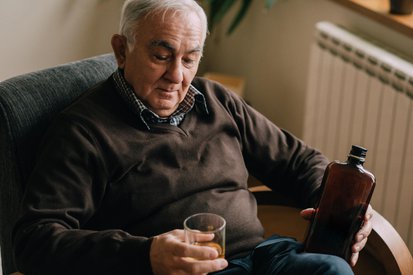
Substance use and mental health problems
Alcohol or drug misuse can reduce judgment and increase anger or impulsive behavior. Untreated depression, severe anxiety, personality disorders, or other mental health concerns may also raise risk in some situations.
These issues do not automatically make someone abusive. They are risk factors, not excuses. A person who misuses substances or struggles with mental health still remains responsible for seeking help and avoiding harm.
Learned behavior
Some people grow up in homes where violence, insults, or manipulation seem normal. They may repeat these patterns later in life.
This does not mean abuse is unavoidable. Education, therapy, safe boundaries, and strong social support can help break the cycle.
Social isolation
Abuse is easier to hide when an older adult has little contact with friends, family, neighbors, or health workers. Isolation also gives an abuser more control.
Regular social contact acts like a safety net. A simple phone call, visit, or video chat may help someone notice changes in mood, health, money, or living conditions.
Lack of training and support
Some caregivers do not understand dementia, medication needs, mobility problems, or safe lifting. Mistakes can then become neglect or harmful treatment.
Training does not solve every problem, but it can prevent many unsafe actions. Respite care, adult day programs, support groups, and clear care plans can also reduce pressure.

Why Do People Abuse the Elderly in Families?
Family abuse can be especially difficult to identify. Relatives may love the older person but also carry old anger, money disputes, addiction problems, or long standing conflict.
A son or daughter may become a caregiver after a sudden illness. The family may have no plan, no training, and no extra money. If conflict already exists, daily care can bring those problems to the surface.
Family members may abuse an older adult because of:
• A history of violence or emotional conflict
• Resentment about caregiving duties
• Disagreements over inheritance or property
• Addiction or gambling debt
• Pressure from unemployment or housing problems
• Jealousy between siblings
• A belief that family matters should stay private
One common mistake is assuming that a relative cannot be abusive because they provide care. Caregiving and abuse can exist in the same home. Another mistake is blaming the older adult for “causing trouble” when they ask for help or report mistreatment.
A calm family meeting can help when the situation is safe. Include the older adult in decisions, write down care duties, and consider help from a social worker, doctor, attorney, or aging service.
Why Do People Abuse the Elderly in Care Facilities?
Abuse in nursing homes and assisted living settings may result from individual misconduct, poor supervision, weak staffing, or a culture that ignores complaints. A facility may have good policies on paper but still fail if leaders do not enforce them.
Possible risk factors include:
• Too few staff members for the number of residents
• Poor hiring or background checks
• Limited training
• High staff turnover
• Inadequate supervision
• Failure to investigate complaints
• Poor communication between shifts
• Residents who cannot easily report harm
A busy facility is not automatically an abusive facility. Many staff members work with care and compassion under difficult conditions. However, repeated injuries, unexplained fear, missing property, medication errors, or sudden behavior changes deserve attention.
Families can ask how the facility handles complaints, staff training, care plans, falls, medication, and resident rights. Visit at different times when possible. Notice whether staff knock before entering rooms and speak to residents with respect.
If abuse is suspected in a licensed care facility, report it to facility management, the state long term care ombudsman, adult protective services, or emergency services when there is immediate danger.

Warning Signs of Elder Abuse
The signs of elder abuse may be physical, emotional, financial, or behavioral. One sign alone does not prove abuse. A pattern of changes, especially when explanations do not make sense, deserves a closer look.
Physical warning signs
• Bruises, burns, cuts, or broken bones
• Frequent falls with unclear explanations
• Bedsores or untreated wounds
• Poor hygiene or dehydration
• Sudden weight loss
• Overuse or underuse of medication
• Injuries that do not match the person’s explanation
Emotional warning signs
• Fear around a certain person
• Sudden sadness, silence, or anxiety
• Withdrawal from normal activities
• Trouble sleeping
• Frequent crying
• Refusal to speak when a caregiver is present
• A sudden loss of confidence
Financial warning signs
• Unpaid bills despite having enough income
• Missing cash, jewelry, or personal items
• New names on bank accounts
• Unusual checks or withdrawals
• Sudden changes to legal documents
• Pressure to give money or property
• New “friends” who show unusual interest in finances
Neglect warning signs
• Empty food supplies
• Unsafe living conditions
• Dirty clothing or bedding
• Missed medical visits
• Lack of needed glasses, hearing aids, or mobility tools
• The older adult saying they are often left alone without support
When possible, speak with the older adult privately. Ask simple questions such as, “Are you safe?” or “Has anyone hurt you or taken something from you?” Listen without judgment.

How Elder Abuse Affects Older Adults
Elder abuse can cause lasting harm. Physical injuries may heal, but fear and loss of trust can remain for a long time.
Possible effects include:
• Depression and anxiety
• Sleep problems
• Weight loss
• Worsening medical conditions
• Loss of independence
• Social isolation
• Financial hardship
• Shame and self blame
• Suicidal thoughts
• Earlier placement in a care facility
Research has linked elder abuse with poorer health and a higher risk of early death. The exact effect differs from person to person, and studies may not identify every case because abuse is often hidden.
The emotional effect can be deep. An older adult may think, “If my own child or caregiver hurts me, who can I trust?” That loss of trust can make the person less willing to seek medical care or report future harm.

Who Is Most at Risk?
Any older adult can experience abuse. Risk does not depend on income, race, gender, education, or family background.
Some situations may increase vulnerability, including:
• Dementia or memory loss
• Physical disability
• Dependence on another person for daily care
• Social isolation
• Communication barriers
• Poverty or financial dependence
• Recent loss of a spouse or close friend
• Living with a caregiver who has addiction or mental health concerns
• A history of domestic violence
• Lack of access to transportation or technology
Risk factors do not cause abuse. They simply show where extra support may be useful. Older adults with strong social networks can also be abused, and isolated people may never show obvious signs.
A respectful approach avoids treating every older adult as helpless. Safety planning should protect the person while honoring their choices and legal rights.

How to Prevent Elder Abuse
Prevention works best when families, care workers, health professionals, banks, and communities share responsibility. No single person can monitor every risk.
Support caregivers early
Caregivers should ask for help before they reach a crisis point. Helpful options may include:
• Respite care
• Adult day services
• Support groups
• Home health visits
• Transportation services
• Meals delivered at home
• Training in dementia and safe transfers
• Counseling
A short break is not selfish. It can protect both the caregiver and the older adult.
Keep finances organized
Older adults can reduce financial risk by using trusted safeguards:
• Set up automatic bill payments
• Review bank statements often
• Use alerts for large withdrawals
• Keep important documents secure
• Avoid signing papers under pressure
• Discuss power of attorney with a qualified professional
• Tell more than one trusted person about major financial decisions
A power of attorney gives another person authority to act. It does not remove all rights from the older adult, but it should be created carefully and reviewed when needed.
Build regular contact
Create a routine of calls and visits. Ask the same basic questions over time. Changes become easier to notice when someone knows the person’s normal mood, habits, and health.
Neighbors can help too. A friendly check in may reveal that an older adult needs food, transport, or medical support.
Promote dignity and choice
Speak directly to the older adult, even when a caregiver is present. Explain care before providing it. Ask permission when possible.
Respectful care is more than being polite. It helps the older person maintain control, confidence, and identity.

What to Do If You Suspect Elder Abuse
If someone is in immediate danger, call 911 in the United States. Do not confront a suspected abuser if doing so could increase the risk.
Use these steps:
-
Move the older adult to a safe place if you can do so safely.
-
Listen calmly and believe the person’s concern.
-
Write down dates, names, injuries, statements, and other facts.
-
Save suspicious messages, bills, photos, or financial records.
-
Report the concern to adult protective services in the person’s state.
-
Contact the long term care ombudsman if the concern involves a nursing home or assisted living facility.
-
Tell a doctor or social worker, who may help with safety planning and documentation.
-
Contact a local aging agency for support and referrals.
You do not need to prove the abuse before making a good faith report. Trained professionals can assess the situation. Avoid promising complete secrecy, because safety concerns may require action.
If the older adult refuses help, respect their right to make decisions when they have decision making capacity. Continue offering support, document serious concerns, and seek advice from adult protective services or a qualified professional.

Common Mistakes to Avoid
People often want to help but may act too quickly or say the wrong thing. These mistakes can make an older adult less willing to speak.
Avoid:
• Blaming the victim
• Asking leading questions
• Pressuring the person to confront the suspected abuser
• Making promises you cannot keep
• Taking control of money without legal authority
• Sharing private details with neighbors or social media
• Assuming memory loss means the person cannot tell the truth
• Waiting for visible injuries before taking concerns seriously
Use simple, calm language. Instead of saying, “Your caregiver is stealing from you,” ask, “Have you noticed any changes in your money or bills?”
A practical lesson from elder care work is that small details matter. A missed meal, a new fear of bathing, or a sudden change in spending may seem minor alone. Together, they can show that something needs attention.
Frequently Asked Questions About Why Do People Abuse the Elderly
Why do people abuse the elderly even when they are family members?
Family abuse may grow from control, resentment, money disputes, addiction, old conflict, or caregiver stress. Being related to an older adult does not prevent harmful behavior or remove the need for boundaries.
Is caregiver stress an excuse for elder abuse?
No. Caregiver stress may increase risk, but it never excuses abuse. A caregiver should seek respite, training, counseling, or emergency help before stress becomes unsafe.
What is the most common type of elder abuse?
Financial exploitation and neglect are common forms, but reporting varies by location and case. Physical, emotional, sexual, and financial abuse may also happen together.
How can you tell if an older adult is being abused?
Look for patterns such as unexplained injuries, fear, isolation, poor hygiene, missing money, sudden legal changes, or inconsistent explanations. Speak with the older adult privately and report serious concerns to the proper agency.
Where can you report elder abuse in the United States?
Call 911 if there is immediate danger. For other concerns, contact adult protective services in the person’s state, a local aging agency, or a long term care ombudsman for facility related problems.
Can an older adult be abused if they have dementia?
Yes. Dementia can make a person more vulnerable, but it does not cause abuse. Caregivers should use safe care plans, clear communication, supervision, and professional support.
What should you do if an older adult refuses help?
Respect the person’s choices when they can make informed decisions, but continue to offer support. If there is immediate danger or serious incapacity, contact emergency services or adult protective services for guidance.
Conclusion
Why do people abuse the elderly? The causes may include control, financial gain, ageism, isolation, caregiver strain, addiction, poor training, and weak oversight. These factors help explain abuse, but they never excuse it.
Older adults deserve safety, respect, choice, and proper care. Learn the warning signs, keep regular contact, support caregivers early, and report serious concerns without waiting for perfect proof. If this guide helped you, share it with a family member, caregiver, or community group so more people can recognize and prevent elder abuse.

Michael Reynolds is a senior contributor at RetirementGazette.com, where he focuses on helping readers navigate the journey toward a secure and fulfilling retirement. With over a decade of experience in personal finance, retirement planning, and lifestyle writing, Michael combines practical strategies with easy-to-understand guidance tailored for both pre-retirees and those already enjoying their golden years.