
Lottery funds can support senior services, create social opportunities, and offer older adults a small chance at extra income.
Understanding how does the lottery benefit senior citizens requires looking beyond winning tickets. In many states, lottery revenue helps pay for meals, housing support, transportation, health programs, and tax relief for older adults. The benefits vary by location, so this guide explains what seniors may gain, what limits exist, and how to play safely.
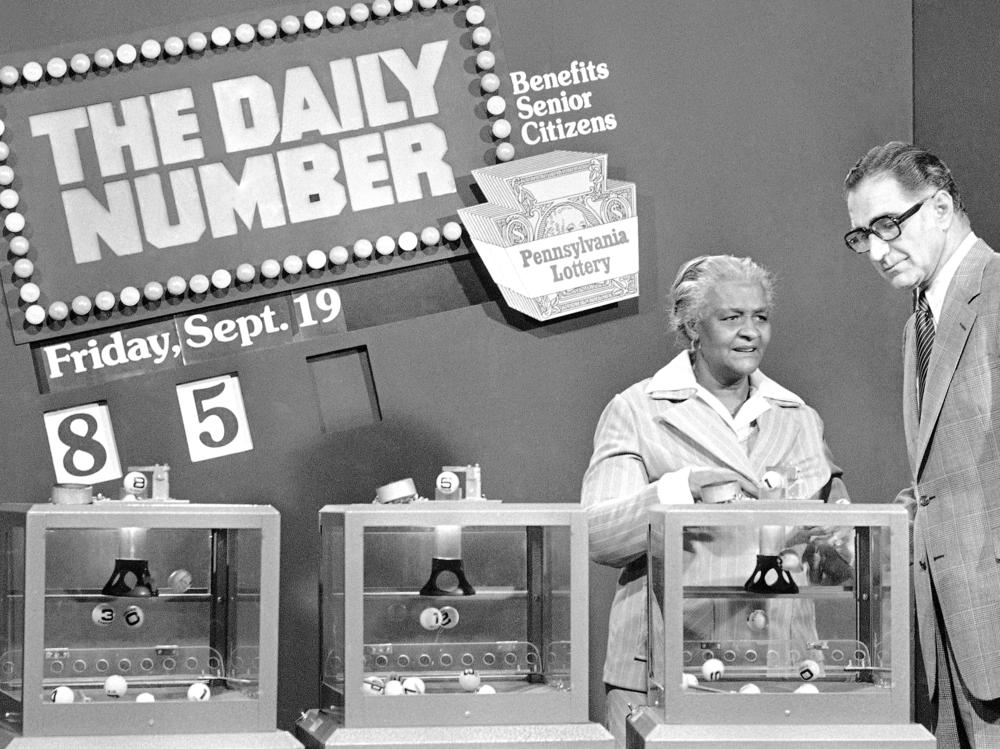
How Does the Lottery Benefit Senior Citizens?
The lottery can benefit senior citizens in two main ways. First, some lottery revenue supports public programs for older adults. Second, lottery games can provide entertainment and social contact when played in a safe and limited way.
The biggest public benefit comes from state funding. Each state decides where lottery revenue goes. Some states support education, while others fund parks, veterans, health care, or senior services. This means the answer to how does the lottery benefit senior citizens depends on local law.
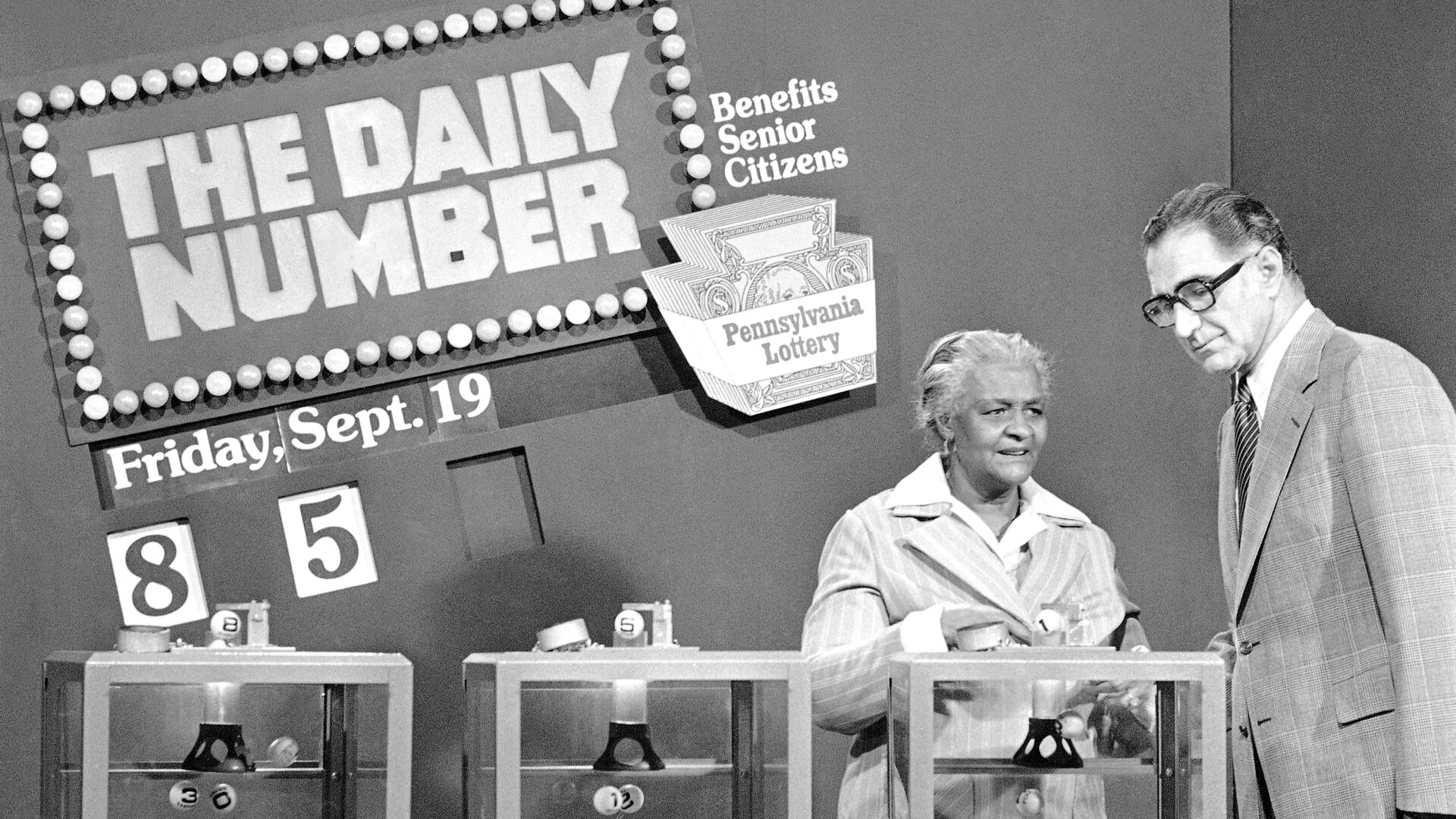
In Pennsylvania, for example, lottery proceeds support programs for older residents. These funds help provide services such as:
• Property tax and rent rebates
• Free or reduced-cost meal programs
• Transportation services
• In-home support
• Prescription assistance
• Caregiver support
• Long-term living services
These programs do not usually come from a senior’s own ticket purchase. They come from the wider lottery system and the laws that direct its revenue. That difference is important because buying a ticket does not guarantee personal assistance.
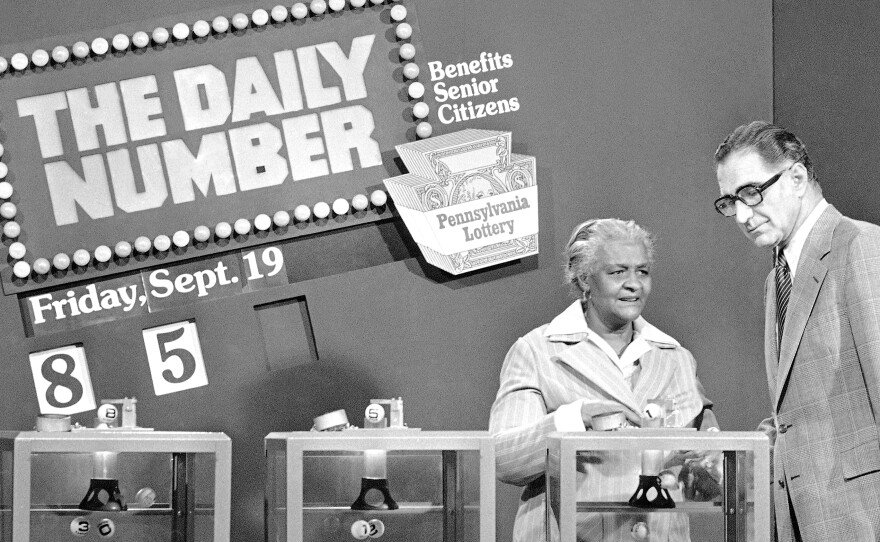
Public Programs Funded by Lottery Revenue
One clear answer to how does the lottery benefit senior citizens is through state-funded assistance. Lottery revenue may help fill public budgets and support services that older adults use every day.
Tax relief and housing support
Some states use lottery funds to help older homeowners and renters. A property tax rebate can reduce monthly pressure for people living on Social Security, pensions, or modest savings.
Housing support may also help seniors remain in their homes. This can delay the need for costly care and give older adults more control over daily life.
Meals and nutrition
Many seniors face food costs that rise faster than their income. Lottery-supported programs may help fund senior centers, home-delivered meals, and group dining sites.
A regular meal does more than ease hunger. It can also reduce isolation and help staff notice when an older person needs medical or social support.
Transportation
Driving may become harder with age. Some lottery-funded programs help provide rides to medical visits, grocery stores, pharmacies, and community centers.
Reliable transportation can protect independence. It also helps seniors attend checkups and collect medicine on time.
In-home and community care
Some older adults need help with bathing, meals, cleaning, or basic home tasks. Public funds may support care workers, adult day programs, respite care, and other community services.
These programs can also help family caregivers. Even a few hours of support each week may give a caregiver time to work, rest, or attend an appointment.
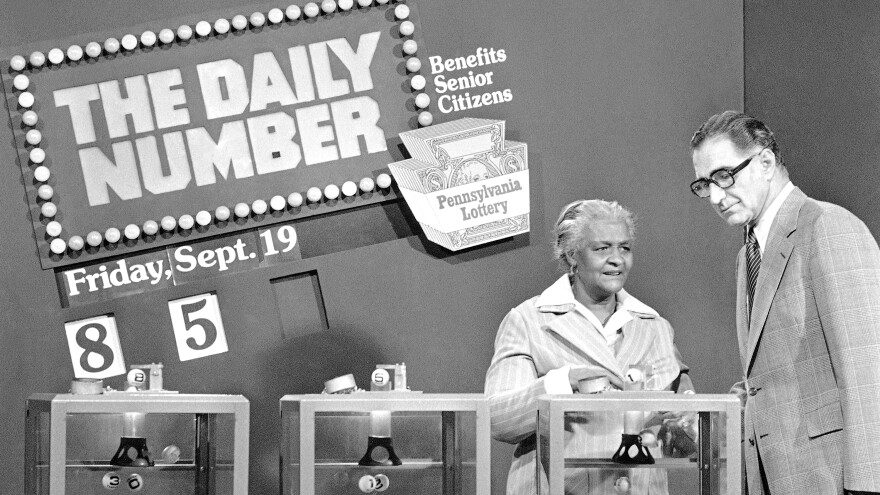
How Lottery Funds Reach Older Adults
To understand how does the lottery benefit senior citizens, it helps to follow the money. A typical state lottery collects ticket sales, pays prizes and operating costs, and sends the remaining revenue to programs named in state law.
The process often looks like this:
-
Players buy lottery tickets.
-
The lottery pays winners and covers operating costs.
-
The state transfers approved proceeds to public programs.
-
Agencies and local groups use the money for eligible services.
-
Seniors receive help through rebates, meals, transportation, or care.
The lottery does not replace every public funding source. Federal programs, state taxes, local budgets, donations, and grants may also support senior services.
Lottery funding can also change from year to year. Ticket sales may fall during economic downturns, and lawmakers may change how money is divided. For that reason, seniors should treat lottery-funded support as one possible resource, not a guaranteed benefit.
A state lottery website, local aging office, or 211 service can explain which programs are available in a specific area. Eligibility may depend on age, income, disability, housing status, or county.

Social and Emotional Benefits for Seniors
The question how does the lottery benefit senior citizens is not only about public money. For some older adults, a small lottery purchase is a social activity.
Buying a ticket may create a reason to visit a local store, chat with a cashier, or meet friends. Group games can become a simple weekly ritual. These moments may help reduce loneliness, which is a serious concern for many seniors.
Lottery games can also provide harmless excitement. Choosing numbers, checking results, or joining a family pool may offer a short break from routine.
Still, entertainment value depends on control. A lottery ticket should work like the price of a cup of coffee. It should not become a way to solve loneliness, grief, debt, or stress.
Safer social alternatives include:
• Bingo at a senior center
• Community card games
• Low-cost bus trips
• Volunteer programs
• Exercise classes
• Library events
• Family game nights
These activities may offer the same sense of connection without the financial risk.

Can Seniors Win Extra Income?
A lottery prize can provide extra money, but it is not a reliable income plan. The chance of winning a large jackpot is very low, and most players will not receive a major prize.
For a senior on a fixed income, even a small prize may help pay for groceries, utilities, or medicine. A larger prize may support home repairs or reduce debt. However, taxes, benefit rules, and long-term planning can affect the real value of the money.
A winner should take these steps:
-
Sign the back of the ticket if state rules advise it.
-
Store the ticket in a safe place.
-
Check the claim deadline.
-
Contact the official state lottery.
-
Speak with a tax professional before claiming a large prize.
-
Ask a benefits counselor how the prize may affect assistance.
Lottery winnings may count as income or assets for programs such as Medicaid, Supplemental Security Income, or housing assistance. The rules differ by program and state, so professional advice matters.
Never pay a fee to claim a prize. Legitimate lotteries do not ask winners to send money, gift cards, or bank details before receiving an award.

How Does the Lottery Benefit Senior Citizens Without Creating Risk?
The answer to how does the lottery benefit senior citizens must include a warning about gambling harm. Older adults may face special risks because they often live on fixed incomes and may have medical or caregiving costs.
The National Council on Problem Gambling reports that older adults can experience gambling problems linked to isolation, stress, grief, or changes in daily routine. A small habit can grow quietly when a person uses lottery play to cover bills or escape worry.
Use these practical limits:
• Set a weekly spending amount before buying a ticket.
• Use cash instead of a credit card.
• Never borrow money to play.
• Do not chase a losing ticket.
• Avoid buying tickets for essential money.
• Keep lottery spending separate from rent and food funds.
• Tell a trusted person if spending becomes hard to control.
• Use state self-exclusion or support services when needed.
A useful test is simple: If losing the money would affect food, medicine, housing, or bills, do not spend it on lottery games.
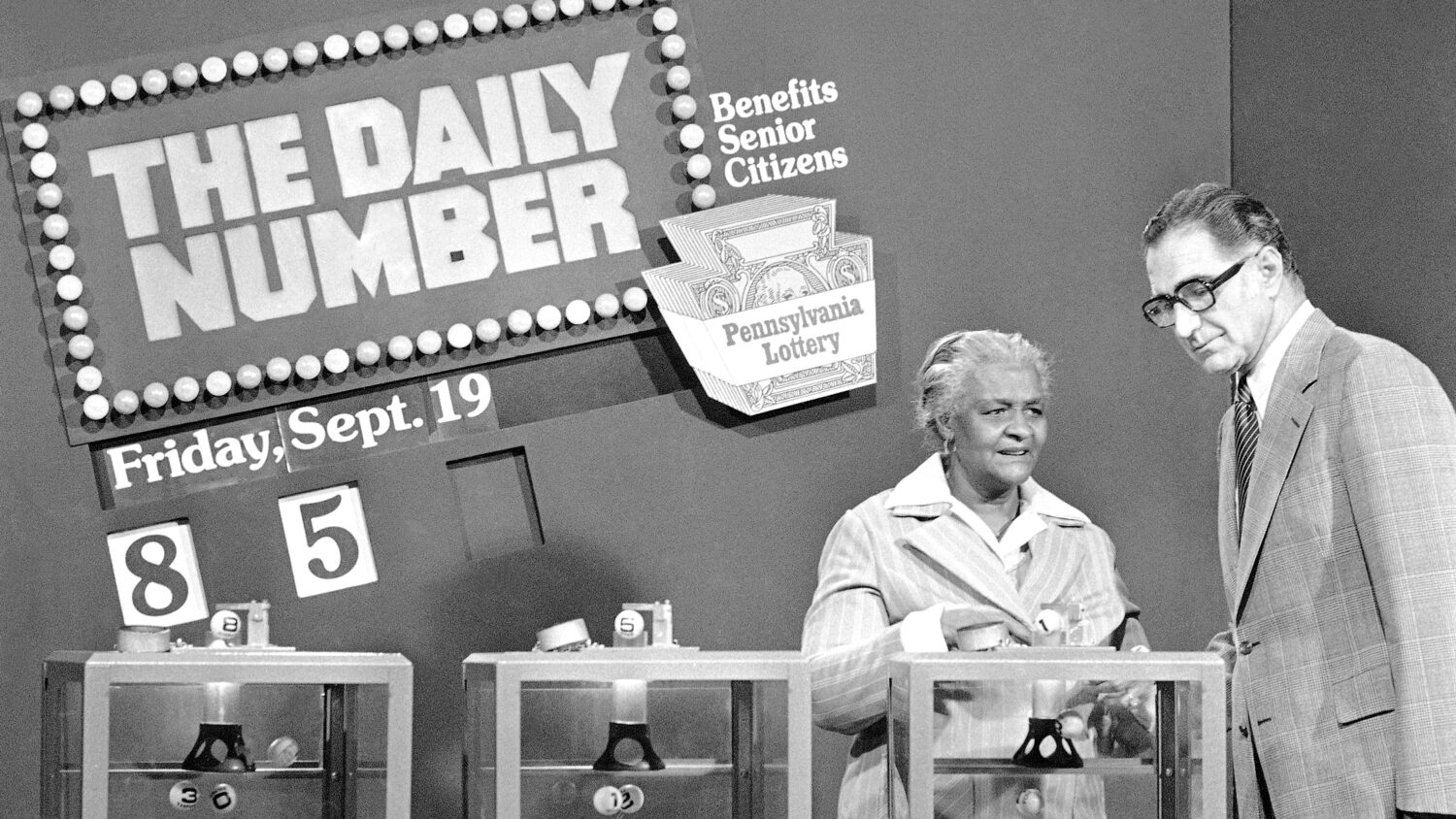
Common Mistakes Seniors Should Avoid
Many lottery problems begin with simple mistakes. A ticket can expire, become damaged, or create a disagreement if several people share ownership.
Avoid these errors:
• Failing to check both sides of a ticket
• Missing the prize claim deadline
• Sharing a ticket without a written agreement
• Posting a winning ticket photo online
• Giving personal information to an unknown caller
• Believing a message that says you won without playing
• Spending more after a near win
• Assuming lottery money will not affect public benefits
If you join a lottery pool, write down each person’s name and share. Keep a copy of the agreement. This small step can prevent confusion if the group wins.
Seniors should also protect themselves from scams. Fraudsters may pretend to be lottery officials, police officers, or tax agents. They often create urgency and demand payment. Real officials do not require gift cards, wire transfers, or cryptocurrency to release a prize.
How to Find Lottery-Funded Senior Services
If you want to know how does the lottery benefit senior citizens in your area, start with official local resources. Funding rules differ widely across the United States.
Try these steps:
-
Search for your state’s official lottery website.
-
Look for a page about proceeds, beneficiaries, or responsible gaming.
-
Contact your Area Agency on Aging.
-
Call 211 for local food, housing, and transportation support.
-
Ask a senior center about rebates and meal programs.
-
Contact the state department responsible for aging services.
-
Confirm income and age requirements before applying.
Keep records of applications, phone calls, and documents. Some programs have limited funds or yearly deadlines.
You can also ask these questions:
• Does the program receive lottery funding?
• What services does it offer?
• Is there an age or income limit?
• Is a waiting list in place?
• Will receiving help affect another benefit?
Clear answers help you avoid false claims and find support faster.
What Research Says About Lottery Benefits
Research shows that lottery revenue can provide meaningful public funds, but it does not prove that lotteries are always good for individuals. The effect depends on how a state uses the money and how much residents spend.
State financial reports show where lottery revenue goes. Aging agencies and program reports can show how funds support meals, transportation, housing, or care. These reports are more useful than broad claims that every senior benefits equally.
There is also a fairness issue. Lottery players often include people with limited incomes. When a state relies heavily on lottery sales, some critics argue that the system places a greater burden on households that can least afford to lose money.
The balanced view is this:
• Public lottery revenue may support valuable senior programs.
• Individual ticket purchases are not a dependable way to build wealth.
• Benefits vary by state and can change over time.
• Responsible play matters, especially for people on fixed incomes.
This balanced approach gives a more accurate answer to how does the lottery benefit senior citizens. The public benefit may be real, but it should not be confused with personal financial security.
Frequently Asked Questions About How Does the Lottery Benefit Senior Citizens
Does lottery money directly go to senior citizens?
Usually, lottery money goes to public agencies or approved programs rather than directly to every older adult. Seniors may receive help through tax rebates, meals, transportation, housing support, or care services.
Which states use lottery funds for senior services?
The rules vary by state. Pennsylvania is a well-known example because its lottery supports programs for older residents, while other states direct lottery revenue mainly to education, parks, veterans, or general public funds.
Can lottery winnings affect Social Security?
Lottery winnings generally do not reduce standard Social Security retirement benefits. However, they may affect income-based programs such as Supplemental Security Income, Medicaid, or subsidized housing.
Is playing the lottery safe for seniors?
It can be low-risk when spending is small, planned, and limited to entertainment money. It becomes risky when a person uses bill money, borrows to play, or tries to recover past losses.
Can seniors get help from a lottery-funded program?
Many seniors can apply for services if they meet local age, income, disability, or housing rules. Contact an Area Agency on Aging, senior center, or 211 to learn about programs near you.
Do lottery benefits replace Medicare or Social Security?
No. Lottery-funded services do not replace Medicare, Social Security, Medicaid, pensions, or personal savings. They may provide extra support, but program funding and eligibility can change.
Conclusion
So, how does the lottery benefit senior citizens? It can help fund meals, transportation, housing assistance, tax relief, in-home care, and other services, depending on state law. It may also offer social activity and light entertainment when played with strict limits.
The key lesson is to separate public benefits from personal gambling. Lottery revenue may support helpful programs, but buying tickets is not a sound retirement plan. Check official resources in your state, protect essential income, and seek advice before claiming a large prize.
Explore your local aging services today, share this guide with a senior or caregiver, and leave a comment about the lottery-funded programs available in your community.

Michael Reynolds is a senior contributor at RetirementGazette.com, where he focuses on helping readers navigate the journey toward a secure and fulfilling retirement. With over a decade of experience in personal finance, retirement planning, and lifestyle writing, Michael combines practical strategies with easy-to-understand guidance tailored for both pre-retirees and those already enjoying their golden years.