Keep bedridden elderly clean, nourished, repositioned, and emotionally supported at home.
I have spent years helping families and working with home health teams, and I know how much thoughtful care matters. This guide on How to care for the bedridden elderly at home explains practical steps, safety checks, and emotional support you can use right away. You will learn clear routines, equipment tips, skin and pressure injury prevention, simple exercises, medication management, and how to protect your own health as a caregiver. Read on for a friendly, experienced plan you can adapt to your situation.

Assessing needs and making a care plan
Start with a clear, simple assessment of physical, emotional, and medical needs. Write down mobility limits, medical conditions, allergies, medications, and daily routines. Set short-term goals like preventing pressure sores and long-term goals like improving comfort and mood. Share this plan with family, doctors, and any home health aides so everyone follows the same steps on How to care for the bedridden elderly at home.

Daily care routines: hygiene, oral care, and nutrition
Daily routines give structure and prevent complications. Clean skin gently each day and keep folds dry. Do oral care twice daily to reduce infection risk and help appetite. Plan three small, nutrient-rich meals and frequent fluids to avoid dehydration. These simple tasks are core to How to care for the bedridden elderly at home and keep health steady.
Preventing pressure injuries and skin care
Pressure injuries form quickly on bony areas. Reposition the person at least every two hours. Use pressure-relief cushions or alternating mattresses when possible. Inspect the skin daily for redness, blisters, or breaks. Clean and dry any problem area, and call the doctor for wounds that do not improve. Preventing sores is central to How to care for the bedridden elderly at home and often avoids hospital visits.
Mobility, exercises, and range-of-motion
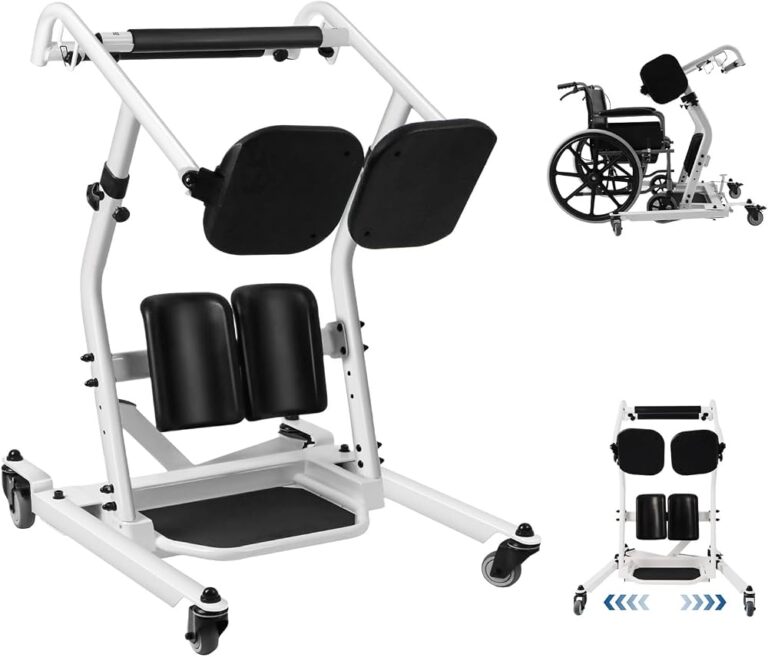
Even if someone cannot walk, small moves matter. Do gentle range-of-motion exercises daily to keep joints flexible. Leg and arm lifts, ankle circles, and hand squeezes help circulation and mood. Use care when lifting; get training on safe transfers and use a hoist if needed. Keeping muscles engaged is an important part of How to care for the bedridden elderly at home.

Managing medications and medical needs
Create a clear medication list and a simple schedule. Use pill organizers or timed dispensers to reduce missed doses. Track symptoms like pain, fever, or breathing changes and report them to the provider. Keep a list of emergency contacts and recent lab or test results. Good medication management is essential to How to care for the bedridden elderly at home and to avoid dangerous mistakes.

Equipment, supplies, and home modifications
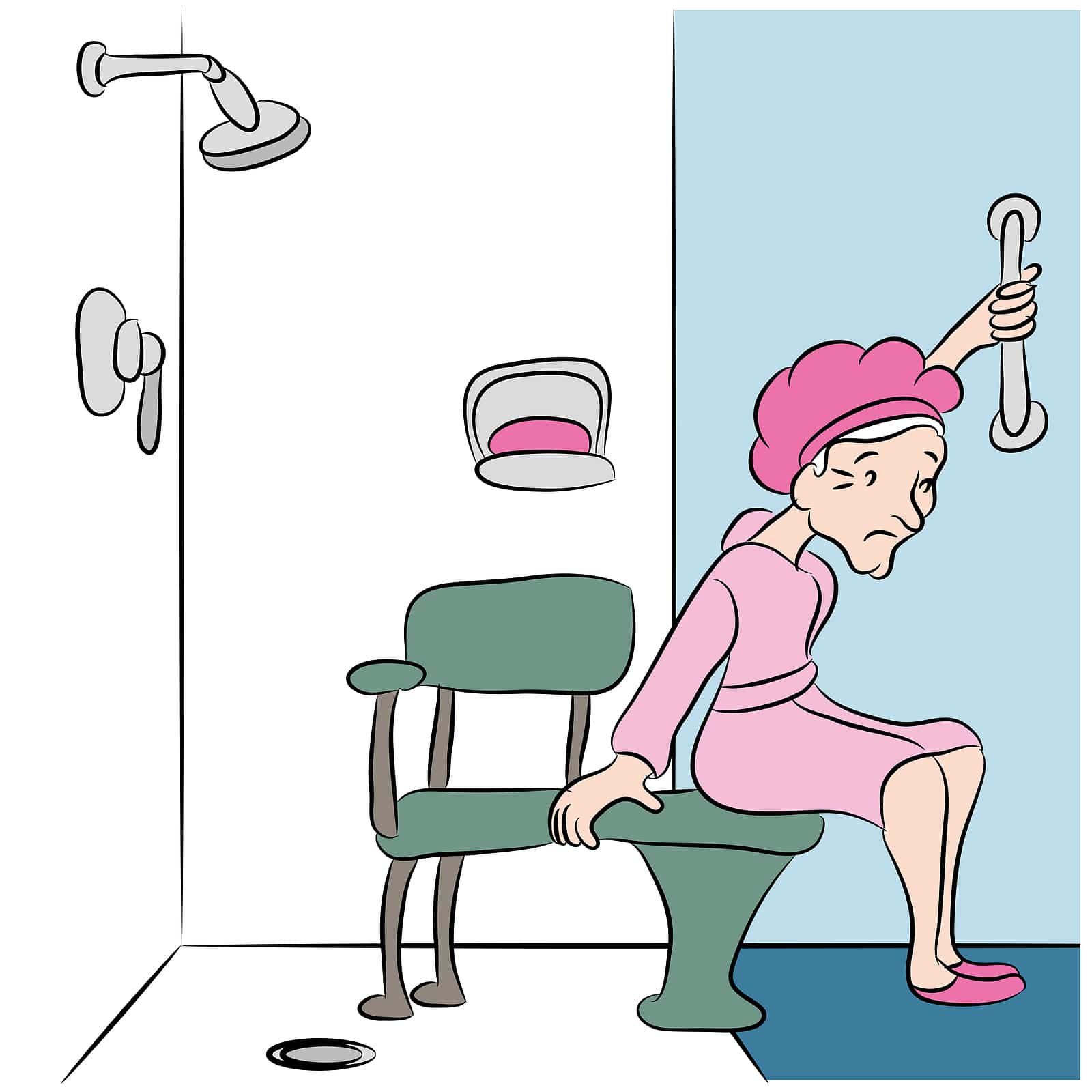
Right tools make care safer and easier. Common items that help include hospital beds, pressure-relief mattresses, bed rails, transfer belts, and shower chairs. Install grab bars near toilets and in bathrooms. Keep a tidy layout to prevent trips and to make caregiving tasks smoother. Choosing proper equipment is a key step in How to care for the bedridden elderly at home.

Nutrition, feeding techniques, and swallowing safety
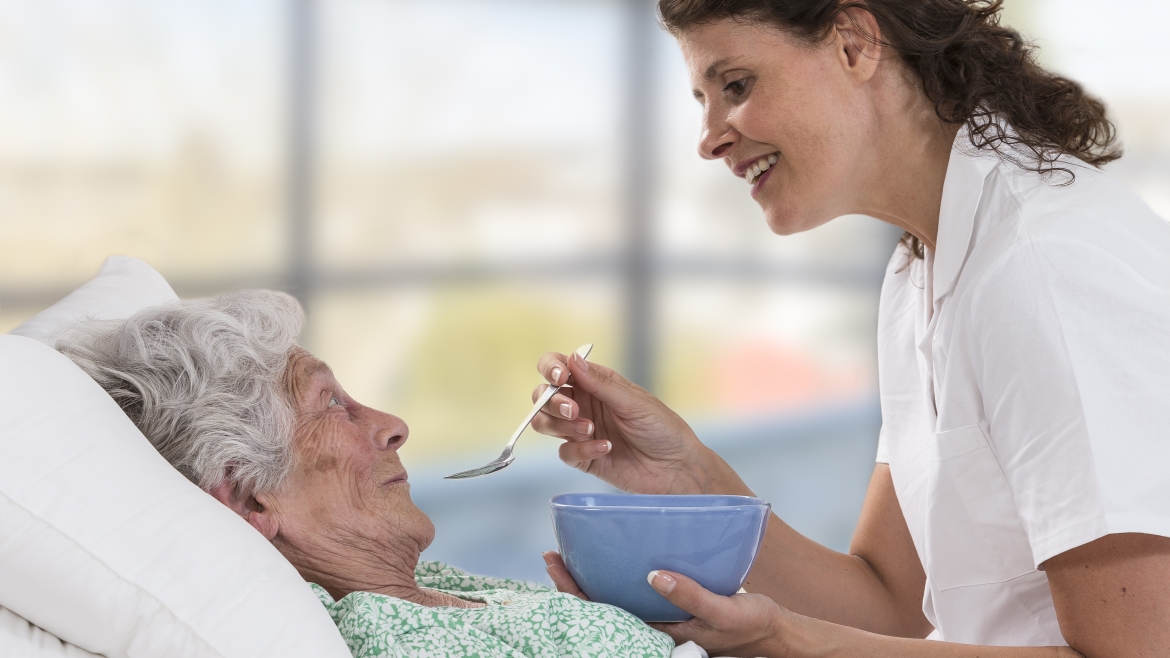
Swallowing problems need attention. Sit the person up as much as their condition allows for meals. Offer pureed foods or thickened liquids if advised by a speech therapist. Monitor weight and appetite each week and adjust meal size and content to maintain energy. Feeding with care supports dignity and is part of How to care for the bedridden elderly at home.

Infection control and hygiene practices
Simple hygiene prevents many infections. Wash hands before and after care and use gloves for wounds or catheter care. Keep linens clean and change them when soiled or daily if needed. Dispose of medical waste safely and clean medical devices per instructions. These steps make How to care for the bedridden elderly at home safer for both the elder and caregiver.
Emotional support, communication, and social needs
Loneliness and boredom hurt health. Talk, listen, and use photos or music that bring joy. Encourage small choices like clothing or meal preferences to support dignity. If possible, arrange short visits from friends, family, or volunteers to break long days. Emotional support is as important as physical care when you think about How to care for the bedridden elderly at home.
Caregiver wellbeing and support
Caring for someone full time is hard work. Take short breaks, ask for help, and use respite services when you can. Monitor your own sleep, nutrition, and mood. When I cared for a relative, I learned to schedule regular rest times and to accept help—even small visits made a big difference. Protecting your health keeps care steady and loving.
When to seek professional help and hospice care
Know when to call professionals. Contact a doctor for high fever, spreading skin redness, sudden breathing trouble, or sudden changes in consciousness. Consider home health nurses for wound care or medication changes. Discuss palliative or hospice care early if life-limiting illness is present; these services focus on comfort and support for the whole family. Getting help is part of responsible planning for How to care for the bedridden elderly at home.
Practical tips and real-life lessons
Use lists and charts to track tasks and changes. Label medication times and keep a daily log of food, fluid, and bowel movements. Mistakes I made early on included skipping written notes and trying to lift without a belt; both led to stress and small injuries. Learn from others, borrow equipment from local programs, and join caregiver support groups. These simple habits improve care and reduce burn-out when managing How to care for the bedridden elderly at home.
Common questions while caring at home
How often should a bedridden person be turned? Turn at least every two hours to reduce pressure injury risk and improve circulation.
Can I bathe a bedridden person safely at home? Yes. Use a basin or sponge bath and keep the room warm; prepare everything first and protect the skin and wounds.
How do I know if a sore is serious? A serious sore is one that grows, drains pus, smells bad, or causes fever; see a doctor quickly if you notice these signs.
Is it okay to use home remedies like lotions or oils? Use gentle, fragrance-free products and ask the care team before trying new ointments, as some can harm fragile skin.
When should I call an ambulance? Call emergency services for trouble breathing, chest pain, sudden weakness, or loss of consciousness.
Frequently Asked Questions of How to care for the bedridden elderly at home
What are the first steps to start home care for a bedridden elder?
Begin with a simple assessment of needs, make a written care plan, and gather basic supplies like gloves, clean linens, and a pill box. Contact the primary doctor for a home visit or to set up home health services.
How often should I reposition a bedridden person?
Reposition every two hours if lying flat, and every hour if skin is fragile or they have early redness to lower the chance of pressure injuries.
How can I prevent bedsores at home?
Keep skin clean and dry, change position frequently, use pressure-relief cushions, and check skin daily for early signs of breakdown.
What is the safest way to move or lift someone at home?
Use a transfer belt or mechanical lift and ask for training from a nurse or therapist. Keep your feet wide, bend at the knees, and avoid twisting your back.
How do I handle medication errors or missed doses?
Call the prescribing doctor or pharmacist for guidance and note the mistake in your care log. For severe reactions, seek emergency care.
Can a bedridden elder still exercise?
Yes. Gentle range-of-motion and isometric exercises are safe and help circulation. A physical therapist can provide tailored routines.
How do I manage incontinence and hygiene?
Use absorbent briefs, barrier creams, and frequent linen checks. Clean gently after soiling and change bedding promptly to prevent skin problems.
When should I consider hospice or palliative care?
Consider these services when the illness is advanced and goals focus on comfort, symptom relief, and support for family decision-making.
Conclusion
Caring for a bedridden elder at home is challenging but deeply rewarding. Focus on daily routines that protect skin, maintain nutrition, manage medications, and honor emotional needs. Use proper equipment, ask for professional help when needed, and protect your own health so you can continue this work. Start small: make a simple care plan today, call one professional for advice, or set up a short caregiver break. Share your story, ask questions below, or subscribe for more practical guides and tips on how to care for the bedridden elderly at home.

Michael Reynolds is a senior contributor at RetirementGazette.com, where he focuses on helping readers navigate the journey toward a secure and fulfilling retirement. With over a decade of experience in personal finance, retirement planning, and lifestyle writing, Michael combines practical strategies with easy-to-understand guidance tailored for both pre-retirees and those already enjoying their golden years.