Make stairs safer for the elderly by improving handrails, lighting, non-slip surfaces, and clear steps.
I have spent years advising families, contractors, and care teams on how to make stairs safer for the elderly. This guide explains practical upgrades, low-cost fixes, and proven design choices that reduce falls and improve daily independence. You will get clear steps, measurement tips, assistive options, and real-world examples to help you plan and act with confidence. Read on to learn simple, effective ways to make stairs safer for the elderly in homes and care settings.
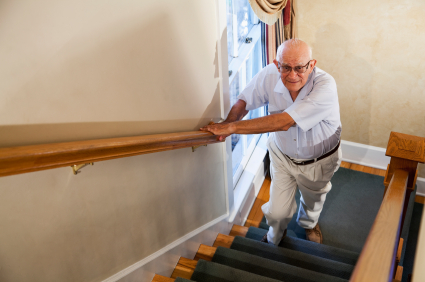
Why stairs are risky for older adults
Stairs need balance, vision, and leg strength. Age-related changes make these tasks harder. Slower reaction times, poor depth perception, weaker muscles, and some medications raise fall risk. Cluttered stairs, poor lighting, and worn treads add danger.
Common causes of stair falls
- Poor lighting and glare that hide edges.
- Missing or low handrails on one or both sides.
- Slippery or uneven treads and worn carpeting.
- Inconsistent step heights or shallow treads.
- Carrying items that block view or upset balance.
What happens after a fall
- Broken hips, head injuries, and long recovery times.
- Fear of falling again, which leads to less activity and more weakness.
- Higher care needs and possible loss of independence.
How to make stairs safer for the elderly starts with understanding these risks. By addressing vision, balance, and the stair surface, you cut risk sharply. I have seen kitchens and hallways transformed with small changes that make a big difference.
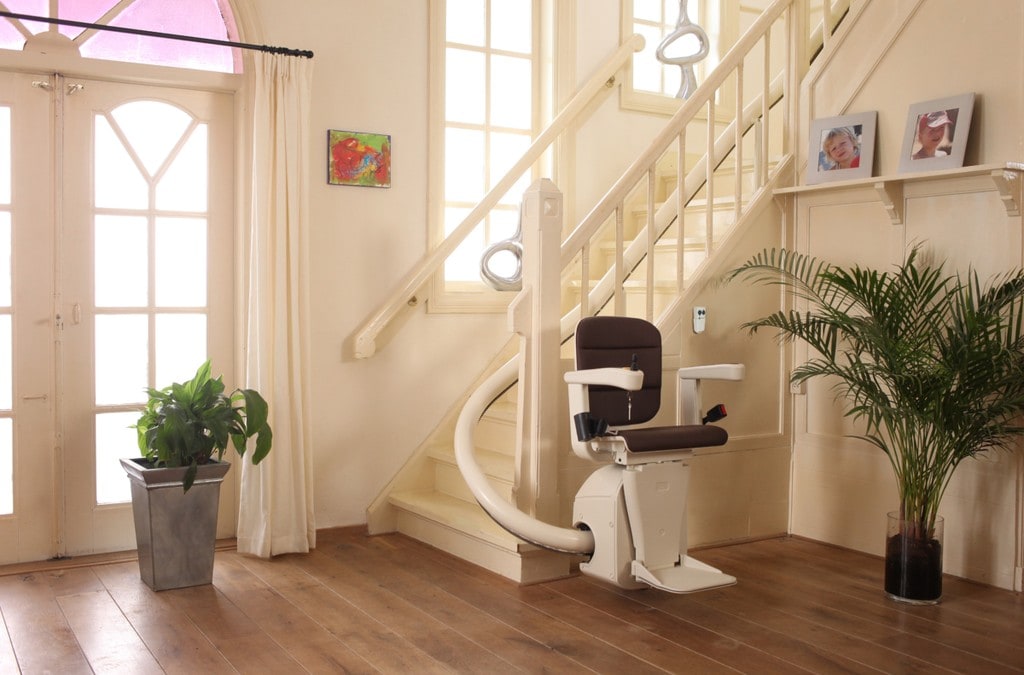
Key safety upgrades for stair design
Good design reduces mistakes. Simple upgrades deliver fast safety gains. Here are top changes to prioritize when you think about how to make stairs safer for the elderly.
Handrails
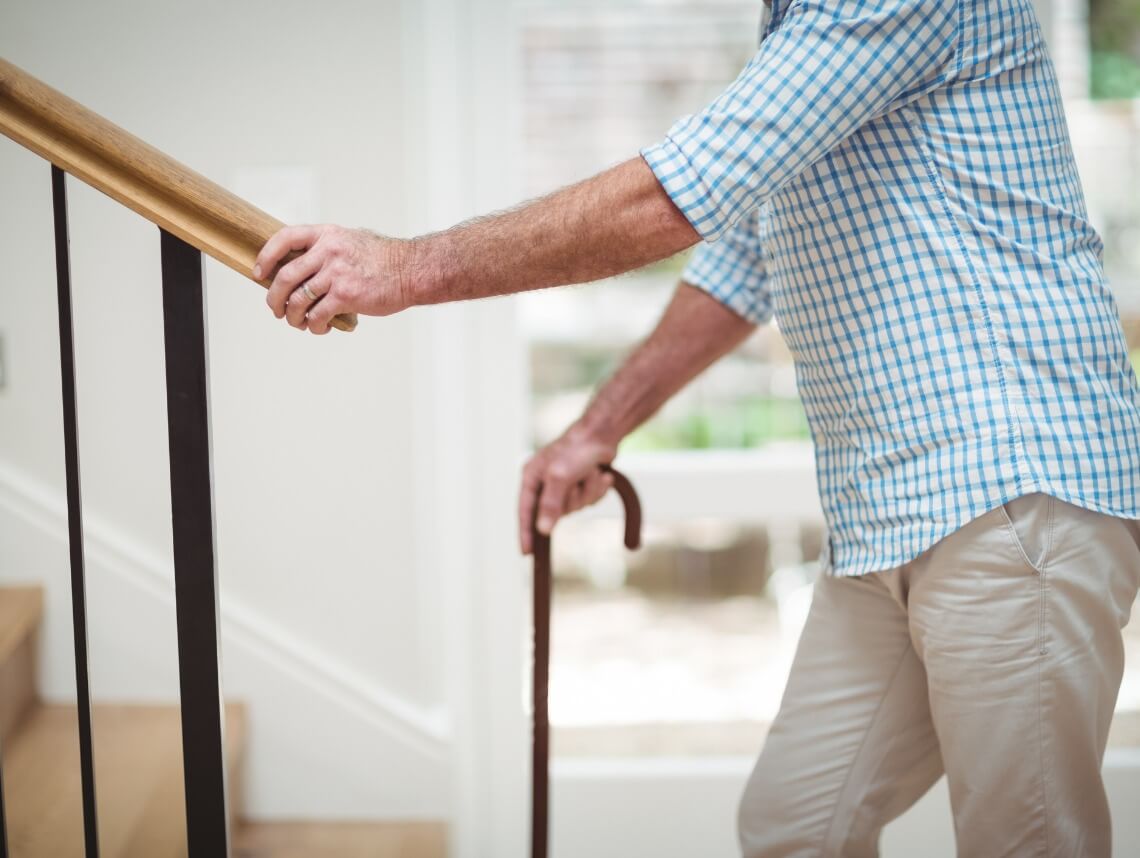
- Install strong rails on both sides of the stairs when possible.
- Use round or oval grips 1.25 to 2 inches wide for easy holding.
- Make rails continuous from top to bottom without breaks.
Lighting and contrast
- Use bright, even lighting that removes shadows on each step.
- Add motion-activated lights for night use.
- Paint or apply contrasting nosing to highlight step edges.
Treads and risers
- Fit non-slip strips or textured treads on each step.
- Keep riser heights consistent to avoid trips.
- Replace worn carpet or use low-profile, securely fixed runners.
Landings and rail extensions
- Create safe landings at top and bottom with room to turn.
- Extend handrails 12 inches beyond the first and last step for support.
How to make stairs safer for the elderly often starts with these visible fixes. They are low-effort and high-impact. I recommend tackling handrails and lighting first, then flooring and contrast.

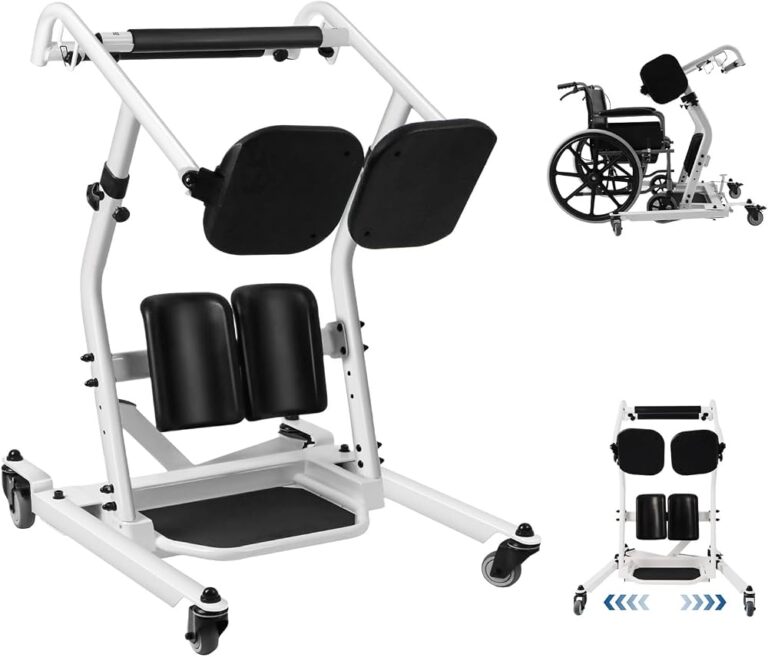
Assistive devices and technology
Assistive devices can restore safe mobility. Choose devices that match need, home layout, and budget.
Stairlifts and chairlifts
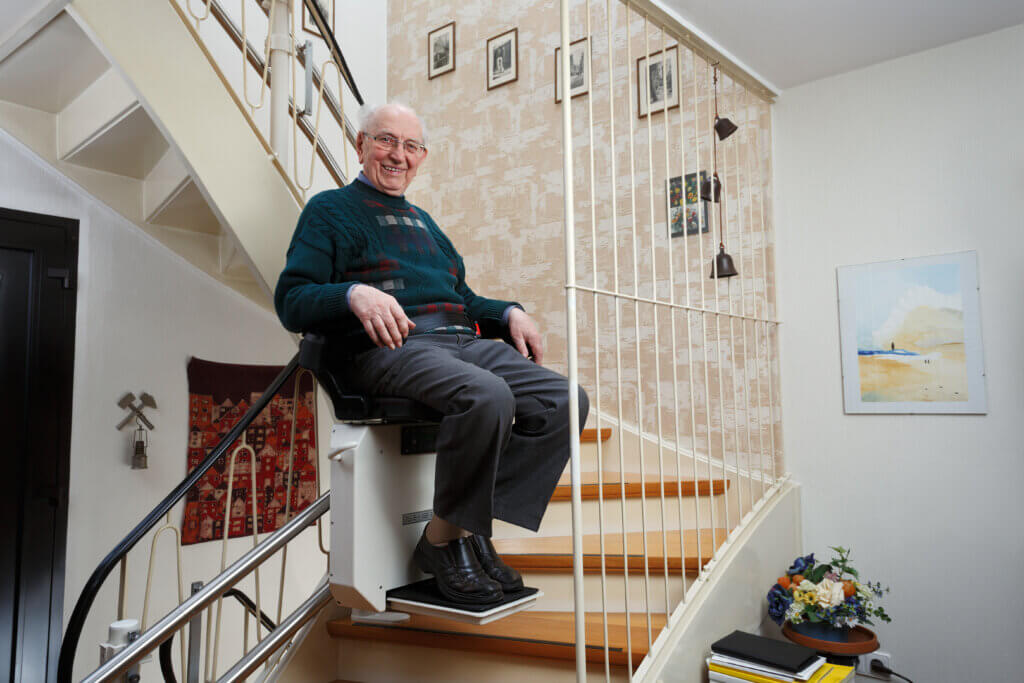
- Install a stairlift when stairs are too hard to climb safely.
- Modern lifts fold to save space and include safety belts.
Portable and fixed ramps
- Use a ramp for a single step or a small porch.
- Ramps require gentle slopes and firm handrails.
Grab bars and rail additions
- Add grab bars near landings and at transitions.
- Use wall-mounted or clamp-on bars that meet weight ratings.
Smart sensors and lights
- Night lights and motion sensors reduce risk during nighttime trips.
- Fall-detection devices can alert caregivers quickly.
When deciding how to make stairs safer for the elderly, test devices first. If possible, trial a stairlift or ramp before committing. I once saw a family delay a stairlift until after a fall; early installation often prevents the first serious incident.
Daily habits and behavior changes
Simple habits keep stairs safe every day. Behavior matters as much as hardware in how to make stairs safer for the elderly.
Wear proper shoes
- Use closed shoes with low heels and good tread.
- Avoid slippery socks on stairs.
Keep stairs clear
- Remove loose rugs, shoes, and clutter.
- Store items elsewhere so hands are free.
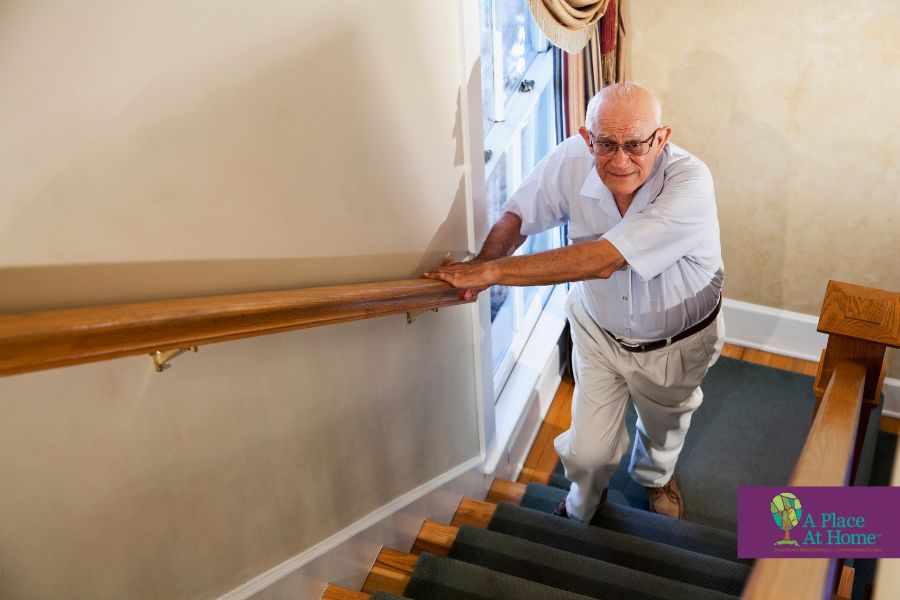
Use the rail every trip
- Teach consistent use of handrails, even for short ascents.
- Avoid carrying large loads; make two trips or use a basket.
Improve fitness
- Gentle balance and leg-strength exercises reduce fall risk.
- Work with a physical therapist for tailored routines.
Small behavior changes are easy to adopt and powerful. In my practice, clients who learned rail-first habits felt safer quickly.
DIY and low-cost fixes you can do today
You can make many improvements without large expense. These DIY fixes help when you want to make stairs safer for the elderly now.
Affordable upgrades
- Apply non-slip tape or stair nosing strips to each step.
- Add battery-powered LED step lights or motion lights.
- Replace loose carpet and secure runners with gripper tape.
Simple handrail improvements
- Tighten loose screws and anchor points on existing rails.
- Add a second rail on the opposite wall if space allows.
Contrast and visibility
- Paint edges with a contrasting, non-slip paint strip.
- Use reflective tape on nosing for low-light visibility.
Safety checks to do monthly
- Test handrail tightness.
- Check treads for wear and loose nails.
- Replace burned-out bulbs and clean light fixtures.
These small steps are often the first things I recommend. They give quick relief while you plan any larger remodel or professional upgrade.
When to consult a professional
Some upgrades need a pro. Use experts for structural changes, electrical work, and major device installation.
Who to call
- Licensed contractor for new handrails, stairs, or ramps.
- Electrician for lighting upgrades that alter wiring.
- Occupational therapist to assess mobility and recommend changes.
Signs you need help
- The stairs have structural damage or sagging.
- You plan a stairlift, ramp, or major layout change.
- The person has repeated near-falls or recent serious fall.
Professional assessment helps you make the right choices. An OT’s home safety report gives a clear path to make stairs safer for the elderly and reduces costly mistakes.

Measurements and a safety checklist
Good dimensions and a checklist help you plan. Use these guidelines when you measure or hire someone.
Recommended ranges
- Riser height: aim for 6 to 7 inches where possible.
- Tread depth: aim for 11 to 12 inches to support full foot placement.
- Handrail height: about 34 to 38 inches above tread nosing.
Safety checklist
- Handrails on at least one side; both sides ideal.
- Even riser heights and consistent tread depths.
- Non-slip surface on every tread.
- Adequate lighting with switches at top and bottom.
- Clear landing at top and bottom free of tripping hazards.
- Contrast on nosing and visible edges.
Use this checklist to guide repairs or upgrades. I recommend walking the stairs with the person who uses them most. That reveals smaller issues that measurements miss.
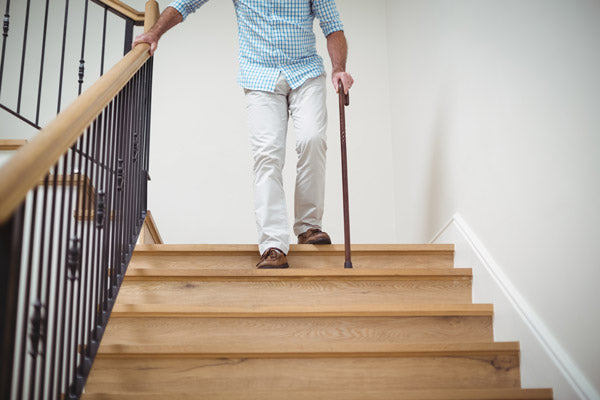
My real-world lessons and tips
I have worked on many home safety projects. These lessons are practical and easy to use.
What worked best
- Adding a second handrail often cut falls in half.
- Motion lights prevented most bathroom-night falls.
- Stairlifts restored confidence quickly when climbing became painful.
Mistakes to avoid
- Installing a decorative rail that is hard to grip.
- Skipping a landing to save space; landings improve safety.
- Using peel-and-stick tape that slips after a few months.
Personal tip
- Start small and prioritize fixes that remove immediate risk. Quick wins build trust and make larger changes easier.
These are not theories. They come from home visits, repair projects, and conversations with caregivers and therapists.
Limitations and realistic expectations
Not every fix fully removes risk. Be honest about limits and plan for gradual change.
What upgrades cannot do
- They cannot fully replace decline in strength or vision.
- They do not remove the need for regular exercise and care.
- Some homes cannot be fully adapted without major remodeling.
Managing expectations
- Improvements reduce risk but do not eliminate all falls.
- Combine environmental changes with health and mobility plans.
- Monitor and update solutions as needs change.
Being realistic helps you plan budgets and timelines. It also keeps focus on practical, staged improvements to make stairs safer for the elderly.
Frequently Asked Questions of How to make stairs safer for the elderly
How soon should I upgrade stairs after an elderly family member shows mobility issues?
Upgrade as soon as mobility changes are noticed. Start with handrails, lighting, and removing tripping hazards while planning larger changes.
Are stairlifts a better option than renovating stairs?
Stairlifts are often faster to install and less disruptive than major remodeling. Choose lifts when climbing is painful or unsafe and renovation is costly.
What is the cheapest way to make stairs safer for the elderly?
Add non-slip tape, install motion night lights, tighten handrails, and remove clutter. These low-cost fixes reduce immediate risk.
How do I choose the right handrail height and style?
Aim for 34 to 38 inches above the tread nosing and a grip that fits the hand comfortably. A round or oval profile 1.25 to 2 inches wide works well.
Can exercise and therapy reduce stair fall risk?
Yes. Balance, strength, and gait training improve confidence and reduce falls. Work with a physical therapist for a tailored plan.
What should I do if stairs are outside and slippery when wet?
Add textured treads or non-slip coating, ensure drainage, and install a covered landing if possible. Use weather-resistant handrails and contrast strips.
Conclusion
Safer stairs protect independence. Start by adding solid handrails, bright lighting, and non-slip surfaces. Pair these improvements with simple habits like using the rail, wearing good shoes, and keeping steps clear. If mobility is limited, add assistive devices such as stairlifts or consult an occupational therapist and a contractor. Small fixes often give quick relief while larger changes secure long-term safety. Take one step today: inspect the stairs, make one change, and plan the next. Share your experience, ask questions, or subscribe for more home safety tips.

Michael Reynolds is a senior contributor at RetirementGazette.com, where he focuses on helping readers navigate the journey toward a secure and fulfilling retirement. With over a decade of experience in personal finance, retirement planning, and lifestyle writing, Michael combines practical strategies with easy-to-understand guidance tailored for both pre-retirees and those already enjoying their golden years.