Vaccination, good hygiene, oral care, and managing chronic illness greatly reduce pneumonia risk in seniors.
As a healthcare professional with years of experience caring for older adults, I know how preventable many cases of pneumonia can be when families and caregivers act early. This article gives a clear, practical guide on How to avoid pneumonia in the elderly, blending proven prevention steps, daily routines, and real-life tips you can use right away. Read on to learn simple habits, medical actions, and care strategies that lower risk and protect those you love.
Why pneumonia is especially risky for older adults
Pneumonia is a lung infection that can range from mild to life-threatening. Older adults face higher risk due to weaker immune systems, existing lung or heart disease, and decreased cough strength. When you search for How to avoid pneumonia in the elderly, you must understand these risks to choose the right prevention steps.
Common causes include bacterial, viral, and aspiration events where food or liquid gets into the lungs. Chronic conditions like COPD, diabetes, and heart disease increase the chance of severe infection. I’ve cared for elders who recovered quickly after prevention measures; acting early matters.

Key strategies to avoid pneumonia in the elderly
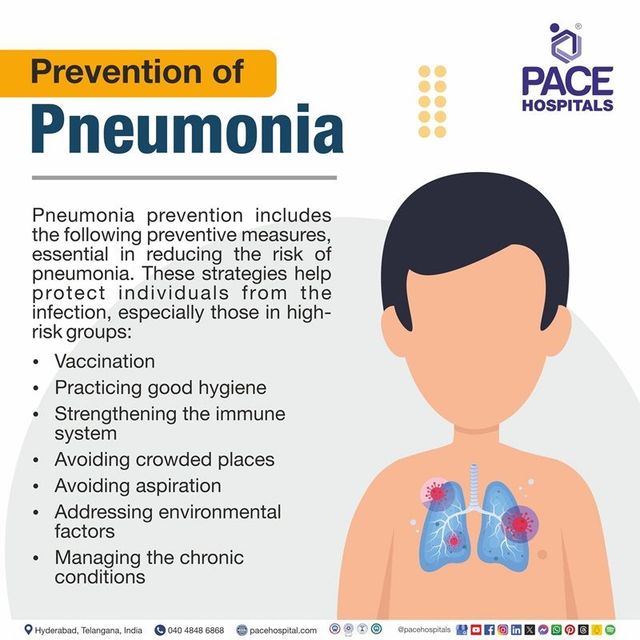
Preventing pneumonia combines medical steps, daily habits, and environmental changes. Below are clear, evidence-backed strategies to help you protect older adults.
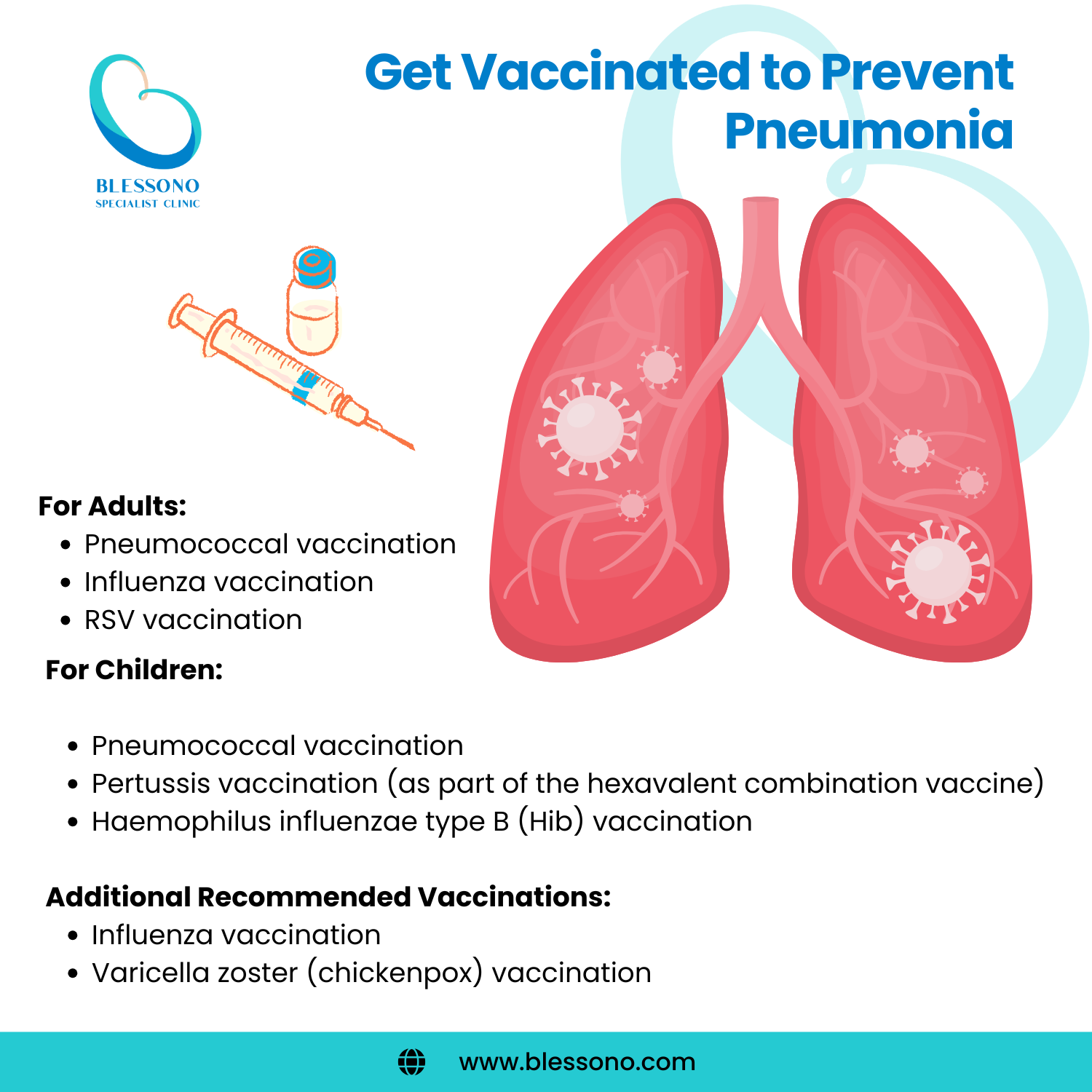
Vaccination and medical prevention
- Get annual flu shots and pneumococcal vaccines to reduce risk of common causes of pneumonia.
- Talk with a doctor about vaccine timing, booster needs, and vaccine types for older adults.
- Keep up with other vaccines such as COVID-19 and shingles if recommended by a provider.
Many people ask whether vaccines completely stop pneumonia. Vaccines lower the risk and make infections milder, so they are a central part of How to avoid pneumonia in the elderly.
Hygiene and infection control
- Encourage frequent handwashing with soap or alcohol-based sanitizer when appropriate.
- Reduce contact with sick people and avoid crowded indoor places during high-risk seasons.
- Clean shared surfaces and medical equipment regularly in the home.
Regular hygiene cuts down the germs that cause pneumonia and other infections. Simple steps often make the biggest difference.
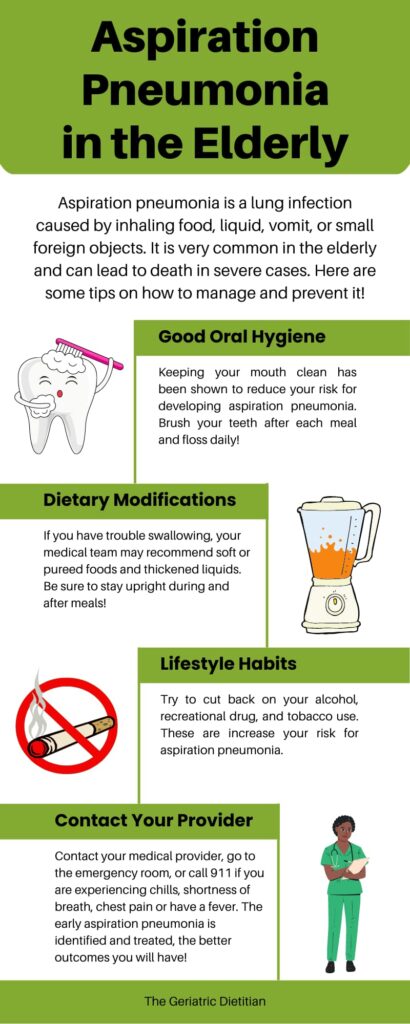
Oral care and swallowing safety
- Maintain daily oral hygiene with tooth brushing and regular dental visits.
- Watch for swallowing problems; work with a speech therapist if choking or coughing during meals occurs.
- Adjust food textures and meal pace if aspiration risk is present.
Poor oral health and silent aspiration are common, yet often overlooked, contributors to pneumonia in seniors.
Nutrition, hydration, and immune support
- Encourage balanced meals with protein, fruits, and vegetables to support immunity.
- Keep older adults well-hydrated to help mucus clearance and overall health.
- Address vitamin D or nutrient deficits when advised by a healthcare provider.
Good nutrition and hydration are foundational to preventing infections and promoting recovery if illness occurs.
Manage chronic conditions and medication review
- Keep chronic diseases like COPD, heart disease, and diabetes well controlled with regular care.
- Review medications regularly to minimize drugs that suppress breathing or cough reflex.
- Coordinate care among specialists to optimize lung and immune health.
Managing underlying illness is one of the most effective ways of How to avoid pneumonia in the elderly.
Physical activity and breathing exercises
- Promote regular, gentle activity such as walking or chair exercises to improve lung function.
- Use deep-breathing exercises, incentive spirometers, or pulmonary rehab when recommended.
- Encourage upright posture during and after meals to reduce aspiration risk.
Movement and breathing work help clear secretions and strengthen respiratory muscles.
Environmental measures and air quality
- Avoid indoor smoke, poor ventilation, and strong chemical irritants.
- Use humidifiers correctly to ease breathing in dry environments and clean them often.
- Keep living areas free of mold and allergens that can aggravate lungs.
Small home changes can make a big difference in lowering infection risk.

Practical daily checklist and care plan
A short checklist makes prevention actionable. Use it each day to protect someone vulnerable.
- Morning: Ensure medication is taken, do oral care, and offer a healthy breakfast with fluids.
- Midday: Encourage light activity and monitor breathing or coughing; hydrate often.
- Evening: Review vaccination status, plan healthy meals, and keep sleeping area clean and smoke-free.
- Weekly: Clean humidifiers, check for signs of illness, and schedule medical appointments as needed.
- Monthly: Reassess swallowing safety, review medications with a clinician, and confirm vaccinations.
From my experience in senior care, a simple daily routine prevents many avoidable infections. Keep the checklist visible and update it with the healthcare team.
Home modifications and caregiving tips
Making the home safer helps prevent pneumonia in elders who spend most time indoors.
- Improve lighting and remove trip hazards to reduce falls that can lead to hospitalization and infection.
- Install grab bars and elevate the head of the bed slightly for safer breathing and reduced aspiration.
- Use HEPA or true air filters if allergies or pollutants are a problem; maintain vents and filters regularly.
- Train caregivers in hand hygiene, safe feeding, and recognizing early signs of respiratory decline.
When I coached family caregivers, small changes like a raised pillow or filters reduced respiratory trouble and anxiety at night.
When to seek medical help and warning signs
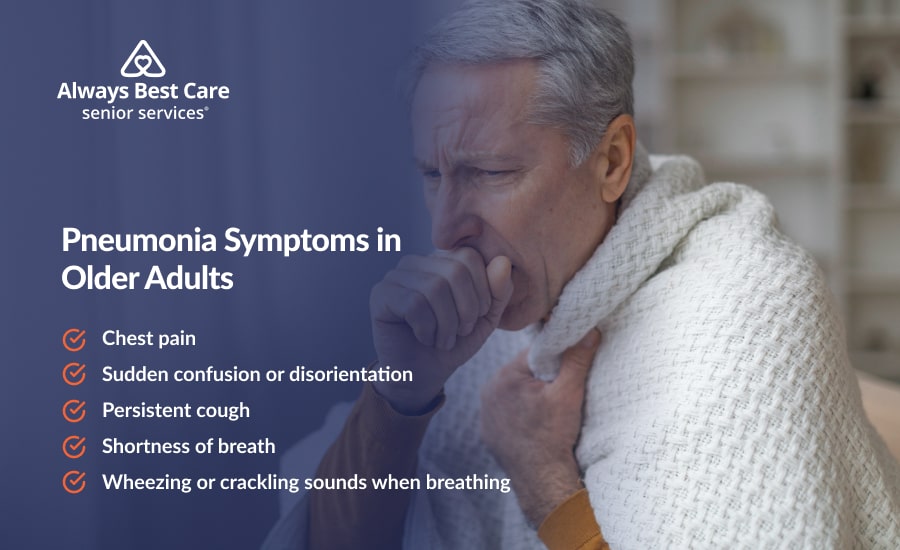
Early treatment is crucial. Know the red flags that need urgent attention.
Common warning signs include:
- New or worsening cough with colored sputum, fever, or chest pain.
- Increased breathlessness, fast breathing, or blue lips and face.
- Confusion, extreme weakness, or reduced fluid intake.
If you notice these signs, contact a healthcare provider or seek emergency care promptly. Quick action improves outcomes and may prevent hospitalization.
Frequently Asked Questions of How to avoid pneumonia in the elderly
How often should seniors get vaccinated to avoid pneumonia?
Seniors should get an annual flu vaccine and follow provider recommendations for pneumococcal vaccination and boosters. A doctor will advise timing based on health status and vaccine history.
Can good oral care really lower pneumonia risk?
Yes. Regular teeth cleaning and dental visits reduce harmful bacteria that can be aspirated into the lungs. For frail seniors, oral care lowers one common route to pneumonia.
Are there exercises that help prevent pneumonia?
Breathing exercises, incentive spirometry, and regular light activity all improve lung clearance and strength. These activities are especially helpful after illness or hospital stays.
How does managing chronic disease reduce pneumonia risk?
Keeping conditions like COPD, heart disease, and diabetes under control reduces inflammation and susceptibility to infections. Regular check-ups and medication adherence are key.
When should a caregiver call 911 for suspected pneumonia?
Call emergency services if the elder has severe shortness of breath, confusion, very low oxygen, or blue lips/face. These signs suggest a serious infection needing immediate care.
Conclusion
Protecting older adults from pneumonia is a mix of prevention, vigilance, and early action. Use vaccines, hygiene, oral care, nutrition, safe swallowing, and home supports as routine steps to reduce risk. Start today by checking vaccination status, improving daily oral care, and making simple home changes to support breathing. If you found these tips helpful, consider sharing this guide, subscribing for more health advice, or leaving a comment about your experience caring for older adults.

Michael Reynolds is a senior contributor at RetirementGazette.com, where he focuses on helping readers navigate the journey toward a secure and fulfilling retirement. With over a decade of experience in personal finance, retirement planning, and lifestyle writing, Michael combines practical strategies with easy-to-understand guidance tailored for both pre-retirees and those already enjoying their golden years.