You may have Medicare and Medicaid because Medicare covers health care, while Medicaid helps with low income and extra costs.
Why would you have Medicare and Medicaid at the same time? Usually, a person qualifies for Medicare because of age or disability and also qualifies for Medicaid because of limited income and resources. This guide explains how both programs work together, what they may pay for, and how to avoid common coverage mistakes.
Why Would You Have Medicare and Medicaid?
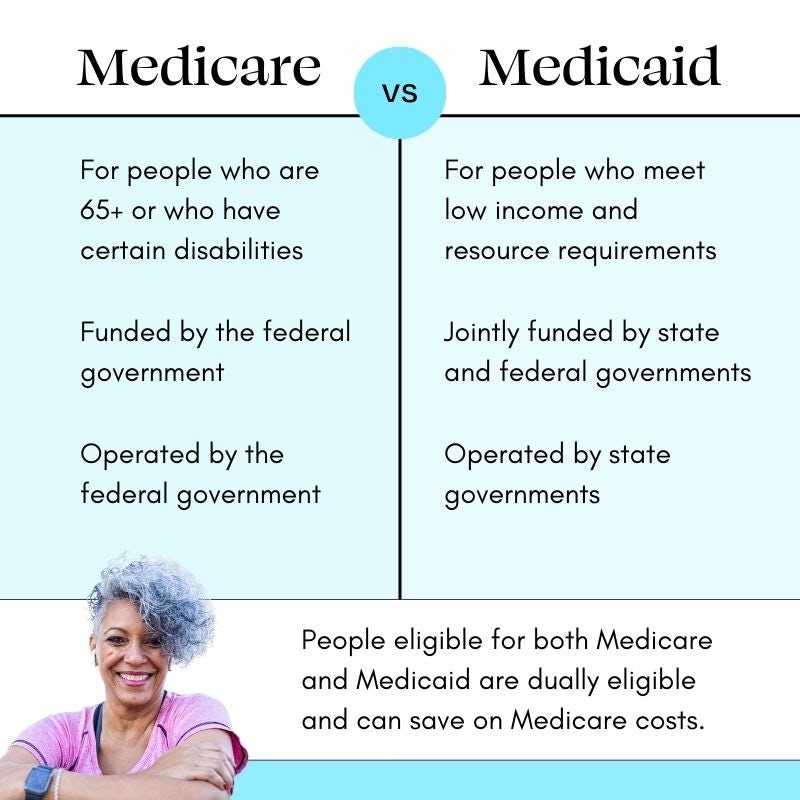
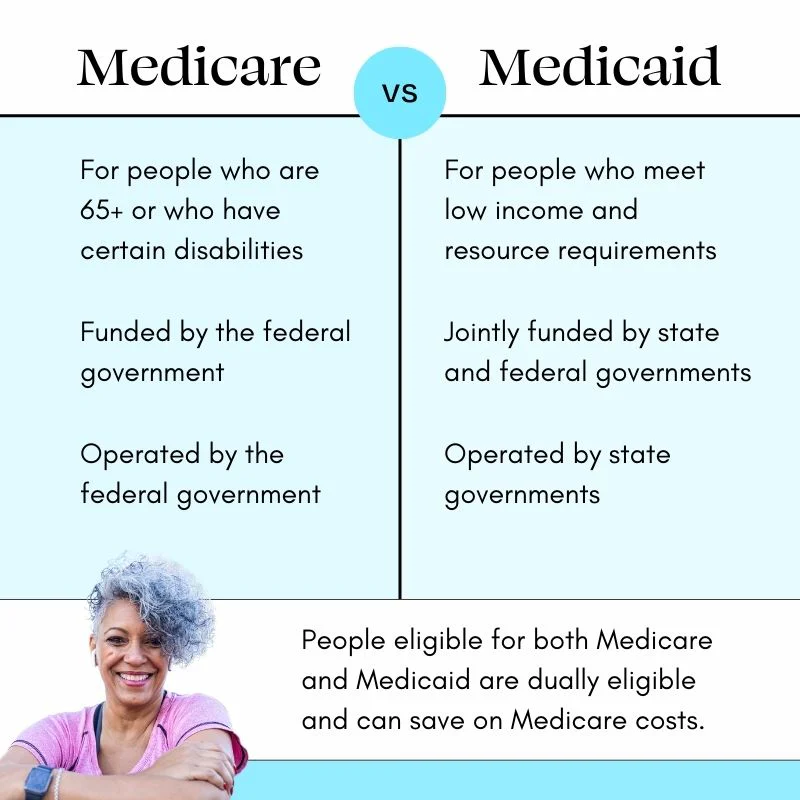
The main reason why you would have Medicare and Medicaid is that each program serves a different purpose.
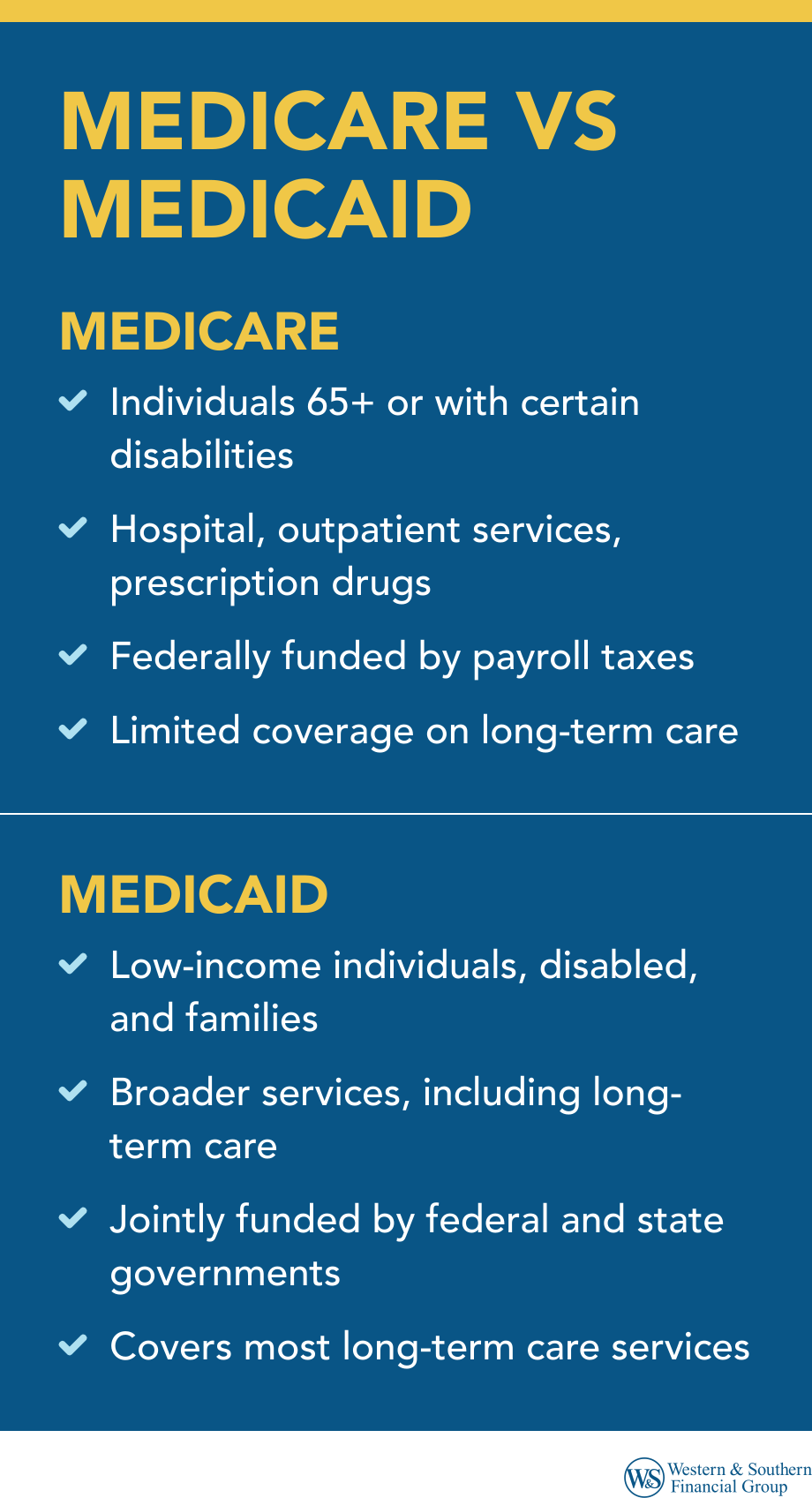
Medicare is a federal health insurance program. It mainly covers:
• Adults age 65 and older
• People under 65 with certain disabilities
• People with permanent kidney failure who meet program rules
• Some people with amyotrophic lateral sclerosis, also called ALS
Medicaid is a joint federal and state program. It helps eligible people with limited income and resources pay for medical care. Each state runs its own Medicaid program, so income limits and covered services can differ.
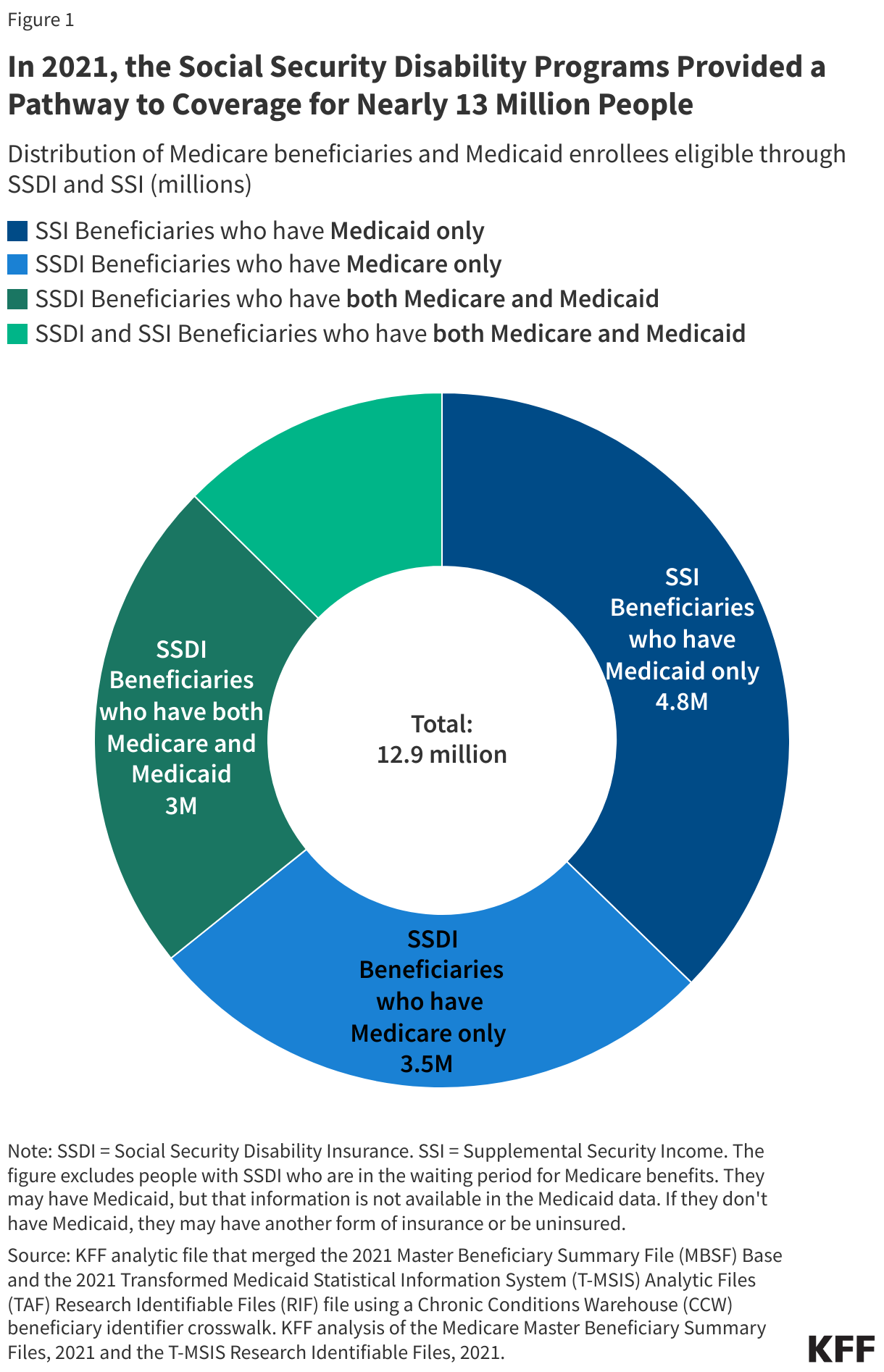
When someone qualifies for both programs, they are often called “dual eligible.” In simple terms, Medicare is usually the main health insurance. Medicaid may then help with costs Medicare does not fully pay.
For example, Medicare may cover a doctor visit, but the person may still face a deductible or coinsurance bill. Medicaid may help pay that amount, depending on the person’s eligibility category and state rules.

How Medicare and Medicaid Work Together
Understanding why you would have Medicare and Medicaid becomes easier when you view them as two layers of coverage.
Medicare generally pays first. Medicaid usually pays after Medicare has processed the claim. This payment order is called coordination of benefits.
Here is a simple example:
- You visit a doctor for a covered service.
- Medicare reviews the claim and pays its share.
- The provider bills Medicaid for eligible remaining costs.
- Medicaid pays according to your state’s rules and your Medicaid category.
- You may owe little or nothing, but this is not guaranteed for every service.
Medicaid does not always pay every Medicare cost. Some people receive full Medicaid benefits. Others receive limited help through a Medicare Savings Program.
Your Medicaid status may help pay for:
• Medicare Part A premiums
• Medicare Part B premiums
• Medicare deductibles
• Medicare coinsurance
• Medicare copayments
• Prescription drug costs
• Transportation to certain medical visits
• Long term care services
• Dental, vision, hearing, or personal care services in some states
Medicare and Medicaid do not become one single plan. They remain separate programs with different rules, cards, networks, renewal dates, and covered services.

Who Can Qualify for Both Programs?
People qualify for Medicare and Medicaid through different paths. Meeting the rules for one program does not automatically mean you qualify for the other.
You may qualify for Medicare if you:
• Are age 65 or older
• Have received Social Security Disability Insurance for the required period
• Have certain qualifying medical conditions
• Have permanent kidney failure and meet enrollment requirements
You may qualify for Medicaid if you meet your state’s rules for income, resources, residency, and another eligibility group. Common groups include:
• Older adults
• People with disabilities
• Children
• Pregnant people
• Parents and caregivers
• People who need long term care
• Some adults with low income
Medicaid eligibility can depend on more than monthly income. States may also review bank accounts, property, household size, disability status, medical needs, and care needs. Rules are especially different for nursing home Medicaid and home based care.
A person may also qualify for a Medicare Savings Program. These programs help certain people with Medicare costs, even when they do not receive full Medicaid benefits.
The Main Types of Dual Eligibility
Not everyone with Medicare and Medicaid receives the same level of help. Your eligibility category affects what Medicaid pays.
Full benefit dual eligibility
A person with full Medicaid benefits may receive help with Medicare costs and additional Medicaid services. These services can include transportation, dental care, personal care, home support, or long term care, depending on the state.
Partial dual eligibility
A person with partial dual eligibility may receive help with some Medicare costs but not full Medicaid coverage. For example, Medicaid may pay the Part B premium through a Medicare Savings Program.
Common Medicare Savings Programs include:
• Qualified Medicare Beneficiary, or QMB
• Specified Low Income Medicare Beneficiary, or SLMB
• Qualifying Individual, or QI
• Qualified Disabled and Working Individual, or QDWI
Each program has its own income and resource rules. Some programs pay only the Part B premium. Others may also help with deductibles and coinsurance.
Medicaid for long term care
Some people qualify for Medicare because of age or disability and Medicaid because they need nursing home care or long term services. Medicare usually covers skilled care for a limited period when strict conditions apply. Medicaid may cover ongoing nursing facility care for eligible people.
This is one important reason why you would have Medicare and Medicaid. Medicare may handle medical insurance, while Medicaid helps pay for long term support that Medicare limits or does not cover.
What Benefits Can You Receive?
The benefits available to you depend on your exact program status and state. Still, having both programs can provide broader protection than having Medicare alone.
Medicare may cover:
• Hospital care through Part A
• Doctor and outpatient care through Part B
• Prescription drugs through Part D
• Medicare Advantage plan services through Part C
• Preventive care
• Medical equipment
• Some rehabilitation services
Medicaid may cover services that Medicare often limits. These may include:
• Routine dental care
• Eye exams and glasses
• Hearing services
• Non emergency transportation
• Home health support
• Personal care assistance
• Nursing home care
• Some over the counter medical items
• Case management
Prescription drug coverage can be more complex. People with full Medicaid and Medicare usually receive drug coverage through Medicare Part D or a Medicare Advantage plan with drug coverage. Medicaid may help with certain drug costs, but Medicare drug coverage usually pays first.
Medicare and Medicaid may also help with Medicare Advantage plan costs. Some dual eligible people choose a special needs plan designed for people with both programs. These plans can offer extra benefits, but plan rules and networks must be reviewed carefully.
Do You Still Pay Medicare Premiums?
Possibly. Having Medicaid does not always mean every Medicare cost disappears.
Depending on your eligibility level, Medicaid may pay:
• The Medicare Part B premium
• The Part A premium for some people
• Part A and Part B deductibles
• Coinsurance and copayments
• Some prescription drug costs
If you qualify for the QMB program, providers generally cannot bill you for Medicare covered deductibles, coinsurance, and copayments. You should show both your Medicare and Medicaid cards and tell the provider that you have QMB status.
However, you may still owe money for:
• Services not covered by Medicare or Medicaid
• Care from a provider outside a required plan network
• Services that need approval but did not receive approval
• Optional services beyond program limits
• Some prescription costs or plan charges
• Medicaid spend down amounts in certain states
Never assume a bill is correct or incorrect without checking. Call the number on your Medicare plan card, Medicaid card, or Medicare Summary Notice if a charge seems wrong.
Medicare, Medicaid, and Medicare Advantage
Some people with both programs use Original Medicare. Others join a Medicare Advantage plan. A person with both Medicare and Medicaid may also be able to join a Medicare Advantage Special Needs Plan.
Original Medicare lets you use any provider who accepts Medicare. You may need a separate Part D plan for prescriptions. Medicaid can then help with eligible costs and services.
Medicare Advantage plans often use provider networks. They may include hospital, medical, and prescription drug coverage in one plan. Some plans also offer dental, vision, transportation, meal, or over the counter benefits.
A dual eligible special needs plan may coordinate Medicare and Medicaid services. However, the plan must accept your Medicaid status, and the plan’s network should include your doctors, hospitals, pharmacies, and specialists.
Before changing plans, check:
• Whether your doctors accept the plan
• Whether your prescriptions are covered
• Whether your preferred pharmacy is in network
• Whether prior approval is required
• How the plan works with your state Medicaid program
• Whether your current long term care services will continue
• What happens if your Medicaid eligibility changes
The best plan is not always the one with the most extra benefits. A plan that works smoothly with your doctors and Medicaid services may be more valuable.
A Practical Example of Dual Coverage
Consider Maria, a 70 year old woman with a modest Social Security payment and high medical needs. She has Medicare because she is over 65. She also qualifies for Medicaid because her income and resources fall within her state’s limits.
Medicare pays first when Maria visits her primary care doctor. Medicaid helps with eligible Medicare cost sharing and may provide transportation to appointments. Her Medicaid coverage also helps with services that Medicare does not fully cover.
Maria must still renew Medicaid on time. If she loses Medicaid eligibility, Medicare will remain active, but she may have to pay more for premiums and medical bills.
This example shows why you would have Medicare and Medicaid: the programs can fill different gaps. Medicare provides a broad health insurance foundation, while Medicaid may provide financial support and extra care services.
Common Mistakes to Avoid
Many coverage problems come from small misunderstandings. A few careful steps can prevent large bills.
Assuming enrollment is automatic
Medicare enrollment may be automatic for some people and not for others. Medicaid usually requires a separate application and regular renewal. Contact your state Medicaid agency to confirm your status.
Not reporting changes
Report changes in income, address, household size, disability status, or living arrangements when required. A change may affect Medicaid eligibility, cost sharing, or plan options.
Ignoring renewal notices
Medicaid agencies send renewal letters by mail or through an online account. Missing a deadline can cause coverage to end, even if you still qualify.
Using the wrong provider
A doctor may accept Medicare but not your Medicaid plan or Medicare Advantage plan. Ask the provider to verify both forms of coverage before receiving care.
Paying a QMB bill without checking
If you have QMB status, Medicare providers generally cannot bill you for covered Medicare cost sharing. Keep the bill, check your records, and contact the provider or Medicare if needed.
Changing plans without reviewing medications
A new plan may use a different pharmacy network or formulary. Check every prescription before enrolling.
Failing to report Medicaid loss
If Medicaid ends, you may receive a special enrollment opportunity for a Medicare plan. Contact Medicare or your plan promptly so you do not miss important deadlines.
How to Apply for Medicaid When You Have Medicare
Having Medicare does not prevent you from applying for Medicaid. You must apply through your state Medicaid agency or the appropriate state benefits portal.
Prepare information such as:
• Your Medicare number
• Social Security number
• Proof of income
• Bank and financial information, when required
• Housing and household details
• Medical bills
• Disability or long term care records, if relevant
• Immigration or citizenship documents, when required by the program
The application process differs by state. Ask about full Medicaid, Medicare Savings Programs, prescription assistance, and long term care programs.
If you are denied, read the notice carefully. It should explain the reason and appeal deadline. You may be able to appeal or provide missing documents.
A local State Health Insurance Assistance Program counselor can offer free, unbiased Medicare counseling. Your state Medicaid office can explain Medicaid eligibility and renewal rules.
How to Protect Your Coverage
Good record keeping can make Medicare and Medicaid easier to manage.
Use these habits:
- Keep copies of approval letters and renewal forms.
- Write down the date, name, and reference number for each phone call.
- Carry both insurance cards when you receive care.
- Ask whether a service needs prior approval.
- Check medical bills against your Medicare Summary Notice.
- Renew Medicaid before the deadline.
- Review your plan during Medicare Open Enrollment.
- Confirm doctors and prescriptions before changing plans.
- Report changes as soon as your program requires.
- Ask for help when a rule is unclear.
One lesson people often learn the hard way is that a verbal promise is not enough. Ask for important decisions in writing. Keep letters in one folder, along with plan documents and contact information.
Frequently Asked Questions About Why Would You Have Medicare and Medicaid
Why would you have Medicare and Medicaid at the same time?
You may have Medicare because of age or disability and Medicaid because of limited income or a need for long term care. Medicare usually pays first, while Medicaid helps with eligible costs and services that Medicare may not cover.
Is Medicaid free if you have Medicare?
Not always. Medicaid may pay some or all Medicare premiums and cost sharing, but the amount depends on your Medicaid category and state rules.
Can you have Medicare Advantage and Medicaid?
Yes, many people can have both. Some enroll in a Medicare Advantage special needs plan that serves people with Medicare and Medicaid, but plan availability and eligibility vary by location.
Does Medicaid pay Medicare Part B premiums?
It can. A Medicare Savings Program may pay the Part B premium for eligible people, and some Medicaid categories may provide additional help.
Can you lose Medicaid and keep Medicare?
Yes. Medicare and Medicaid have separate eligibility rules. You may keep Medicare after Medicaid ends, but you could pay more for premiums, deductibles, coinsurance, prescriptions, or other services.
Do you need to renew Medicaid if you have Medicare?
Usually, yes. Medicare does not replace the Medicaid renewal process. Follow notices from your state Medicaid agency and submit documents by the stated deadline.
Can Medicaid pay for services Medicare does not cover?
In many states, Medicaid covers certain services that Medicare limits, such as dental care, transportation, personal care, and long term services. Covered benefits vary by state and eligibility group.
Conclusion
The answer to why you would have Medicare and Medicaid is that the programs cover different needs. Medicare provides federal health insurance for older adults and certain people with disabilities. Medicaid can help with income based costs, long term care, and services that Medicare may not cover.
Your exact benefits depend on your state, income, resources, medical needs, and eligibility category. Keep both programs informed of changes, renew Medicaid on time, and check providers and plans before receiving care.
Review your coverage today, contact your state Medicaid office or a trusted Medicare counselor, and use official program information to make an informed choice.

Michael Reynolds is a senior contributor at RetirementGazette.com, where he focuses on helping readers navigate the journey toward a secure and fulfilling retirement. With over a decade of experience in personal finance, retirement planning, and lifestyle writing, Michael combines practical strategies with easy-to-understand guidance tailored for both pre-retirees and those already enjoying their golden years.