Elder abuse is underreported because victims fear retaliation, feel shame, depend on caregivers, or cannot report safely.
Understanding why elder abuse is underreported requires more than looking at crime numbers. It means examining family relationships, health limits, money concerns, cultural values, and gaps in adult protection systems. This guide explains the main barriers, shows warning signs, and offers safe steps for older adults, relatives, caregivers, and professionals.

What Is Elder Abuse?
Elder abuse is any intentional act or failure to act that harms an older adult or puts that person at risk. It may happen in a home, hospital, nursing facility, assisted living community, or other care setting.
The harm may come from a family member, paid caregiver, friend, neighbor, professional, or another trusted person. Abuse can happen once, but it often continues over time.
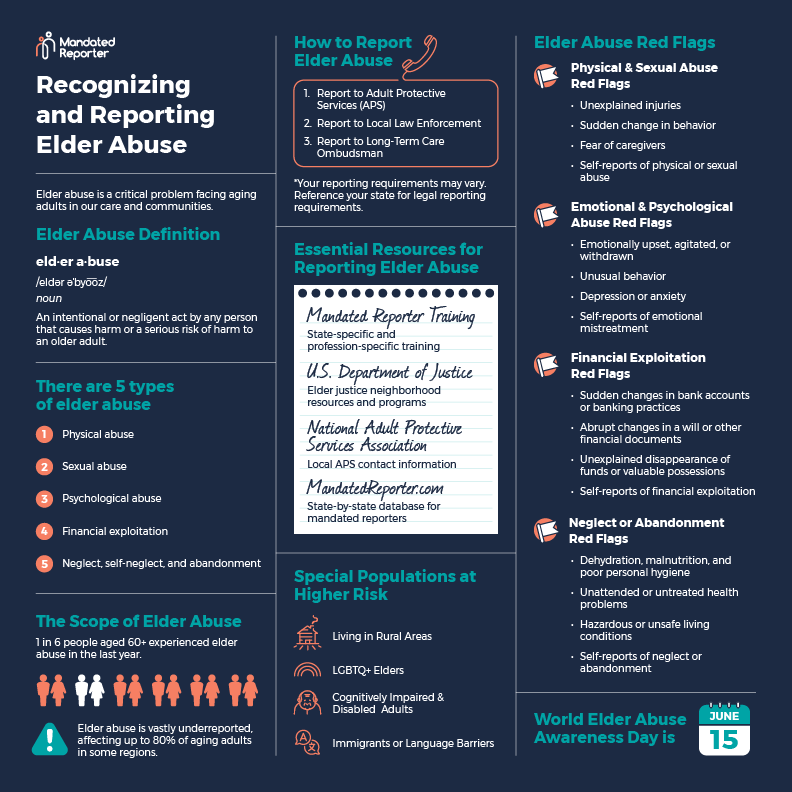
Common forms of elder abuse include:
- Physical abuse, such as hitting, pushing, burning, or improper restraint
- Emotional or psychological abuse, such as threats, insults, humiliation, or isolation
- Sexual abuse, including any unwanted sexual contact
- Financial exploitation, such as stealing money, misusing accounts, or forcing a person to change a will
- Neglect, such as failing to provide food, medicine, hygiene, shelter, or safe care
- Abandonment, such as leaving an older adult without needed support
The Centers for Disease Control and Prevention describes elder abuse as a serious public health issue. It can lead to injury, depression, anxiety, loss of housing, poverty, hospitalization, and early death.
It is also important to understand that poor care is not always abuse. A caregiver may make a mistake because of stress, poor training, or a lack of support. Still, any pattern of harm or unsafe care deserves attention.
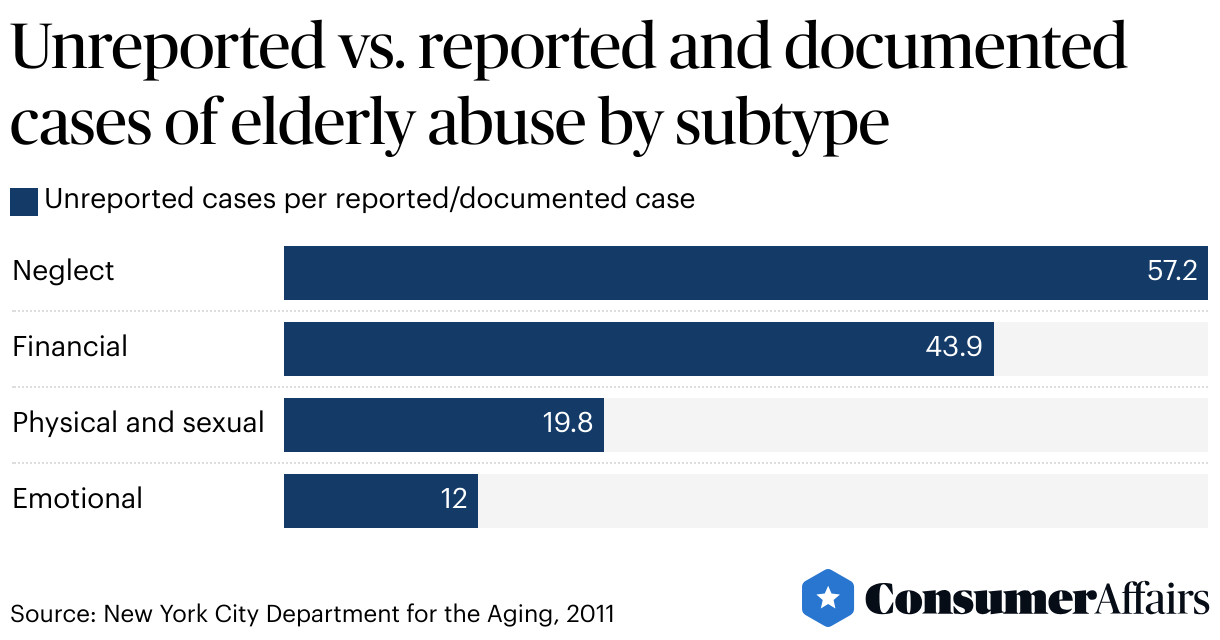
Why Is Elder Abuse Underreported?
The answer is not simple. Most cases do not remain hidden for just one reason. Several barriers often work together, like locked doors that prevent a person from seeking help.
Fear of Retaliation
Many older adults fear that reporting abuse will make the situation worse. They may worry that the abuser will hit them, remove their phone, withhold medicine, or stop helping them with daily tasks.
This fear is especially strong when the abuser controls transportation, meals, money, or access to family members. A person may decide that silence feels safer than facing possible retaliation.
Fear may also affect witnesses. A neighbor, aide, or relative may worry about losing a job or damaging a family relationship if they report suspected abuse.
Dependence on the Abuser
Some older adults rely on the person harming them. The abuser may be a son, daughter, spouse, grandchild, or caregiver.
That person may provide:
- Meals and groceries
- Transportation
- Help with bathing or dressing
- Medication reminders
- Assistance with banking
- Companionship
- A place to live
This creates a painful conflict. Reporting the abuser may mean losing the only person available to provide daily care. The older adult may think, “Who will help me if this person leaves?”
Shame, Guilt, and Embarrassment
Many victims feel ashamed that abuse happened to them. They may believe they should have noticed the warning signs or managed their money better.
When the abuser is a child or spouse, the victim may feel guilty about exposing the family. Some older adults also fear that others will view them as weak, confused, or difficult.
Shame can keep a person from telling a doctor, friend, social worker, or police officer. It can also cause a victim to protect the abuser by making excuses for harmful behavior.
Cognitive or Communication Challenges
Dementia, stroke, hearing loss, speech problems, and mental health conditions can make reporting difficult. An older adult may struggle to explain what happened, remember dates, or identify the person involved.
This does not mean the person’s report should be ignored. In fact, changes in behavior, fear, injuries, or missing money may be important clues even when speech is limited.
Professionals should use simple questions, allow extra time, and speak with the older adult privately when possible. They should not assume that confusion means a person cannot describe abuse.
Social Isolation
An isolated older adult may have no trusted person to contact. The abuser may also block visits, screen phone calls, control email, or spread false stories about the victim.
Isolation removes the witnesses who might notice bruises, unpaid bills, weight loss, or a sudden change in mood. It also allows abuse to continue without challenge.
Regular contact can help. A weekly call, home visit, or video chat may give an older adult a safe chance to speak.
Family Loyalty and Cultural Pressure
Family loyalty can make elder abuse underreported. Some people believe family problems should stay private, even when someone is being harmed.
Cultural beliefs may also shape how a person views outside help. An older adult may fear dishonoring the family or distrust government agencies. Language barriers can make the problem even harder.
These concerns should be met with respect, not judgment. Support workers need to explain that seeking safety is not an attack on the family. It is a way to protect the older adult and, when possible, connect the family with better support.
Financial Control
Financial exploitation is often hidden because victims do not know what happened or fear losing control of their finances. The person taking the money may have access to bank accounts, credit cards, passwords, or legal documents.
Some victims feel embarrassed about being deceived. Others depend on the exploiter for rent, groceries, or bill payments.
Warning signs may include:
- Unpaid bills despite enough income
- New loans or credit cards
- Missing cash or valuables
- Sudden changes to a will or power of attorney
- Unfamiliar names on bank accounts
- Pressure to send money or buy gift cards
- A new “friend” who shows unusual interest in finances
Financial abuse may be reported less often than it occurs because families sometimes view it as a private money dispute. However, taking money through force, deception, or misuse of trust can cause serious harm.
Lack of Awareness
Some victims do not recognize that they are experiencing abuse. They may see insults, threats, or control as normal family behavior.
A person may also believe that neglect is simply part of growing older. This is not true. Aging may create a need for support, but it does not remove a person’s right to dignity, safety, privacy, and informed choice.
Friends and professionals may lack awareness too. A bruise may be blamed on a fall, while sudden anxiety may be blamed on dementia. Without careful questions, abuse can remain invisible.
Limited Reporting Systems
Reporting systems can be confusing. Different situations may involve adult protective services, long-term care ombudsman programs, law enforcement, health departments, licensing agencies, or financial institutions.
A person may not know which agency to call. They may also fear that reporting will lead to forced removal from the home, loss of independence, or placement in a facility.
These concerns are not always unfounded. Protective systems have limits, and outcomes can vary by state and case. Still, a report may open the door to safety planning, medical care, legal help, emergency housing, or financial protection.
Understaffing and Caregiver Burnout
Caregiver stress does not excuse abuse. However, exhaustion, poor training, lack of respite, and understaffing can raise the risk of neglect or harmful behavior.
A caregiver may miss medicine, leave someone unattended, or respond harshly after weeks without rest. Some problems begin as poor care and grow more serious over time.
Families should ask for help before a crisis. Respite care, adult day programs, home health support, support groups, and care planning may reduce pressure and improve safety.
Weak Recognition by Professionals
Doctors, nurses, bank workers, social workers, and emergency responders may see signs of abuse but fail to connect them. A victim may visit a clinic several times without being asked about safety.
Professionals may hesitate because they do not want to accuse a family member without proof. That caution is understandable, but a private, respectful question can reveal important information.
Good screening does not require an accusation. Questions such as “Do you feel safe at home?” and “Has anyone pressured you to give them money?” can help.

How Common Is Elder Abuse?
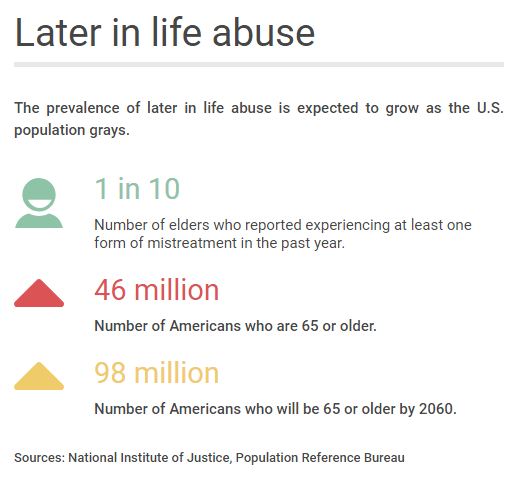
Exact numbers are difficult to establish because elder abuse is underreported. Many studies rely on self-reports, agency records, medical data, or surveys. Each method captures only part of the problem.
The World Health Organization has reported that about one in six people age 60 and older experienced some form of abuse in a community setting during a referenced period. Rates can be higher among older adults living in care facilities or those with cognitive impairment.
These figures should be read with care. They do not mean every country, state, age group, or care setting has the same rate. Definitions also differ. Some studies count financial exploitation, while others focus only on physical, emotional, or sexual harm.
The important point is clear: official reports show only the cases that become visible. The true number is likely higher because many victims never tell anyone.
Signs That Elder Abuse May Be Happening
No single sign proves abuse. A pattern, sudden change, or explanation that does not fit the evidence deserves attention.
Possible physical signs include:
- Unexplained bruises, burns, cuts, or broken bones
- Injuries in different stages of healing
- Frequent falls or repeated emergency visits
- Poor hygiene, dehydration, or sudden weight loss
- Bedsores or untreated medical problems
- Overuse or underuse of medication
Possible emotional signs include:
- Sudden fear around a certain person
- Withdrawal from normal activities
- Depression, anxiety, or unusual sadness
- Changes in sleep or eating
- Nervous behavior when money or care is discussed
- A strong desire to please a caregiver
Possible financial signs include:
- Missing belongings
- Strange bank activity
- Unpaid household bills
- Sudden changes in spending
- New people controlling financial decisions
- Pressure to sign documents
Look for changes from the person’s normal behavior. A caring relative may notice that an older adult becomes quiet whenever a specific caregiver enters the room. That small change can be an important clue.
Why Victims May Protect the Person Abusing Them
It can be hard to understand why a victim would defend an abuser. The answer often involves love, fear, dependence, and hope.
An older adult may remember the person as a loving child or spouse. They may believe the abuse will stop if they stay calm. They may also worry that the abuser will go to jail, lose a job, or become homeless.
This is why blaming the victim is harmful. Statements such as “Why did you let this happen?” can increase shame and silence. A better response is, “I believe you,” “You do not deserve this,” and “Let’s think about a safe next step.”
When helping someone, avoid demanding immediate action. Safety planning should consider housing, medication, money, transportation, communication, pets, and the victim’s wishes.
What to Do If You Suspect Elder Abuse
If an older adult faces immediate danger, call 911 in the United States. Do not confront the suspected abuser if doing so could increase the risk.
For nonemergency concerns, consider these steps:
-
Speak with the older adult privately. Use calm, direct questions and listen without judgment.
-
Record facts. Write down dates, injuries, statements, missing funds, and names of possible witnesses.
-
Report suspected abuse. Contact Adult Protective Services through the appropriate state or local office. In a nursing home or assisted living setting, contact the state long-term care ombudsman program.
-
Contact the right professional. A doctor, nurse, social worker, bank fraud team, or attorney may help with medical, financial, or legal concerns.
-
Protect communication. Use a safe phone, private email, or trusted contact if the abuser monitors devices.
-
Avoid promises you cannot keep. Do not say that everything will remain secret if a safety report is required.
-
Respect the older adult’s voice. If the person has decision-making capacity, include them in choices about care and reporting.
In cases involving dementia or reduced capacity, professionals may need to balance autonomy and protection. This is one reason a social worker, medical professional, or elder law attorney can be helpful.
How to Make Elder Abuse Easier to Report
Reducing elder abuse underreporting requires changes at home, in health care, and in public systems.
Families can help by:
- Staying in regular contact
- Reviewing bills with permission
- Knowing the older adult’s care plan
- Watching for sudden behavior changes
- Offering respite to family caregivers
- Talking openly about safety and boundaries
Care organizations can help by:
- Training staff to recognize abuse
- Creating private reporting options
- Checking complaints without retaliation
- Maintaining safe staffing levels
- Including older adults in care decisions
- Tracking repeated injuries or unexplained events
Communities can help by:
- Providing accessible hotlines
- Offering language services
- Supporting transportation and social programs
- Teaching financial safety
- Making reports simple and confidential when possible
A useful lesson from reviewing abuse reports is that small details often matter. A missed call, a new caregiver, or an unexplained bank withdrawal may seem minor alone. Several small changes together can form a clear pattern.
One mistake to avoid is waiting for perfect proof. You do not need to investigate like police before raising a concern. Report facts, explain why they worry you, and let trained professionals assess the situation.

The Role of Health Care and Financial Professionals
Professionals often have a unique chance to notice elder abuse. They may see injuries, medication problems, confusion, unpaid bills, or a caregiver who refuses to leave the room.
A private conversation is essential. An older adult may not speak honestly if the suspected abuser is present.
Professionals can ask:
- “Do you feel safe where you live?”
- “Has anyone hurt, threatened, or frightened you?”
- “Has anyone used your money without permission?”
- “Do you have enough food, medicine, and help?”
- “Is there anything you want to tell me in private?”
Bank employees may notice unusual withdrawals, new account users, or pressure from another person. They can follow internal procedures, document concerns, and contact appropriate agencies when the law allows or requires it.
Professionals must also recognize the limits of screening. A person may deny abuse because of fear, and a single conversation may not reveal the full picture. Continued contact and careful documentation can make later disclosure more likely.
Frequently Asked Questions About Why Is Elder Abuse Underreported
Why is elder abuse underreported by victims?
Victims may fear retaliation, losing their caregiver, being moved from their home, or causing family conflict. Shame, dependence, health problems, and confusion can also make reporting feel unsafe.
Is financial exploitation a form of elder abuse?
Yes. Financial exploitation includes stealing money, misusing property, forcing financial decisions, or deceiving an older adult for personal gain. It may be committed by relatives, caregivers, strangers, or trusted professionals.
Can an older adult report abuse if they have dementia?
Yes. A person with dementia should still be heard and treated with respect. Professionals can use simple questions, observe behavior, and involve trusted advocates while considering the person’s decision-making ability.
What should I do if I suspect elder abuse but have no proof?
Document what you observed and report the concern to the proper agency or professional. You do not need to prove the abuse yourself, but you should provide clear facts and explain why you believe the older adult may be at risk.
Does reporting elder abuse always remove the older adult from home?
No. Many responses focus on safety planning, medical care, financial protection, counseling, or caregiver support. The outcome depends on the danger, the older adult’s wishes, decision-making ability, and local laws.
Who should I call about suspected elder abuse in the United States?
Call 911 if there is immediate danger. For other concerns, contact your state or local Adult Protective Services agency, a long-term care ombudsman for facility issues, or a trusted health care or social service professional.
Why do witnesses fail to report elder abuse?
Witnesses may doubt what they saw, fear making a mistake, or worry about family conflict and job loss. Some also believe the situation is a private matter, even when the older adult may be unsafe.
Conclusion
Elder abuse is underreported because victims may fear retaliation, depend on the abuser, feel ashamed, face health challenges, or lack a safe way to speak. Isolation, financial control, family loyalty, and gaps in reporting systems can hide harm for months or years.
You can help by staying connected, listening without blame, noticing patterns, documenting facts, and seeking guidance early. If someone is in immediate danger, call 911. For other concerns, contact Adult Protective Services or a trusted professional.
A calm question can open a locked door: “Do you feel safe?” Learn more about local elder protection services, share this information with someone you trust, and take action when something does not seem right.

Michael Reynolds is a senior contributor at RetirementGazette.com, where he focuses on helping readers navigate the journey toward a secure and fulfilling retirement. With over a decade of experience in personal finance, retirement planning, and lifestyle writing, Michael combines practical strategies with easy-to-understand guidance tailored for both pre-retirees and those already enjoying their golden years.