Medicare, Social Security, SSI, Medicaid, SNAP, housing aid, and veterans benefits support millions of older Americans.
Knowing what government programs are available for seniors can make retirement safer, healthier, and less stressful. The right program may help pay for medical care, food, housing, utilities, transportation, or daily support. This guide explains the main options, who may qualify, how to apply, and which mistakes to avoid.
What Government Programs Are Available for Seniors?
What government programs are available for seniors depends on age, income, health, work history, disability, military service, and where you live. Some programs are open to nearly all older adults, while others are based on financial need.
The main government programs for seniors include:
• Social Security retirement benefits for eligible workers and spouses
• Medicare health insurance for most people age 65 and older
• Medicaid for people with limited income and resources
• Supplemental Security Income, also called SSI
• Supplemental Nutrition Assistance Program, or SNAP
• Section 8 and other affordable housing programs
• Low Income Home Energy Assistance Program, known as LIHEAP
• Veterans benefits and VA health care
• Medicare Savings Programs and Extra Help
• Free or low-cost transportation, meals, and caregiver support
• Tax relief programs for older homeowners and renters
The programs may work together. For example, a person may receive Social Security, use Medicare for health care, qualify for SNAP, and receive help with utility bills.

Social Security Retirement Benefits
Social Security retirement benefits provide monthly income based on a person’s work record. Workers earn credits by paying Social Security taxes during their careers. In most cases, a person needs 40 work credits to qualify for retirement benefits.
You can usually start benefits between age 62 and 70. Starting early may result in a smaller monthly payment. Waiting beyond your full retirement age can increase your monthly benefit until age 70.
Your full retirement age depends on your birth year. The Social Security Administration provides an online estimate of your benefit amount and explains how claiming at different ages may affect your income.
Social Security can also support:
• Spouses
• Former spouses who meet certain rules
• Surviving spouses
• Dependent children in some cases
• People with qualifying disabilities
Social Security is not designed to cover every retirement expense. It is often one part of a larger plan that may include savings, a pension, housing support, or other benefits.
Practical Social Security tips
Apply several months before you want benefits to begin. Keep copies of your earnings record, tax forms, marriage records, and other key documents.
A common mistake is claiming benefits without checking the long-term effect. If you are healthy and can afford to wait, delaying benefits may provide more monthly income later. However, personal health, family needs, taxes, and other income matter.

Medicare Health Insurance for Seniors
Medicare is one of the most important answers to the question, what government programs are available for seniors? It is federal health insurance mainly for people age 65 and older.
Medicare has several parts:
• Part A helps cover hospital care, skilled nursing facility care, hospice care, and some home health care
• Part B helps cover doctor visits, outpatient care, preventive services, medical equipment, and some tests
• Part C, also called Medicare Advantage, is offered by private insurers approved by Medicare
• Part D helps pay for prescription drugs
Original Medicare includes Part A and Part B. Many people add a Part D drug plan and a Medicare Supplement Insurance policy, often called Medigap.
Medicare Advantage plans may combine hospital, medical, and drug coverage. Some plans also offer dental, vision, hearing, fitness, or transportation benefits. These extras vary by plan and location.
Medicare does not pay for every service. Long-term custodial care, routine dental care, hearing aids, and eyeglasses may have limited or no coverage under Original Medicare.
Medicare enrollment periods
Most people first enroll around age 65. Missing the correct enrollment window can lead to late enrollment penalties or gaps in coverage.
Important enrollment periods include:
• Initial Enrollment Period: The seven month period around your 65th birthday
• Annual Election Period: Usually October 15 through December 7
• Medicare Advantage Open Enrollment Period: Usually January 1 through March 31
• Special Enrollment Periods: Available after certain life events, such as losing employer coverage
Review your plan each year. Drug prices, provider networks, deductibles, and benefits may change.

Medicaid and Medicare Savings Programs
Medicaid is a joint federal and state program. It helps eligible people pay for medical care, long-term services, nursing home care, and other health needs.
Medicaid rules vary by state. Eligibility may consider income, assets, age, disability, household size, and medical needs. Some states have expanded coverage, while others use different rules for older adults.
A person can have both Medicare and Medicaid. This person is often called a “dual eligible” beneficiary. Medicare usually pays first, while Medicaid may help with premiums, deductibles, copayments, and services that Medicare does not cover.
Medicare Savings Programs can help qualified Medicare beneficiaries pay some Medicare costs. The main categories include:
• Qualified Medicare Beneficiary, which may help pay Part A and Part B premiums, deductibles, coinsurance, and copayments
• Specified Low Income Medicare Beneficiary, which may help pay the Part B premium
• Qualifying Individual, which may also help pay the Part B premium
• Qualified Disabled and Working Individual, which may help some disabled workers pay the Part A premium
Income and asset limits apply. The limits can change each year, and some states count resources differently.
Why applications are worth trying
Many seniors assume they earn too much or own too much to qualify. That assumption can be costly. Rules differ by program, and some resources may not count in the way people expect.
When helping readers understand what government programs are available for seniors, I often stress one simple lesson: do not self deny. Ask the state Medicaid office or a benefits counselor to review your situation.

Supplemental Security Income
Supplemental Security Income provides monthly payments to people who have limited income and resources and who are:
• Age 65 or older
• Blind
• Living with a qualifying disability
SSI is different from Social Security retirement benefits. You may qualify for SSI even if you have little or no work history. Some people receive both Social Security and SSI.
The federal SSI payment amount can change each year. Some states add a supplemental payment. The amount you receive depends on income, living arrangements, and other factors.
SSI has strict financial rules. Countable resources generally must remain under a set limit, although some items may not count. A home you live in and one vehicle used for transportation may receive different treatment from cash or investment accounts.
Report changes promptly. Changes in income, household members, address, or living arrangements can affect SSI. Failing to report changes may create an overpayment that you must repay.

SNAP Food Assistance
The Supplemental Nutrition Assistance Program helps eligible households buy food. SNAP benefits are placed on an electronic benefit transfer card, which works much like a debit card at approved stores.
SNAP can help pay for items such as:
• Fruits and vegetables
• Meat, poultry, and fish
• Dairy products
• Bread and cereals
• Seeds and plants that produce food
SNAP generally does not cover alcohol, tobacco, vitamins, hot prepared meals, or nonfood items. Some states offer special programs that make it easier for older adults to apply.
Seniors may qualify for simplified SNAP applications or special deductions. Medical expenses above a certain amount may affect eligibility when properly documented. Allowable medical costs can include some prescriptions, health insurance premiums, medical equipment, and transportation to medical care.
Apply through your state SNAP agency. You may need proof of income, housing costs, identity, and medical expenses.
One practical tip is to keep receipts and benefit letters in one folder. Small costs can matter when a program reviews your household budget.
Housing Assistance for Older Adults
Housing costs can take up most of a senior’s monthly income. Several government programs may help reduce rent or provide affordable housing.
Common options include:
Section 8 Housing Choice Vouchers
Housing Choice Vouchers help eligible households pay part of their rent in privately owned housing. The tenant usually pays a portion of income toward rent, while the program pays the approved share to the landlord.
Local housing authorities manage applications. Waiting lists may be long, so apply as soon as possible.
Public housing
Public housing provides affordable apartments or homes managed by a local housing authority. Eligibility usually depends on income, household size, citizenship or eligible immigration status, and local rules.
Section 202 housing
The Section 202 Supportive Housing for the Elderly program helps provide affordable housing for very low income seniors. Some properties offer transportation, community rooms, meal programs, or service coordination.
Housing counseling and foreclosure help
Approved housing counselors may help seniors understand rental rights, mortgage issues, reverse mortgages, and foreclosure risks. Their advice can help prevent costly decisions.
When reviewing what government programs are available for seniors, remember that housing assistance is local. A federal program may have different waiting lists, income limits, and application rules in each county.

Utility and Home Energy Assistance
The Low Income Home Energy Assistance Program helps eligible households pay heating or cooling costs. Some states also use these funds for crisis help, utility shutoff prevention, or limited home energy repairs.
LIHEAP may assist with:
• Electric bills
• Natural gas bills
• Heating oil
• Propane
• Emergency utility payments
• Energy related home repairs in some areas
Eligibility rules vary by state. Income, household size, energy costs, and the presence of an older adult or person with a disability may affect priority.
Apply through your state or local LIHEAP office. Do not wait until the day before a shutoff. Emergency funds may be limited, and processing can take time.
Other possible savings include utility company discount programs, weatherization assistance, and state property tax relief. Contact your local aging office for programs in your area.

Veterans Benefits for Seniors
Veterans may qualify for benefits through the Department of Veterans Affairs. Eligibility depends on service history, discharge status, disability, income, age, and other factors.
Potential benefits include:
• VA health care
• Disability compensation
• Veterans pension
• Aid and Attendance benefits
• Housebound benefits
• Prescription services
• Hearing and vision care in certain situations
• Homemaker and home health services
• Respite care
• Caregiver support
Aid and Attendance may provide additional monthly payments to eligible veterans or surviving spouses who need help with daily activities. It is not automatic, and the application requires detailed information.
Be cautious with companies that promise fast approval for a large fee. Start with an accredited veterans service officer, a VA medical center, or an official VA benefits office.
Military records, medical records, marriage certificates, and financial documents may support an application. Keep copies of everything you submit.

Prescription Drug Savings and Extra Help
Medicare’s Extra Help program reduces prescription drug costs for people with limited income and resources. It may help with premiums, deductibles, and copayments for Medicare Part D coverage.
Eligibility rules and benefit amounts can change. Some people qualify automatically because they receive Medicaid, SSI, or a Medicare Savings Program. Others must apply.
Extra Help is especially useful for seniors who take several medications. Even a small reduction in each prescription cost can add up over a year.
Compare drug plans during the Medicare enrollment period. A plan that worked well last year may have different drug prices or a changed pharmacy network this year.
Use your plan’s preferred pharmacies when possible. Ask your doctor whether a generic or lower-cost alternative is safe and suitable. Never stop a medicine because of cost without speaking with a health professional.
Programs for Meals, Transportation, and Care
The Older Americans Act supports services that help seniors remain independent. These services are often offered through state and local aging agencies.
Available services may include:
• Meals at senior centers
• Home delivered meals
• Transportation to medical appointments
• Friendly visitor programs
• Caregiver support
• Adult day services
• Legal assistance
• Health education
• Benefits counseling
• Fall prevention programs
These services may not provide direct cash. However, they can reduce daily expenses and help prevent isolation, poor nutrition, and avoidable hospital visits.
Most local programs serve people age 60 and older, but rules differ. Some give priority to people with low income, disabilities, limited transportation, or limited family support.
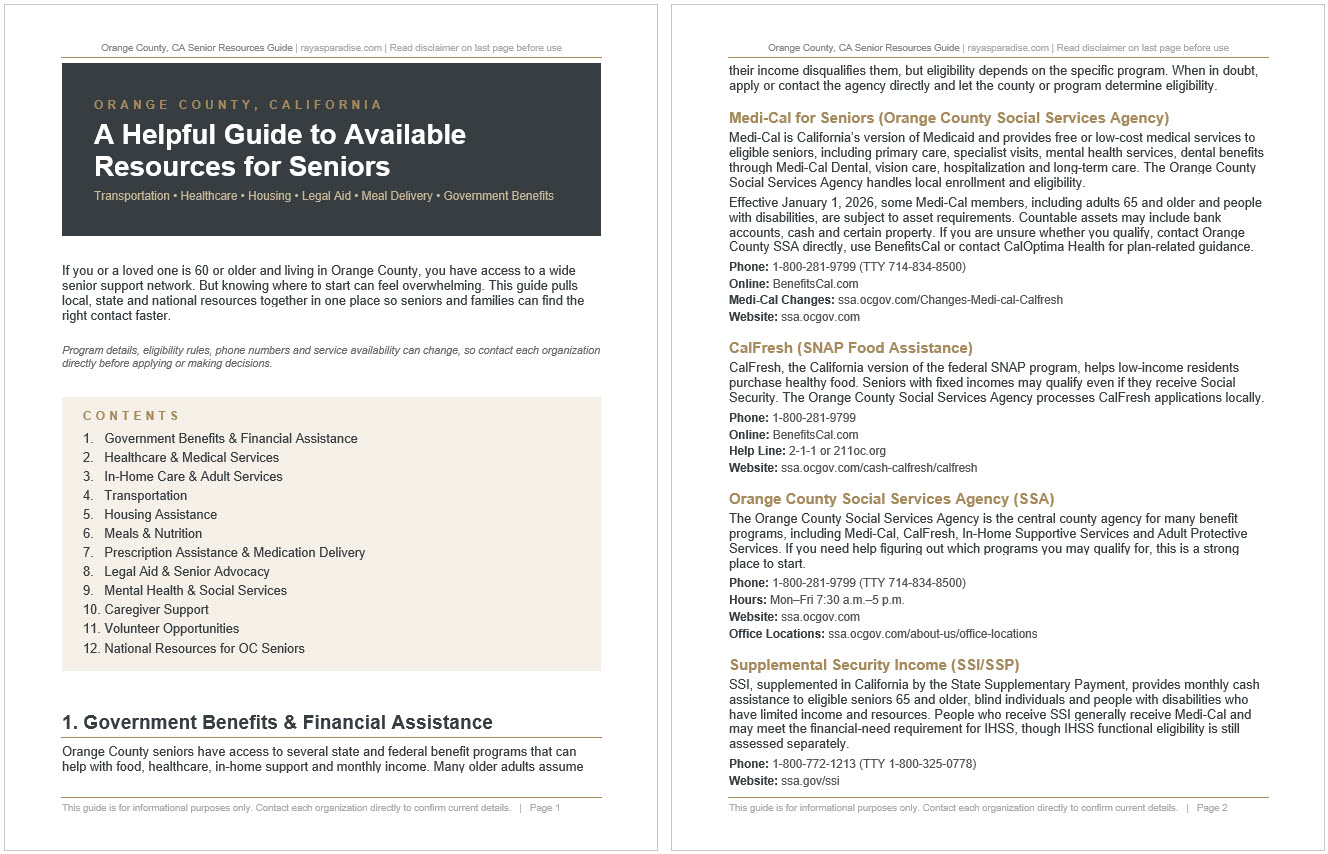
Call the national aging information line at 1-800-677-1116 or contact your local Area Agency on Aging. A trained specialist can help identify what government programs are available for seniors in your county.
Internet and Phone Discounts
The Lifeline program helps eligible low income households reduce the cost of phone or internet service. A person may qualify through SNAP, Medicaid, SSI, Federal Public Housing Assistance, or another approved program.
Lifeline generally allows one benefit per household, not one benefit per person. Participating companies and service options vary by location.
Reliable phone and internet access can help seniors:
• Contact doctors
• Refill prescriptions
• Apply for benefits
• Reach family members
• Call emergency services
• Attend telehealth visits
Watch for scams. Government programs do not require you to pay a stranger for a special application link. Use official program websites or trusted local agencies.
Tax Relief for Seniors
Tax programs are another part of what government programs are available for seniors. Federal, state, county, and city governments may offer tax benefits based on age, income, disability, home ownership, or rent.
Possible benefits include:
• Federal tax credits
• State income tax exemptions
• Property tax freezes
• Property tax reductions
• Rent rebates
• Tax deferral programs
• Free tax preparation
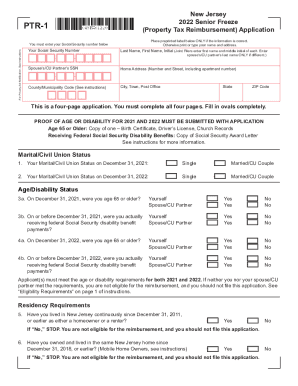
The Credit for the Elderly or the Disabled may apply to some taxpayers who meet age, income, and disability rules. Eligibility is specific, so do not assume that receiving Social Security alone qualifies you.
The Volunteer Income Tax Assistance program and Tax Counseling for the Elderly program may offer free tax help to qualifying people. Use a trained volunteer or a licensed tax professional for complex issues.
Tax rules change often. Check current federal and state instructions before filing.
How to Apply for Senior Assistance Programs
Applying for benefits can feel like walking through a maze. A simple plan makes it easier.
1. Make a benefits checklist
Write down your needs first. You may need help with:
• Health insurance
• Prescription drugs
• Food
• Rent or mortgage payments
• Utilities
• Transportation
• Personal care
• Taxes
• Veteran services
This list helps you find programs beyond the first benefit you hear about.
2. Gather important documents
Common documents include:
• Government issued identification
• Social Security number
• Proof of address
• Social Security or pension statements
• Bank statements
• Rent or mortgage records
• Utility bills
• Medical expense records
• Insurance premium information
• Military discharge papers
Do not mail original documents unless an agency specifically requires them.
3. Use official application channels
Apply through federal, state, county, or tribal agencies. A local Area Agency on Aging can help you find the correct office.
Avoid websites that ask for unusual fees, gift cards, banking passwords, or cryptocurrency. Government agencies may charge some legitimate fees in limited situations, but benefit applications are often free.
4. Track every application
Write down:
• The date you applied
• The agency name
• Your confirmation number
• The name of the person you spoke with
• Any deadline for missing documents
Follow up if you do not receive a decision within the stated time.
5. Appeal a denial
A denial is not always the final answer. Read the notice carefully. It should explain the reason and the appeal deadline.
Submit missing proof, correct errors, or request a fair hearing when appropriate. Get help from a legal aid office, benefits counselor, or senior advocacy group.
How to Avoid Common Benefits Mistakes
Even qualified seniors may miss help because of small errors. The most common problems are avoidable.
• Waiting too long: Some programs have limited enrollment periods or long waiting lists.
• Ignoring renewal notices: Benefits can stop if you do not complete a renewal on time.
• Failing to report changes: A new address, income change, or household change may affect eligibility.
• Not documenting medical costs: Keep proof of prescriptions, insurance premiums, and transportation costs.
• Assuming every program uses the same rules: Medicare, Medicaid, SNAP, SSI, and housing programs have different standards.
• Paying an unnecessary middleman: Many applications are free through official agencies.
• Giving out personal information: Confirm that you are dealing with a trusted government office.
• Choosing a Medicare plan without comparing it: Check premiums, drug coverage, doctors, and out of pocket costs.
A helpful habit is to create a yearly benefits review. Look at health coverage, drug plans, food support, energy aid, taxes, and housing costs at least once a year.
What If a Senior Needs Help Applying?
A senior may need help because of poor health, limited mobility, language barriers, memory problems, or lack of internet access. Assistance is available.
Possible helpers include:
• State health insurance assistance counselors
• Area Agencies on Aging
• Social Security representatives
• Medicaid caseworkers
• Community action agencies
• Legal aid offices
• Veterans service officers
• Hospital social workers
• Licensed insurance counselors
A trusted family member may help organize documents or attend an appointment. The senior should understand what is being submitted whenever possible.
If someone needs to act on another person’s behalf, the agency may require an authorized representative form, power of attorney, or other proof. Do not share a senior’s Social Security number or medical details casually.
Frequently Asked Questions About What Government Programs Are Available for Seniors
What is the most important government program for seniors?
Medicare and Social Security are among the most important programs for many older adults. However, Medicaid, SNAP, SSI, housing assistance, utility aid, and local aging services may be just as important for people with limited income.
Can seniors receive Social Security and SSI at the same time?
Yes, some people receive both programs. Social Security may count as income when SSI eligibility and payment amounts are calculated.
Do seniors with Medicare qualify for Medicaid?
Some Medicare beneficiaries also qualify for Medicaid. Eligibility depends on state rules, income, assets, disability, and medical needs.
Can seniors get food assistance through SNAP?
Yes, eligible seniors can receive SNAP benefits. Income, household expenses, medical costs, and state rules affect eligibility.
Is there government help with rent for seniors?
Yes, seniors may qualify for public housing, Section 8 Housing Choice Vouchers, or affordable senior housing. Applications are handled locally, and waiting lists may be long.
How can seniors get help paying utility bills?
Eligible seniors may receive help through LIHEAP or state utility discount programs. Contact your state energy assistance office before a shutoff becomes urgent.
Are veterans eligible for special senior benefits?
Some veterans and surviving spouses may qualify for VA health care, pension, Aid and Attendance, or other services. Eligibility depends on service history, medical needs, income, and other rules.
Where can seniors find local benefit programs?
Contact your local Area Agency on Aging or call 1-800-677-1116. These offices can explain what government programs are available for seniors in your community.
Conclusion
What government programs are available for seniors includes far more than Social Security and Medicare. Older adults may also qualify for Medicaid, SSI, SNAP, housing help, utility assistance, prescription savings, veterans benefits, transportation, meals, tax relief, and caregiver services.
Eligibility rules vary, and programs often work together. Start by listing your needs, gathering your documents, and contacting trusted government or aging agencies. Explore your options today, and share this guide with a senior, caregiver, or family member who may need support.

Michael Reynolds is a senior contributor at RetirementGazette.com, where he focuses on helping readers navigate the journey toward a secure and fulfilling retirement. With over a decade of experience in personal finance, retirement planning, and lifestyle writing, Michael combines practical strategies with easy-to-understand guidance tailored for both pre-retirees and those already enjoying their golden years.