Women need more protein with age to protect muscle, bones, strength, recovery, and daily independence.
Understanding why do women need more protein as they age can make healthy eating much easier. Muscle loss, hormonal changes, lower appetite, and slower recovery can all raise protein needs over time. This guide explains the science, practical protein targets, best foods, common mistakes, and simple ways to build a stronger diet.
Why do women need more protein as they age?
Protein helps build and repair muscle, skin, organs, enzymes, hormones, and immune cells. It is made from amino acids, which act like tiny building blocks in the body. Without enough of these building blocks, the body may break down muscle to meet its needs.
The answer to why do women need more protein as they age starts with a process called anabolic resistance. As people grow older, their muscles may respond less strongly to a small serving of protein. In simple terms, the same meal may not stimulate muscle repair as well as it did in young adulthood.
This does not mean older muscles stop responding. It means they often need:
• A little more protein at each meal
• High-quality protein sources
• Regular resistance exercise
• Enough calories to support recovery
Women may also face a faster loss of muscle during and after menopause. Lower estrogen levels can affect muscle maintenance, bone health, fat storage, and recovery. Protein cannot replace medical care or exercise, but it can support these areas as part of a complete plan.
The answer to why do women need more protein as they age also involves daily function. Strong muscles help with climbing stairs, carrying groceries, getting up from a chair, and keeping balance. These simple tasks are closely linked to independence and quality of life.

How aging changes a woman’s protein needs
Protein needs do not rise because women suddenly become unhealthy at a certain age. They rise because the body’s ability to use protein can change. Appetite, digestion, activity, hormones, and health conditions may also shift.
Here are key changes that may affect protein needs:
• Muscle loss: Adults can lose muscle with age, especially when they are inactive or recovering from illness.
• Menopause: Changes in estrogen may affect muscle protein turnover and bone strength.
• Lower appetite: Some women feel less hungry or fill up more quickly.
• Reduced activity: Pain, fatigue, or a busy schedule may lead to less movement and less muscle stimulus.
• Recovery needs: Illness, surgery, injury, and wounds can increase the need for tissue repair.
• Lower calorie intake: Eating less food can make it harder to obtain enough protein.
A woman may eat the same amount of protein she ate at 35, yet receive less benefit from it at 65. This is one reason why do women need more protein as they age is an important nutrition question.
Protein also supports bone health. Bones are not made only of minerals. They contain a protein framework that gives minerals a structure to attach to. Adequate protein, calcium, vitamin D, and strength training work together to support bone health.

How much protein do women need as they age?
The standard minimum recommendation for healthy adults is about 0.8 grams of protein per kilogram of body weight each day. This amount may prevent deficiency, but many experts believe it may not be ideal for preserving muscle in older adults.
Research on aging and nutrition often supports a range of about 1.0 to 1.2 grams per kilogram per day for many healthy older adults. Some active women or those recovering from illness may need more, often around 1.2 to 1.6 grams per kilogram. Personal needs vary.
To convert body weight from pounds to kilograms, divide pounds by 2.2.
For example, a 150-pound woman weighs about 68 kilograms:
• At 0.8 grams per kilogram: about 54 grams of protein daily
• At 1.0 gram per kilogram: about 68 grams daily
• At 1.2 grams per kilogram: about 82 grams daily
• At 1.4 grams per kilogram: about 95 grams daily
These numbers are examples, not prescriptions. A woman with kidney disease, liver disease, diabetes, cancer, or another medical condition should ask a qualified health professional before making a major change.
Instead of focusing only on a daily total, spread protein across the day. Many older women eat very little protein at breakfast and lunch, then eat most of it at dinner. A more even pattern may better support muscle repair.
A practical target for many women is 25 to 30 grams of protein at three meals. A small protein-rich snack can help fill the gap when needed.
Best protein foods for older women
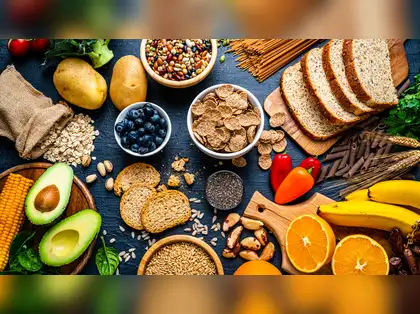
The best protein source is one that fits your health needs, culture, budget, and taste. Both animal and plant proteins can support healthy aging.
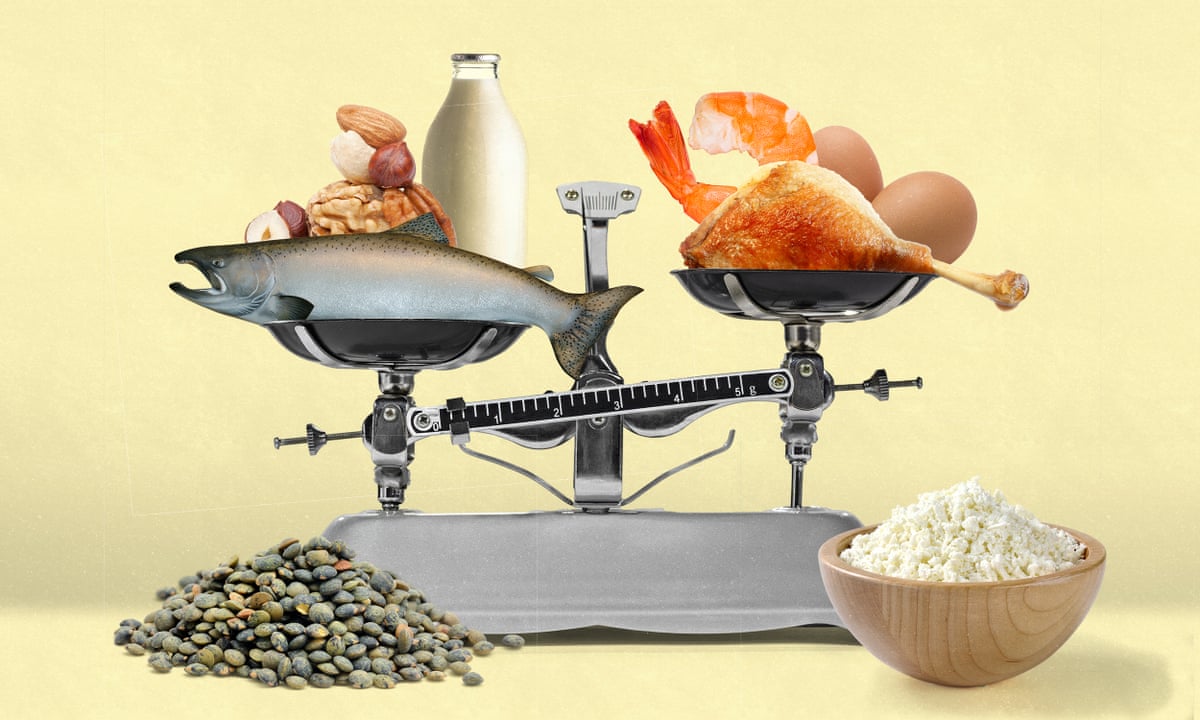
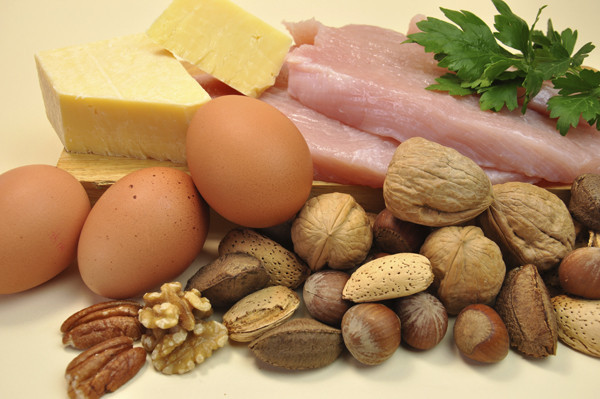
Animal foods often provide all nine essential amino acids. They also tend to contain a useful amount of leucine, an amino acid that helps signal muscle protein building.
Good options include:
• Greek yogurt or skyr
• Cottage cheese
• Eggs
• Chicken or turkey
• Fish and seafood
• Lean beef or pork
• Milk
• Fortified soy milk
Plant foods can work well too. Some plant proteins have less of one or more essential amino acids, but eating a variety of foods across the day can provide what the body needs.
Useful plant sources include:
• Tofu and tempeh
• Edamame
• Lentils
• Black beans and other beans
• Chickpeas
• Peas
• Seitan
• Quinoa
• Nuts and seeds
• Soy yogurt
A simple meal could include salmon, roasted vegetables, and a small baked potato. A plant-based meal could include tofu, brown rice, and edamame with vegetables.
Protein powders are optional. They can help when appetite is low, chewing is difficult, or cooking feels tiring. Choose a product with clear labeling and avoid products that make extreme promises.

How to spread protein across the day
A protein-rich breakfast can be a major improvement for women who usually start the day with coffee and toast. Breakfast does not need to be large. It only needs a useful protein source.
Try these simple ideas:
• Greek yogurt with berries and chia seeds
• Two eggs with whole-grain toast
• Cottage cheese with fruit
• A smoothie with milk or fortified soy milk
• Tofu scramble with vegetables
Lunch can include a tuna salad, lentil soup, chicken wrap, bean bowl, or leftover fish. Adding beans, cheese, tofu, or yogurt to a meal can raise protein without much extra work.
Dinner often contains enough protein, but it should not carry the whole day. A palm-sized serving of fish, poultry, lean meat, tofu, or tempeh can provide a strong base.
Snacks may help women who struggle to eat large meals. Consider:
• A glass of milk
• Edamame
• String cheese
• Roasted chickpeas
• A boiled egg
• Greek yogurt
• Peanut butter on whole-grain toast
The reason why do women need more protein as they age is not simply about eating more meat. It is about giving the body regular access to amino acids. Small, steady steps are often easier than trying to change everything at once.
Protein, strength training, and muscle health
Protein works best when paired with resistance exercise. Strength training tells the muscle, “This tissue is needed.” Protein then supplies materials for repair and growth.
Women do not need to become bodybuilders to benefit. Two or more weekly sessions can help, based on fitness level and medical advice. Exercises may include:
• Chair squats
• Wall pushups
• Resistance band rows
• Step-ups
• Light dumbbell presses
• Calf raises
• Carrying groceries safely
Start with a level that feels manageable. Good form matters more than heavy weight. A physical therapist or certified trainer can help women with joint pain, osteoporosis, balance concerns, or previous injuries.
Eating protein after exercise may support recovery. A meal with 20 to 30 grams of protein within a few hours of training is a simple option. The exact timing matters less than getting enough protein across the entire day.
One common mistake is eating more protein while staying completely inactive. Protein alone cannot fully prevent age-related muscle loss. Think of protein as the bricks and strength training as the building plan.
Common mistakes that reduce protein intake
Many women know protein matters but still fall short. The problem is often not a lack of effort. It may come from habits that developed over many years.
Common mistakes include:
• Eating a very small breakfast with little protein
• Treating vegetables and fruit as a complete meal
• Choosing low-protein snacks all day
• Avoiding all protein because of fear of weight gain
• Depending on processed protein bars for most meals
• Eating less during illness without planning replacements
• Forgetting that plant-based meals need protein sources
• Making a sudden, very large diet change
Protein contains calories, so portion size still matters. Eating more protein does not automatically cause weight loss or better health. Total calories, food quality, sleep, movement, and medical conditions also matter.
Another mistake is ignoring chewing or swallowing problems. Dental pain, dry mouth, or difficulty swallowing can make protein foods less appealing. Soft foods such as yogurt, eggs, fish, tofu, beans, and smoothies may be easier to manage.
A useful lesson from nutrition counseling is to improve one meal first. For example, adding yogurt at breakfast may be more realistic than planning a completely new menu. Small changes can become lasting habits.

Protein needs during menopause and beyond
Menopause is a key reason why do women need more protein as they age. Estrogen changes may affect muscle, fat distribution, bone turnover, and physical recovery. These changes do not mean muscle loss is unavoidable.
A balanced menopause nutrition plan may include:
• Protein at each meal
• Calcium-rich foods
• Vitamin D from food, supplements when advised, and safe sunlight exposure
• Resistance exercise
• Walking or other weight-bearing activity
• Adequate sleep
• Enough total calories
Some women gain weight during menopause and respond by eating far too little. Severe restriction can reduce muscle along with body fat. A slower, balanced approach may better protect strength.
Protein can also support fullness. This may help some women manage appetite, but protein is not a magic weight-loss food. A healthy pattern should include vegetables, fruit, whole grains, healthy fats, and enjoyable foods.
Hormone therapy decisions belong with a health care professional. Nutrition can support health during menopause, but it should not be used as a replacement for treatment when treatment is needed.

When high-protein diets may not be safe
More protein is not always better. Women with chronic kidney disease may need a specific protein plan. The right amount can depend on kidney function, treatment, body size, age, and overall health.
Speak with a doctor or registered dietitian before increasing protein significantly if you have:
• Kidney disease
• Liver disease
• A history of kidney stones
• Heart failure
• Cancer or recent surgery
• Diabetes with kidney complications
• Difficulty swallowing
• Unexplained weight loss
• A very low appetite
Some supplements may also interact with medicines or contain added sugar, stimulants, or excess vitamins. Food labels matter. Choose products with simple ingredients and avoid claims such as “detox,” “melt fat,” or “reverse aging.”
Older women may also need more fluids and fiber. A high-protein diet that replaces fruits, vegetables, beans, and whole grains can cause constipation and reduce diet quality.
The safest answer to why do women need more protein as they age includes personal care. Protein goals should match health status, activity, kidney function, and medical guidance.

A simple one-day protein plan
This sample plan shows how protein can fit into normal meals. It is not a medical diet and can be adjusted for allergies, culture, budget, and personal needs.
Breakfast:
• Greek yogurt with berries, oats, and walnuts
Lunch:
• Lentil soup with whole-grain toast and a side salad
Snack:
• Cottage cheese with sliced peaches
Dinner:
• Baked salmon, quinoa, and roasted vegetables
A plant-based version could use fortified soy yogurt, tofu, edamame, lentils, and tempeh. The goal is not perfection. The goal is a steady protein source at each meal.
You can also use a simple plate check:
-
Choose a protein food.
-
Add vegetables or fruit.
-
Add a whole grain or starchy food.
-
Include a healthy fat when appropriate.
-
Drink water throughout the day.
This pattern can make why do women need more protein as they age easier to apply in real life. You do not need complicated recipes or expensive products.
Frequently Asked Questions About Why Do Women Need More Protein as They Age
Why do women need more protein as they age?
Women may need more protein because aging can reduce muscle response to small protein servings. Menopause, lower activity, reduced appetite, and recovery from illness can also increase the need to protect muscle and strength.
How much protein should a woman over 60 eat?
Many healthy older women may benefit from about 1.0 to 1.2 grams of protein per kilogram of body weight daily. Active women or those recovering from illness may need more, but a health professional should guide women with kidney or other chronic disease.
Can protein prevent muscle loss after menopause?
Protein can help support muscle, but it works best with resistance training and enough total calories. It cannot fully prevent muscle loss on its own.
Is plant protein enough for older women?
Yes, plant protein can support healthy aging when meals include varied sources such as soy, beans, lentils, peas, nuts, and seeds. Eating a mix of plant proteins across the day helps provide essential amino acids.
Should older women use protein powder?
Protein powder is optional. It may help when appetite is low or meals are difficult, but whole foods are often more filling and provide extra nutrients.
Can eating more protein damage the kidneys?
High protein intake may be a concern for people with kidney disease, but protein needs vary by condition and treatment. Women with kidney problems should ask their doctor or dietitian before increasing protein.
Is it better to eat protein in the morning or at night?
Eating protein at each meal is usually more useful than saving most of it for dinner. A protein-rich breakfast and lunch can help distribute amino acids more evenly throughout the day.
Conclusion
The main reason why do women need more protein as they age is that the body becomes less efficient at maintaining muscle. Menopause, lower appetite, less activity, and illness can add to the challenge. A steady protein source at each meal, combined with strength training, can help support muscle, bones, recovery, and independence.
Start with one easy change this week. Add Greek yogurt to breakfast, beans to lunch, tofu to dinner, or a protein-rich snack between meals. If you have a medical condition, ask a qualified professional for a personal target, then explore more practical nutrition resources and share your experience with others.

Michael Reynolds is a senior contributor at RetirementGazette.com, where he focuses on helping readers navigate the journey toward a secure and fulfilling retirement. With over a decade of experience in personal finance, retirement planning, and lifestyle writing, Michael combines practical strategies with easy-to-understand guidance tailored for both pre-retirees and those already enjoying their golden years.