
Operate the chair by mastering the joystick, safety checks, battery care, and basic driving skills.
I’ve worked with mobility users and tested dozens of models, so I know what helps people feel safe and confident. This guide on How to operate an electric wheelchair breaks the process into clear steps, practical tips, and troubleshooting advice. You’ll learn how to set up, drive, transfer, charge, and maintain a power wheelchair with ease. Read on to get confident operating your chair and keeping it reliable day to day.
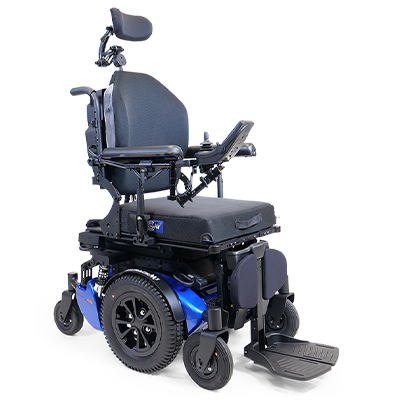
Safety checks before you operate an electric wheelchair
Before you operate an electric wheelchair, do a short inspection. Check the battery charge and secure any loose parts. Make sure the brakes, footrests, and seatbelts work. Inspect tires for wear or punctures and ensure the joystick or control panel is clean and responsive.
Simple daily checklist:
- Visual inspection of frame and wiring to spot damage or corrosion.
- Confirm battery indicator shows adequate charge for planned trips.
- Test the joystick for smooth response and check seat adjustment settings.
- Lock wheels or set the brake before transfers.
These quick checks prevent many common problems and keep you safe when you operate an electric wheelchair.
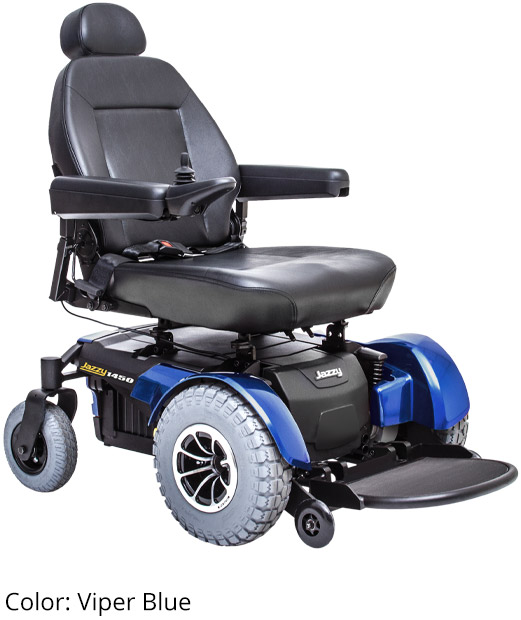
Understanding controls and the joystick
Learning the controls is the core of how to operate an electric wheelchair. Most chairs use a single joystick, but some have alternative controls like touchpads, chin or sip-and-puff systems. Know your model’s control type and sensitivity settings.
Key control basics:
- Forward/backward and turning are controlled by joystick direction and pressure.
- Speed settings let you choose slow, medium, or fast modes.
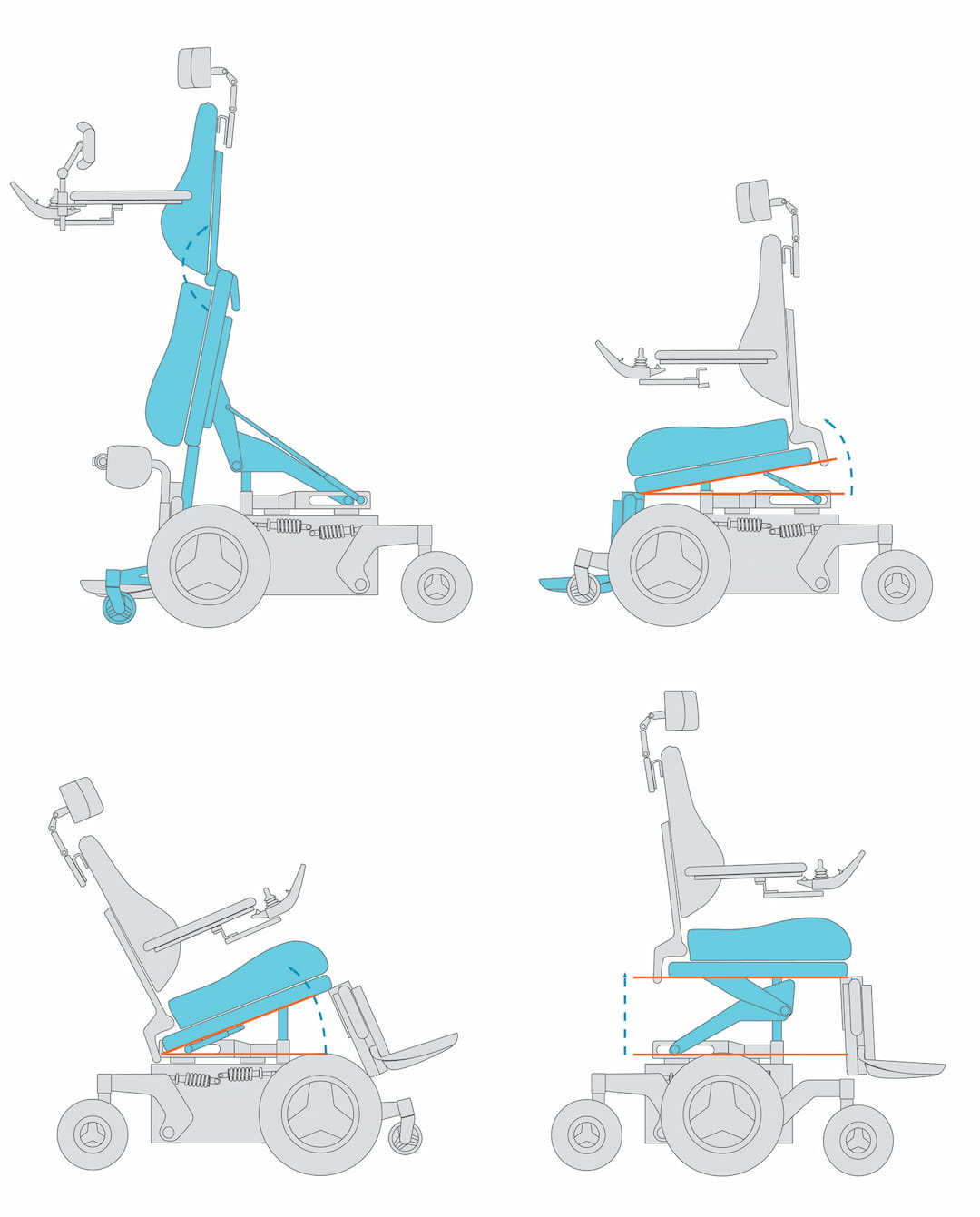
- Preset buttons may include horn, tilt, recline, or seat lift functions.
- Lock or park mode prevents accidental movement during transfers.
Practice in a quiet room. Move slowly and make gentle joystick pushes. Over time, your hands learn how much pressure and direction the chair needs to respond smoothly.

How to operate an electric wheelchair: getting in and out safely
Transfers are often the trickiest part of operating a power chair. Use seat brakes and stabilizers. Position the chair as close as possible to the transfer surface. Remove or swing away armrests and bring footrests up or aside.
Transfer steps:
- Engage the parking brake and turn off the controller.
- Move footrests out of the way and swivel the seat if your chair allows.
- Stand, pivot, and sit while keeping the chair steady; use a transfer belt if needed.
- Re-position footrests and fasten seatbelt before powering on the chair.
If you need help, ask a trained caregiver. Practice with a therapist to build the right technique. These routines are central to how to operate an electric wheelchair safely.
Driving techniques: indoor and outdoor tips
Driving well improves safety and enjoyment. Inside, keep the speed low and make wide turns. Outside, anticipate slopes, curbs, and rough surfaces. Always check tactile ground changes and avoid wet surfaces when possible.
Indoor driving tips:
- Use low speed near people and furniture.
- Approach doorways squarely to prevent scraping.
- Back into tight spaces for better clearance in front.
Outdoor driving tips:
- Climb ramps slowly and head straight up; don’t turn on slopes.
- Approach curbs at an angle or use a ramp; avoid driving directly over tall curbs.
- Reduce speed on gravel and uneven ground to prevent tipping.
Practice in an empty parking lot or hallway. Learn how much joystick input is needed for responsive turns. These skills are essential for confident use and show you how to operate an electric wheelchair in real life.
Quick PAA-style questions
How steep a slope can an electric wheelchair handle?
Most power chairs can handle gentle slopes up to about 6–10 degrees; check your model’s specs and avoid steep inclines.
Can I drive on grass or gravel?
Many chairs can handle short stretches of grass or packed gravel, but long or soft surfaces reduce traction and battery range.
How do speed settings affect battery life?
Higher speeds drain the battery faster. Using medium or low settings for daily movement helps extend range.
Battery care and charging best practices
Battery health affects how to operate an electric wheelchair every day. Use the charger recommended by the manufacturer. Charge after each use when possible, and avoid leaving batteries fully discharged for long periods.
Charging tips:
- Charge in a cool, dry place and avoid extreme temperatures.
- Keep charger vents clear and inspect connectors for corrosion.
- For lithium batteries, follow the manufacturer’s trickle or storage recommendations.
Always carry a backup charging plan for long trips. Proper battery care can prevent unexpected stops and extend battery lifespan.

Regular maintenance and basic troubleshooting
Routine maintenance keeps your chair reliable and explains much about how to operate an electric wheelchair long-term. Schedule periodic checks with a trained technician. At home, keep the chair clean and tighten visible fasteners.
Maintenance items:
- Clean upholstery and electronics with recommended products.
- Check tire pressure or tread and replace worn tires.
- Test brakes, lights, and the horn regularly.
Common troubleshooting steps:
- If the chair won’t move, check the emergency stop switch and battery connection.
- If steering is erratic, recalibrate the joystick or check for loose wiring.
- For persistent issues, contact a certified service provider.
A little preventive care saves time and reduces risk. I learned this after getting stranded once and now I do a short check every morning.

Accessories, customization, and comfort
Accessories can make a chair more functional and comfortable, and they change how to operate an electric wheelchair in daily life. Consider cushions, lap belts, cup holders, oxygen tank mounts, and mobile device holders.
Choose accessories that:
- Match your posture and pressure needs.
- Don’t obstruct controls or block movement.
- Are professionally installed if they affect the chair’s balance.
Custom controls and seating adjustments can improve independence. I’ve fit cushions and mounts that transformed long trips into comfortable outings.
Transport, storage, and legal considerations
When planning travel, know how to operate an electric wheelchair for transport and follow safety rules. Many chairs fold or disassemble for vehicles. Airlines and public transit have policies for power wheelchairs.
Travel and legal tips:
- Check vehicle tie-downs and turn off the power during transport.
- Keep documentation for battery type and FAA-compliant batteries when flying.
- Know local regulations about sidewalks and curb cuts.
Securely store your chair indoors and avoid damp areas. Proper transport planning prevents damage and legal hassles.
Personal lessons and practical tips from my experience
From years helping users, I learned small habits matter. A daily 60-second check prevents most breakdowns. Practice transfers with a therapist. Label charging cables so you never forget them. Keep a spare key or small toolkit with your chair.
Common mistakes to avoid:
- Skipping regular battery charging routines.
- Ignoring strange noises or vibration.
- Adding accessories without checking balance and clearance.
These real-world tips make the theory of how to operate an electric wheelchair work in everyday life.
Frequently Asked Questions of How to operate an electric wheelchair
How do I calibrate the joystick on my electric wheelchair?
Most joysticks have a calibration routine accessed through the controller menu; follow the manual’s step-by-step prompts or ask a technician to calibrate it for you.
What is the best way to climb a ramp in a power wheelchair?
Approach ramps straight on at a steady low speed and keep your center of gravity centered; avoid turning while on the ramp.
How often should I charge the battery?
Charge after daily use or when the indicator shows low battery. For best battery life, avoid letting batteries stay fully drained.
Can I drive my electric wheelchair in the rain?
Short exposure to light rain is usually fine for many models, but prolonged wet conditions can damage electronics; use waterproof covers and avoid deep puddles.
What should I do if my chair vibrates or pulls to one side?
Check tire pressure and tread first, then inspect wheel alignment and caster forks. If the problem persists, contact a technician for a safety inspection.
Conclusion
You now have a practical roadmap for how to operate an electric wheelchair with confidence. Start with safety checks, learn the controls, practice transfers, and keep up with battery care and maintenance. Small routines and smart choices make a big difference in safety and independence. Try the daily checklist for a week and see how comfortable you become; share your progress or questions below and explore more resources to keep improving.

Michael Reynolds is a senior contributor at RetirementGazette.com, where he focuses on helping readers navigate the journey toward a secure and fulfilling retirement. With over a decade of experience in personal finance, retirement planning, and lifestyle writing, Michael combines practical strategies with easy-to-understand guidance tailored for both pre-retirees and those already enjoying their golden years.