Older adults need protein, calcium, vitamin D, B12, fiber, fluids, and other nutrients to protect strength and health.
Understanding what nutrients do the elderly need and why can make daily meals safer, easier, and more nourishing. Aging changes appetite, digestion, muscle mass, thirst, and medication needs. This guide explains the key nutrients older adults need, where to find them, common gaps to watch for, and simple ways to build balanced meals.
Why Nutritional Needs Change With Age
The body does not use food in quite the same way throughout life. After about age 60, muscle mass may slowly decline, appetite may weaken, and the body may absorb some nutrients less efficiently. Dental problems, limited mobility, loneliness, and chronic disease can also make healthy eating harder.
This does not mean every older person needs a strict diet or a cabinet full of supplements. It means meals should provide more nutrition in each bite. A small bowl of yogurt with berries, for example, may offer protein, calcium, vitamin B12, and fluids at the same time.
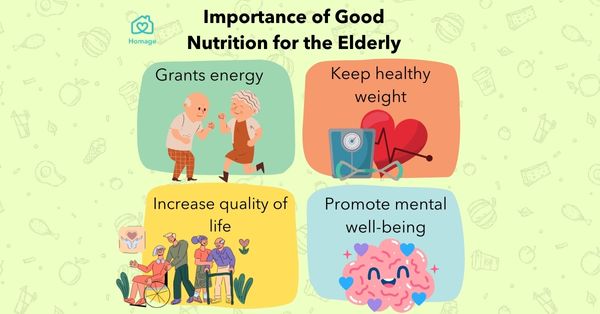
When asking what nutrients do the elderly need and why, it helps to focus on four goals:
• Preserve muscle and physical strength
• Support bones and balance
• Protect the brain, heart, and immune system
• Prevent dehydration and nutrient deficiencies
A person’s needs can vary based on age, sex, body size, activity, kidney function, medications, and health conditions. A doctor or registered dietitian can provide personal advice, especially when weight loss or illness is present.
Protein: The Nutrient That Helps Preserve Muscle
Protein helps build and repair muscles, skin, blood, enzymes, and other tissues. Older adults may need to pay special attention to protein because aging can reduce the body’s response to protein after a meal. This makes regular protein intake important.
Low protein intake may contribute to muscle loss, weakness, slower healing, and a higher risk of falls. Protein is one of the clearest answers to what nutrients do the elderly need and why, since strong muscles support walking, balance, independence, and recovery from illness.
Good protein choices include:
• Eggs
• Fish and seafood
• Chicken or turkey
• Lean beef or pork
• Milk and Greek yogurt
• Cottage cheese
• Beans, lentils, and peas
• Tofu and tempeh
• Nuts and seeds
Many experts suggest that older adults spread protein across meals instead of eating most of it at dinner. A breakfast with eggs and whole-grain toast, lunch with beans or tuna, and dinner with fish or chicken can create a steady pattern.
Protein needs are not identical for everyone. People with kidney disease may need a specific amount and should not increase protein without medical advice. A useful first step is to include a protein food at every meal and snack.
Calcium and Vitamin D for Strong Bones
Calcium gives bones their structure. It also supports muscle movement, nerve signals, and normal heart function. Vitamin D helps the body absorb calcium and plays a role in muscle and immune health.
Bone density often decreases with age. This can raise the risk of osteoporosis and fractures. Vitamin D deficiency may also contribute to weak muscles, which can affect balance.
Adults over age 70 generally need about 1,200 milligrams of calcium daily. Vitamin D needs are commonly listed at 800 international units, or 20 micrograms, per day for adults over 70. These are general targets, not personal prescriptions.
Calcium-rich foods include:
• Milk
• Yogurt
• Cheese
• Calcium-fortified plant milk
• Canned salmon or sardines with bones
• Calcium-set tofu
• Kale and some other leafy greens
Vitamin D comes from a smaller range of foods, such as fatty fish, egg yolks, and fortified milk. Sunlight can help the body make vitamin D, but age, skin tone, season, location, clothing, and sunscreen affect this process. Sun exposure should not replace skin cancer protection.
Too much calcium or vitamin D from supplements can cause harm. Some supplements may interact with medicines or raise the risk of kidney stones. Ask a health professional before starting them.
Vitamin B12 for Nerves, Blood, and Brain Health
Vitamin B12 helps make red blood cells and supports nerves and DNA. Low B12 levels can lead to anemia, tiredness, numbness, balance problems, and thinking changes.
Older adults may absorb less B12 from natural foods because stomach acid often decreases with age. Some medicines, including certain acid reducers and metformin, may also affect B12 status.
Natural sources include:
• Fish and shellfish
• Meat and poultry
• Eggs
• Milk and dairy foods
Fortified breakfast cereals and fortified nutritional yeast may help people who eat little or no animal food. Some older adults need a B12 supplement, but testing is useful before assuming a deficiency.
A key lesson in understanding what nutrients do the elderly need and why is that deficiency symptoms can look like normal aging. Ongoing fatigue, tingling, poor balance, or memory changes deserve medical attention rather than guesswork.
Fiber for Digestion, Blood Sugar, and Heart Health
Fiber supports regular bowel movements and helps prevent constipation. It can also help manage blood sugar, lower cholesterol, and improve fullness after meals.
Many older adults do not get enough fiber because they eat less food overall or avoid fruits, vegetables, beans, and whole grains. Some avoid these foods after experiencing gas or bloating. The better approach is to increase fiber slowly and drink enough fluid.
High-fiber foods include:
• Oatmeal and barley
• Beans and lentils
• Apples, pears, berries, and oranges
• Broccoli, carrots, peas, and sweet potatoes
• Brown rice and whole-grain bread
• Nuts and seeds
A practical goal is to add one fiber-rich food at a time. For example, add berries to breakfast, beans to soup, or a pear as an afternoon snack.
People with swallowing problems, bowel narrowing, or certain digestive disorders may need different advice. Fiber supplements can also affect medicine absorption, so they should be used carefully.
Fluids and Electrolytes to Prevent Dehydration
Thirst may become weaker with age. Some older adults also limit drinks because they fear bathroom trips, incontinence, or nighttime waking. This can increase the risk of dehydration.
Dehydration may cause:
• Headache
• Dry mouth
• Dark urine
• Constipation
• Dizziness
• Confusion
• Weakness
• Low blood pressure
Water is the main fluid needed, but milk, soups, smoothies, and many fruits and vegetables also contribute. A simple habit is to drink small amounts throughout the day instead of waiting until thirst appears.
Older adults with heart failure, kidney disease, or certain liver conditions may have fluid limits. They should follow their clinician’s instructions. Sports drinks are not automatically healthy and may add excess sugar or sodium.
When discussing what nutrients do the elderly need and why, fluids deserve equal attention. Water is not a vitamin or mineral, but it is essential for nearly every body system.
Omega-3 Fats for Heart and Brain Support
Omega-3 fatty acids help form cell membranes and support heart, blood vessel, eye, and brain health. Fatty fish provide two important forms: EPA and DHA.
Good sources include:
• Salmon
• Sardines
• Trout
• Mackerel
• Herring
• Walnuts
• Ground flaxseed
• Chia seeds
• Canola oil
Fish is often the simplest option. Many dietary guidelines encourage adults to eat seafood about twice a week, choosing lower-mercury varieties.
Fish oil supplements are not necessary for everyone. They may interact with blood-thinning medicines and can cause side effects. Anyone considering a high-dose supplement should discuss it with a clinician.
Potassium, Magnesium, and Other Important Minerals
Older adults need several minerals to support nerves, muscles, blood pressure, bones, and energy production. Potassium helps muscles and nerves work properly. Magnesium supports muscle function, blood sugar control, and bone health.
Food sources of potassium include:
• Bananas
• Potatoes and sweet potatoes
• Beans
• Tomatoes
• Oranges
• Yogurt
• Spinach
Magnesium is found in:
• Almonds and peanuts
• Seeds
• Beans
• Whole grains
• Leafy greens
• Avocado
Kidney disease can make it unsafe to consume large amounts of potassium or magnesium. Some blood pressure medicines also change potassium levels. Do not use mineral supplements without checking for drug and health condition interactions.
Zinc supports immune function and wound healing. Iron helps carry oxygen in the blood. Folate supports cell growth and blood formation. These nutrients matter, but more is not always better.
Iron supplements, for example, may cause constipation and can be harmful when a person is not deficient. Older adults with anemia should receive testing to identify the cause.

Vitamin C, Vitamin A, and Vitamin E
Vitamin C helps maintain skin, blood vessels, bones, and connective tissue. It also improves the absorption of iron from plant foods. Citrus fruit, strawberries, peppers, tomatoes, and broccoli are good sources.
Vitamin A supports vision, skin, and immune function. Carrots, sweet potatoes, pumpkin, spinach, and other orange or dark green vegetables provide carotenoids that the body can convert to vitamin A.
Vitamin E helps protect cells from oxidative damage. Nuts, seeds, vegetable oils, spinach, and avocado contain vitamin E.
A varied diet usually provides enough of these nutrients. High-dose antioxidant supplements have not been shown to provide the same benefits as eating a broad range of whole foods. Some may even cause harm or interfere with treatment.
How Many Calories Do Older Adults Need?
Calorie needs often decline with age because activity and muscle mass may decrease. However, nutrient needs do not fall in the same way. This is why older adults should focus on nutrient-dense foods rather than simply eating less.
Nutrient-dense foods provide many vitamins, minerals, protein, or fiber for their calories. Examples include:
• Eggs
• Greek yogurt
• Beans
• Fish
• Vegetables
• Fruit
• Oats
• Nuts
• Fortified milk
A person who eats very little may become deficient even if their weight appears normal. Unplanned weight loss, loose clothing, weakness, or reduced interest in food can signal a problem.
A useful strategy is to enrich meals without making portions much larger. Add powdered milk to oatmeal, nut butter to a smoothie, olive oil to vegetables, or grated cheese to soup when appropriate.
The Role of Sodium and Added Sugar
Sodium is needed for fluid balance, nerves, and muscles. Yet most people get far more sodium than they need from packaged foods, restaurant meals, canned soups, processed meats, and salty snacks.
Too much sodium may raise blood pressure and worsen fluid retention. Older adults with hypertension, heart failure, or kidney disease often need special limits.
To reduce sodium:
• Choose fresh or frozen foods more often
• Rinse canned beans and vegetables
• Use herbs, garlic, lemon, and spices for flavor
• Compare food labels
• Limit processed meats and salty snacks
Added sugar provides calories but few essential nutrients. Sweet drinks, desserts, and sweetened cereals can replace foods that provide protein, fiber, and vitamins. Enjoying a small treat is reasonable, but it should not crowd out nourishing meals.
What a Balanced Day of Eating Can Look Like
A balanced eating pattern does not need to be expensive or complicated. The following example shows how to combine key nutrients across the day.
Breakfast
• Oatmeal made with milk or fortified plant milk
• Berries and chopped walnuts
• One egg or a side of Greek yogurt
This meal provides protein, calcium, vitamin D if fortified, fiber, and healthy fats.
Lunch
• Lentil or bean soup
• Whole-grain toast
• A side salad with olive oil
• Fruit
This combination supplies plant protein, fiber, potassium, magnesium, and vitamin C.
Snack
• Cottage cheese with peaches
• Or hummus with soft vegetables
This adds protein and may be easier to eat than a large meal.
Dinner
• Baked salmon or tofu
• Sweet potato
• Cooked green vegetables
• Yogurt or fruit for dessert
This meal offers protein, omega-3 fats if salmon is used, potassium, calcium, and fiber.
People with chewing or swallowing problems may need softer textures. Stewed vegetables, scrambled eggs, yogurt, oatmeal, blended soups, and flaky fish can help.

Common Barriers to Good Nutrition in Older Adults
Knowing what nutrients do the elderly need and why is only part of the solution. Older adults may understand healthy eating but still face real barriers.
Low Appetite
Appetite can decline due to illness, depression, medication side effects, or reduced activity. Smaller meals served more often may work better than three large plates.
Dental Problems
Painful teeth or poorly fitting dentures can make meat, raw vegetables, and nuts difficult to eat. Soft protein foods and cooked vegetables can provide similar nutrition with less discomfort.
Limited Income
Beans, lentils, eggs, oats, frozen vegetables, canned fish, and store-brand yogurt can be affordable choices. Community meal programs, food assistance, and senior nutrition services may also help.
Loneliness
Eating alone may reduce interest in food. Sharing meals with family, neighbors, or a community group can make eating more enjoyable.
Memory or Mobility Challenges
A person with dementia or limited mobility may forget meals or struggle to shop. Ready-to-eat nutritious foods, meal delivery, and caregiver support can help create a safer routine.
Medication Effects
Some medicines can reduce appetite, alter taste, or affect nutrient absorption. Do not stop medication, but report eating problems to a health professional.
A lesson many families learn is that nutrition plans must fit real life. The “perfect” menu is not useful if a person cannot chew it, afford it, cook it, or enjoy it.
When Supplements May Be Useful
Food should usually be the first source of nutrients. Supplements can help when a person has a confirmed deficiency, follows a restrictive diet, has poor absorption, or cannot eat enough.
A clinician may recommend supplements for nutrients such as:
• Vitamin B12
• Vitamin D
• Calcium
• Iron
• Folate
• Protein
A standard multivitamin may be appropriate for some people, but it cannot replace meals. Supplements can also interact with prescription drugs or cause excessive intake.
Before using a supplement, check:
- Is there a proven deficiency or clear medical reason?
- Could it interact with a medicine?
- Is the dose appropriate for age and kidney function?
- Is the product tested for quality?
- How long should it be used?
Bring all supplement bottles to medical visits. This simple habit can prevent duplicate ingredients and unsafe combinations.
How to Assess an Older Adult’s Nutrition
Warning signs of poor nutrition may appear gradually. A caregiver, family member, or older adult should pay attention to:
• Unplanned weight loss
• Weakness or frequent falls
• Slow wound healing
• Persistent fatigue
• Swelling in the legs
• Changes in memory or mood
• Trouble chewing or swallowing
• Eating fewer meals
• Poor-fitting clothing or dentures
A health professional may review weight, diet, medicines, blood tests, dental health, and swallowing ability. No single blood test can measure overall nutrition.
Older adults should not begin a restrictive diet because of one online article. Medical conditions can change nutrition needs. Personalized guidance is especially important for diabetes, kidney disease, heart failure, osteoporosis, cancer, and digestive disorders.
Practical Tips for Caregivers and Families
Helping an older adult eat well works best when it feels supportive rather than controlling. Food is personal, and many people have strong cultural, family, and comfort-food traditions.
Try these steps:
• Ask which foods the person enjoys
• Offer small portions first
• Keep easy protein foods available
• Serve colorful foods with different textures
• Make water easy to reach
• Use familiar recipes with healthier changes
• Eat together when possible
• Track weight only when advised
• Arrange dental, medical, or dietitian support when needed
Do not shame someone for eating less or reject all favorite foods. A healthier version of a familiar dish is often more successful than a completely new menu.
What Nutrients Do the Elderly Need and Why: Key Takeaways
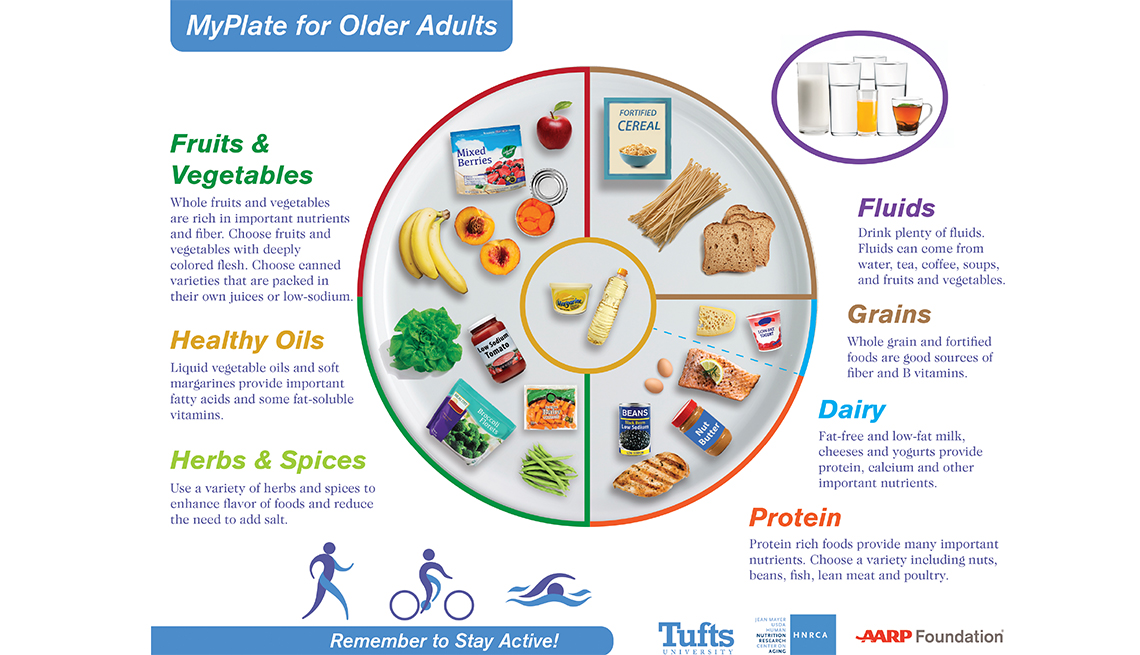
The main nutrients older adults need include protein, calcium, vitamin D, vitamin B12, fiber, fluids, omega-3 fats, potassium, magnesium, and several vitamins and minerals. Each one supports a different part of healthy aging.
Protein helps preserve muscle. Calcium and vitamin D support bones. B12 protects nerves and blood formation. Fiber supports digestion and heart health. Fluids protect against dehydration, while omega-3 fats support heart and brain health.
The best plan is usually a varied diet made from minimally processed foods, adjusted for medical needs, appetite, budget, culture, and ability to chew or swallow.

Frequently Asked Questions About What Nutrients Do the Elderly Need and Why
What nutrients do the elderly need and why is protein so important?
Older adults need protein to help maintain muscle, strength, immune function, and tissue repair. Eating protein at each meal may support mobility and recovery better than eating most protein at one meal.
Do older adults need more vitamin B12?
Many older adults need to pay closer attention to vitamin B12 because absorption from food may decrease with age. B12 is found in meat, fish, eggs, dairy, and fortified foods, and some people may need a supplement after medical evaluation.
How much water should an elderly person drink?
Fluid needs vary with body size, weather, activity, kidney function, and heart health. Many older adults benefit from drinking small amounts regularly, but people with fluid restrictions should follow their clinician’s plan.
Should every older adult take a multivitamin?
No. Some people benefit from a multivitamin, but others may not need one. Supplements can interact with medicines or provide excessive amounts, so a doctor or pharmacist should review the product.
What nutrients do the elderly need for strong bones?
Calcium and vitamin D are central to bone health, while protein, magnesium, and vitamin K also support the skeleton. Weight-bearing activity, balance exercises, and fall prevention are important as well.
What should an older adult eat if they have little appetite?
Small meals and snacks can be easier than large portions. Nutrient-dense choices such as yogurt, eggs, smoothies, oatmeal with milk, soup with beans, and nut butter can provide more nutrition in less food.
Can older adults get all needed nutrients from food?
Many can, especially with a varied diet that includes protein foods, fruits, vegetables, whole grains, and fortified foods. Health conditions, poor appetite, restricted diets, or absorption problems may create a need for supplements.
Conclusion
Older adults need nutrient-rich meals that protect muscle, bones, nerves, digestion, hydration, and heart health. Protein, calcium, vitamin D, vitamin B12, fiber, fluids, omega-3 fats, and key minerals are especially important, but personal needs differ.
Start with one simple change: add a protein food to breakfast, offer water throughout the day, or include one more fruit or vegetable. Small steps can support strength and independence over time. Share this guide with a family member or caregiver, and speak with a qualified health professional for advice based on individual health needs.

Michael Reynolds is a senior contributor at RetirementGazette.com, where he focuses on helping readers navigate the journey toward a secure and fulfilling retirement. With over a decade of experience in personal finance, retirement planning, and lifestyle writing, Michael combines practical strategies with easy-to-understand guidance tailored for both pre-retirees and those already enjoying their golden years.