Seniors can apply for food stamps online, by phone, by mail, or at a local SNAP office.
Learning how can seniors apply for food stamps starts with knowing the program name: SNAP, or the Supplemental Nutrition Assistance Program. This guide explains eligibility, documents, application steps, interviews, benefits, and common mistakes in clear, simple terms.
What Are Food Stamps, and How Does SNAP Help Seniors?
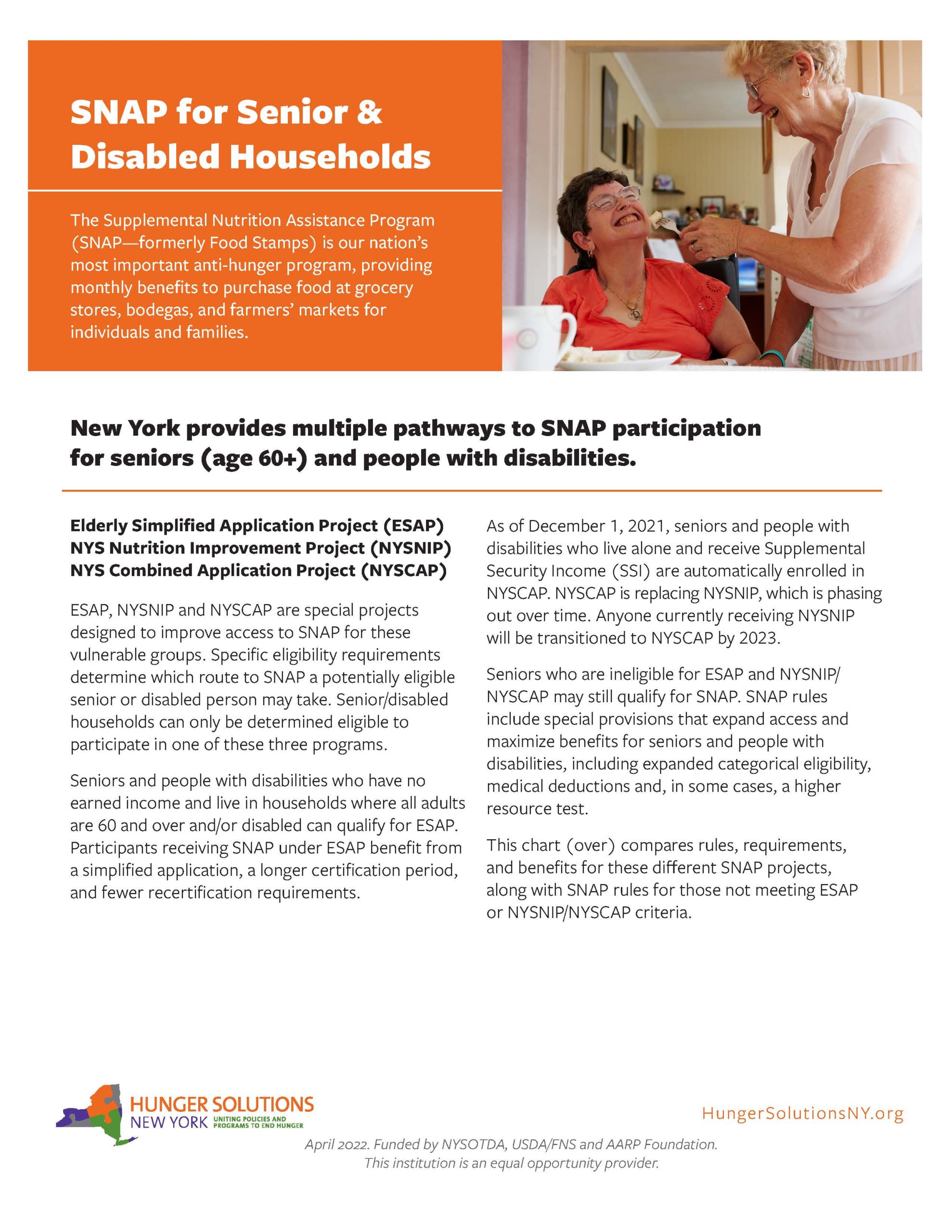
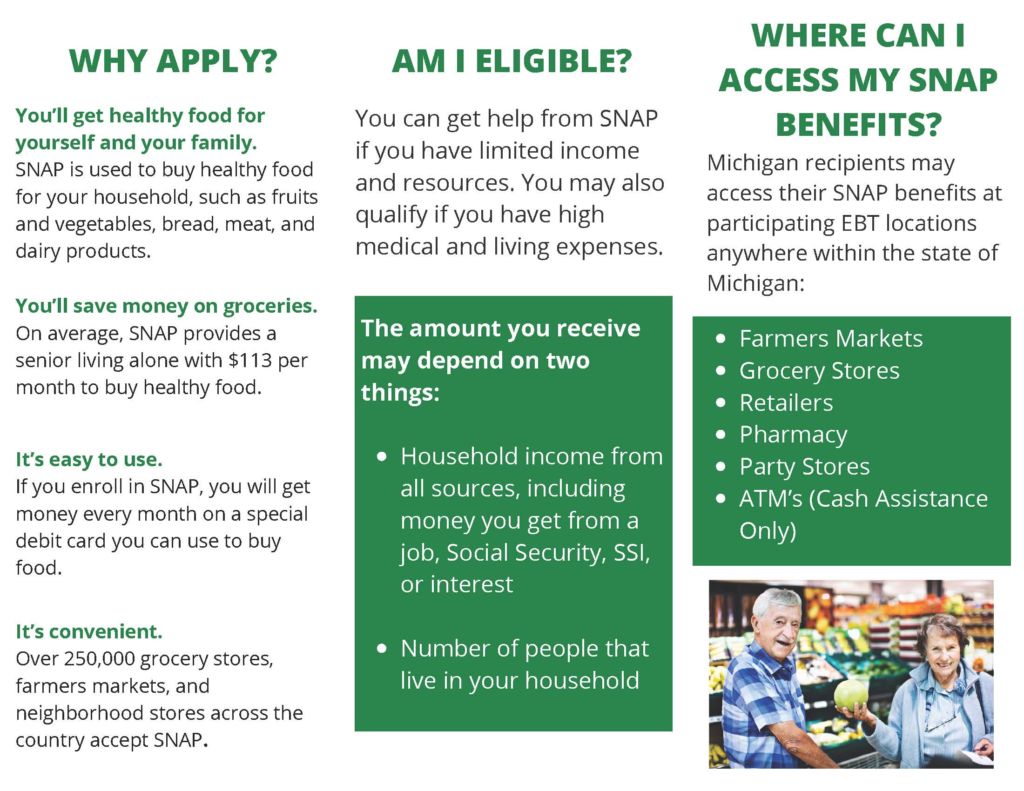
Food stamps are now called SNAP benefits. SNAP helps people with limited income buy food at approved stores, farmers markets, and some online retailers.
For older adults, SNAP can help cover the gap between a fixed monthly income and rising grocery costs. Benefits are placed on an Electronic Benefits Transfer card, often called an EBT card. The card works much like a debit card at participating stores.
Many seniors qualify even if they receive Social Security, Supplemental Security Income, a pension, or Medicare. Receiving another benefit does not automatically disqualify someone from SNAP.
How can seniors apply for food stamps when they live alone? They can apply as a one-person household if they buy and prepare most meals separately. A spouse and certain other people in the home may need to be included, depending on household rules.
SNAP can usually be used to buy:
• Fruits and vegetables
• Meat, poultry, and fish
• Bread, cereal, and other basic foods
• Dairy products
• Seeds and plants that produce food
SNAP generally cannot be used to buy:
• Alcohol
• Tobacco products
• Vitamins and medicines
• Hot meals prepared for immediate eating in most cases
• Pet food
How Can Seniors Apply for Food Stamps?
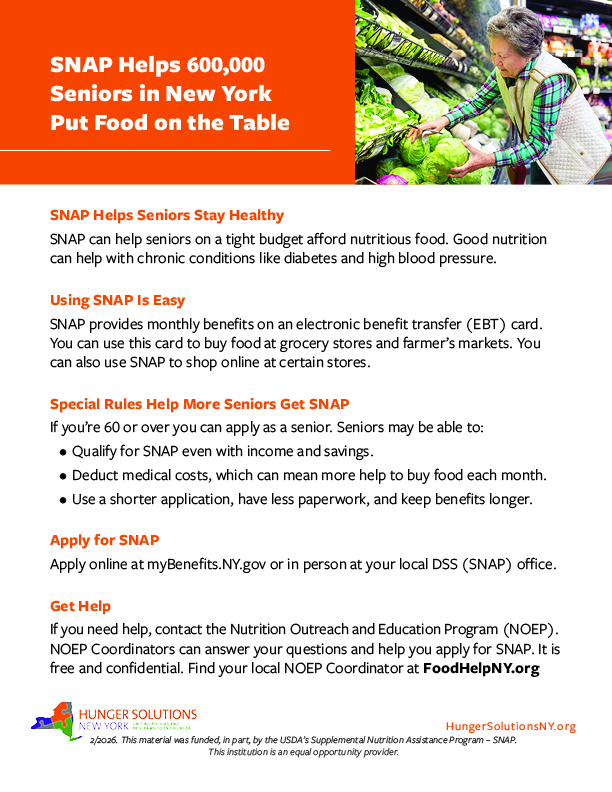
The application process is handled by each state. The basic steps are similar, but websites, forms, income limits, and local procedures can differ.
Here is how can seniors apply for food stamps in most states:
-
Find the state SNAP agency. Use the official state government website or call the USDA national SNAP information line at 1-800-221-5689.
-
Choose an application method. Most states offer online, phone, mail, fax, or in-person applications.
-
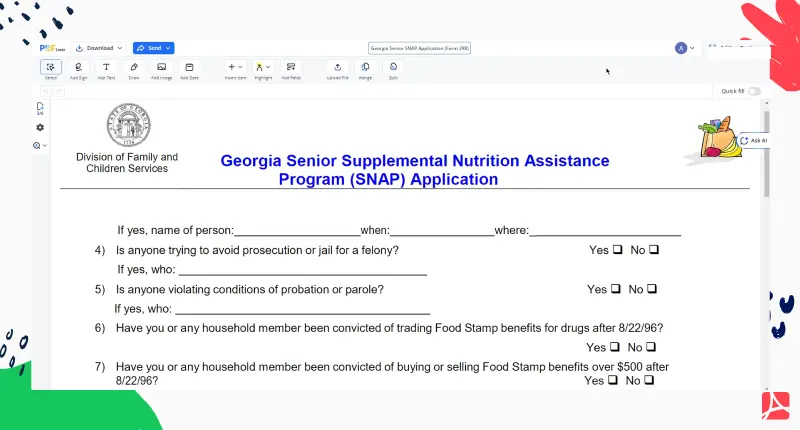
Complete the application. Provide basic information about household members, income, expenses, housing, and resources.
-
Submit the form quickly. Some states can start the case from the date the application is submitted, even if the interview happens later.
-
Complete the interview. A caseworker may call or schedule an appointment to review the information.
-
Send requested proof. The agency may ask for documents about income, rent, utilities, identity, or medical costs.
-
Wait for the decision. The state will send a written notice explaining whether the household is approved, denied, or asked for more information.
A senior does not always need to finish the entire form before submitting it. In many states, a basic application with the person’s name, address, and signature can protect the filing date. The agency may then request more details.
For someone asking how can seniors apply for food stamps without using the internet, calling the local SNAP office is often the easiest option. A trusted family member, caregiver, or authorized representative may also help.
Who Qualifies for SNAP as a Senior?
SNAP eligibility depends on household size, income, allowable deductions, and state rules. A senior is generally someone age 60 or older for special SNAP rules.
Many older adults receive more favorable treatment than younger households. For example, a household with a senior may be allowed to use net income rules after deductions, even when another household may face both gross and net income tests.
Income may include:
• Social Security retirement benefits
• Supplemental Security Income
• Pension payments
• Veterans benefits
• Wages from work
• Unemployment benefits
• Support from another person
• Rental income
The agency may deduct certain expenses before calculating eligibility. Common deductions include:
• A standard household deduction
• Rent or mortgage costs
• Utility costs
• Medical expenses above the allowed threshold for elderly or disabled household members
• Legally required child support
• Dependent care costs in some cases
Medical costs are especially important for seniors. Out-of-pocket costs may include prescription drugs, doctor visits, dental care, hearing aids, glasses, transportation to medical care, and health insurance premiums.
A common mistake is failing to report medical expenses because the bills seem small. Several small costs can add up over a month. Keep receipts, statements, and insurance records so the SNAP office can review them.
Do Seniors Have to Meet an Asset Limit?
Asset rules vary by state. Some states have broad-based eligibility rules that allow many households to qualify without a strict asset test. Other states may review bank accounts, cash, or certain property.
A primary home is usually not counted as an available resource. The rules for vehicles, savings, burial funds, and other property can be complex.
Do not close a bank account, give away money, or sell property simply to try to qualify. Report information honestly and ask the caseworker how the state treats each resource.

What Documents Do Seniors Need to Apply?
Knowing how can seniors apply for food stamps is easier when documents are gathered first. The agency may not need every document on the first day, but proof can help prevent delays.
Useful documents may include:
• A driver’s license, state identification card, passport, or other proof of identity
• Social Security numbers for people applying
• Social Security benefit letters
• SSI, pension, or veterans benefit statements
• Recent pay stubs
• Bank statements, if requested
• Rent or mortgage records
• Property tax or homeowners insurance records
• Utility bills
• Medical bills and pharmacy receipts
• Health insurance premium statements
• Child support payment records
• Immigration documents for noncitizens who are applying
A senior should still apply if a document is missing. Tell the agency what is unavailable and ask what alternative proof it accepts.
Never mail original documents unless the agency specifically instructs you to do so. Keep copies or clear photos of everything submitted. Write down the date, method, and confirmation number for the application.
How Can Seniors Apply for Food Stamps Online?
Online applications can save time, but seniors should use only an official government website. Search for the state’s official SNAP or Department of Human Services website rather than clicking an advertisement.
The online process often includes these steps:
• Create an account
• Enter household and contact details
• List income and expenses
• Upload documents if requested
• Review the form carefully
• Sign electronically
• Save the confirmation page
A senior who has trouble using a computer may ask a trusted person to help. The helper should not guess at answers or hide information. The applicant remains responsible for making sure the form is accurate.
Some states allow an authorized representative to apply and complete interviews for the applicant. The senior must usually provide written permission. This option can help people with vision problems, memory issues, limited mobility, or no internet access.
How can seniors apply for food stamps online if they do not have email? Some state systems allow applications without email, while others offer phone or paper options. Calling the state SNAP office can clarify the available choices.
How Can Seniors Apply for Food Stamps by Phone or in Person?
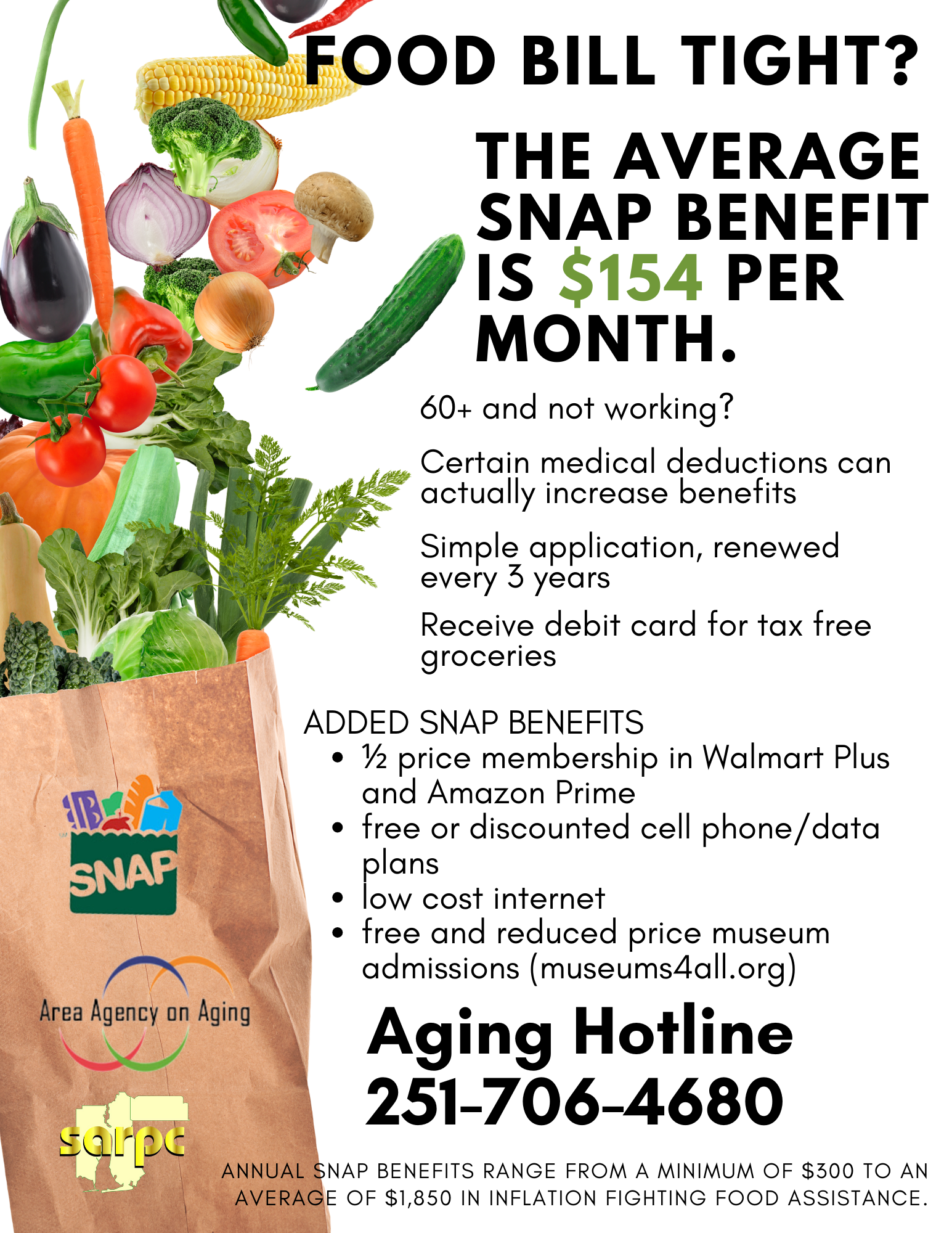
Phone applications are useful for seniors who cannot travel or use a computer. Call the official state SNAP office and ask to apply. Request an interpreter, disability accommodation, or accessible format if needed.
In-person applications may be available at:
• County human services offices
• Local SNAP offices
• Community action agencies
• Senior centers
• Some nonprofit partner organizations
Before visiting, call to confirm the office address, hours, appointment rules, and accepted documents. Some offices do not accept walk-ins.
A senior can also ask whether a home interview is possible. Rules differ, but an agency may offer accommodations when travel is difficult because of age, illness, or disability.
One practical lesson is to prepare a short list before calling. Write down monthly income, rent, utilities, medical costs, and the names of household members. This makes the conversation easier and reduces the chance of forgetting an important expense.
What Happens During the SNAP Interview?
The interview is usually a fact-checking conversation, not a test. The caseworker may ask about identity, household members, income, living arrangements, expenses, and immigration status for people applying.
Questions may include:
• Who lives with you?
• Do you buy and prepare food together?
• How much do you receive from Social Security or other income?
• What do you pay for rent or utilities?
• Do you have medical expenses?
• Has your income recently changed?
Answer clearly and honestly. If a question is confusing, ask the caseworker to explain it. If the caseworker says information is missing, ask for a written list and a deadline.
A trusted person may often join the call with permission. The senior should avoid sharing passwords or personal information with an unknown person who offers unofficial help.
The agency may approve, deny, or request more proof. The decision notice should explain the benefit amount, certification period, and appeal rights.
How Much Can a Senior Receive in SNAP Benefits?
The benefit amount depends on household size, countable income, deductions, and state rules. It is not based on age alone.
A household with high rent and substantial medical expenses may qualify for more help than a household with the same income but fewer allowable deductions. The maximum benefit amount changes from time to time, so seniors should check current figures through their state SNAP agency.
A simple example can show how deductions matter. Imagine a senior receives Social Security and pays rent, utilities, Medicare premiums, and prescription costs. The agency may subtract eligible expenses from income before calculating the SNAP benefit.
This is why a senior should report all allowable costs, not just rent. The final calculation must be made by the state agency, but complete information gives the caseworker a fair picture.
Benefits are usually loaded onto an EBT card each month. The card can be used at approved retailers. Check the balance through the state’s official EBT website, mobile app, customer service line, or receipt.
Can Seniors Get Emergency SNAP Benefits?
Some households may qualify for expedited SNAP processing. This does not mean automatic approval. It means the state reviews the application more quickly when the household meets certain urgent conditions.
A senior may need to explain if:
• The household has very little income and cash
• Monthly housing costs are higher than available income
• The household has almost no money for food
• A serious emergency has caused a loss of income
Ask about expedited SNAP when applying. Do not wait for the interview to mention a food emergency.
Emergency food help may also be available through local food banks, senior meal programs, congregate meal sites, and home-delivered meal services. These programs are separate from SNAP and may have different rules.
What Food Benefits Are Available Besides SNAP?
SNAP is not the only food program for older adults. A senior may qualify for more than one program.
Other possible resources include:
• The Commodity Supplemental Food Program for eligible low-income older adults
• Senior Farmers’ Market Nutrition Program benefits
• Congregate meals at senior centers
• Home-delivered meals for people who have difficulty preparing food
• Food banks and community food pantries
• Medicaid or Medicare Savings Programs that may reduce health costs
• Local utility assistance programs
Reducing medical, utility, or housing costs can also improve a senior’s food budget. Ask a local aging services office for a benefits screening. One application may reveal several programs that the senior did not know existed.
How can seniors apply for food stamps while using other food programs? In many cases, they can apply for SNAP and other programs at the same time. Always report benefits when a form asks for them, but do not assume one program automatically prevents another.

Common Mistakes Seniors Should Avoid
The process of how can seniors apply for food stamps becomes harder when small errors cause delays. Most mistakes are easy to prevent.
Avoid these problems:
• Waiting to apply until every document is collected
• Using an unofficial website that charges a fee
• Forgetting to list medical expenses
• Leaving out a household member who buys and prepares food with the applicant
• Reporting the wrong monthly income
• Missing the interview call
• Ignoring letters from the SNAP office
• Failing to report a change when required
• Throwing away receipts and confirmation numbers
• Assuming Social Security or home ownership automatically disqualifies the applicant
A useful habit is to keep a SNAP folder. Store application copies, notices, receipts, benefit statements, and phone notes in one place.
If the agency denies the application, read the notice carefully. It should explain the reason and the deadline for requesting a fair hearing. A senior may ask a legal aid office, benefits counselor, or caseworker for help understanding the decision.
How Can Seniors Apply for Food Stamps Safely?
Older adults are frequent targets for benefit scams. A scammer may pretend to be an EBT worker and ask for a card number, PIN, Social Security number, or bank details.
Remember these safety rules:
• Do not share an EBT PIN with anyone who contacts you unexpectedly
• Do not click links in suspicious text messages
• Use the phone number printed on the EBT card
• Contact the state agency through its official website
• Change the PIN if the card information may be exposed
• Report a lost or stolen card at once
• Keep benefit notices and account details private
The SNAP office should not require a payment to submit an application. Be cautious if someone promises guaranteed approval or asks for gift cards, cash, or a fee.
A trusted caregiver can help, but the senior should choose that person carefully. An authorized representative should be someone reliable, such as a family member, social worker, or case manager.
What Happens After SNAP Approval?
After approval, the state sends an EBT card or instructions for using an existing card. Benefits are normally added each month according to a state schedule.
Read the approval notice. It will usually explain:
• The monthly benefit amount
• The certification period
• The date benefits are issued
• Reporting duties
• Renewal or recertification instructions
Use the card regularly and keep the PIN private. Check receipts to confirm the balance. If a store refuses an eligible purchase, ask the manager or contact the EBT customer service number.
The agency may ask for a midyear report or renewal form. Respond by the deadline. Missing a renewal date can stop benefits even when the senior remains eligible.
Report changes as required by the state. Examples may include moving, a major income change, a new household member, or a change in medical expenses. The exact reporting rules differ, so follow the notice from the agency.
Frequently Asked Questions About How Can Seniors Apply for Food Stamps
Can seniors receive SNAP if they get Social Security?
Yes. Social Security is counted as income, but receiving it does not automatically prevent SNAP eligibility. Allowable deductions, such as housing and medical costs, may help a senior qualify.
Can a senior apply for SNAP without a computer?
Yes. Seniors can often apply by phone, mail, fax, or in person. Call the official state SNAP office to learn which options are available locally.
Does owning a home disqualify a senior from SNAP?
Usually, the home where the senior lives is not treated as an available resource. Other property and asset rules vary by state, so the senior should report information honestly and ask the agency for guidance.
Can medical expenses help a senior qualify for SNAP?
They may. Eligible out-of-pocket medical costs can sometimes be deducted for an elderly or disabled household member, so seniors should report insurance premiums, prescriptions, transportation, and other allowed expenses.
Can someone else apply for SNAP for a senior?
Often, yes. A senior may appoint an authorized representative to help with the application, interview, and paperwork. The representative should be trusted and formally approved by the state agency when required.
How long does SNAP approval take?
Standard processing can take up to 30 days in many cases, although some households may qualify for expedited review. The state may need an interview and supporting documents before making a final decision.
Can a senior appeal a SNAP denial?
Yes. The denial notice should explain how to request a fair hearing and provide a deadline. Contact the state agency, legal aid office, or a local benefits counselor quickly if the decision seems incorrect.
Conclusion
The answer to how can seniors apply for food stamps is simple: contact the state SNAP agency, submit an application, complete the interview, and provide proof of income and expenses. Seniors should report medical costs, housing bills, and other deductions because these details can affect eligibility and benefit amounts.
Applying is not a sign of failure. SNAP is designed to help people maintain access to healthy food during retirement, illness, or financial hardship. Start with the official state website or phone number, keep copies of every document, and ask for help when the process feels difficult.
If this guide helped, share it with a senior, caregiver, or family member who may need support, and explore your local benefits resources today.

Michael Reynolds is a senior contributor at RetirementGazette.com, where he focuses on helping readers navigate the journey toward a secure and fulfilling retirement. With over a decade of experience in personal finance, retirement planning, and lifestyle writing, Michael combines practical strategies with easy-to-understand guidance tailored for both pre-retirees and those already enjoying their golden years.