Older adults need more protein to protect muscle, strength, bones, healing, and independence as the body ages.
Why do older adults need more protein? Aging changes how the body uses protein, while muscle loss, illness, and lower appetite can make it harder to get enough. This guide explains the science, the best food choices, practical meal ideas, safe intake levels, and common mistakes to avoid.
Why do older adults need more protein?
Protein is the body’s main building material. It helps maintain muscle, skin, bones, blood, hormones, enzymes, and the immune system. Every day, the body breaks down and rebuilds protein in a natural cycle.
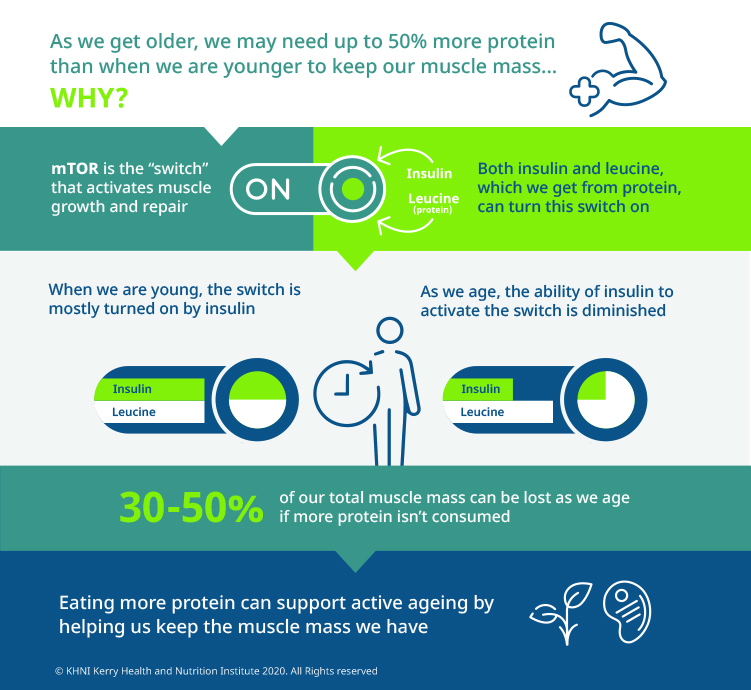
As people age, this cycle can shift. The body may not respond to protein as strongly as it once did. This means an older adult may need a larger serving to trigger the same muscle-building response as a younger person.
Why do older adults need more protein? Several age-related changes work together:
• Muscle tissue becomes less responsive to small protein servings.
• Muscle mass and strength tend to decline with age.
• Appetite may decrease because of changes in taste, smell, hormones, or health.
• Dental problems may make meat and other firm foods hard to eat.
• Illness, surgery, and injuries can raise protein needs.
• Less physical activity can speed muscle loss.
• Some medicines may cause nausea, dry mouth, or reduced appetite.
This age-related drop in muscle mass is often called sarcopenia. It can affect balance, walking, stair climbing, and the ability to perform daily tasks. Protein alone cannot prevent every case, but it is a key part of a plan that also includes strength exercise and enough total calories.

How much protein do older adults need?
The current minimum Recommended Dietary Allowance for healthy adults is 0.8 grams of protein per kilogram of body weight each day. However, many experts in geriatric nutrition suggest that healthy older adults may benefit from about 1.0 to 1.2 grams per kilogram per day.
For an older adult who weighs 165 pounds, or about 75 kilograms, that equals:
• Minimum RDA: about 60 grams of protein daily
• Higher supportive range: about 75 to 90 grams daily
Older adults recovering from illness, injury, or surgery may need more. Some clinical guidance suggests 1.2 to 1.5 grams per kilogram per day during recovery. People with serious illness may need an individualized plan from a doctor or registered dietitian.
These numbers are useful guides, not personal prescriptions. Kidney disease, liver disease, certain metabolic disorders, and other medical conditions can change protein needs. Anyone with reduced kidney function should ask a health professional before making a major increase.
Why do older adults need more protein when the basic RDA applies to all adults? The RDA is designed to prevent deficiency in most healthy people. It may not fully address the needs linked to muscle preservation, recovery, strength, and physical function in later life.
A simple formula can help:
-
Convert body weight from pounds to kilograms by dividing by 2.2.
-
Multiply body weight in kilograms by 1.0 to 1.2 for a general older adult target.
-
Ask a clinician about a different target if there is illness, weight loss, kidney disease, or a recent operation.

Why protein helps protect muscle with age
Muscle is not only about appearance. It supports movement, posture, balance, breathing, and independence. Strong muscles also make it easier to recover after a fall or hospital stay.
Protein provides amino acids, which are small units used to repair and build muscle. One amino acid called leucine appears to play an important role in starting muscle protein synthesis. High-quality protein foods often contain enough leucine to support this process.
Why do older adults need more protein for muscle health? Aging can create a condition called anabolic resistance. In simple terms, older muscle may need a stronger signal from food and exercise before it starts building new tissue.
Strength training makes the muscle more responsive. Protein supplies the raw materials. Together, they work like a construction team: exercise gives the instructions, and protein delivers the bricks.
Good strength activities may include:
• Chair stands
• Wall pushups
• Resistance band exercises
• Light hand weights
• Step-ups
• Supervised gym exercises
An older adult should begin at a safe level and increase slowly. A physical therapist or qualified fitness professional can help someone with pain, balance problems, or a recent injury.
A practical lesson from nutrition counseling is that people often focus only on total daily protein. Timing matters, too. A small amount at breakfast, very little at lunch, and one large dinner may not support muscle as well as a more even pattern.

Why spreading protein across meals matters
Many older adults eat most of their protein at dinner. Breakfast may be toast or cereal, while lunch may be soup or a small salad. This pattern can make it difficult to reach a useful protein intake by the end of the day.
Spreading protein across three meals can make eating easier and may give muscles repeated opportunities to use amino acids. A practical goal for many older adults is about 25 to 30 grams of protein at each main meal, though needs vary by body size and health.
Examples of balanced meals include:
• Greek yogurt, eggs, and whole-grain toast at breakfast
• Chicken, beans, or tuna added to a lunch salad
• Salmon, tofu, or lean beef with vegetables at dinner
• Cottage cheese or milk as a simple snack
Why do older adults need more protein at breakfast? After the overnight fast, a protein-rich breakfast can help start the day with useful nutrients. It may also support better energy and reduce the chance of relying on low-protein snacks later.
Here are easy ways to add protein without making meals much larger:
• Stir powdered milk into oatmeal or mashed potatoes.
• Add Greek yogurt to fruit or a smoothie.
• Mix beans into soup, rice, or pasta.
• Keep boiled eggs ready in the refrigerator.
• Add shredded cheese to vegetables or eggs.
• Choose milk or fortified soy milk instead of water in some recipes.
• Spread peanut or almond butter on toast, if safe for the person.
People with a small appetite may do better with several small meals. A smoothie with milk, yogurt, fruit, and nut butter can provide protein and calories in a form that is easier to consume.

Best protein foods for older adults
The best protein source is one that a person can eat safely, digest comfortably, afford, and enjoy. Both animal and plant foods can fit into a healthy eating pattern.
Animal-based protein foods
These foods are often rich in essential amino acids:
• Fish such as salmon, tuna, cod, and sardines
• Eggs
• Chicken and turkey
• Lean beef or pork
• Milk
• Greek yogurt
• Cottage cheese
• Lower-sodium cheese
Fish may offer an extra benefit because fatty fish contain omega-3 fats. Eggs are soft, affordable, and easy to prepare. Yogurt and milk can help people who have trouble chewing.
Plant-based protein foods
Plant choices can also support healthy aging:
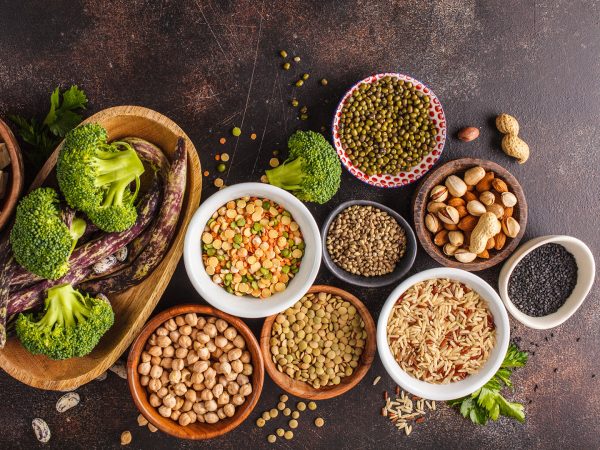
• Lentils
• Black beans and kidney beans
• Chickpeas
• Tofu and tempeh
• Edamame
• Soy milk
• Nuts and seeds
• Peanut or almond butter
• Quinoa
• Peas
Plant foods also provide fiber, vitamins, minerals, and other compounds that support overall health. A varied diet can supply all essential amino acids over the course of the day.
Older adults with chewing problems may prefer soft foods such as:
• Scrambled eggs
• Silken tofu
• Hummus
• Lentil soup
• Yogurt
• Tender fish
• Slow-cooked chicken
• Smooth nut butter
Why do older adults need more protein from a range of foods? Variety helps fill nutrient gaps and keeps meals enjoyable. It also makes it easier to follow a diet that fits cultural foods, personal taste, and budget.
Protein, bones, healing, and immune health
Protein supports more than muscle. Bones contain a protein framework that gives minerals a structure to attach to. Adequate protein, along with calcium and vitamin D, may support bone strength and recovery after a fracture.
Protein also helps the body repair wounds. After surgery, illness, or a pressure injury, the body may need extra building material. A low-protein diet during this time can make it harder to maintain strength and recover well.
The immune system uses protein to produce antibodies and other immune components. This does not mean that eating extra protein prevents every infection. It means that adequate protein is one part of good immune and recovery support.
Why do older adults need more protein during illness? Fever, inflammation, bed rest, and surgery can increase muscle breakdown. At the same time, a sick person may eat less. This combination can cause rapid loss of strength.
Caregivers should watch for signs that an older adult may not be eating enough:
• Unplanned weight loss
• Loose clothing or reduced muscle size
• Less interest in food
• Weakness during chair stands
• Slower walking
• Trouble finishing meals
• Repeated falls
• Delayed wound healing
These signs do not prove protein deficiency. They should prompt a conversation with a doctor or registered dietitian. Weight loss can have many causes, including dental problems, depression, medication effects, swallowing trouble, and serious disease.
Common barriers to getting enough protein
Knowing why do older adults need more protein is helpful, but knowing how to make it practical is even more important. Many older adults face real barriers that have nothing to do with motivation.
Low appetite
A small appetite can make a full plate feel overwhelming. Try smaller meals with protein-rich snacks between them. A half sandwich, yogurt cup, egg, or small smoothie may be easier than a large dinner.
Dental or swallowing problems
Hard or dry foods may be unsafe or uncomfortable. Choose soft foods and ask a dentist, doctor, or speech-language pathologist for guidance when chewing or swallowing is difficult.
Cost
Protein does not have to be expensive. Beans, lentils, eggs, canned fish, milk, and plain yogurt can provide good value. Buying frozen fish or larger containers of yogurt may also lower the cost per serving.
Fatigue and limited cooking ability
Prepared foods can help, but check sodium and added sugar. A rotisserie chicken, low-sodium soup, frozen vegetables, and canned beans can become a simple meal with little cooking.
Food preferences
A person is more likely to eat food that feels familiar. Use favorite family recipes and add protein where it fits. Beans can go into chili, yogurt can replace some sour cream, and eggs can be added to rice or vegetables.
A common mistake is using protein powder as the first solution. Supplements can be useful when food intake is low, but they do not replace a varied diet. Some products contain excess sugar, stimulants, or ingredients that may interact with health conditions.

Mistakes to avoid when increasing protein
More protein is not always better. The goal is enough protein in a balanced diet, not an extreme intake.
Avoid these common mistakes:
• Increasing protein while eating too few total calories
• Relying on processed meats such as bacon, sausage, and deli meat
• Ignoring fiber, fruits, vegetables, and whole grains
• Eating nearly all protein at one meal
• Using supplements without checking medications or medical conditions
• Forgetting strength exercise
• Assuming weight loss is always healthy in an older adult
A person needs enough energy from food to use protein well. If calorie intake is too low, the body may use protein as fuel instead of using it mainly for repair and muscle maintenance.
Processed meats can be high in sodium and saturated fat. Choose fish, eggs, poultry, beans, tofu, and low-fat dairy more often. Red meat can fit in moderate portions, especially when paired with vegetables and whole grains.
Why do older adults need more protein does not mean every older adult should follow a high-protein diet without guidance. People with chronic kidney disease may need a carefully planned amount. The right target depends on kidney function, body size, activity, illness, medications, and personal goals.
A simple high-protein day of meals
Here is one example of how an older adult might spread protein across the day. Portions should be adjusted for appetite, medical needs, and energy requirements.
Breakfast
• Two scrambled eggs
• One slice of whole-grain toast
• A cup of milk
Lunch
• Lentil soup
• Half a turkey or tofu sandwich
• Fruit
Snack
• Greek yogurt with berries
Dinner
• Baked salmon or beans
• Roasted vegetables
• Quinoa or a baked potato
Evening snack
• Cottage cheese or fortified soy milk
This type of plan includes animal and plant foods, soft options, fiber, and a range of vitamins and minerals. It also avoids placing the entire protein target into one large meal.
For a person with diabetes, heart disease, kidney disease, swallowing problems, or an unplanned weight change, the plan should be adjusted by a qualified professional. Nutrition is personal. The best plan is one that is safe, realistic, and enjoyable enough to follow.
Frequently Asked Questions About Why Do Older Adults Need More Protein
Why do older adults need more protein than younger adults?
Older muscles may respond less strongly to small amounts of protein. Muscle loss, illness, lower appetite, and reduced activity can also increase the risk of weakness.
How much protein should a 70-year-old eat?
Many healthy older adults may benefit from about 1.0 to 1.2 grams of protein per kilogram of body weight each day. A doctor or dietitian should set a different amount when kidney disease, illness, or recovery needs are present.
What is the best protein for older adults?
There is no single best choice. Fish, eggs, poultry, dairy, beans, lentils, tofu, nuts, and seeds can all fit into a balanced eating pattern.
Can protein help older adults gain muscle?
Protein can support muscle gain or maintenance, especially when paired with resistance exercise. Protein alone is less effective if a person is inactive or does not eat enough total calories.
Should older adults use protein powder?
Protein powder may help when food intake is low, appetite is poor, or chewing is difficult. It should not replace regular meals, and people with medical conditions should review the product with a health professional.
Is too much protein harmful for older adults?
Too much protein may be unsuitable for some people, especially those with kidney disease or certain medical conditions. More is not automatically better, so the daily amount should match individual health needs.
Does protein prevent sarcopenia?
Adequate protein may help reduce the risk of muscle loss, but it is only one part of prevention. Strength training, regular movement, enough calories, vitamin D, sleep, and medical care also matter.
Conclusion
Why do older adults need more protein? Aging can reduce muscle response to food while increasing the effects of muscle loss, illness, low appetite, and inactivity. Enough protein, spread across meals and paired with strength exercise, can help support muscle, strength, healing, bones, and daily independence.
Start with one practical change, such as adding eggs at breakfast, yogurt as a snack, or beans to lunch. If there is weight loss, kidney disease, swallowing trouble, or a recent illness, seek personal advice from a doctor or registered dietitian. Explore more healthy-aging resources, and share your favorite protein-rich meal or tip in the comments.

Michael Reynolds is a senior contributor at RetirementGazette.com, where he focuses on helping readers navigate the journey toward a secure and fulfilling retirement. With over a decade of experience in personal finance, retirement planning, and lifestyle writing, Michael combines practical strategies with easy-to-understand guidance tailored for both pre-retirees and those already enjoying their golden years.