
Small, tasty meals, social meals, and gentle activity often restore appetite in older adults.
I have worked with families and care teams to help seniors eat better. I will explain how to increase appetite in the elderly naturally with clear steps you can try at home. This guide combines practical tips, simple recipes, gentle activity ideas, and safe natural remedies to help restore hunger, maintain weight, and improve quality of life. You will find easy actions, reasons why appetite drops, and when to seek medical care to make informed choices.

Why appetite drops with age
Aging changes the body in many ways. Taste and smell often fade. Digestive speed slows, and some medicines blunt hunger. Chronic illness, depression, and dental problems also cut appetite. Understanding causes helps choose the best natural steps to help.
Signs and risks of poor appetite in seniors
Loss of appetite can cause weight loss and low energy. It can also weaken immunity and raise fall risk. Watch for weight loss, smaller portions, skipped meals, and low interest in food. Early action prevents decline and improves mood and strength.

Practical natural strategies to increase appetite in the elderly naturally
Below are proven steps you can use at home. They focus on taste, routine, and nutrition.
-
Encourage small, frequent meals
Short, tasty servings often feel easier than large plates. Aim for five to six small meals or snacks each day to keep calories up without overwhelming appetite. -
Boost flavor and aroma
Use herbs, spices, citrus, and warm sauces to add smell and taste. Mildly spiced foods, garlic, rosemary, and lemon can make food more appealing. -
Offer nutrient-dense, calorie-rich foods
Choose avocado, nut butters, full-fat yogurt, eggs, olive oil, and cheese. These pack calories and nutrients into small portions for older adults who eat little. -
Focus on texture and ease of chewing
Soft, moist foods like casseroles, stews, smoothies, and mashed vegetables reduce chewing strain and make eating more comfortable. -
Keep mealtimes regular and social
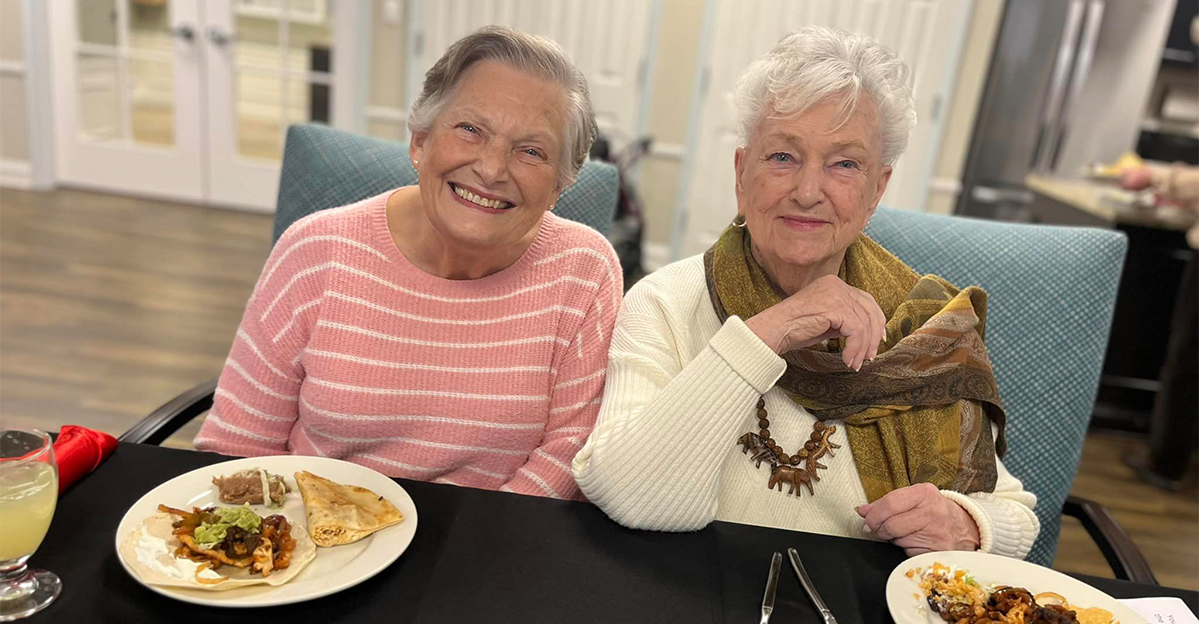
Shared meals boost appetite. Schedule eating times and invite friends, family, or caregivers to join. A pleasant setting and company make food more enticing. -
Improve mealtime environment
Serve food warm, on attractive plates, and with good lighting. Reduce background noise and ensure comfortable seating to help focus on eating. -
Encourage light physical activity
Gentle walks, chair exercises, or stretching before meals can stimulate hunger. Activity also supports digestion and mood. -
Hydration and timing
Avoid too many fluids right before meals. Offer small sips during meals and more fluids between meals to avoid filling the stomach before food. -
Review medications with a clinician
Many drugs reduce appetite. Ask a doctor or pharmacist if timing or alternatives can help without harming health. -
Address mood and dental health
Treating depression and fixing dentures or teeth pain often restores interest in food quickly.
How to increase appetite in the elderly naturally also includes small sensory tricks. Warm food releases aroma and entices eating. Bright colors on the plate can make food look fresher. Keep portions modest and offer seconds.

Two quick common questions answered
What helps taste loss in seniors? Serve strongly flavored but familiar foods, add citrus, and check for dry mouth or medication effects.
Can exercise really help appetite? Yes. Short walks or light activity before meals often raise hunger signals and make eating easier.
Meal ideas and a simple sample plan to increase appetite in the elderly naturally
Provide easy, tasty options that are high in calories and nutrients. Here are ideas and a one-day sample.
-
High-calorie, soft options
Puddings, smoothies with milk and nut butter, scrambled eggs, salmon mousse, yogurt with honey, and mashed sweet potatoes. -
Snacks that help
Cheese and crackers, full-fat yogurt, trail mix, banana with peanut butter, and cottage cheese with fruit. -
Flavor boosters
Drizzle olive oil, add grated cheese, use fresh herbs, or serve a small gravy or sauce.
Sample one-day plan
- Breakfast: Greek yogurt with honey, soft berries, and a spoon of almond butter.
- Mid-morning snack: Smoothie with milk, banana, protein powder, and peanut butter.
- Lunch: Creamy vegetable soup with soft bread and a side of avocado.
- Afternoon snack: Cheese and soft crackers or a small fruit and nut bowl.
- Dinner: Baked salmon, mashed potatoes with butter, and steamed spinach with olive oil.
- Evening snack: Warm milk with honey or a small pudding.
How to increase appetite in the elderly naturally often comes down to consistency, so rotate favorite foods to keep meals interesting and manageable.
Supplements, herbs, and gentle appetite aids
Natural options can help, but check with a clinician before use.
-
Nutritional shakes and protein powders
Use ready-made high-calorie drinks or mix powders into smoothies for extra nutrients. -
Common herbal options
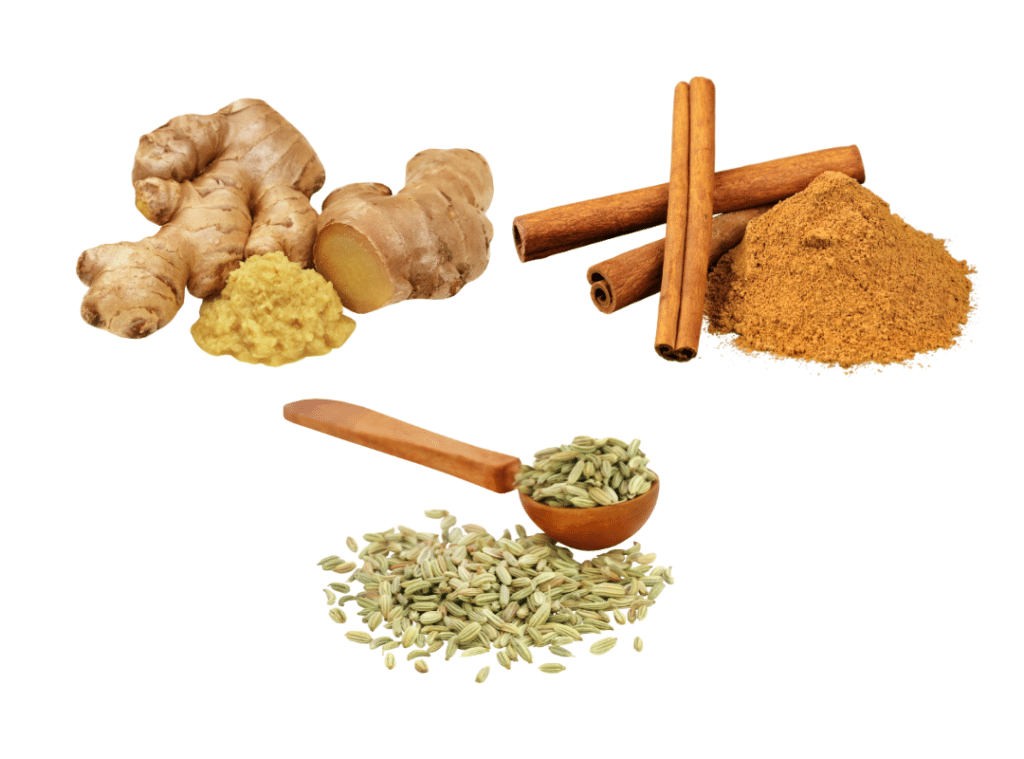
Ginger can ease digestion and nausea. Small amounts of fennel or peppermint may help digestion and appetite in some people. -
Vitamins and minerals
Vitamin D, B12, and iron can affect energy and appetite. Test levels and supplement only when needed. -
Multivitamins with calories
Look for supplements designed for older adults that add calories, protein, and micronutrients. -
Natural flavors and bitters
Bitter flavors in small amounts can stimulate digestion and appetite for some people.
Be transparent: evidence for some herbs as appetite stimulants is mixed. Use them cautiously, watch for interactions, and stop if side effects occur.
When to see a doctor about loss of appetite
Seek medical advice if appetite loss is sudden, severe, or linked to weight loss or other symptoms. See a clinician when you notice any of the following:
- Rapid weight loss or muscle loss.
- Persistent nausea, vomiting, or pain with eating.
- New mood changes or severe fatigue.
- Trouble swallowing, dental pain, or ill-fitting dentures.
Clinicians can check for infections, metabolic issues, medication effects, depression, or serious conditions. A team approach with a dietitian, dentist, or therapist can help find the right plan.

Personal experience and practical lessons from working with seniors
I have helped several families restore appetite with small, steady changes. One woman who lost 12 pounds regained her appetite after we switched to small savory snacks, added daily short walks, and fixed an ill-fitting denture. A man with slow eating improved when meals became social and when he drank his fluids between meals, not before.
Lessons learned
- Start small and be patient. Little wins add up.
- Respect preferences and lifelong food habits. Familiar foods often work best.
- Track food, mood, and medications to find patterns.
- Avoid pressure; encourage and praise efforts. Positive mealtime moments matter more than calories alone.
How to increase appetite in the elderly naturally worked best when families combined social, sensory, and nutritional strategies. That mix usually outperforms any single change.
Frequently Asked Questions of How to increase appetite in the elderly naturally
What foods most help increase appetite in seniors?
Choose nutrient-dense and high-calorie foods like avocado, full-fat yogurt, eggs, nuts, and olive oil. Soft, flavorful dishes make eating easier and more appealing.
Can exercise improve appetite in older adults?
Yes. Light physical activity such as walking or chair exercises before meals often boosts hunger and improves digestion. Start gently and increase activity slowly.
Are there safe herbal appetite stimulants for the elderly?
Some herbs like ginger may ease digestion and support appetite, but evidence is mixed. Always check with a clinician to avoid interactions with medications.
How can I manage taste changes that reduce appetite?
Use strong but familiar flavors, citrus, herbs, and warm foods to enhance aroma. Check for dry mouth and adjust medications if needed, with a clinician’s guidance.
When is poor appetite a sign of a serious problem?
Seek medical care if appetite loss is sudden, there is rapid weight loss, severe fatigue, or trouble swallowing. These can signal infection, metabolic disease, or other serious conditions.
Conclusion
Improving appetite in older adults often takes small, steady steps. Try more frequent, tasty small meals, add nutrient-dense foods, encourage light activity, and make mealtimes social and pleasant. Review medications and dental issues with health professionals and consider gentle supplements when needed. Start with one change this week—invite a friend to a meal, add a flavorful herb, or offer a small smoothie—and observe the difference. Share your progress, ask questions, or subscribe for more practical tips to support healthy aging and stronger appetite.

Michael Reynolds is a senior contributor at RetirementGazette.com, where he focuses on helping readers navigate the journey toward a secure and fulfilling retirement. With over a decade of experience in personal finance, retirement planning, and lifestyle writing, Michael combines practical strategies with easy-to-understand guidance tailored for both pre-retirees and those already enjoying their golden years.