New Jersey’s Senior Freeze usually reimburses the increase in eligible property taxes, rather than paying one fixed amount.
If you are asking how much is senior freeze in NJ, the answer depends on your base-year property taxes, current tax bill, income, and eligibility. This guide explains the formula, maximum limits, key rules, filing steps, and common mistakes so you can estimate your benefit with confidence.
How Much Is Senior Freeze in NJ?
The New Jersey Senior Freeze is a property tax reimbursement program. It is designed to protect eligible seniors and people with disabilities from increases in property taxes over time.
The benefit is usually based on the difference between:
• Your property taxes in the base year
• Your property taxes in the current year
For example, imagine these figures:
• Base-year property taxes: $6,500
• Current-year property taxes: $8,200
• Possible Senior Freeze reimbursement: $1,700
This example is only an estimate. The state may adjust the calculation based on eligibility rules, allowable taxes, ownership details, income, and the tax year involved.
When people search for how much is senior freeze in NJ, they often expect a standard payment. However, there is no single payment for every applicant. The reimbursement can be small, large, or even zero, depending on the difference between your base-year and current property taxes.

How the Senior Freeze Benefit Is Calculated
The Senior Freeze calculation is easier to understand when you view it as a “tax increase refund.” The program generally compares your property taxes in the base year with your taxes in the year for which you are applying.
A simple formula is:
Current-year property taxes − base-year property taxes = estimated reimbursement
Here are three examples:
Example 1: Property taxes increased
• Base-year taxes: $5,800
• Current-year taxes: $7,100
• Estimated difference: $1,300
The applicant may qualify for a reimbursement close to $1,300 if all program rules are met.
Example 2: Property taxes stayed the same
• Base-year taxes: $7,000
• Current-year taxes: $7,000
• Estimated difference: $0
There may be no Senior Freeze payment because there was no increase to reimburse.
Example 3: Property taxes decreased
• Base-year taxes: $8,000
• Current-year taxes: $7,600
• Difference: negative $400
A tax decrease generally does not create a negative payment. Instead, the applicant may receive no reimbursement for that year.
The exact amount of Senior Freeze in NJ can also depend on changes in home ownership, tax payments, property classification, and whether the applicant lived in the home for the required period.

What Is the Base Year?
The base year is the first year used to measure future property tax increases. It is important because the state compares later tax bills with the taxes paid during that year.
The base year is not always the year you moved into your home. It depends on the program rules and the date when you first qualified for the Senior Freeze benefit.
For many homeowners, the base year remains important for several years. If your property taxes rise after the base year, the increase may form the basis of your reimbursement.
Keep these records:
• Your property tax bills
• Proof of property tax payments
• Your closing documents, if you recently purchased the home
• Prior Senior Freeze applications
• Notices from the New Jersey Division of Taxation
A common mistake is assuming that the newest tax bill alone is enough. It is safer to keep a full record of both your base-year and current-year taxes.
Understanding the base year is one of the best ways to determine how much is senior freeze in NJ before you apply.
Who Qualifies for the New Jersey Senior Freeze?
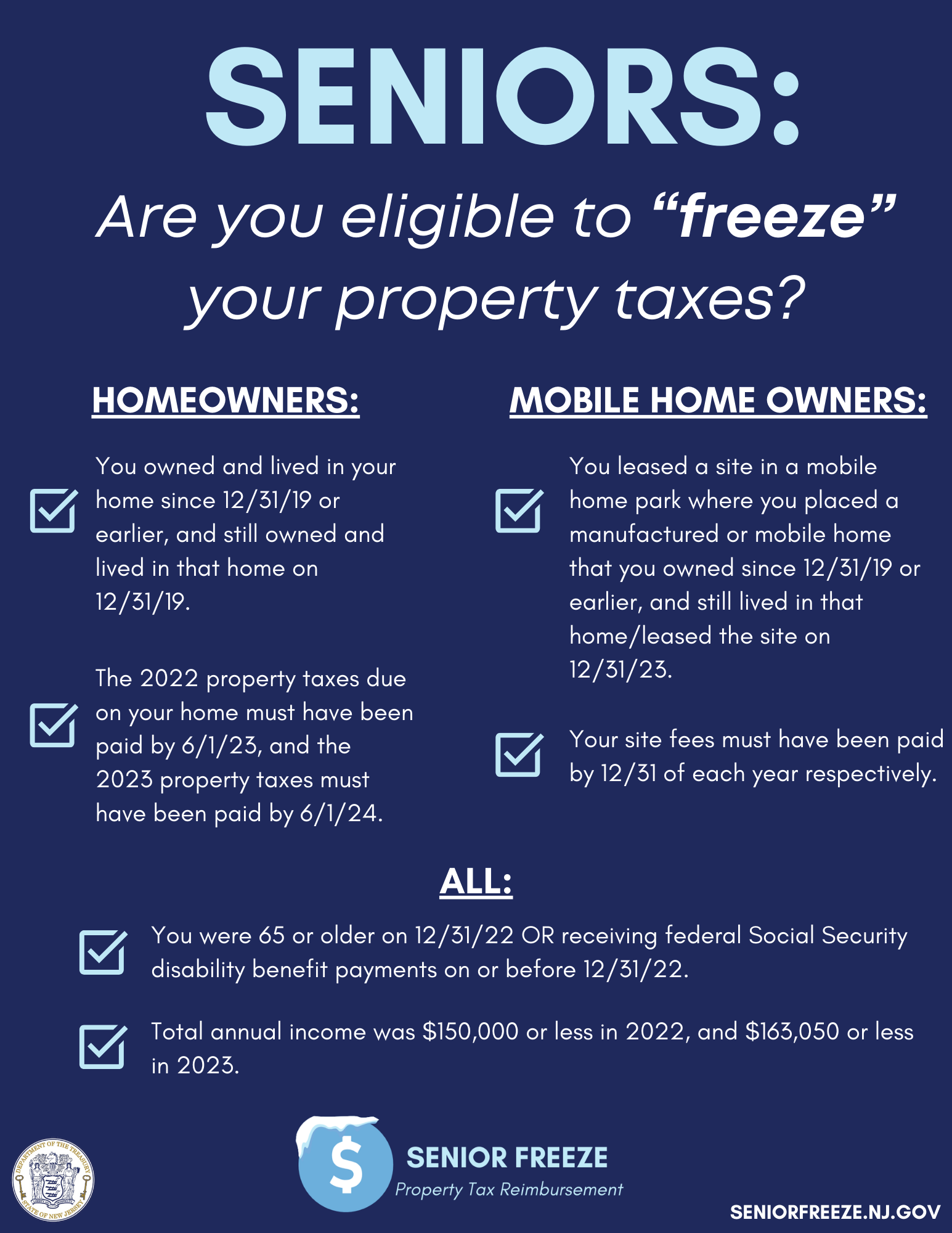
The program has several requirements. Meeting one rule does not guarantee approval. You generally must satisfy the age or disability rule, residency rule, ownership or tenancy rule, income rule, and property tax payment rule.
Typical requirements include:
• You must be a New Jersey resident for the required period.
• You must be at least 65 years old by the applicable date, or receive Social Security disability benefits.
• You must have owned or occupied the home for the required period.
• You must have paid all property taxes and municipal charges required by the program.
• Your income must be within the limit for the application year.
• The home must be your primary residence.
The rules can change by tax year. For example, the income limit may be adjusted, and filing deadlines may differ from one year to the next.
The Senior Freeze is not limited only to traditional single-family houses. Some eligible residents may qualify while living in condominiums, cooperative units, or manufactured homes. Special rules may apply to each type of property.
People who rent may qualify in limited situations, but the benefit is not the same as a standard renter tax credit. Always check the current state instructions before relying on an estimate of how much is senior freeze in NJ.
New Jersey Senior Freeze Income Limits
Income is one of the most important parts of the application. The state generally counts income from many sources, not only wages.
Potentially countable income may include:
• Social Security benefits
• Pension payments
• Annuity income
• Withdrawals from retirement accounts
• Interest and dividends
• Rental income
• Business income
• Capital gains
• Unemployment benefits
• Taxable and some nontaxable income
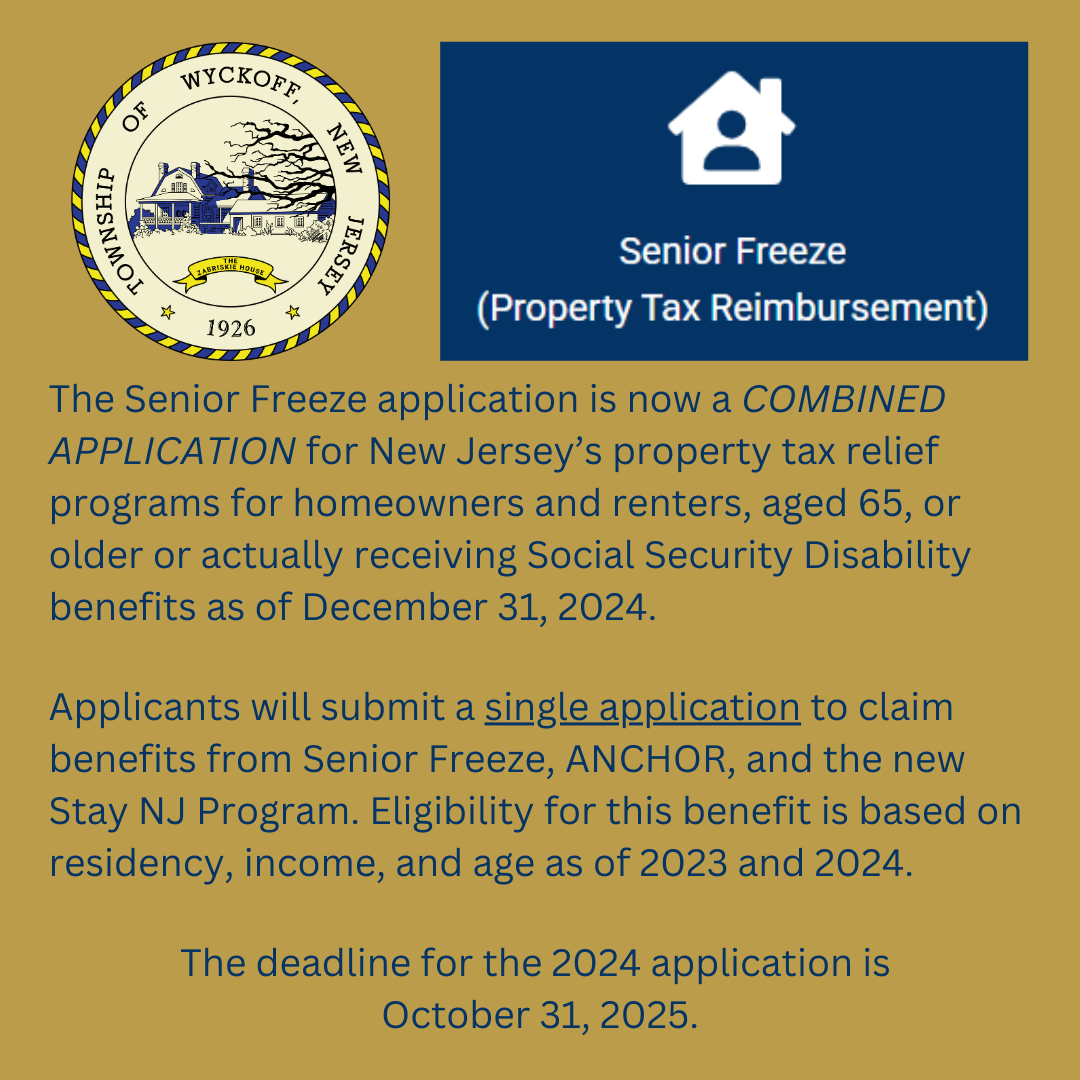
The income limit changes over time. For example, recent application years have used limits in the range of roughly $150,000 to more than $160,000, but you should verify the exact limit for the year you are claiming.
Do not assume that tax-free income is automatically excluded. The Senior Freeze application may use a different income calculation from your federal tax return.
If you are close to the limit, gather all income documents before applying. Missing a pension statement or retirement distribution can lead to an incorrect estimate of how much is senior freeze in NJ.

Is There a Maximum Senior Freeze Payment?
The state may limit the amount a person can receive, depending on the program rules for that year. In some years, the state also uses special adjustments or funding limits.
Because the payment is based on a tax increase, two neighbors may receive very different amounts. One homeowner may receive $300, while another may receive $2,000 or more if the eligible tax increase is greater and the applicant meets all requirements.
The most reliable way to find the current maximum is to review the latest Senior Freeze instructions from the New Jersey Division of Taxation. Do not depend on an old article, a prior payment, or a neighbor’s experience.
Your payment may also be reduced or denied if:
• You did not pay the required property taxes
• Your income exceeded the limit
• You moved during the relevant period
• The home was not your primary residence
• Your ownership period was too short
• Your application contained incorrect information
• You claimed property taxes that were not eligible
This is why the answer to how much is senior freeze in NJ should always be treated as a personalized estimate, not a guaranteed amount.

Senior Freeze Versus ANCHOR Property Tax Relief
New Jersey has more than one property tax relief program. The Senior Freeze and ANCHOR are different programs, although some people may qualify for both.
The Senior Freeze generally reimburses eligible increases in property taxes compared with a base year. ANCHOR provides property tax relief based on factors such as income, age, and whether you own or rent.
Here is a basic comparison:
| Program | Main purpose | How the amount is determined |
|---|---|---|
| Senior Freeze | Reimburses eligible property tax increases | Based mainly on the difference between current and base-year taxes |
| ANCHOR | Provides a separate property tax benefit | Based on program rules, income, age, and ownership or rental status |
You may need to file separate applications. Receiving one benefit does not always mean you automatically receive the other.
Before filing, read the instructions for each program. Confusing the two can cause applicants to report the wrong information or miss a deadline.

How to Apply for the Senior Freeze
The application process is manageable when you prepare your documents first.
1. Confirm your eligibility
Review your age or disability status, residency, ownership, income, and property tax payment history.
2. Collect your records
You may need:
• Social Security or disability benefit statements
• Pension and retirement income records
• Federal or state tax returns
• Property tax bills
• Proof of property tax payments
• Deed, settlement statement, or ownership records
• Prior Senior Freeze information
• Identification and residency documents
3. Find the correct application
Use the application for the correct tax year. New Jersey may offer online filing, paper filing, or both, depending on the program year.
4. Report income carefully
Follow the state’s definition of income. Do not copy only the number from one line of your federal tax return unless the instructions specifically tell you to do so.
5. Check the property tax figures
Compare the current-year tax amount with the correct base-year amount. If you are unsure, contact your municipal tax collector or the state tax program for help.
6. Submit before the deadline
Deadlines can change. If you need more time, check whether an extension is available and whether it applies to your situation.
7. Keep proof of filing
Save a copy of the application, confirmation number, supporting records, and any follow-up letters.
These steps can help you calculate how much is senior freeze in NJ and reduce delays caused by missing or inconsistent information.
Common Mistakes That Reduce or Delay the Benefit
Many problems come from simple paperwork errors. A careful review can prevent most of them.
Using the wrong tax year
An applicant may use last year’s tax bill instead of the tax bill requested on the form. Always match the property tax figures to the application year.
Reporting incomplete income
Some applicants report Social Security but forget pension income, interest, or retirement withdrawals. The state may compare your application with other records.
Assuming all property charges qualify
Property tax bills can include local charges, assessments, sewer fees, and other items. Not every charge is treated the same way for the Senior Freeze calculation.
Forgetting ownership changes
A refinance is different from a sale, and a transfer into a trust may affect documentation. Report ownership changes clearly.
Missing proof of payment
A bill shows what you owed. It may not prove that you paid it. Keep canceled checks, payment confirmations, escrow records, or municipal receipts when available.
Applying for only one program
Some homeowners apply for the Senior Freeze but forget to check whether they may also qualify for ANCHOR or another relief program.
The biggest lesson is simple: estimate the benefit, but do not treat the estimate as final until the state reviews your application.
How to Estimate Your Senior Freeze Payment
You can make a basic estimate at home.
- Find the property tax amount for your base year.
- Find the property tax amount for the current application year.
- Subtract the base-year amount from the current-year amount.
- Review the program’s rules for eligible taxes and maximum payments.
- Confirm that your income and personal details meet the requirements.
For example:
• Base-year property tax: $6,250
• Current property tax: $7,900
• Difference: $1,650
The estimated Senior Freeze amount would be $1,650 before any program adjustments or limits.
This estimate does not replace the state’s calculation. It is best used as a planning tool. If the result seems unusually high or low, check whether you used the correct tax year and included only eligible property taxes.
What to Do If Your Application Is Denied
A denial does not always mean that you made a serious mistake. The state may need more information or may have found a difference between your application and its records.
Read the denial notice carefully. It should explain the reason or provide instructions for correcting the issue.
Possible next steps include:
• Checking whether an income figure was entered incorrectly
• Providing missing proof of payment
• Confirming your ownership dates
• Correcting a property tax amount
• Contacting the New Jersey Division of Taxation
• Filing an appeal or reconsideration request when allowed
Do not ignore a notice. Appeal deadlines are often limited, and waiting too long can remove your ability to challenge the decision.
If your situation involves a trust, divorce, inherited property, disability benefits, or a recent move, a tax professional or benefits counselor may be able to review the application with you.
Real-World Tips for Seniors and Caregivers
The application can feel confusing, especially when a family member handles bills or tax documents. A caregiver can help organize records, but the applicant remains responsible for providing accurate information.
Create a simple folder with these sections:
• Income
• Property taxes
• Payment proof
• Prior applications
• State notices
• Identification and residency
Keep digital copies as well as paper copies. Take a photo or scan of each important document before mailing anything.
Another helpful tip is to compare your estimate with your prior Senior Freeze payment. A major change may be valid, but it deserves a second review. Property tax increases, income changes, or a change in ownership can all affect how much is senior freeze in NJ.
Avoid paying a company that promises a guaranteed benefit. No private service can guarantee approval, and official state resources are the safest place to confirm current rules.
How Much Is Senior Freeze in NJ? Key Facts to Remember
The most important facts are these:
• The Senior Freeze is not one fixed payment.
• The benefit usually reflects an eligible increase in property taxes.
• Your base year plays a central role in the calculation.
• Income limits and other eligibility rules apply.
• You must generally pay the required property taxes.
• The application year matters.
• The benefit may differ from your neighbor’s payment.
• The state’s final review controls the actual amount.
If your property taxes rose substantially while your income remains within the program limit, it is worth checking your eligibility.
Frequently Asked Questions About How Much Is Senior Freeze in NJ
Is the New Jersey Senior Freeze a fixed amount?
No. The payment usually depends on the eligible increase between your current-year property taxes and your base-year property taxes. Income, ownership, tax payments, and yearly program limits can also affect the final amount.
How do I calculate how much is senior freeze in NJ?
Subtract your base-year property taxes from your current-year property taxes. This gives you a rough estimate, but the state may exclude certain charges or apply other adjustments.
Can I receive Senior Freeze and ANCHOR benefits?
You may qualify for both programs because they serve different purposes. However, each program may require its own application and eligibility review.
Do I need to be 65 to qualify?
Many applicants qualify by being at least 65 years old by the required date. Some people under 65 may qualify through a qualifying disability, subject to the program’s specific rules.
Does Social Security count as income?
Social Security is generally considered when determining program income. The state’s income rules may differ from the figure shown on your federal tax return, so review the current instructions carefully.
Can renters receive the Senior Freeze?
Some renters may qualify under special rules, but the requirements and calculation differ from those for homeowners. Renters should use the official application instructions for the applicable tax year.
What if I did not pay all my property taxes?
Failure to pay required property taxes can affect eligibility or delay the benefit. Before applying, confirm your payment status with your municipal tax office and keep proof of payment.
When will I receive my Senior Freeze payment?
Payment timing varies by tax year and application status. Incomplete applications, document requests, or state processing delays can postpone payment.
Conclusion
The answer to how much is senior freeze in NJ depends mainly on the increase in your eligible property taxes from the base year to the current year. There is no universal payment, so use your tax records, income details, and the current state instructions to create a realistic estimate.
Check your eligibility early, keep proof of every payment, and review the application before submitting it. For the most accurate information, visit New Jersey’s official tax relief resources or contact the Division of Taxation, then share this guide with a senior or caregiver who may benefit.

Michael Reynolds is a senior contributor at RetirementGazette.com, where he focuses on helping readers navigate the journey toward a secure and fulfilling retirement. With over a decade of experience in personal finance, retirement planning, and lifestyle writing, Michael combines practical strategies with easy-to-understand guidance tailored for both pre-retirees and those already enjoying their golden years.