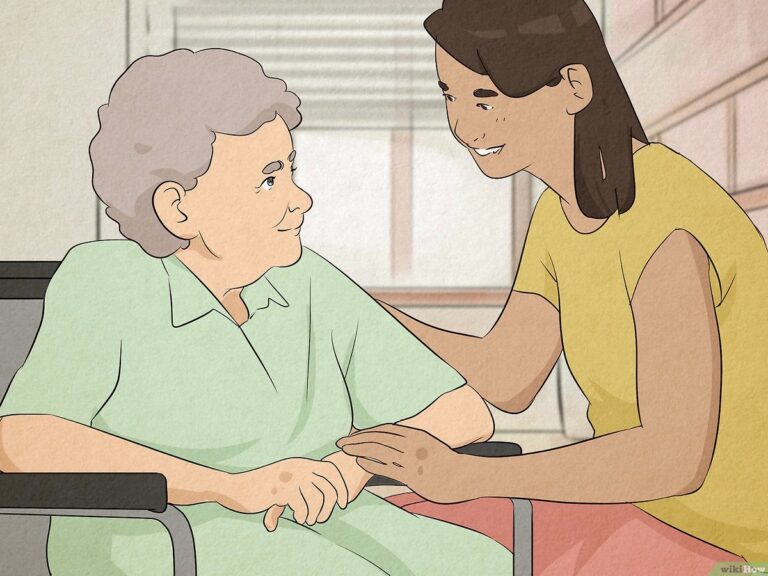
A rollator walker helps with balance, mobility, and independence when used correctly.
I have guided many people learning how to use a rollator walker, from first-time users to caregivers. This article explains practical steps, safety tips, and common adjustments so you can move confidently and stay independent. Read on for clear, trusted guidance based on hands-on experience and best practices for using a rollator safely and effectively.

Why a rollator walker helps: benefits and basics
A rollator walker gives support without locking you into a rigid posture. It combines a frame, wheels, hand brakes, and often a seat and storage. Knowing how to use a rollator walker well reduces falls and improves stamina.
Benefits include better balance, less fatigue, and easier transfers. A rollator helps you rest when needed and carry personal items. Understanding the basics makes every outing safer and more comfortable.
Key parts and adjustments to inspect before use
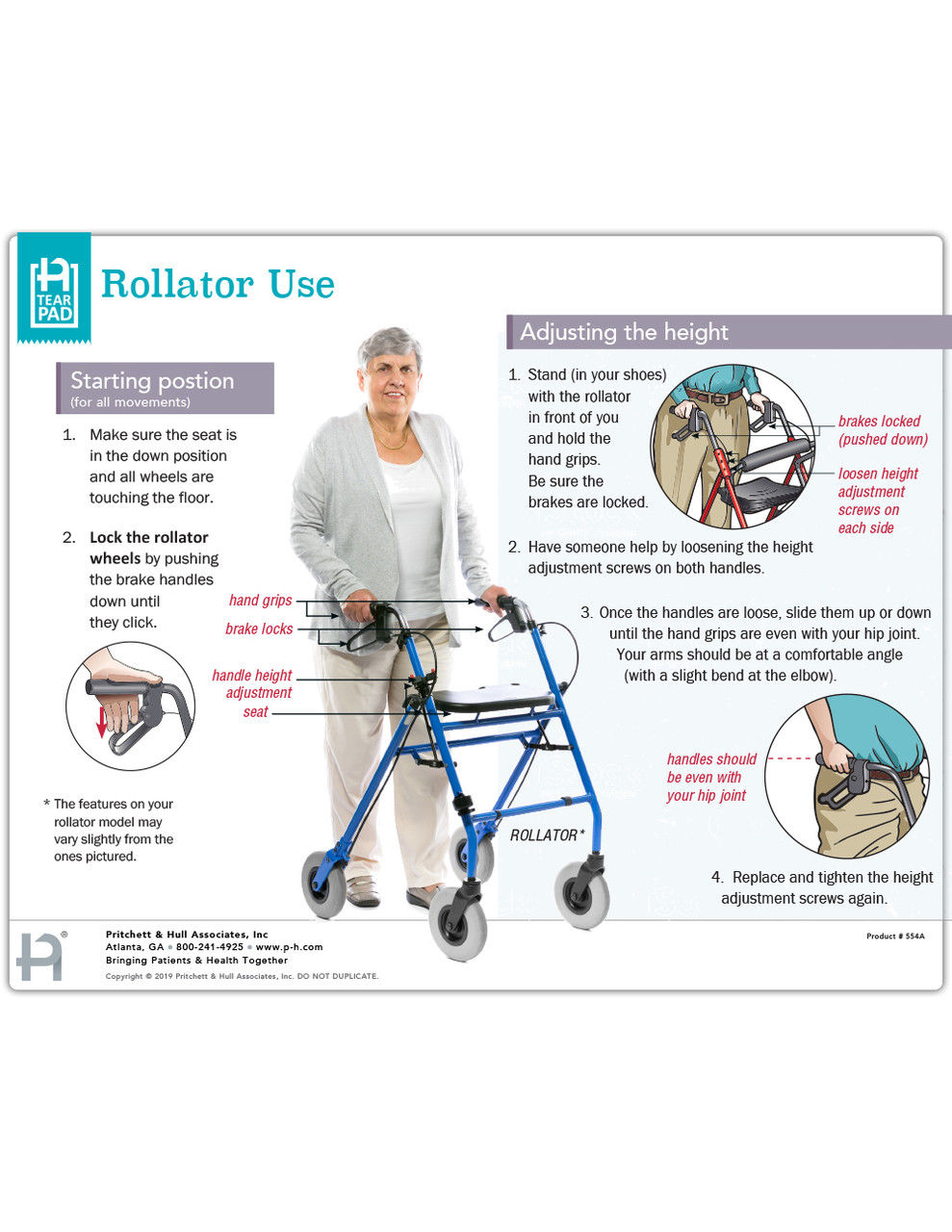
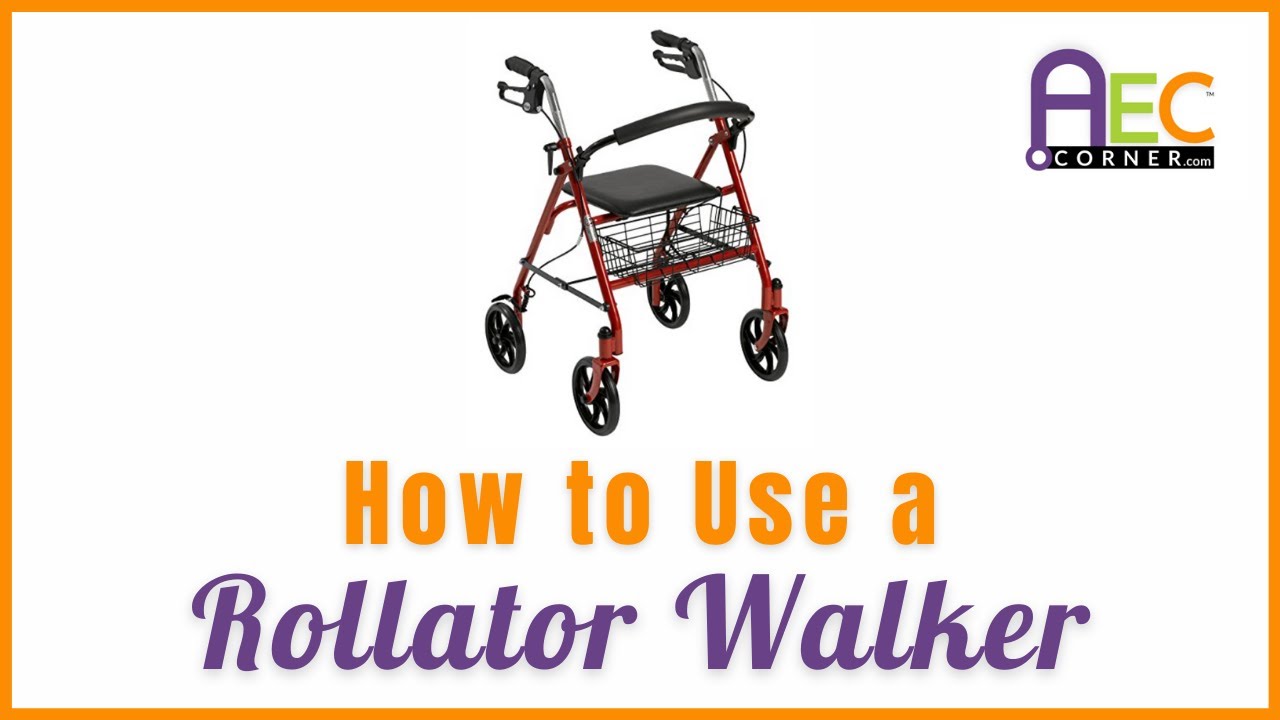
Know the main parts before you learn how to use a rollator walker. Check these components each time you use it.
- Frame: The main structure that folds and supports weight.
- Wheels: Usually four wheels; ensure they roll freely.
- Handles and brakes: Adjust height and test braking.
- Seat and backrest: For resting if present.
- Basket or bag: Keep items secure and balanced.
Adjust handle height so your elbows bend about 20 to 30 degrees when holding the grips. This keeps shoulders relaxed and gives better control. Tighten loose knobs and test the brakes on a flat surface before walking.

Preparing and fitting: first steps to set up correctly
Proper fit prevents strain and improves control. Take time to set up the rollator the first time and after any change.
- Wear stable shoes and comfortable clothing.
- Set handle height parallel to your wrist when arms hang at your sides.
- Lock or test brakes to ensure they hold.
- Check tire pressure or wheel bearings for smooth motion.
I once adjusted a rollator for an older neighbor who had been leaning forward. After raising the handles slightly, he stood taller and walked with less pain. Small changes matter.

Step-by-step: how to use a rollator walker for walking
Follow these steps when walking with a rollator. Practicing in a quiet area helps build confidence.
- Stand close to the rollator with feet shoulder-width apart.
- Hold both handles firmly and release any parking brake.
- Push the rollator forward slightly and step forward into its center.
- Walk at a steady pace, keeping your weight centered.
- Use the brakes to slow down or stop; squeeze and hold to reduce speed.
Keep your shoulders relaxed and look ahead, not at your feet. If the rollator feels unstable, stop and check handle height and wheel function.

Turning, navigating tight spaces, and backing up
Turning smoothly and managing tight spaces keeps you safe in homes and stores.
- To turn, take small steps and pivot the rollator with short pushes.
- For narrow doorways, angle the rollator and step in carefully.
- When backing up, take a step back first, then pull the rollator toward you.
- Avoid sudden, sharp turns at speed; slow down before changing direction.
Practice makes these maneuvers feel natural. In crowded places, slow your pace and stay aware of obstacles.
Using the rollator to sit and stand safely
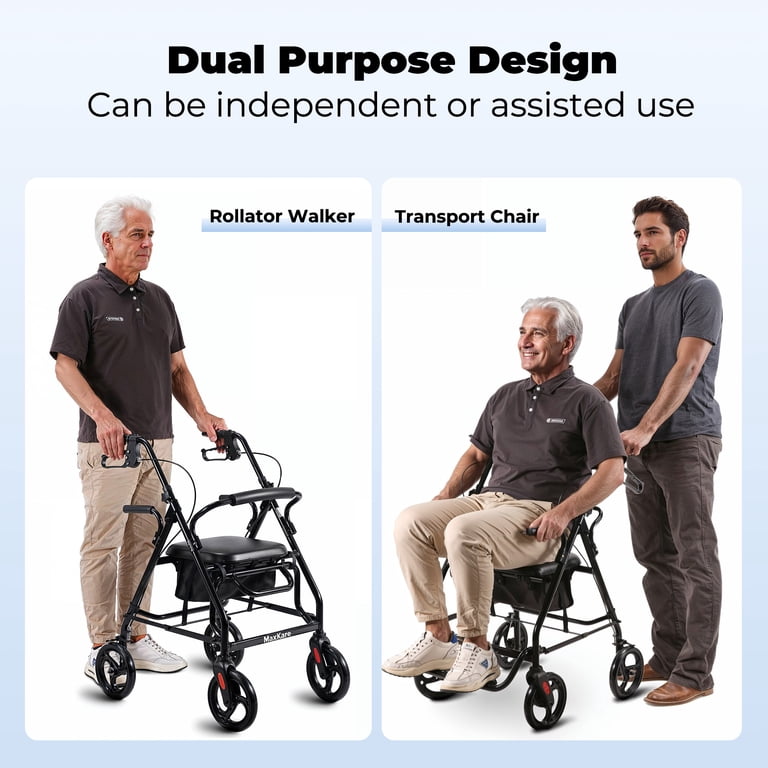
Many rollators include a seat. Sit and stand safely to avoid strain.
- To sit: come to a full stop, engage the parking brake, turn to face the seat, and lower yourself slowly while holding both armrests or handles.
- To stand: scoot forward to the edge, place both feet firmly on the floor, push up using leg strength and hand support, and then release the brake only when steady.
- Use the brakes while seated to prevent roll before standing.
If you struggle rising, consider a rollator with a higher seat or add a cane for extra support during transfers.

Handling curbs, inclines, and uneven ground
Different terrains require safer techniques. Know how to use a rollator walker on slopes and curbs.
- Up a curb or incline: push straight and use short, steady steps. Lean slightly forward for uphill.
- Down a curb or incline: back down slowly or sit and lower the rollator in stages. Keep brakes engaged as needed.
- Uneven ground: slow your pace and watch for loose gravel or potholes. Take small steps and keep the rollator close.
When in doubt, get help. A caregiver can steady the rollator through tricky spots until you feel confident.

Braking techniques and emergency stops
Good braking prevents accidents. Learn how the brakes respond and practice controlled stops.
- Squeeze and hold hand brakes to slow down gradually.
- For a quick stop, evenly squeeze both brakes and plant a foot to brace if needed.
- Use the parking brake when seated or stationary on sloped surfaces.
Practice braking indoors before heading outside. Familiarity reduces panic and improves reaction time.
Maintenance and care to ensure longevity and safety
Regular maintenance keeps your rollator reliable and safe to use. A few checks each week go a long way.
- Wipe the frame and inspect for cracks or bent parts.
- Check wheels for wear and clear debris.
- Test brakes for responsiveness and adjust cable tension when needed.
- Tighten all nuts and bolts monthly.
Replace worn parts promptly. Proper care prevents breakdowns and reduces fall risk.
Common mistakes and how to avoid them
Many users make simple errors when learning how to use a rollator walker. Avoid these to stay safe.
- Mistake: Using handles set too low or too high. Fix: Adjust handles so wrists are level when standing naturally.
- Mistake: Leaning on the rollator too far forward. Fix: Stand upright and let the rollator support balance, not full body weight.
- Mistake: Putting heavy items in a basket that shifts weight. Fix: Carry weight close to the center or in a backpack.
Learning from mistakes speeds progress. I once saw a user overload a basket, causing the rollator to tip on uneven ground. Moving items to a backpack solved it.
Practical tips and real-life use cases
Here are hands-on suggestions that helped my clients feel more confident and mobile.
- Use a small crossbody bag rather than hanging heavy bags on the handles.
- Practice indoors to learn turning and braking without traffic.
- Attach a cup holder for hydration on long walks.
- Keep a phone and emergency contact list in an easy-to-reach pocket.
These small habits make daily trips easier and more pleasant.
Common usage questions (PAA-style)
What if the rollator feels wobbly when I walk?
Check wheel alignment, tighten loose bolts, and confirm handle height. If wobble continues, have a technician inspect bearings.
Can I use a rollator on stairs?
No. Rollators are not safe for stairs. Use ramps or get help carrying the device up and down stairs.
How to stop a rollator from rolling away when seated?
Always engage the parking brake before sitting. If no parking brake, position the rollator against a stable surface.
Frequently Asked Questions of How to use a rollator walker
How do I adjust the handle height correctly?
Set handles so your elbows bend about 20 to 30 degrees when you hold the grips. This keeps your shoulders relaxed and improves control.
Can I use a rollator walker if I have weak hands?
Yes, but choose a model with easy-to-squeeze brakes or loop-style brakes. Consider brakes that lock in the down position for extra safety.
Is a rollator walker better than a cane?
A rollator offers more stability and support for long walks. A cane is lighter and better for short distances or tight spaces.
How often should I maintain my rollator?
Do quick checks weekly and a full inspection monthly. Replace worn wheels or loose parts promptly to prevent accidents.
Are rollators safe on all surfaces?
Rollators work on many surfaces but be cautious on ice, deep gravel, or very uneven ground. Choose larger wheels for outdoor use when possible.
How do I store a rollator when not in use?
Fold it according to the manufacturer’s instructions and store in a dry area. Avoid stacking heavy items on top.
Can I use a rollator for long walks outdoors?
Yes, with the right model and tires. Test short routes first and carry water, a phone, and emergency supplies.
Conclusion
Learning how to use a rollator walker improves safety, confidence, and independence. Start with proper fit, practice braking and turning, and maintain the device regularly. Small adjustments and mindful habits make a big difference.
Take one step today: check your rollator for fit and safety, try a short practice walk, and share your experience in the comments or subscribe for more mobility tips.

Michael Reynolds is a senior contributor at RetirementGazette.com, where he focuses on helping readers navigate the journey toward a secure and fulfilling retirement. With over a decade of experience in personal finance, retirement planning, and lifestyle writing, Michael combines practical strategies with easy-to-understand guidance tailored for both pre-retirees and those already enjoying their golden years.