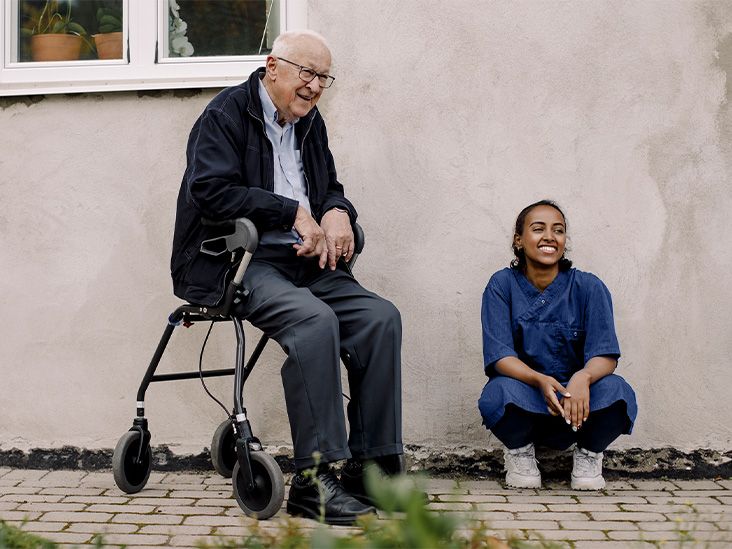
Seniors can receive personal care, meal help, health support, transportation, chores, and safety services at home.
Knowing what services are available for seniors at home can make daily life safer, easier, and more comfortable. The right support may help an older adult stay independent, reduce family stress, and delay or avoid a move to assisted living. This guide explains the main options, costs, benefits, limits, and steps for choosing reliable in-home care.
What Services Are Available for Seniors at Home?
The answer depends on a senior’s health, mobility, budget, and location. Some people need help with bathing and meals, while others need skilled nursing after surgery or support for memory loss.
The most common services include:
• Personal care, such as bathing, dressing, grooming, and toileting
• Homemaker help, including laundry, light cleaning, shopping, and meal preparation
• Companionship and emotional support
• Home health care from nurses, physical therapists, occupational therapists, or speech therapists
• Medication reminders and health monitoring
• Transportation to medical visits, stores, and social events
• Respite care for family caregivers
• Dementia and Alzheimer’s support
• Hospice and palliative care
• Home safety checks and fall prevention
• Meal delivery and nutrition programs
• Emergency response systems and remote health monitoring
A useful way to think about these services is as a support ladder. Nonmedical help supports daily tasks. Skilled care addresses medical needs. Many seniors use both types at different times.

Nonmedical Home Care Services
Nonmedical home care helps with daily living. It does not replace a doctor or nurse, but it can make everyday tasks much safer. A home care aide may visit for a few hours each day or stay for longer shifts, depending on the care plan.
Personal care is one of the most requested services. It may include:
• Help getting in and out of bed
• Bathing or showering
• Dressing and undressing
• Brushing teeth and hair
• Using the toilet
• Walking safely around the home
• Eating and drinking
A caregiver may also prepare simple meals, wash dishes, change bed linens, take out the trash, and do light laundry. These tasks can seem small, but they often become difficult after an illness, injury, or loss of balance.
Companionship is another important service. A caregiver might read with a senior, play cards, take a walk, or simply talk over coffee. Social contact can help reduce loneliness and may encourage better eating, movement, and medication habits.
It is important to ask what an agency means by “light housekeeping.” Some providers do basic cleaning only. Deep cleaning, yard work, home repairs, and heavy lifting may cost extra or may not be offered.

Skilled Home Health Care
Skilled home health care is medical care provided in a person’s home. It usually requires a referral or order from a licensed health care provider. The senior may need to meet specific insurance rules, such as being homebound and needing intermittent skilled care.
Common skilled services include:
Skilled nursing
A home health nurse may help with:
• Wound care
• Injections
• Catheter care
• Diabetes checks
• Recovery after surgery
• Medication teaching
• Blood pressure or symptom monitoring
• Education for the senior and family caregiver
The nurse does not usually stay all day. Visits may last less than an hour or a few hours, based on the care plan.
Physical, occupational, and speech therapy
Physical therapy can improve strength, balance, walking, and recovery after a fall or stroke. Occupational therapy helps a senior complete daily tasks and use tools or equipment safely.
Speech therapy may help with communication, memory skills, or swallowing problems. Swallowing issues deserve prompt attention because they can lead to choking, dehydration, or pneumonia.
Medical social work
A medical social worker may connect families with benefits, transportation, counseling, financial support, housing resources, or caregiver programs. This service is often helpful when care needs are changing quickly.
When people ask what services are available for seniors at home, they sometimes confuse home health care with private-duty home care. Home health is generally clinical and short term. Private-duty home care is often nonmedical and may continue for months or years.
Services for Seniors With Dementia or Alzheimer’s Disease
Dementia care at home focuses on safety, routine, and calm support. A trained caregiver can offer reminders, guide activities, prepare meals, and watch for changes in mood or behavior.
Useful dementia services may include:
• Supervision during the day
• Help with bathing and dressing
• Meal preparation and hydration reminders
• Medication reminders
• Wandering prevention
• Transportation to appointments
• Cognitive activities
• Respite care for family members
A predictable routine often works better than repeated commands. For example, a caregiver might use the same steps each morning: bathroom, wash, dress, breakfast, and a short walk. Simple routines can reduce confusion.
Families should ask whether the caregiver has dementia training. They should also discuss how the provider handles agitation, falls, wandering, refusal of care, and emergencies.
Home care cannot remove every dementia risk. A senior who wanders, leaves appliances on, falls often, or becomes aggressive may need more supervision than one caregiver can provide. In some cases, memory care or skilled nursing may become safer.

Transportation, Meals, and Community Support
Not every senior needs a caregiver inside the home. Some need practical help that keeps them connected to the community.
Transportation services may provide rides to:
• Doctor and therapy appointments
• Pharmacies
• Grocery stores
• Senior centers
• Religious services
• Hair appointments
• Social activities
Options may include paratransit, volunteer driver programs, county services, ride programs, and transportation offered by senior centers. Always check whether the driver can assist with walkers, wheelchairs, or transfers.
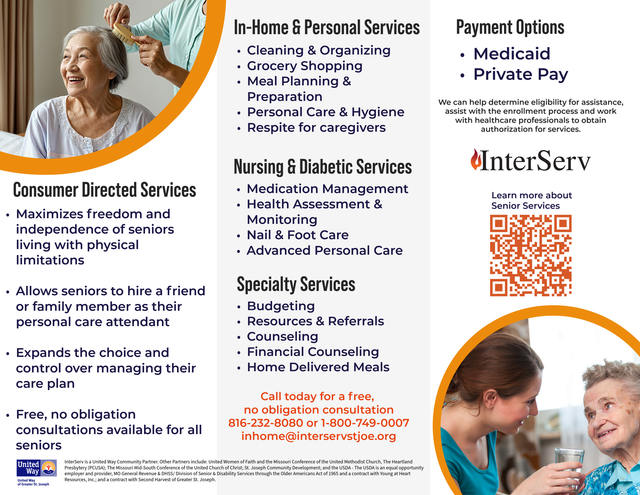
Meal support is also central to what services are available for seniors at home. Programs may deliver prepared meals, provide congregate meals at a senior center, or connect older adults with grocery delivery.
A nutrition service can help when a senior has trouble cooking, loses weight, follows a special diet, or cannot shop safely. Ask whether meals meet needs such as low sodium, diabetes-friendly, soft, renal, or texture-modified diets.
Area Agencies on Aging and local aging offices often know about transportation, meals, caregiver support, legal aid, and home repair programs. Services vary by county, and some have waiting lists, so early contact is wise.

Home Safety and Fall Prevention Services
Falls are a major concern for older adults. A safety visit can identify hazards before they cause an injury. The goal is not to make the home look like a hospital. It is to make movement easier and safer.
A home safety review may check:
• Loose rugs and clutter
• Poor lighting
• Missing stair rails
• Slippery bathroom floors
• Low chairs that are hard to leave
• Unsafe electrical cords
• Lack of grab bars
• Medication storage
• Smoke and carbon monoxide alarms
An occupational therapist can recommend equipment based on the senior’s actual needs. Possible tools include shower chairs, raised toilet seats, transfer benches, walkers, bed rails, and grab bars.
Emergency response systems can add another layer of protection. Some use a button worn as a pendant or wristband. Newer systems may detect falls or use GPS, but automatic fall detection is not perfect. A person may still need to press the button or call for help.
One practical lesson families often learn too late is that equipment should be fitted and used correctly. A walker that is too high, a loose grab bar, or a bed rail used without guidance can create new risks.
Hospice, Palliative, and Respite Care at Home
Hospice care supports a person with a terminal illness when the focus has shifted from cure to comfort. Services may include nursing visits, pain and symptom management, medical equipment, counseling, spiritual care, and support for family members.
Palliative care is different. It can begin at any stage of a serious illness and may occur alongside treatment. It focuses on comfort, symptoms, communication, and quality of life.
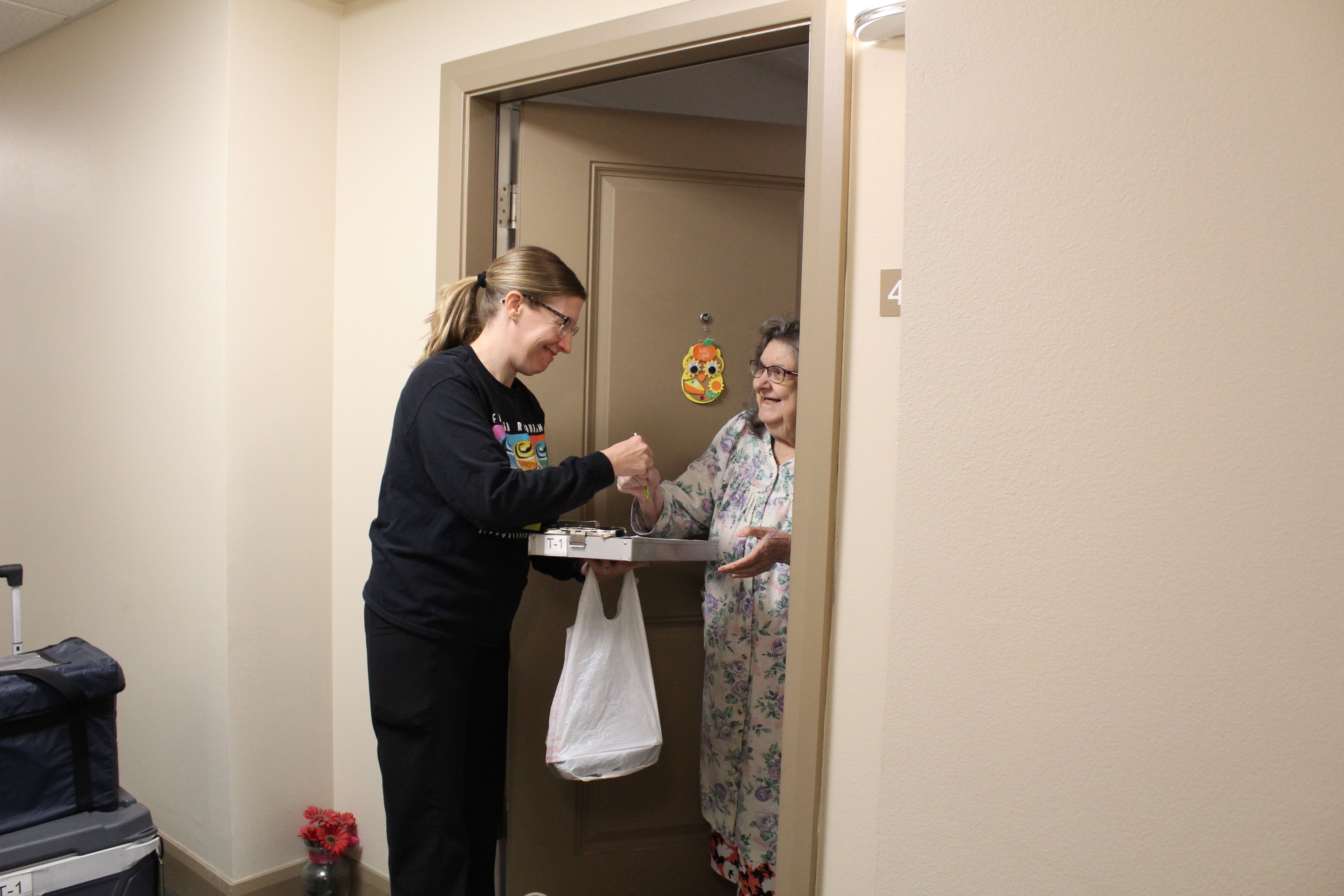
Respite care gives family caregivers time to rest, work, attend appointments, or manage other responsibilities. It may be provided by a paid aide, an adult day program, a volunteer group, or another family member.
These services can be deeply helpful, but they do not always provide round-the-clock care. Ask how often staff visit, who answers calls at night, and what happens during an urgent change in condition.
Who Pays for Senior Home Care?
The cost of senior home care can vary widely. Key factors include the type of service, location, number of hours, caregiver qualifications, and whether care is provided by an agency or an independent worker.
Possible payment sources include:
• Private funds
• Long-term care insurance
• Medicaid waiver programs
• Veterans benefits
• Medicare for eligible skilled home health services
• Medicare Advantage plan benefits
• State or county aging programs
• Area Agency on Aging assistance
• Charitable and community programs
Medicare generally does not pay for unlimited custodial care, such as ongoing help with bathing, cooking, or cleaning, when that is the only care needed. It may cover certain skilled home health services when eligibility rules are met.
Medicaid rules differ by state. Some programs may cover personal care, adult day services, respite, or home and community-based services. Veterans and their spouses may qualify for support through Department of Veterans Affairs programs, depending on service history, income, disability, and care needs.
Before hiring anyone, request a written estimate. Ask about hourly rates, minimum visit times, holiday charges, transportation fees, cancellation policies, and overtime. A low hourly price may not be the lowest total cost if the provider adds many fees.

How to Choose Reliable In-Home Senior Services
Finding care is not only about price. It is about fit, safety, communication, and trust. A caregiver may have excellent skills but still be a poor match if the senior feels uncomfortable or ignored.
Use this process:
-
List the senior’s needs. Separate daily tasks, medical needs, safety concerns, and social goals.
-
Decide how many hours are needed. Start with a realistic schedule, not the smallest possible one.
-
Ask for referrals. Doctors, discharge planners, social workers, senior centers, and trusted friends may know reputable providers.
-
Check licensing and insurance. Requirements differ by state, so confirm the agency follows local rules.
-
Ask about background checks. Find out whether checks apply to every caregiver or only some workers.
-
Confirm training. Ask about dementia, transfers, fall prevention, infection control, and emergency response.
-
Request references. Speak with current or former clients when possible.
-
Review the care plan. It should explain tasks, visit times, goals, supervision, and communication.
-
Plan a trial period. A short trial can reveal whether the schedule and caregiver are a good fit.
-
Reassess often. Needs may change after a fall, hospital stay, medication change, or new diagnosis.
During interviews, ask questions such as:
• What happens if the caregiver is sick?
• Is there a backup worker?
• Who supervises the caregiver?
• How are complaints handled?
• Can the caregiver drive?
• Will the caregiver lift or transfer the senior?
• How does the agency protect privacy?
• Does the caregiver document meals, falls, or medication reminders?
A written care plan is like a road map. It helps the senior, family, caregiver, and health team follow the same route.

How to Create a Safe Home Care Plan
A good plan starts with the senior’s wishes. Ask what kind of help feels useful and what feels intrusive. Independence does not mean doing everything alone. It means having a say in how support is provided.
Include the following details:
• Medical conditions and allergies
• Current medications
• Emergency contacts
• Preferred doctors and pharmacies
• Daily routines
• Food preferences
• Mobility limits
• Communication needs
• Cultural or religious preferences
• Pets in the home
• Tasks the caregiver should not perform
Keep medication lists updated, but do not ask an unlicensed caregiver to administer medications unless local rules and agency policies allow it. “Medication reminders” may mean prompting a person to take a dose, while medication administration means giving or handling the medicine.
Protect against abuse and financial exploitation. Warning signs include unexplained bruises, sudden changes in accounts, missing items, fear of a caregiver, poor hygiene, or a senior becoming unusually withdrawn. Take concerns seriously and contact the appropriate adult protective services office or emergency service when needed.
Privacy also matters. Discuss where care notes are stored, who can receive health information, and whether cameras are used. Cameras should never be placed in private areas such as bathrooms without clear legal and ethical guidance.
Benefits and Limits of Senior Home Care
Home care can offer meaningful benefits:
• Greater comfort in a familiar setting
• More control over daily routines
• Support with personal tasks
• Fewer transportation challenges
• Relief for family caregivers
• Better follow-through with meals and appointments
• Help with recovery after illness or surgery
Still, home care has limits. It may not be safe for a person who needs continuous medical monitoring, frequent two-person transfers, or complex care beyond the provider’s training.
Caregiver schedules can also change. Agencies may struggle with staffing, especially in rural areas. Costs can rise when a senior needs many hours each week.
The best choice is the safest setting that also respects the senior’s preferences. That setting may be the person’s home today and a different setting later. Planning ahead makes those changes less rushed and emotional.
Frequently Asked Questions About What Services Are Available for Seniors at Home
What services are available for seniors at home if they only need help with daily tasks?
They may receive personal care, meal preparation, light housekeeping, laundry, companionship, errands, and transportation. These services are usually called nonmedical home care or personal care services.
Does Medicare pay for senior home care?
Medicare may cover eligible skilled home health care, such as nursing or therapy, when specific requirements are met. It generally does not cover unlimited long-term help with bathing, cooking, or cleaning when custodial care is the only need.
What is the difference between home care and home health care?
Home care usually means nonmedical help with daily living and companionship. Home health care is clinical care from licensed professionals, such as nurses and physical or occupational therapists.
Can seniors receive dementia care at home?
Yes. Services may include supervision, personal care, meal support, routines, transportation, and respite for family caregivers. The home must be assessed carefully if the senior wanders, falls, or needs constant monitoring.
How many hours of home care does a senior need?
The number of hours depends on daily needs, safety risks, and family availability. Some seniors need a few visits each week, while others need several hours each day or live-in support.
How can I find senior services in my area?
Start with a doctor, hospital social worker, local senior center, or Area Agency on Aging. These groups can explain local programs, eligibility rules, waiting lists, and payment options.
What should I do if a home caregiver is not a good fit?
Tell the agency or care manager about the problem quickly and document specific concerns. Ask for a replacement or a care-plan review, and report suspected abuse, neglect, or financial exploitation to the proper authorities.
Conclusion
What services are available for seniors at home ranges from personal care and companionship to skilled nursing, therapy, transportation, meals, dementia support, hospice, and home safety help. The right choice depends on health needs, daily routines, safety, budget, and the senior’s own preferences.
Begin with a clear needs list and speak with trusted local professionals. Compare providers, review costs, check credentials, and create a written care plan before services begin. Explore local aging resources today, and share your questions or experiences with senior home care in the comments.

Michael Reynolds is a senior contributor at RetirementGazette.com, where he focuses on helping readers navigate the journey toward a secure and fulfilling retirement. With over a decade of experience in personal finance, retirement planning, and lifestyle writing, Michael combines practical strategies with easy-to-understand guidance tailored for both pre-retirees and those already enjoying their golden years.