
Start a senior care service by choosing your care model, meeting state rules, hiring trained staff, and building trust.
Starting a senior care service can be meaningful and profitable when it is built on safety, compassion, and strong planning. Older adults and their families need reliable help with daily tasks, personal care, transportation, companionship, and health-related support.
This guide explains how to start a senior care service in the United States, from choosing your services to setting prices, hiring caregivers, finding clients, and protecting your business. It also covers common mistakes, legal duties, and practical lessons that can save you time and money.
Understand What a Senior Care Service Does
A senior care service supports older adults who want to remain safe and comfortable at home. Many clients need help with daily activities but do not need full-time medical care. This type of support is often called nonmedical home care or in-home senior care.
Common services include:
• Companionship and conversation
• Meal planning and light meal preparation
• Housekeeping and laundry
• Grocery shopping and errands
• Transportation to appointments
• Help with bathing, dressing, and grooming
• Medication reminders
• Mobility support
• Respite care for family caregivers
• Dementia-friendly supervision
A senior care service is different from a home health agency. Home health care usually includes skilled medical services from nurses, therapists, or other licensed professionals. Nonmedical care focuses on daily living, comfort, safety, and social connection.
Some businesses offer both types of care. However, adding medical services creates more licensing, staffing, insurance, and compliance duties. New owners often begin with nonmedical services because the model is simpler to manage.
Study the needs in your local area
Before you start a senior care service, learn what older adults and their families need in your community. A city with many retirement communities may need transportation and companionship. Another area may have higher demand for dementia care, overnight supervision, or respite care.
Review:
• The number of adults age 65 and older in your area
• Local income levels and private-pay ability
• Existing home care agencies
• Assisted living and nursing home prices
• Hospital and rehabilitation center discharge patterns
• Transportation access
• Family caregiver needs
Talk with senior centers, hospital social workers, elder law attorneys, faith groups, and family caregivers. These conversations can reveal needs that online research may miss.

Choose a Senior Care Business Model
Your business model affects your costs, staffing needs, legal duties, and income potential. Choose one model before you spend heavily on branding or office space.
Independent caregiver model
You provide care yourself and serve a small number of clients. This model has low startup costs and can help you learn what clients expect.
The limits are clear. Your income depends on your own hours, and you may struggle to cover clients when you are sick or unavailable.
Private-duty home care agency
You hire caregivers and match them with clients. You manage schedules, payroll, training, quality control, and client communication.
This model can grow faster, but it requires stronger systems. You must also understand employment laws, worker classification, insurance, and state rules.
Franchise model
A franchise gives you access to a known brand, training, forms, and operating systems. It may make the early stages easier.
The tradeoff is cost. Franchise owners usually pay an initial fee and ongoing royalties. You also have less control over prices, marketing, and business decisions.
Specialty care model
A specialty senior care service focuses on a specific need, such as:
• Dementia and Alzheimer’s support
• Parkinson’s care
• Post-hospital assistance
• Fall prevention
• Overnight care
• Veterans’ care
• Respite care
• Live-in support
A narrow focus can make marketing easier. It can also require extra training and careful service limits.
Decide how you will charge
Most private-pay senior care businesses charge by the hour. Some also offer daily, overnight, or live-in rates.
Your pricing should cover:
• Caregiver wages
• Payroll taxes
• Workers’ compensation insurance
• Liability insurance
• Scheduling software
• Training
• Recruiting
• Marketing
• Office costs
• Administrative time
• Profit
Do not set your rate by copying the cheapest competitor. A low price can create a staffing problem and leave no money for quality improvements.

Create a Detailed Business Plan
A business plan helps turn an idea into a workable senior care service. It does not need to be long. A clear plan of 10 to 20 pages can be enough for many small businesses.
Include these sections:
Business summary
Explain the name of your company, service area, care model, and purpose. State whether you will serve private-pay clients, long-term care insurance clients, veterans, or another group.
Market analysis
Describe your local aging population, competitors, customer needs, and service gaps. Explain why families would choose your company.
Service plan
List the care services you will provide. Also list services you will not provide. For example, you may provide medication reminders but not medication administration.
Clear limits protect clients and caregivers. They also reduce the risk of staff performing tasks outside their training or license.
Marketing plan
Explain how you will attract clients. Your plan may include:
• A local website
• Google Business Profile
• Referrals from social workers
• Community talks
• Partnerships with senior centers
• Printed brochures
• Reviews from satisfied clients
• Educational email newsletters
Financial plan
Estimate your startup costs, monthly expenses, client hours, revenue, and break-even point. Include a cash reserve because many new agencies take time to reach steady bookings.
A simple break-even formula is:
Break-even billable hours = monthly fixed costs ÷ contribution per billable hour
Your contribution per hour is the client rate minus the direct cost of caregiver labor and related payroll expenses.
Risk plan
Think about what could go wrong. Consider caregiver no-shows, client falls, missed payments, data breaches, vehicle accidents, and sudden changes in a client’s health.
For each risk, create a written response. In senior care, preparation is not fear. It is a form of respect.

Check Licensing and Legal Requirements
Licensing is one of the most important parts of learning how to start a senior care service. Rules vary by state, county, and city. Some states license home care agencies, while others regulate certain services through different categories.
Contact:
• Your state health department
• Your state agency on aging
• Your secretary of state
• Your county or city licensing office
• A business attorney familiar with health care
Ask whether you need a home care license, administrator qualification, background checks, training records, or a written care plan.
You may also need to:
-
Choose a legal structure, such as a limited liability company or corporation.
-
Register your business with the state.
-
Apply for an Employer Identification Number.
-
Register for state payroll and tax accounts.
-
Obtain a local business license.
-
Confirm zoning rules for a home office or commercial office.
-
Create client service agreements.
-
Follow privacy and recordkeeping rules.
-
Purchase required insurance.
-
Meet wage, overtime, and employee classification laws.
Do not assume that calling caregivers “independent contractors” makes them contractors. Worker status depends on the facts of the work relationship and applicable law. Misclassification can lead to back taxes, penalties, and legal claims.
Understand privacy duties
Senior care businesses often handle private information about health, medications, family contacts, schedules, and finances. Use secure systems and limit access to people who need the information.
Your policies should cover:
• Client records
• Phone and text messages
• Photos and videos
• Electronic care notes
• Passwords
• Data storage
• Information shared with family members
Some businesses may fall under federal health privacy rules, while others may still have state privacy duties and contractual obligations. Ask a qualified professional to review your situation.

Build a Safe Caregiver Hiring Process
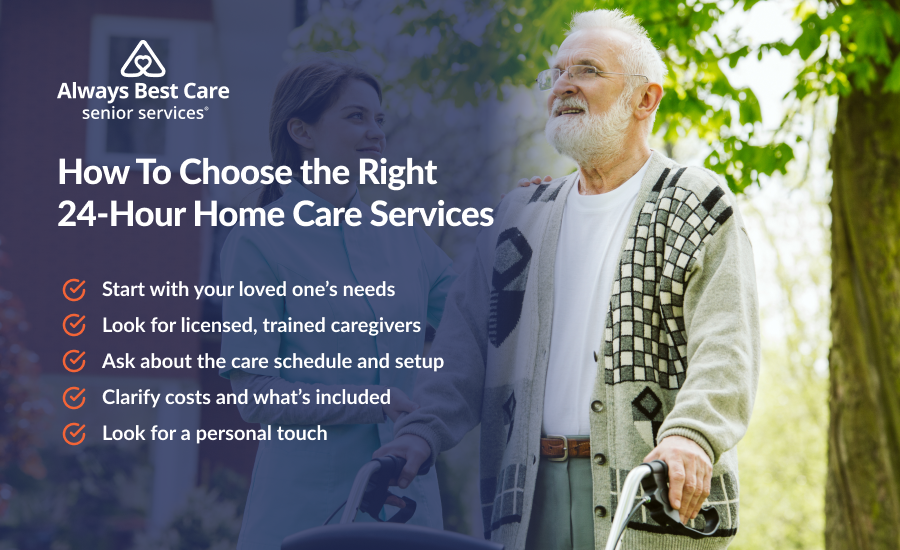
Caregivers are the heart of a senior care service. A friendly website cannot repair poor hiring decisions. Take time to build a careful process before accepting many clients.
Write a clear job description
State the duties, schedule, pay range, travel expectations, physical demands, and required skills. Be honest about lifting, bathing, dementia behaviors, pets, and evening or weekend work.
Clear job descriptions reduce surprises. They also help attract applicants who understand the work.
Screen every applicant
A strong screening process may include:
• A written application
• Identity verification
• Employment history review
• Reference checks
• Criminal background checks where allowed
• Driving record checks for transportation duties
• Verification of required credentials
• A structured interview
• A practical skills assessment
Follow state and federal rules when using background reports. Give applicants required notices and a fair chance to respond to information that may affect employment.
Look for character and judgment
Experience matters, but character matters just as much. Ask questions about privacy, boundaries, emergencies, and respect.
Useful interview questions include:
• What would you do if a client refused to eat?
• How would you respond if a family member asked you to perform a task outside your role?
• What would you do after a client falls?
• How do you protect a client’s privacy?
• Tell us about a time you handled a difficult situation.
The best caregiver is not always the person with the longest résumé. It is often the person who listens, stays calm, and knows when to ask for help.
Provide proper training
Training should match the services you offer. Common topics include:
• Safe transfers and fall prevention
• Infection control
• Dementia communication
• Emergency response
• Abuse and neglect reporting
• Medication reminders
• Food safety
• Client rights
• Professional boundaries
• Documentation
• Cultural sensitivity
• CPR and first aid, when appropriate
Use supervised practice, not only online videos. A caregiver may understand a lesson on paper but still need help using a transfer belt or responding to confusion.
Create Reliable Care Policies
A senior care service needs written procedures. Policies help staff make consistent decisions when a situation becomes stressful.
Your policy manual should explain:
• How caregivers clock in and out
• How schedules are confirmed
• What happens during a caregiver absence
• How to report an incident
• When to call emergency services
• How to handle medication reminders
• How to protect client property
• How to report suspected abuse
• How to document care
• How to manage complaints
• How to end a client relationship
Make a backup staffing plan
Caregiver shortages are a major challenge in home care. A client may depend on a caregiver for meals, bathing, or a safe ride to a medical visit.
Create backup options before you need them. Keep a list of available employees, cross-train staff, and communicate quickly when a schedule changes.
Never promise guaranteed coverage unless your business can provide it. Honest communication is safer than making a promise that cannot be kept.
Use care plans
Each client should have a written care plan. It should include:
• The client’s preferences
• Daily routines
• Care tasks
• Mobility needs
• Allergies
• Emergency contacts
• Communication preferences
• Safety concerns
• Approved transportation details
• Tasks outside the caregiver’s role
Review the plan when the client’s needs change. A care plan is like a map. Without it, each caregiver may take a different route.
Buy Insurance and Protect Your Business
Insurance is a key part of how to start a senior care service. The right coverage depends on your structure, services, workers, vehicles, and state rules.
Ask an insurance professional about:
• General liability insurance
• Professional liability insurance
• Workers’ compensation insurance
• Employment practices liability insurance
• Business property insurance
• Commercial auto coverage
• Nonowned auto coverage
• Cyber liability insurance
• Bonding or fidelity coverage
Insurance does not replace good training and supervision. It helps manage financial risk after an unexpected event.
Also create strong agreements. Your client agreement should explain services, rates, payment terms, cancellations, holidays, client responsibilities, emergency limits, and termination rules.
Avoid vague language. If your service does not provide skilled nursing, say so clearly. If caregivers cannot handle money for a client, put that rule in writing.

Set Up Operations and Technology
You do not need a large office to start a senior care service. You do need organized systems.
Useful tools may include:
• Scheduling software
• Electronic visit verification, if required
• Payroll software
• Secure client records
• Online payment processing
• Incident reporting forms
• Caregiver time tracking
• Document storage
• Business phone service
Choose tools that staff can use correctly. A complex system with poor adoption creates more errors than a simple system used every day.
Track important business numbers
Review these numbers each month:
• New leads
• Care consultations
• New clients
• Average billable hours
• Caregiver turnover
• Missed shifts
• Client complaints
• Revenue per client
• Payroll percentage
• Accounts receivable
• Referral sources
These numbers show where the business is healthy and where it needs attention. For example, many inquiries but few new clients may point to weak pricing, slow follow-up, or unclear service descriptions.
Market Your Senior Care Service
Families often search for senior care during a stressful moment. They may be dealing with a hospital discharge, a fall, memory loss, or caregiver exhaustion. Your marketing should offer calm and clear help.
Build a useful local website
Your website should explain:
• Who you serve
• Where you provide care
• What services you offer
• What services you do not offer
• How families can contact you
• Whether you conduct background checks
• How caregivers are trained
• How consultations work
Use natural terms such as “in-home senior care,” “nonmedical home care,” and “companion care in [your city].” Do not repeat the same keyword in every sentence.
Build trust before asking for a sale
Helpful content can include:
• A home safety checklist
• Questions to ask a home care agency
• Signs that a parent may need support
• Tips for preventing falls
• Advice for family caregiver burnout
• A guide to preparing for a hospital discharge
Always protect client privacy. Do not publish a client story, photo, or review without clear permission.
Develop referral relationships
Referral partners may include:
• Hospital discharge planners
• Rehabilitation centers
• Senior living communities
• Geriatric care managers
• Elder law attorneys
• Financial planners
• Faith communities
• Senior centers
• Local support groups
Approach partners as a helpful resource, not as a source of quick leads. Share useful information and explain how your service protects clients.
Estimate Startup Costs and Revenue
The cost to start a senior care service can range from a small amount for an independent caregiver to tens of thousands of dollars for an agency with employees, an office, software, legal support, and marketing.
Typical startup expenses may include:
• Business registration
• Licensing fees
• Legal and accounting services
• Insurance deposits
• Background checks
• Training
• Website development
• Branding and printed materials
• Scheduling software
• Office equipment
• Payroll reserves
• Advertising
Prepare for uneven cash flow. You may pay caregivers before clients pay invoices. Keep enough working capital to cover payroll, taxes, insurance, and essential bills.
A simple revenue example:
• Four clients receive 20 hours of care each week.
• The business bills $32 per hour.
• Weekly billable hours equal 80.
• Weekly gross revenue equals $2,560.
This is not profit. You must subtract caregiver pay, payroll costs, insurance, software, administrative expenses, taxes, and other costs.
Do not use national averages as a guarantee. Rates and wages differ widely by location, service type, and caregiver experience.
Improve Quality and Client Retention
A senior care service grows when clients feel safe, respected, and heard. Quality is not only about completing tasks. It is also about preserving dignity.
Ask clients and families:
• Did the caregiver arrive on time?
• Were preferences respected?
• Was communication clear?
• Did the client feel safe?
• What could we improve?
Use short surveys, phone calls, and care reviews. Respond to complaints without becoming defensive. A complaint can reveal a system problem before it harms another client.
Watch for signs of declining care quality:
• Repeated late arrivals
• Missing care notes
• Unexplained schedule changes
• Family confusion
• Medication reminder errors
• Frequent caregiver complaints
• Sudden client withdrawal
Act early. Replace unsafe practices, retrain staff, and document the steps you take.
Retention also improves when you treat caregivers well. Offer clear schedules, fair pay, respectful supervision, and a way to report concerns. High turnover affects clients and increases recruiting costs.
Avoid Common Mistakes
Many new owners focus on getting clients before building a safe operation. That approach can create stress and damage trust.
Avoid these mistakes:
• Starting without checking state licensing rules
• Offering medical tasks without proper authority
• Hiring friends without screening them
• Using weak client agreements
• Setting prices too low
• Ignoring payroll taxes
• Treating employees as contractors without advice
• Accepting every client regardless of fit
• Failing to plan for caregiver absences
• Promising 24-hour care without enough staff
• Sharing private client information
• Mixing personal and business money
• Waiting too long to collect payments
• Failing to document incidents
A practical lesson from the field is simple: growth magnifies weak systems. If scheduling is confusing with three clients, it will be much worse with 30 clients. Build simple systems early, then improve them as the business grows.
Follow a Practical Launch Timeline
A clear timeline can make learning how to start a senior care service less overwhelming.
Month one: Research and planning
• Study local demand
• Choose your service model
• Identify your ideal client
• Research competitors
• Estimate startup costs
• Review state and local rules
• Draft your business plan
Month two: Legal and operational setup
• Register the business
• Apply for licenses and permits
• Purchase insurance
• Open a business bank account
• Create policies and agreements
• Choose scheduling and payroll tools
• Define your service area
Month three: Hiring and marketing
• Write job descriptions
• Recruit caregivers
• Complete screening
• Provide training
• Build your website
• Create referral materials
• Contact local partners
• Set up your business listing online
First client stage
• Complete an intake assessment
• Create a written care plan
• Match the client with a caregiver
• Confirm the schedule
• Explain communication rules
• Follow up after the first visit
• Review the care plan regularly
Start with a manageable number of clients. It is better to serve five families extremely well than to accept 20 families and miss important details.
Frequently Asked Questions About How to Start a Senior Care Service
How much money do I need to start a senior care service?
The amount varies by location and business model. An independent caregiver may start with limited funds, while an agency may need money for licensing, insurance, hiring, software, marketing, and several months of payroll.
Do I need a license to start a senior care service?
Many states require a license or registration for home care agencies, but rules differ. Contact your state health department and local licensing office before serving clients.
Can I start a senior care service from home?
Yes, some owners operate from a home office. Check zoning, business licensing, privacy, insurance, and client meeting rules before using your home address for the business.
What qualifications should senior caregivers have?
Requirements depend on the services and state. Caregivers should have reliable communication skills, background screening, appropriate training, and the ability to perform assigned tasks safely.
How do I find my first senior care clients?
Begin with local referrals, a useful website, community presentations, senior centers, social workers, rehabilitation facilities, and satisfied families. Fast follow-up and clear service information can help turn inquiries into consultations.
Is senior care a profitable business?
It can be profitable when pricing covers labor and operating costs, schedules are efficient, and clients receive dependable care. Profit is not guaranteed, especially when wages, insurance, overtime, and caregiver turnover are high.
Can a senior care service provide medication?
Some businesses may provide reminders, while medication administration may require a licensed professional or special authorization. Confirm the rules in your state and define the task clearly in your policies.
What insurance does a senior care service need?
Many businesses consider general liability, professional liability, workers’ compensation, auto coverage, and cyber insurance. The correct policies depend on your services, workers, vehicles, and state requirements.
Conclusion
Learning how to start a senior care service begins with a clear service model, local research, legal compliance, careful hiring, and strong care policies. Your business must protect older adults while also supporting the families and caregivers who depend on it.
Start small, document your systems, price your services honestly, and treat every client with dignity. Review state guidance, speak with qualified legal and insurance professionals, and use feedback to improve your care.
With steady preparation and a genuine desire to help, you can build a senior care service that families trust. Explore local business resources, create your launch plan, and take the first practical step today.

Michael Reynolds is a senior contributor at RetirementGazette.com, where he focuses on helping readers navigate the journey toward a secure and fulfilling retirement. With over a decade of experience in personal finance, retirement planning, and lifestyle writing, Michael combines practical strategies with easy-to-understand guidance tailored for both pre-retirees and those already enjoying their golden years.