To apply for senior assistance, identify your needs, check eligibility, gather documents, and apply through the correct program.
Learning how to apply for senior assistance can feel hard at first. The good news is that help often comes from several programs, not just one. This guide explains where to start, what documents you may need, how to avoid delays, and how to get free help with your application.
What Senior Assistance Can Include
Senior assistance is a broad term. It may include help with food, health care, housing, energy bills, transportation, home care, or monthly income.
Some programs offer cash payments. Others lower your costs or provide services at home. Your age, income, assets, health, living situation, and location may affect your eligibility.
Common types of senior assistance include:
• Social Security retirement benefits for eligible workers and their families
• Supplemental Security Income for people with limited income and resources
• Medicare for older adults and some people with disabilities
• Medicaid for qualifying low-income adults
• Supplemental Nutrition Assistance Program benefits, often called SNAP
• Housing vouchers and subsidized senior housing
• Low Income Home Energy Assistance for heating and cooling bills
• Transportation, meals, and home care through local aging agencies
• Property tax relief or rent assistance offered by some states and counties
The best way to apply for senior assistance is to match your need with the right program. Applying to the wrong office can waste time, so start by listing the help you need most.
How to Apply for Senior Assistance Step by Step
A clear plan can make the process much less stressful. Use these steps to learn how to apply for senior assistance with fewer mistakes.
1. Make a list of your needs
Write down the bills or services causing the most stress. For example, you may need help paying for groceries, medicine, rent, electricity, or personal care.
This list gives you a starting point. It also helps an agency connect you with more than one program during the same appointment.
2. Check your basic eligibility
Each program has its own rules. Many programs review your monthly income, household size, age, disability status, citizenship or immigration status, and assets.
Some programs also consider medical costs. For example, high prescription costs may affect your eligibility for certain health or food benefits.
3. Find the correct agency
Use official government websites or call 211 for local referrals. You can also contact your local Area Agency on Aging through the Eldercare Locator.
The right office may be:
• The Social Security Administration for Social Security and SSI
• Your state Medicaid office for Medicaid and Medicare Savings Programs
• Your state SNAP office for food benefits
• Your local housing authority for rental assistance
• Your local energy assistance office for utility support
• An Area Agency on Aging for meals, transportation, home care, and care planning
4. Gather your documents
Prepare copies of your documents before you apply for senior assistance. Keep the originals in a safe place.
You may need:
• Government-issued identification
• Social Security number or proof of an application
• Proof of age
• Proof of address
• Recent pay stubs or benefit statements
• Bank statements or asset information
• Rent or mortgage records
• Utility bills
• Medical bills and prescription costs
• Immigration documents, if required
Not every program asks for every document. If you lack one item, apply anyway or ask the agency what alternatives it accepts.
5. Complete the application
Read each question carefully. Use exact information when possible. If a question does not apply, write “not applicable” rather than leaving it unclear.
Most applications are available online, by mail, by phone, or in person. If you have trouble using a website, ask for a paper form or an accessible application method.
6. Save proof of your application
Write down the date you applied. Save confirmation numbers, copies of forms, letters, and the names of people you spoke with.
This simple habit can help you prove that you applied on time. It also makes follow-up much easier.
7. Respond to follow-up requests
An agency may ask for more proof. Reply by the deadline shown in the letter.
If you need more time, call before the deadline. Ask the worker to explain exactly what is missing and how to send it.

How to Apply for Senior Assistance Through Major Programs
The application path depends on the type of help you need. Here is a simple overview of the most common programs.
Social Security retirement benefits
You can apply for Social Security retirement benefits online, by phone, or at a local Social Security office. You may apply for benefits as early as age 62, but starting early can reduce your monthly payment.
Have your work history, birth information, bank details, and family information ready. If you are close to retirement, review your estimated benefit before choosing a start date.
Supplemental Security Income
SSI provides monthly payments to some older adults and people with disabilities who have limited income and resources. The rules are different from regular Social Security retirement benefits.
You usually begin by contacting Social Security. The agency may ask about income, bank accounts, property, living arrangements, and other resources.
Medicare and Medicare Savings Programs
Many people become eligible for Medicare at age 65. You can apply through Social Security if you are not automatically enrolled.
Medicare Savings Programs may help eligible people pay Medicare premiums and, in some cases, deductibles or coinsurance. Apply through your state Medicaid office to see whether you qualify.
Medicaid
Medicaid can help with health care costs for people who meet state income and other requirements. It may also cover services that Medicare does not fully cover, such as some long-term care.
Apply through your state Medicaid agency or the federal health insurance marketplace, depending on your situation. Rules differ widely by state.
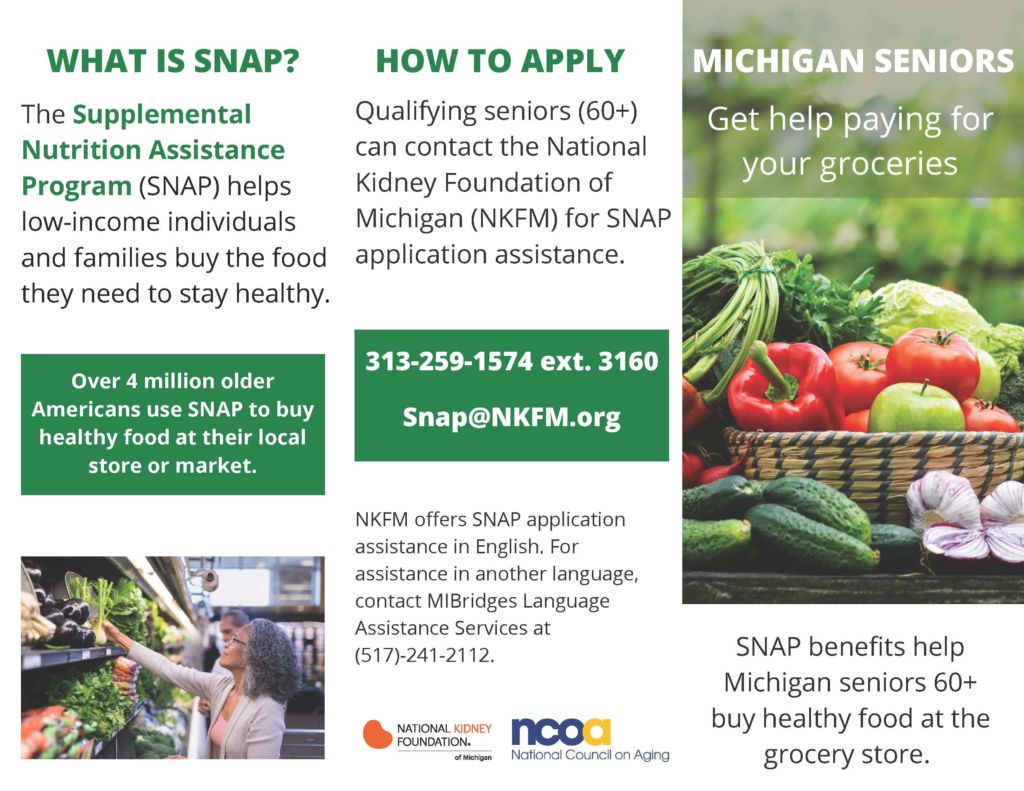
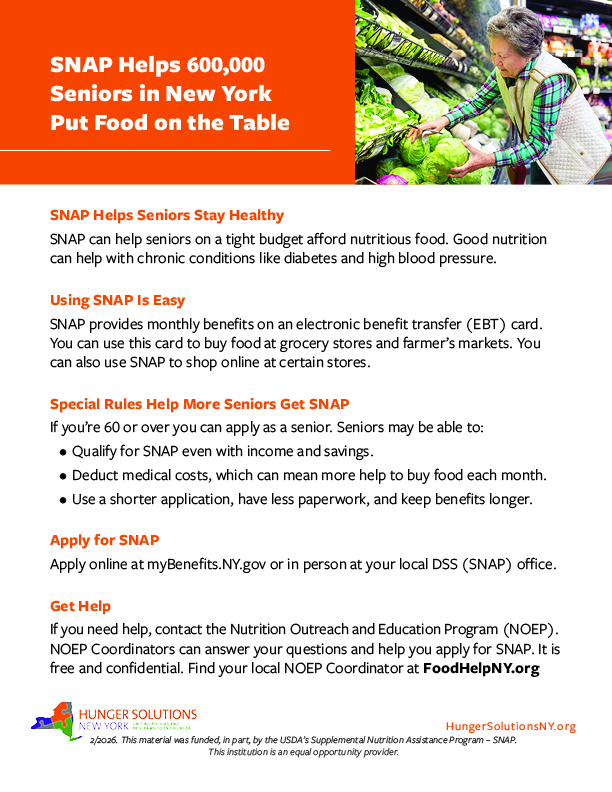
SNAP food benefits
SNAP helps eligible households buy food. The application process is handled by your state or local benefits office.
You may need to report income, rent, utilities, medical expenses, and household members. Older adults may receive special consideration for certain medical or shelter costs, depending on state rules.
Housing assistance
Housing help may include public housing, housing choice vouchers, senior apartment programs, or local rental grants. Waiting lists can be long, so apply as early as possible.
Contact your local public housing authority. Ask about age-restricted buildings, accessible units, emergency housing, and open waiting lists.
Energy assistance
LIHEAP and similar state programs may help with heating or cooling bills. Some programs also offer crisis help when utilities are shut off or an emergency threatens your health.
Contact your state energy office or a local community action agency. Have a recent utility bill and proof of household income ready.
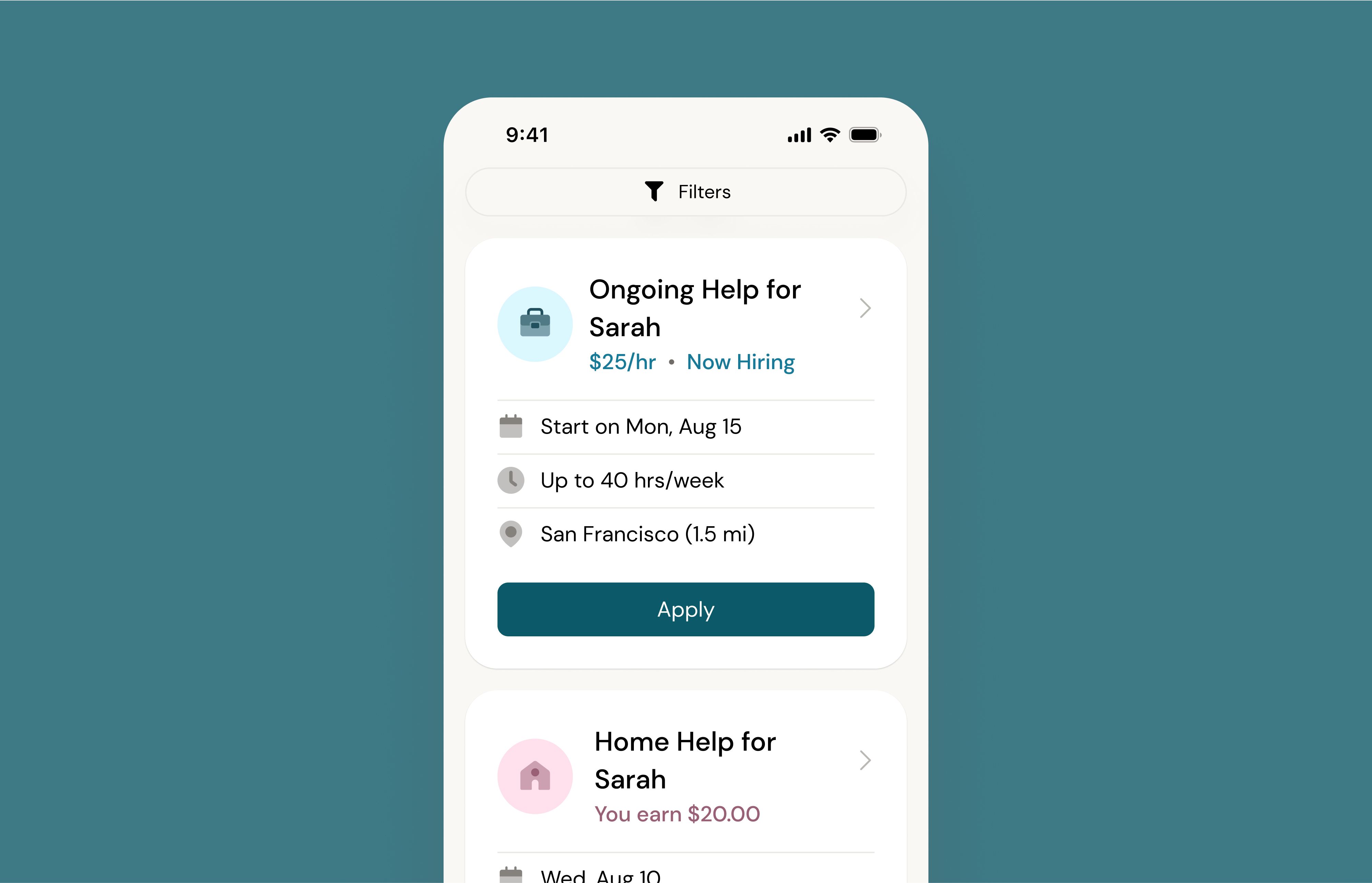
How to Apply for Senior Assistance Online
Online applications are often quick, but they can be difficult if you have limited internet access or vision, hearing, or mobility challenges.
Use these tips when you apply online:
• Begin at a government website ending in .gov or an official state website
• Create a strong password and store it in a safe place
• Take screenshots or print the confirmation page
• Upload clear copies of documents
• Check that every page shows as complete before submitting
• Look for a notice, case number, or email confirmation
• Never share your password with a caller who contacts you unexpectedly
A trusted family member may help you type information. However, you should review the answers before submission. You can also ask an agency worker, legal aid office, or benefits counselor for support.
If you do not have internet access, visit a library, senior center, or public benefits office. Many communities offer free computer use and application assistance.
How to Apply for Senior Assistance by Phone or In Person
Some people prefer speaking with a real person. Phone and in-person applications can be useful when your situation is complex or you need language support.
Before calling, prepare a short list of questions. Ask:
• Am I applying for the correct program?
• What documents do you need?
• Is there a deadline?
• Can you help me complete the form?
• How will I receive the decision?
• What should I do if my application is denied?
During the call, write down the worker’s name, the date, and any instructions. If you visit an office, bring copies of your documents and ask for a receipt.
If English is not your first language, request a free interpreter. Federal programs and many state agencies must provide language assistance in covered situations.
You may also ask for disability accommodations. Examples include large-print forms, accessible websites, relay services, or extra help completing paperwork.
How to Apply for Senior Assistance When You Have a Caregiver
A caregiver can help with forms, phone calls, transportation, and document collection. However, the senior usually remains the applicant and should understand what information is being submitted.
Some agencies require written permission before discussing a case with another person. A power of attorney may help, but it does not always replace an agency-specific authorization.
If the senior has memory loss or cannot manage the application, ask the agency about an authorized representative. Legal aid or an elder-law attorney may help with more complex concerns.
A practical lesson from many family applications is to create one benefits folder. Keep identification, income records, medical bills, letters, and confirmation numbers in that folder. This prevents repeated searches and missed deadlines.

Common Reasons Applications Are Delayed or Denied
Understanding common problems can help you avoid them. A delay does not always mean you are ineligible.
Applications may be delayed because:
• A form is incomplete
• Income or asset information is missing
• The agency cannot verify your identity
• Documents are blurry or unreadable
• A deadline was missed
• Household information does not match other records
• The application was sent to the wrong office
• The agency needs information from another person or organization
If your application is denied, read the notice carefully. It should explain the reason and tell you how to appeal.
Appeal deadlines vary. Do not assume a denial is final. Many people qualify after correcting a mistake or providing missing proof.
You can ask for a fair hearing, reconsideration, or review, depending on the program. Legal aid, a senior benefits counselor, or an advocate may explain your options at no cost.
How to Avoid Senior Assistance Scams
Scammers often target older adults with promises of fast benefits. They may pretend to work for Social Security, Medicare, a bank, or a local agency.
Be cautious if someone:
• Demands payment to submit a basic benefits application
• Requests gift cards, cryptocurrency, or wire transfers
• Asks for your full bank password
• Threatens arrest or loss of benefits
• Pressures you to act immediately
• Calls unexpectedly and asks for a verification code
Government agencies may contact you, but you should verify the caller independently. Use the phone number on an official letter or an official government website.
Never provide personal information because of an unexpected call, text, email, or social media message. If you suspect fraud, report it to the appropriate government fraud office and your state consumer protection agency.
How Long Does Senior Assistance Take?
Processing times vary by program, state, application method, and personal circumstances. Some applications may take days, while others take several weeks or longer.
Emergency programs may offer faster help if you face food loss, utility shutoff, homelessness, or a serious health risk. Tell the agency about the emergency when you apply.
You can reduce delays by submitting complete information, answering requests quickly, and checking your application status. If the agency does not respond, call and ask whether your case is pending, incomplete, or approved.
Keep receiving bills and notices while you wait. Approval is not guaranteed until you receive an official decision.
Free Help With Senior Assistance Applications
You do not have to manage the process alone. Free or low-cost help may be available through:
• Area Agencies on Aging
• Senior centers
• State health insurance assistance programs
• Legal aid organizations
• Community action agencies
• Food banks and local nonprofits
• Public libraries
• Medicare counseling programs
• Hospital social workers
When seeking help, ask whether the person is trained to assist with the specific program. A food benefit counselor may not understand Social Security rules, and a housing worker may not handle Medicaid applications.
You can also call 211 for local community referrals. The service may connect you with food, housing, transportation, utility, and health resources in your area.
Frequently Asked Questions About How to Apply for Senior Assistance
What is the first step in applying for senior assistance?
The first step is to identify your main need, such as food, health care, housing, income, or utility help. Then contact the official agency that manages that program or call 211 for local guidance.
Can I apply for more than one senior assistance program?
Yes, you can apply for several programs if you may qualify. For example, a person might apply for Medicare Savings Programs, SNAP, housing assistance, and energy support at the same time.
What documents are needed to apply for senior assistance?
Common documents include identification, proof of age, Social Security information, income records, bank statements, rent or mortgage details, utility bills, and medical expenses. Requirements vary, so ask the agency for its exact document list.
Can someone apply for senior assistance on my behalf?
A caregiver, family member, or trusted representative may help with an application. The agency may require written permission, an authorized representative form, or proof of legal authority.
What should I do if my application is denied?
Read the denial notice to find the reason and appeal deadline. You may request reconsideration or a hearing and should seek help from legal aid, an aging agency, or a benefits counselor.
Is there a fee to apply for senior assistance?
Most government benefits do not charge a fee to apply. Be careful with anyone who demands money, gift cards, or banking information to submit a standard application.
Conclusion
Learning how to apply for senior assistance starts with naming your needs, finding the correct agency, collecting documents, and submitting a complete application. Help may be available through Social Security, Medicare, Medicaid, SNAP, housing programs, energy assistance, and local aging services.
Keep copies of everything, track deadlines, and ask for help when the process feels confusing. Start today by calling 211, contacting your Area Agency on Aging, or visiting an official government benefits website. Share this guide with a senior, caregiver, or family member who may need support.

Michael Reynolds is a senior contributor at RetirementGazette.com, where he focuses on helping readers navigate the journey toward a secure and fulfilling retirement. With over a decade of experience in personal finance, retirement planning, and lifestyle writing, Michael combines practical strategies with easy-to-understand guidance tailored for both pre-retirees and those already enjoying their golden years.