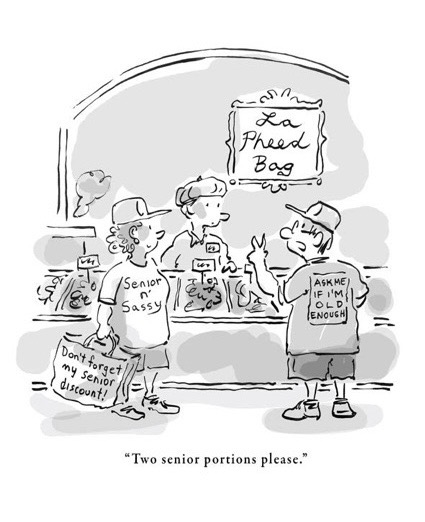
Senior discounts exist to support older adults, reward loyalty, and help businesses serve a valuable customer group.
The question “why are senior discounts a thing” has more depth than it may seem. These offers reflect changes in income, customer habits, and business strategy. They can help older adults manage daily costs while giving companies a simple way to build trust and repeat business.
Why are senior discounts a thing?
Senior discounts are price reductions offered to older customers by businesses, public services, and community organizations. The age requirement may start at 55, 60, 62, 65, or another age set by the business.
The main reason why are senior discounts a thing is that many older adults live on fixed or limited incomes. A small saving on a meal, movie ticket, haircut, or prescription can make a real difference over time.
Older adults also tend to be loyal customers. If a store treats them well, they may return often and recommend it to friends. A discount can act like a friendly handshake between a business and its customers.
The reasons behind senior discounts often include:
• Helping customers manage retirement income
• Encouraging visits during slower business hours
• Rewarding long-term customers
• Building goodwill in the local community
• Supporting access to food, travel, health care, and recreation
• Giving businesses a clear marketing advantage
Senior discounts are not always based on need. Some older adults have strong savings, pensions, or investment income. Others may struggle with housing, food, medicine, and transportation costs. The discount is usually a broad benefit, not a personal financial test.
How senior discounts began
The history of senior discounts is linked to changing ideas about retirement and public support. As modern retirement systems grew, businesses began to recognize older adults as a distinct customer group.
In the United States, Social Security became a major source of income for many retirees. Yet Social Security was not designed to cover every expense. Housing, health care, food, utilities, and transportation can still place pressure on a household budget.
Community groups, theaters, restaurants, transit systems, and retailers began offering age-based savings. These programs helped older adults stay active and gave businesses a way to show social responsibility.
This history helps explain why are senior discounts a thing today. They grew from both economic needs and community values. The idea is simple: make useful goods and services easier to afford while encouraging older adults to remain connected to daily life.
Senior discounts also became easier to manage as businesses created loyalty programs and digital coupons. Today, some offers appear automatically in a membership account, while others require an ID or a request at checkout.

The economic reasons behind senior discounts
The strongest answer to why are senior discounts a thing is economic. Many older adults have less flexibility in their monthly budgets than working adults.
A worker may increase hours or seek overtime when prices rise. A retiree may not have that option. Income from Social Security, a pension, or savings can be more stable, but it may not rise as quickly as rent, food, insurance, and medical costs.
A modest discount can help in several ways:
• It lowers the cost of routine purchases.
• It helps stretch a monthly budget.
• It may make local travel more affordable.
• It can support social activities, such as dining or going to the movies.
• It may help older adults maintain independence.
The effect of one discount may seem small. Saving $2 on a meal does not sound dramatic. Saving $2 several times each week can add up to more than $100 a year.
The Bureau of Labor Statistics has repeatedly shown that health care spending tends to rise with age. Housing and transportation also remain major expenses for many older households. These facts explain why even small savings can have practical value.
Still, a senior discount is not a replacement for sound financial planning. It is one tool among many, much like using a coupon, comparing insurance plans, or shopping during a sale.

Why businesses offer senior discounts
Many people assume senior discounts only help customers. In reality, they can also help businesses.
A business may offer a senior discount to fill empty seats, tables, or appointment slots. For example, a restaurant may provide a lower-priced lunch menu during quiet afternoon hours. A movie theater may offer a weekday discount when fewer people attend.
Businesses may also use senior discounts to build a loyal customer base. Older adults often value reliable service and may return to places where staff are respectful and helpful.
The business benefits may include:
• More visits during off-peak hours
• Stronger customer loyalty
• Positive word-of-mouth
• Better community relations
• A wider customer base
• More sales of related products
A discount does not always mean a business loses money. A customer who visits because of a discount may buy a drink, dessert, upgrade, or additional service. The business may earn less on one item but more from the full visit.
This is another important part of why are senior discounts a thing. The offer is often a marketing decision, not simply an act of charity.

Are senior discounts fair?
The fairness of senior discounts depends on how they are designed and used. Supporters say older adults may face fixed incomes, rising medical costs, and limited work options. A discount can recognize those pressures without requiring customers to explain their personal finances.
Some people question whether every older adult needs a discount. That concern is reasonable. Age does not tell us everything about a person’s income, health, or financial situation.
Businesses usually choose age as a simple rule because it is easy to verify. An income-based discount would require more paperwork and could feel intrusive. Age-based pricing is often more practical, even though it is not a perfect measure of need.
Senior discounts can also promote inclusion. Affordable prices may help older adults attend events, eat out, use public transportation, or take part in community life. Staying socially active can support emotional well-being and reduce isolation.
However, fairness also requires clear terms. Businesses should explain the age requirement, eligible products, discount amount, and blackout dates. Customers should not have to guess how the program works.

Who qualifies for a senior discount?
Eligibility depends on the business. There is no single national age for every senior discount in the United States.
Common age requirements include:
• Age 55 and older
• Age 60 and older
• Age 62 and older
• Age 65 and older
Some programs use membership in an organization instead of age alone. Others may require proof of age, such as a driver’s license, state ID, passport, or membership card.
Before making a purchase, check:
• The minimum age
• Whether the discount applies every day
• Whether it applies to online orders
• Whether it covers sale items
• Whether the discount is limited to certain locations
• Whether you need to ask for it
• Whether it can be combined with coupons
One lesson that often helps shoppers is to ask politely before paying. Some employees do not mention the offer unless the customer asks. A simple question such as “Do you offer a senior discount?” can save money without creating an awkward moment.
Do not assume that a discount applies everywhere in a chain. Individual locations may have different owners, policies, or local rules.

Where can you find senior discounts?
Senior discounts appear in many parts of everyday life. The best offers may come from local businesses rather than large national brands.
You may find senior discounts at:
• Restaurants and cafés
• Grocery stores
• Pharmacies
• Movie theaters
• Museums and attractions
• Public transportation systems
• Hotels and travel services
• Gyms and recreation centers
• Hair salons and barbershops
• National parks and local attractions
• Auto repair shops
• Tax preparation services
Some discounts are permanent. Others are available only on certain days or during specific hours. A grocery store, for example, may offer a monthly senior savings day rather than a discount at every visit.
Libraries, senior centers, and city websites can be useful places to search. Local newspapers and community newsletters may also list seasonal deals.
Online searches can help, but verify the details on the business’s official website or by phone. Discount pages can become outdated when a company changes its policy.

How to use senior discounts wisely
Understanding why are senior discounts a thing is useful, but knowing how to use them is even better. A discount only helps when the purchase is already worthwhile.
Try these practical steps:
-
Ask before ordering or checking out. Some offers are not automatic.
-
Compare the final price. A senior discount may be smaller than a regular sale.
-
Check for restrictions. Look for limits on dates, products, or locations.
-
Bring proof of age when needed. A valid ID can prevent delays.
-
Join free loyalty programs. Some businesses provide discounts through membership accounts.
-
Watch for automatic renewals. A paid membership may cost more than the savings.
-
Avoid buying extra items just to use a discount. Saving money on an unnecessary purchase is not real savings.
-
Keep a short list of useful offers. Focus on places you visit often.
A practical mistake is chasing every discount. Driving across town to save 50 cents may cost more in gas and time. The best senior discount is one that fits naturally into your normal routine.
Another mistake is failing to compare prices. A business may advertise a senior discount while another store offers a lower everyday price. Look at the final total, not just the percentage off.

Limitations of senior discounts
Senior discounts can help, but they are not perfect. The biggest limitation is that age is only a rough measure of financial need.
Some older adults have comfortable incomes and do not need price support. Some younger adults face serious hardship but do not qualify. An age-based offer cannot solve every affordability problem.
Other limitations include:
• The discount may exclude essential items.
• The offer may not apply online.
• The savings may be too small to matter.
• The policy may vary by location.
• Some businesses may stop offering the discount without much notice.
• The discount may not combine with other promotions.
There can also be confusion about the term “senior.” A person may qualify at one store but not another. This is why checking the policy matters.
Businesses should avoid making customers feel judged or embarrassed. A respectful process benefits everyone. Customers should also feel comfortable asking about the offer without assuming they are entitled to it.
Common myths about senior discounts
One myth is that every business must offer a senior discount. In most cases, private businesses choose whether to create one. Public programs and transportation systems may follow different rules.
Another myth is that senior discounts always start at age 65. Many businesses use 55, 60, or 62 as the minimum age. The only reliable answer comes from the specific business.
Some people also believe that asking for a discount is rude. It is not rude when the offer is public and the question is polite. Asking helps the business apply its own policy correctly.
A final myth is that senior discounts are always the cheapest option. A sale, coupon, loyalty reward, or competitor’s price may provide greater savings. Smart shoppers compare all available choices.
These myths show why are senior discounts a thing cannot be explained by one simple rule. The practice combines customer service, marketing, community support, and personal budgeting.
Frequently Asked Questions About Why Are Senior Discounts a Thing
Why do companies offer senior discounts?
Companies offer senior discounts to support older customers, attract loyal shoppers, and increase visits during slower periods. The discount can also improve a business’s reputation in the community.
What age is considered senior for a discount?
There is no universal age requirement. A business may set the minimum at 55, 60, 62, or 65, so customers should check the policy before purchasing.
Do senior discounts apply automatically?
Not always. Some discounts are linked to loyalty accounts, while others require customers to ask or show identification.
Can a senior discount be combined with a coupon?
That depends on the business. Many stores do not allow discounts to be combined, but some permit a senior discount with selected promotions.
Are senior discounts based on income?
Usually, no. Most programs use age because it is simple to verify, even though age does not show a person’s actual income or financial need.
Why are senior discounts a thing if not all seniors need them?
The programs are broad benefits, much like many public or retail promotions. They are designed to be easy to use without requiring customers to disclose private financial information.
How can someone find senior discounts nearby?
Check local business websites, senior centers, libraries, transit pages, community newsletters, and loyalty programs. Call ahead when the policy is unclear, since offers can change.
Conclusion
Senior discounts exist because they can support older adults while also helping businesses earn loyalty and attract customers during slower times. They reflect practical concerns about fixed incomes, rising costs, community access, and customer relationships.
The best way to use a senior discount is to check the age rule, compare the final price, and apply the offer to purchases you already plan to make. Ask politely, keep track of useful programs, and avoid buying more just to receive a discount.
Now that you understand why are senior discounts a thing, explore the policies at businesses you use often and share your best money-saving tips with friends or family.

Michael Reynolds is a senior contributor at RetirementGazette.com, where he focuses on helping readers navigate the journey toward a secure and fulfilling retirement. With over a decade of experience in personal finance, retirement planning, and lifestyle writing, Michael combines practical strategies with easy-to-understand guidance tailored for both pre-retirees and those already enjoying their golden years.