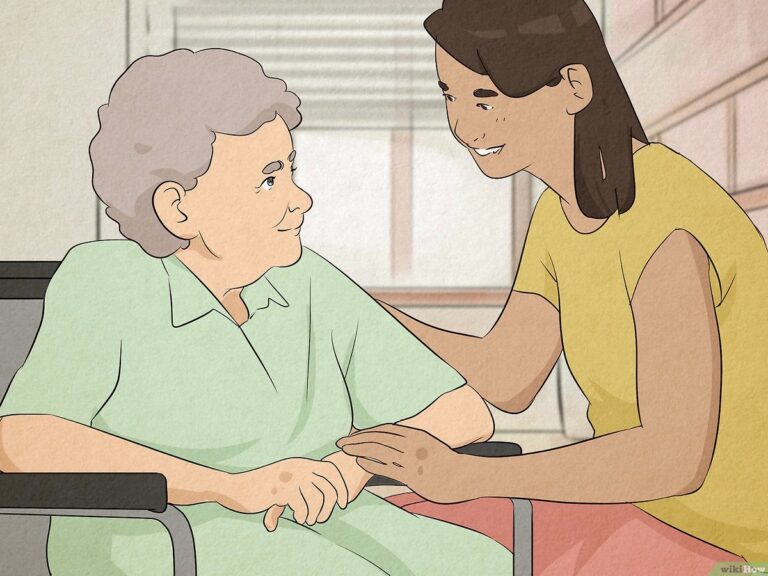
Help senior citizens by offering respect, regular connection, safe support, and practical help that protects their independence.
Knowing how to help senior citizens starts with seeing the whole person, not just their age or health needs. Older adults may need help with meals, transport, home safety, technology, or daily tasks, yet they also need choice, dignity, friendship, and purpose. This guide draws on caregiving practice, public health advice, and real-life lessons to help you offer support that is kind, safe, and useful.

Understand what senior citizens may need
Senior citizens are not all alike. Some live alone, some live with family, and others live in assisted living communities. Some manage health problems but remain active, while others need help with bathing, walking, memory, or medicine.
The best way to help senior citizens is to ask before you act. A well-meant task can feel like control if you do not include the older adult in the decision.
Start with a calm conversation:
- “What is hardest for you right now?”
- “What would make your week easier?”
- “Which tasks would you like help with?”
- “What would you rather continue doing yourself?”
Listen closely to the answers. Do not assume that a person needs help with cooking just because they are older. They may need a ride, a working phone, or someone to visit more often.
Common needs may include:
- Safe transportation to appointments and stores
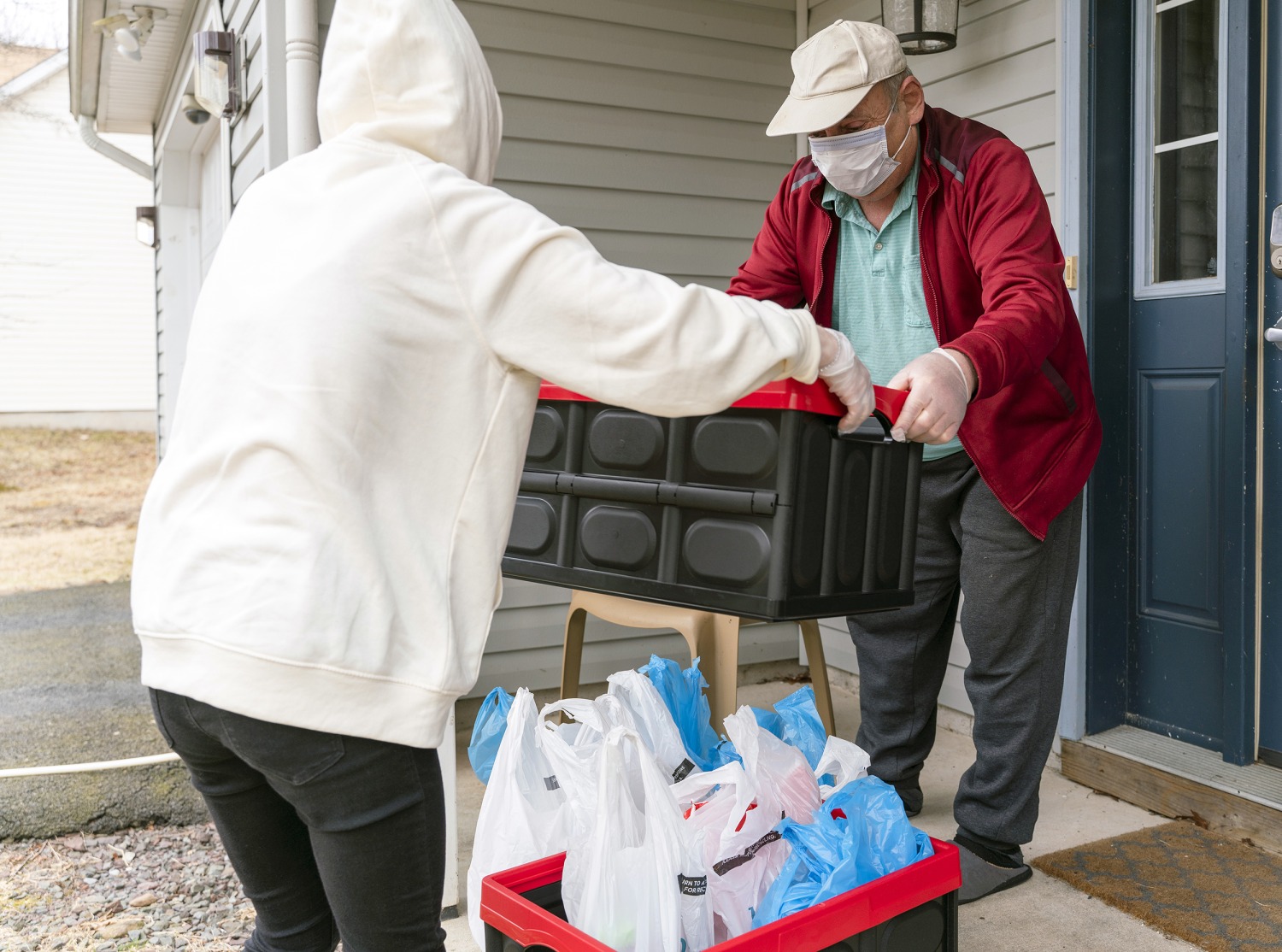
- Help with groceries, cooking, or home repairs
- Social contact and emotional support
- Assistance with technology and online services
- Medication reminders and health care planning
- Support with vision, hearing, balance, or mobility
- Protection from falls, scams, abuse, and neglect
The National Institute on Aging emphasizes that social connection, physical activity, good nutrition, and preventive health care all support healthy aging. These needs often overlap. For example, a ride to a medical visit can also reduce stress and provide valuable company.

Help senior citizens stay independent
Independence does not mean doing everything alone. It means having control over daily choices and receiving the right level of support. Think of help as a handrail, not a cage. A handrail offers balance while allowing the person to keep moving.
When learning how to help senior citizens, focus on support that builds ability rather than replacing it. If an older adult can safely prepare part of a meal, let them do that part. If they can choose their clothes, meals, or appointment times, respect those choices.
Useful ways to support independence include:
- Place often-used items within easy reach.
- Add bright lights to halls, stairs, and bathrooms.
- Use labeled containers for food, clothing, and household items.
- Arrange transportation instead of taking over every errand.
- Break large tasks into small, clear steps.
- Allow extra time for walking, speaking, or making decisions.
- Ask permission before helping with personal care.
- Praise effort without speaking in a childish or patronizing way.
A common mistake is moving too quickly. Family members may see a slow task and finish it for the older adult. This can save five minutes but reduce confidence over time. Patience is often more helpful than speed.
Independence must also be balanced with safety. If a person has repeated falls, confusion, severe weakness, or trouble managing medicine, involve a doctor, occupational therapist, nurse, or other qualified professional.
Make the home safer
Falls are a major health risk for older adults. The Centers for Disease Control and Prevention reports that falls can cause serious injuries, reduced mobility, and loss of independence. Many falls happen during simple tasks, such as walking to the bathroom at night or stepping over a loose rug.
A home safety check can prevent many risks. Walk through each room with the senior citizen. Ask what feels difficult instead of only looking for problems yourself.
Check these areas:
- Remove loose rugs or secure them with non-slip backing.
- Keep walkways clear of cords, boxes, and small tables.
- Add grab bars near toilets and inside showers.
- Use non-slip mats in wet areas.
- Improve lighting on stairs and near entrances.
- Install night-lights in bedrooms, halls, and bathrooms.
- Keep a sturdy chair nearby when dressing or cooking.
- Place phones and emergency contacts in easy-to-reach spots.
- Make sure stair railings are firm and easy to grip.
- Store heavy items between waist and shoulder height.
Footwear matters too. Supportive shoes with non-slip soles are usually safer than loose slippers or socks on smooth floors. A health professional can also review balance, vision, hearing, and medicines that may cause dizziness.
Do not make major changes without explaining them. A new shower chair may improve safety, but it can also feel embarrassing if introduced without respect. Present the change as a tool for comfort and freedom.

Support physical and mental health
Helping senior citizens stay healthy involves more than medical appointments. Daily movement, balanced meals, good sleep, and meaningful activity can support both body and mind.
Physical activity should match the person’s ability and medical needs. Walking, chair exercises, gentle strength work, and balance practice may help many older adults. However, anyone with a new health problem, chest pain, severe shortness of breath, or a recent injury should seek medical advice before starting exercise.
Healthy support may include:
- Encouraging short walks, if safe.
- Joining an exercise class designed for older adults.
- Preparing meals with vegetables, fruit, whole grains, and protein.
- Offering water throughout the day.
- Keeping regular sleep and wake times.
- Helping arrange vision, hearing, dental, and medical visits.
- Supporting hobbies such as gardening, music, reading, or crafts.
- Watching for changes in mood, memory, appetite, or energy.
Mental health deserves equal care. Loneliness is not simply a normal part of aging. The World Health Organization links social isolation and loneliness with important risks to health and well-being.
Be alert to signs of depression or anxiety, such as lasting sadness, loss of interest, major sleep changes, or withdrawal from loved ones. Memory changes also deserve attention. Forgetfulness may result from many causes, including illness, medication effects, poor sleep, depression, or dementia. Only a qualified health professional can assess the cause.
Stay connected and reduce loneliness
Regular contact is one of the simplest ways to help senior citizens. A five-minute call can matter, especially when it happens often. The goal is not to fill every silence. The goal is to show that the person is remembered and valued.
Try creating a simple connection routine:
- Choose a regular call or visit day.
- Ask about the person’s interests, not only their health.
- Share photos, music, family news, or a meal.
- Invite them to an activity with a clear time and plan.
- Follow up if they decline instead of assuming they do not care.
- Include them in family decisions and celebrations.
Some older adults avoid social events because of hearing loss, pain, poor transportation, or fear of falling. Remove those barriers when possible. Choose a quiet place, offer a ride, allow rest breaks, and give clear details about the event.
Community programs can also help. Senior centers, libraries, faith groups, recreation departments, meal programs, and volunteer organizations may offer classes, transportation, phone calls, or friendly visits. Area Agencies on Aging can often connect families with local services in the United States.
One practical lesson is to make invitations specific. “Let me know if you need anything” sounds kind but gives no clear path. “I can take you to the store Saturday at 10 a.m. or bring groceries Sunday afternoon” is easier to accept.

Help with meals, errands, and daily tasks
Small tasks can become tiring when a person has arthritis, poor vision, low energy, or limited transportation. Helping with daily needs can reduce stress and protect health.
Before stepping in, ask what the person prefers. Some may want prepared meals, while others want help with shopping or chopping vegetables. Some may enjoy cleaning but need help with heavy laundry.
Practical ways to help include:
- Plan a weekly grocery trip.
- Prepare extra portions and label them with dates.
- Use easy-open containers when hand strength is limited.
- Set up grocery delivery or meal delivery when appropriate.
- Help with laundry, yard work, or minor repairs.
- Arrange rides for appointments and social events.
- Organize bills and papers without taking control of finances.
- Create a written list of important phone numbers.
Food safety is important. Refrigerate perishable food promptly, check expiration dates, and avoid leaving cooked food at room temperature for long periods. If a person has diabetes, kidney disease, swallowing problems, or another health condition, ask a health professional about suitable meals.
Be careful with money and private information. Financial help should be clear, documented, and agreed upon. Never pressure an older adult to share bank details, passwords, or account access.

Help with medicine and health care
Medication mistakes can cause serious harm. Older adults may take several prescriptions, over-the-counter medicines, vitamins, or herbal products. A pharmacist or doctor should review the full list, especially when a new medicine is added.
Safe ways to help senior citizens with medicine include:
- Keep an up-to-date medication list.
- Record the name, dose, and time for each medicine.
- Use a pill organizer only if it suits the person’s needs.
- Set reminders with a clock, phone, or written chart.
- Refill prescriptions before they run out.
- Ask the pharmacist about side effects and interactions.
- Never change a dose or stop a prescription without medical advice.
- Keep medicines away from children and pets.
You can also help prepare for appointments. Write down symptoms, questions, and changes in health. Bring a list of medicines and allergies. Ask the older adult whether they want you in the room, and let them answer the clinician whenever possible.
If the person cannot manage appointments or medicine safely, discuss formal support with a doctor. A home health nurse, care manager, or social worker may offer better help than an untrained family member.

Use technology without taking over
Technology can help senior citizens remain connected and independent. A smartphone can provide calls, video visits, reminders, maps, emergency contacts, and access to health services. Yet complex screens and online scams can create frustration.
Teach one skill at a time. Use large text, simple instructions, and repeat practice without showing impatience. Write down steps in plain language, such as:
- Tap the green phone symbol.
- Tap the person’s name.
- Tap the speaker symbol if you want hands-free talking.
Review basic online safety:
- Do not share passwords or security codes.
- Avoid clicking unexpected links.
- Be cautious of urgent requests for money.
- Confirm calls from banks, government agencies, or relatives.
- Use two-factor authentication when possible.
- Contact a trusted person before making a large payment.
The Federal Trade Commission warns that older adults are common targets for imposter scams, romance scams, investment fraud, and technology support scams. If a senior citizen reports a suspicious message, respond with calm support. Shame can make people hide future problems.
A good approach is to protect without removing control. Help set up privacy settings and teach safe habits, but let the person use the device themselves.

Protect dignity, rights, and safety
Respect is central to how to help senior citizens. Speak directly to the older adult, even when another person is present. Use the name and pronouns they prefer. Never treat an adult like a child because they walk slowly, use a mobility aid, or need help with memory.
Watch for possible elder abuse. Abuse may be physical, emotional, sexual, or financial. Neglect and abandonment are also forms of harm. Warning signs can include unexplained injuries, sudden fear around a caregiver, unpaid bills, missing belongings, poor hygiene, or sudden changes in banking activity.
If you suspect immediate danger, call emergency services. For concerns in the United States, Adult Protective Services may offer guidance through local or state agencies. Follow local reporting rules, and do not confront a suspected abuser if doing so could increase danger.
Respect also includes privacy. Knock before entering a room, ask before touching belongings, and discuss care plans openly. If an older adult has decision-making ability, they have the right to make choices that others may not prefer.
When decision-making becomes difficult, involve appropriate professionals. Advance care planning, health care proxies, and powers of attorney should be discussed early and completed according to state law.
Support caregivers and avoid burnout
Family caregivers often try to do everything. That plan usually fails. Caregiving is more like carrying a full basket: one person may manage it briefly, but the load becomes safer when several people share it.
Create a care plan that lists:
- The senior citizen’s goals and preferences
- Daily tasks and health needs
- Important contacts
- Transportation options
- Medication information
- Emergency steps
- Tasks that family, friends, or services can share
Ask for specific help. Instead of saying, “Can you help with Mom?” ask, “Can you take her to the clinic on Tuesday?” Clear requests are easier for others to accept.
Caregivers should also protect their own health. Take breaks, sleep when possible, eat regular meals, and speak with a doctor if stress becomes overwhelming. Respite care, adult day programs, support groups, and social workers may provide needed relief.
One mistake to avoid is waiting for a crisis. Begin conversations about transportation, home safety, finances, and future care while everyone is calm. Early planning gives the senior citizen more voice and gives the family more choices.
Create a simple plan for helping senior citizens
You do not need to solve every problem in one day. Start with the areas that affect safety, health, and connection.
Use this simple plan:
- Talk with the senior citizen about their goals.
- List current challenges and possible risks.
- Choose one small task to address this week.
- Ask what help they want and what they want to keep doing.
- Involve professionals when needs exceed your training.
- Review the plan every few months.
For example, an older adult who lives alone may need a weekly call, brighter hallway lights, grocery help, and a medication review. Another person may need only transportation to a book club and help with online banking safety.
Keep the plan flexible. Health, income, mobility, and family schedules can change. Good support adjusts like a well-fitted coat: it should meet the person’s needs without restricting movement.
Frequently Asked Questions of how to help senior citizens
What is the best way to help senior citizens?
Start by asking what they need and what they want to do themselves. Offer practical help with safety, transportation, meals, health care, and social connection while respecting their choices.
How can I help a senior citizen who lives alone?
Set regular calls or visits, arrange safe transportation, check the home for fall risks, and help create an emergency contact plan. Local aging agencies, senior centers, meal services, and community groups may also provide support.
How do I help an older adult without taking away independence?
Offer choices and support only the tasks that are difficult or unsafe. Let the person complete safe parts of daily activities and avoid taking over simply because you can do a task faster.
How can I help senior citizens avoid scams?
Teach them not to share passwords, security codes, or bank details in response to unexpected messages. Encourage them to pause and verify urgent requests with a trusted person or the organization’s official phone number.
What should I do if a senior citizen keeps falling?
Arrange a medical assessment and review the home for hazards such as poor lighting, loose rugs, and missing grab bars. Do not assume falls are just part of aging, because vision problems, balance issues, illness, or medication effects may be involved.
How can I support a senior citizen with memory loss?
Use calm, simple communication and keep routines clear. Discuss new or worsening memory problems with a health professional, since several treatable conditions can affect memory.
Where can caregivers find help in the United States?
Area Agencies on Aging, local senior centers, health care systems, faith communities, and social service departments may offer transportation, meals, respite care, and care planning. Eldercare Locator can help families identify local aging services.
Conclusion
Helping senior citizens is not about doing everything for them. It is about listening well, reducing risks, supporting health, and making daily life more connected and manageable. Small actions, such as a regular call, a safe ride, a clear medication list, or a home safety check, can protect both dignity and independence.
Begin with one conversation and one practical step this week. Keep the older adult involved, seek professional help when needed, and share the caregiving load. Explore local aging resources, talk with other caregivers, and leave a comment about the support that has made a difference in your family.

Michael Reynolds is a senior contributor at RetirementGazette.com, where he focuses on helping readers navigate the journey toward a secure and fulfilling retirement. With over a decade of experience in personal finance, retirement planning, and lifestyle writing, Michael combines practical strategies with easy-to-understand guidance tailored for both pre-retirees and those already enjoying their golden years.