Seniors can get free groceries through SNAP, food banks, senior meal programs, farmers’ markets, and local assistance groups.
Knowing how to get free groceries for seniors can make a real difference when food costs rise faster than a fixed income. This guide explains the main programs, how to apply, what documents to prepare, and where to find help close to home.
Why free grocery help matters for seniors
Many older adults live on Social Security, a pension, or a small retirement fund. Rent, medicine, utilities, and transportation can use most of that money before the grocery bill arrives. Free grocery programs help fill that gap.
Food support is not only about having enough to eat. Healthy food can also support energy, heart health, blood sugar control, and strength. A full pantry can feel like a small safety net during a hard month.
Learning how to get free groceries for seniors often starts with one local phone call. Many programs work together, so a senior may qualify for SNAP, a food pantry, home-delivered meals, or more than one service at the same time.
How to get free groceries for seniors through SNAP
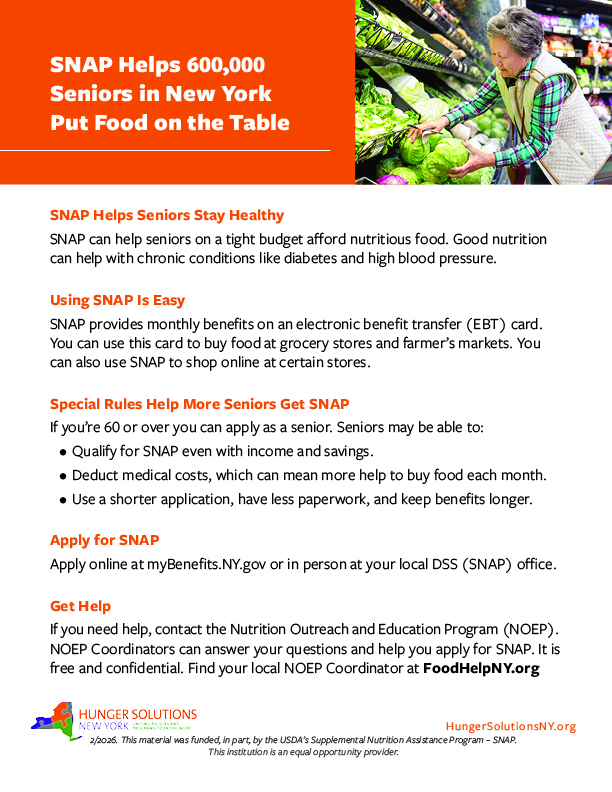
The Supplemental Nutrition Assistance Program, known as SNAP, helps eligible households buy food with an electronic benefits card. The card works much like a debit card at approved grocery stores, farmers’ markets, and some online retailers.
SNAP rules vary by state. In general, the agency looks at household income, expenses, assets, and household size. Seniors may receive special consideration for medical costs and shelter expenses.
A person who is at least 60 years old may qualify under different rules than a younger adult. Some states use a simpler application for older adults. Many states also allow seniors to apply for SNAP less often than other households.
What SNAP can buy
SNAP benefits usually cover:
• Fresh, frozen, and canned fruits and vegetables
• Meat, poultry, fish, and eggs
• Bread, cereal, rice, pasta, and other basic foods
• Dairy products such as milk, cheese, and yogurt
• Seeds and plants that grow food
SNAP usually does not cover:
• Vitamins, medicine, or supplements
• Alcohol or tobacco
• Hot food prepared for immediate eating
• Pet food
• Soap, paper products, and household supplies
The rules can be confusing, but an application is the only reliable way to learn whether someone qualifies. Do not assume that Social Security income automatically makes a senior ineligible.

How to apply for SNAP benefits
Each state manages its own SNAP program. Start with the state benefits website, a local social services office, or the national food assistance information line.
A senior can often apply:
• Online
• By phone
• By mail
• In person
• With help from an authorized representative
Prepare these documents when possible:
• Proof of identity
• Social Security numbers for household members applying
• Proof of address
• Social Security, pension, or retirement income records
• Bank or asset information, if requested
• Rent or mortgage information
• Utility bills
• Medical bills and prescription costs
Medical expenses can be important for older applicants. Keep receipts for prescriptions, health insurance premiums, medical equipment, transportation to care, and other approved costs. These expenses may affect the benefit calculation in some states.
A common mistake is stopping after a difficult phone call or a missing document. Ask what is needed, write down the worker’s name, and keep copies of every form. If the application is denied, read the notice carefully because it should explain appeal rights.

Find free groceries at food banks and food pantries
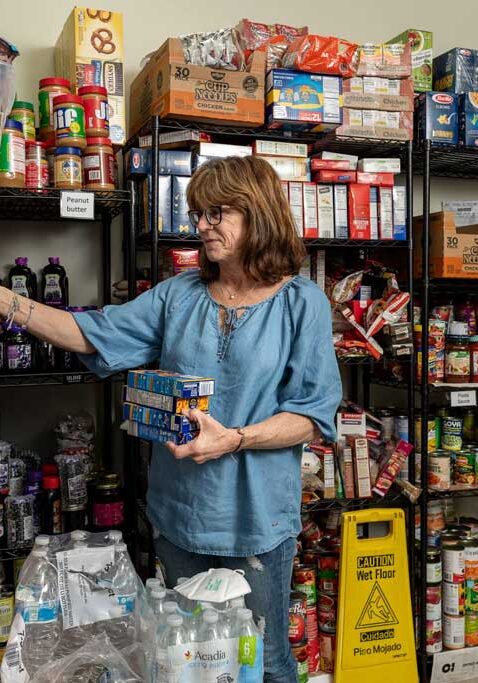
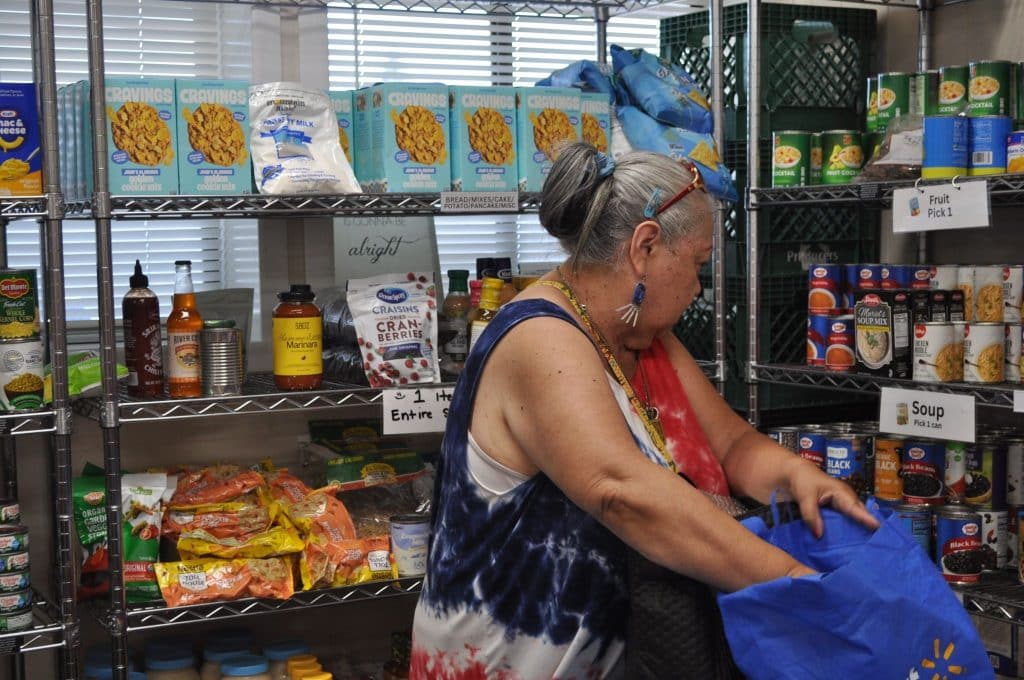
Food banks collect and store large amounts of food. Food pantries distribute that food directly to families and individuals. Many offer free boxes with shelf-stable items, produce, dairy products, or frozen meat.
Food pantries may have different rules. Some ask for proof of income or address. Others use a simple sign-in process and serve anyone who needs help. Many do not require a person to receive SNAP first.
To find nearby help, contact:
• 211, which connects people with local food and social services
• A nearby food bank or food pantry
• A senior center
• A public library
• A faith-based community center
• A local Area Agency on Aging
• A doctor’s office or hospital social worker
Ask these questions before visiting:
• Do you serve adults age 60 and older?
• Do I need an appointment?
• What documents should I bring?
• Do you offer delivery for people who cannot drive?
• Are there limits on how often I can visit?
• Do you have low-sodium or diabetic-friendly food?
A senior with limited mobility should ask about delivery or a mobile pantry. Some organizations bring food boxes to apartment buildings, senior housing communities, and rural areas.
Senior food programs funded by the government
Several programs focus specifically on older adults. Availability depends on income, age, location, and funding.
Commodity Supplemental Food Program
The Commodity Supplemental Food Program, or CSFP, provides a monthly food package to eligible older adults in many areas. Packages may include cereal, pasta, rice, canned vegetables, fruit, juice, peanut butter, meat, and shelf-stable milk.
The program often serves adults age 60 and older who meet income guidelines. Local agencies decide enrollment details, and waiting lists may exist.
Ask your local food bank or Area Agency on Aging whether CSFP operates in your county. Not every location offers it, and food packages vary.
Senior Farmers’ Market Nutrition Program
The Senior Farmers’ Market Nutrition Program, often called SFMNP, gives eligible seniors coupons or electronic benefits to buy approved foods from participating farmers’ markets, farm stands, and community-supported agriculture programs.
Benefits often cover fruits, vegetables, herbs, and honey. They generally do not cover meat, baked goods, or prepared meals.
The age and income rules are set by each state or tribal program. Applications may open only during certain months, so ask early in the season.
The Emergency Food Assistance Program
The Emergency Food Assistance Program, known as TEFAP, helps food banks and pantries provide free food to people with low incomes. Seniors may receive boxes or meals through a local distribution site.
Eligibility and distribution schedules differ by location. A food pantry can explain whether you need an appointment or referral.
Free meals and grocery delivery for homebound seniors
Some seniors need more than a grocery box. They may have trouble cooking, standing, shopping, or carrying bags. Senior meal services can help protect both nutrition and independence.
Meals may be served in a community dining room or delivered to the person’s home. Home-delivered meals are often available for adults who are homebound, have a disability, or cannot prepare meals safely.
Possible services include:
• Meals on Wheels programs
• Congregate meals at senior centers
• Tribal or community nutrition programs
• Hospital or clinic nutrition referrals
• Local home care agencies with meal support
The meals may be free, but some programs request a voluntary donation. A person should not be denied only because they cannot afford to contribute, although local rules can vary.
When calling, explain the real need. Say if the senior lives alone, cannot drive, has trouble cooking, or is recovering from surgery. Clear details help the intake worker match the person with the right service.

Local programs that can lower a senior’s grocery bill
Not every helpful program gives a grocery bag. Some reduce another household bill, leaving more money for food.
Look into:
• Utility assistance
• Rent assistance
• Property tax relief
• Prescription assistance
• Transportation discounts
• Free community meals
• Medicare Savings Programs
• Local senior housing support
For example, help with a heating bill may free money for fresh food. Prescription assistance may reduce the need to choose between medicine and groceries.
Benefits counselors at an Area Agency on Aging can screen seniors for several programs at once. This is often easier than applying to each program alone.

How to get free groceries for seniors with limited transportation
Transportation is one of the biggest barriers to food access. A senior may qualify for food help but still be unable to reach the pantry.
Try these options:
• Ask whether the pantry delivers
• Request a mobile food pantry schedule
• Contact the local senior center
• Ask a home health worker for referrals
• Use paratransit or reduced-fare transportation
• Ask a trusted friend or family member to pick up food
• Request an authorized representative for SNAP
Some food banks allow another adult to collect a box for a senior. The senior may need to complete a permission form or provide identification.
For SNAP, an authorized representative can often apply, complete an interview, and use the benefits for the household. Only choose someone trustworthy. Never share a PIN with an unknown person.
Documents and information to gather
Having documents ready can make the process faster. Do not delay an application just because one paper is missing. Ask the agency whether other proof is acceptable.
Useful records may include:
• Photo identification
• Social Security award letters
• Pension statements
• Bank statements
• Rent receipts or lease documents
• Utility bills
• Medical bills
• Health insurance premium notices
• Proof of disability, if relevant
• Names and birth dates of people in the household
Keep a folder with copies. A simple notebook can also help track application dates, case numbers, phone calls, and deadlines.
Never mail original documents unless an agency specifically requires it. If submitting papers online, use the official state website and avoid public computers that save personal information.
How to avoid scams when seeking free groceries
Real food assistance programs do not ask for gift cards in exchange for benefits. They also do not require payment to “unlock” SNAP or a food box.
Be careful with messages that:
• Promise guaranteed benefits
• Ask for a bank password
• Request a gift card or wire transfer
• Use urgent threats
• Ask for a Social Security number through social media
• Send a suspicious link
Use contact information from an official state website, a known food bank, or 211. If someone offers to sell SNAP benefits for cash, do not participate. Selling or trading benefits can cause serious legal and program problems.
A trusted caregiver can help a senior complete forms, but the senior should understand what is being signed. Ask for an interpreter or disability accommodation when needed.
Practical tips that improve the chance of getting help
The following steps make learning how to get free groceries for seniors more manageable:
-
Write down the senior’s income, monthly bills, medical costs, and household size.
-
Call 211 or the local Area Agency on Aging.
-
Apply for SNAP even if eligibility seems uncertain.
-
Ask about CSFP, TEFAP, and the Senior Farmers’ Market Nutrition Program.
-
Contact at least two local food pantries.
-
Ask about delivery, mobile pantries, and senior transportation.
-
Save every notice and application confirmation.
-
Follow up if no response arrives by the stated date.
-
Report changes in income or household size as required.
-
Renew benefits before the deadline.
One lesson I have seen repeatedly while researching and explaining assistance programs is that people often give up after one confusing form. The better approach is to treat the process like assembling a puzzle. One agency may provide groceries, another may provide meals, and a third may reduce a utility bill.
Also, do not feel embarrassed. These programs exist for moments when a person needs support. Asking for help is a practical step, not a personal failure.
Limits and challenges to expect
Free grocery programs are valuable, but they are not perfect. Some food pantries have limited hours, short supplies, or long lines. SNAP benefits may not cover a full month of food, especially in high-cost areas.
Food choices can also vary. A box may contain foods that do not fit a senior’s diet, culture, allergies, or health needs. Tell the provider about diabetes, kidney disease, food allergies, chewing problems, or a need for low-sodium foods.
Eligibility rules and funding can change. A program available this year may have a waiting list next year. For accurate information, confirm details with the local agency instead of relying on an old social media post.
How family members and caregivers can help
Family members can make the process less stressful without taking away the senior’s control.
Helpful actions include:
• Sit with the senior during a phone call
• Organize income and medical records
• Provide transportation
• Help compare pantry schedules
• Arrange an authorized representative when appropriate
• Check that benefits are renewed on time
Ask the senior what kind of help they want. Some people need a ride, while others need help with paperwork or meal preparation. Respect and patience matter as much as practical support.
If the senior has memory loss or struggles to manage money, consider speaking with a benefits counselor or legal aid office. Do not take control of benefit cards or accounts without proper permission.
Frequently asked questions
How can a senior get free groceries without receiving SNAP?
A senior can contact food pantries, senior centers, 211, CSFP providers, TEFAP distribution sites, and local faith-based groups. Some programs serve people based on need without requiring an active SNAP case.
Can seniors get free groceries delivered to their homes?
Yes, some food banks, mobile pantries, senior programs, and community groups offer delivery. Availability depends on location, health needs, transportation limits, and volunteer capacity.
Does Social Security income disqualify a senior from SNAP?
No. Social Security is counted as income, but it does not automatically disqualify someone. Medical expenses, rent, utilities, and household rules may affect eligibility, so applying is the best way to receive a decision.
What is the best first step for how to get free groceries for seniors?
Call 211 or the local Area Agency on Aging and explain the senior’s age, location, income, transportation limits, and food needs. The specialist can identify nearby food pantries, meal programs, and benefit applications.
Can someone apply for food benefits for an older adult?
Often, yes. A senior may name an authorized representative to help with a SNAP application or case. The representative should be trusted and must follow the program’s rules.
Are free senior groceries available in every state?
Food assistance is available nationwide, but exact programs, income limits, enrollment periods, and delivery options differ by state and county. Local agencies provide the most accurate information.
Conclusion
Knowing how to get free groceries for seniors starts with SNAP, local food pantries, senior meal services, farmers’ market programs, and a call to 211 or the Area Agency on Aging. Keep income and medical records ready, ask about delivery, and apply even when eligibility is not clear.
A senior should not have to choose between food, medicine, and a safe home. Take one step today by making a local call, completing an application, or sharing this guide with a caregiver who needs it.

Michael Reynolds is a senior contributor at RetirementGazette.com, where he focuses on helping readers navigate the journey toward a secure and fulfilling retirement. With over a decade of experience in personal finance, retirement planning, and lifestyle writing, Michael combines practical strategies with easy-to-understand guidance tailored for both pre-retirees and those already enjoying their golden years.