You can help seniors in your area by offering time, practical support, companionship, and a kind connection.
Learning how can I help seniors in my area starts with noticing everyday needs and asking what each person truly wants. From grocery trips and friendly visits to meal delivery and digital help, small acts can protect independence and reduce loneliness. This guide shares safe, useful, and respectful ways to make a real difference.

Why Helping Seniors Matters
Many older adults want to remain active and independent at home. Yet simple tasks can become hard after an illness, injury, mobility change, or loss of transportation. A short ride, a phone call, or help with a yard can make daily life feel much easier.
Social connection matters, too. Long periods of loneliness may affect mood, sleep, health, and memory. Federal health guidance links social isolation with higher risks of depression, anxiety, heart disease, and other health concerns.
When people ask, “How can I help seniors in my area?” the best answer is often simple: build trust first. Do not assume that every older adult needs the same kind of help. Ask, listen, and let the senior guide the plan.

How Can I Help Seniors in My Area With Daily Tasks?
Daily chores can take more time and energy as people age. You can offer help without taking away a senior’s control or dignity.
Useful tasks include:
• Picking up groceries or prescriptions
• Preparing a simple meal
• Taking out trash and recycling
• Mowing the lawn or shoveling snow
• Changing light bulbs
• Walking a dog
• Sorting mail
• Helping with laundry
• Driving someone to a medical visit
• Setting up a phone, tablet, or television
Always ask before entering a home or handling personal items. A question such as “What would make this week easier?” gives the person room to choose.
If you shop for someone, confirm brands, sizes, food needs, and payment details. Keep receipts. For prescription pickup, follow the pharmacy’s rules and never change medication instructions.
Offer Companionship and Regular Check-Ins
A friendly visit may be more valuable than a large donation. Many seniors miss regular conversation after retirement, the death of a spouse, or a move away from family.
You can create a simple check-in plan:
-
Call every Tuesday morning.
-
Visit for coffee on Saturday.
-
Send a short text on busy days.
-
Invite the person to a park, library, or community event.
-
Share a hobby, such as cooking, gardening, music, or cards.
Consistency matters more than length. A reliable 15-minute call can mean more than one long visit every few months.
During visits, focus on the senior’s interests. Ask about family stories, favorite music, local history, or current goals. Do not speak to an older adult as if they were a child. Speak directly, listen well, and respect pauses.
In neighborhood volunteer work, I have found that the strongest bonds grow from repeated small moments. One neighbor did not want “help,” but she welcomed a weekly walk to the mailbox and a chat by the porch. That small routine later made it easier for her to ask for help after a minor fall.
Help Seniors Stay Safe at Home
Home safety support is another practical answer to how can I help seniors in my area. Falls are a major concern for older adults, especially around stairs, bathrooms, loose rugs, and poor lighting.
You can look for common hazards, but ask permission first. Helpful changes may include:
• Removing loose rugs or securing them with safe backing
• Clearing walkways and electrical cords
• Adding brighter bulbs
• Installing grab bars through qualified help
• Moving often-used items to easy-to-reach shelves
• Adding night-lights near the bedroom and bathroom
• Checking smoke and carbon monoxide alarms
Do not make major changes without agreement. A senior may prefer a different solution, and some repairs require a licensed professional.
Emergency planning also helps. Ask whether the person has:
• Important phone numbers near the phone
• A charged cell phone
• An emergency contact
• A list of medicines and allergies
• Working smoke and carbon monoxide alarms
• A plan for severe weather or power loss
If you notice confusion, a serious fall, breathing trouble, chest pain, or another emergency, call 911. Do not try to manage a medical emergency alone.

Help With Transportation and Errands
Transportation can affect medical care, food access, work, worship, and social life. Some seniors stop driving by choice. Others drive less because of vision, pain, or slower reaction time.
You may help by offering rides to:
• Doctor and dental appointments
• Grocery stores
• Pharmacies
• Senior centers
• Places of worship
• Libraries
• Family events
Before driving, agree on the time, destination, and any mobility needs. Make sure your car has room for walkers or other equipment. Use proper seat belts and follow local laws.
If you cannot drive, search for local options. Try the Area Agency on Aging, senior center, paratransit office, faith groups, volunteer driver programs, and public transit services. In the United States, the Eldercare Locator can help people find aging services by ZIP code.
Never pressure a senior to stop driving during a casual conversation. If safety is a serious concern, encourage a respectful talk with family, a doctor, or a driving assessment professional.

Connect Seniors With Local Resources
You do not need to solve every problem yourself. One of the best ways to help seniors in your area is to connect them with trained services.
Useful local resources may include:
• Area Agencies on Aging
• Senior centers
• Meals on Wheels programs
• Public libraries
• Community health clinics
• Legal aid offices
• Food banks
• Home care agencies
• Transportation programs
• Adult education centers
• Faith-based organizations
• Parks and recreation departments
The Eldercare Locator provides information about local aging services in the United States. The 211 service may also connect people with food, housing, utility, and health resources. For suspected abuse, neglect, or exploitation, contact Adult Protective Services through the appropriate state or local office.
Keep a small list of phone numbers, hours, costs, and eligibility rules. Programs may have waitlists or income limits. Confirm details before promising a service.

Use Technology to Support Independence
Technology can help older adults stay connected, manage appointments, and access services. However, new devices can feel stressful. Offer patient support without taking control of accounts.
You can help a senior:
• Set up video calls
• Add emergency contacts
• Increase text size
• Turn on closed captions
• Organize medical reminders
• Learn online grocery ordering
• Block unwanted calls
• Use a patient portal
• Find local events online
Teach one task at a time. Write simple steps in large print. Let the person practice while you remain nearby.
Online safety deserves special care. Explain that legitimate banks, government offices, and health providers will not usually demand gift cards, cryptocurrency, or urgent wire transfers. Encourage seniors to pause before clicking links or sharing passwords.
Never ask for a senior’s password unless there is a clear, trusted reason and permission. A password manager or help from a trusted professional may provide safer support.
Volunteer With an Organization
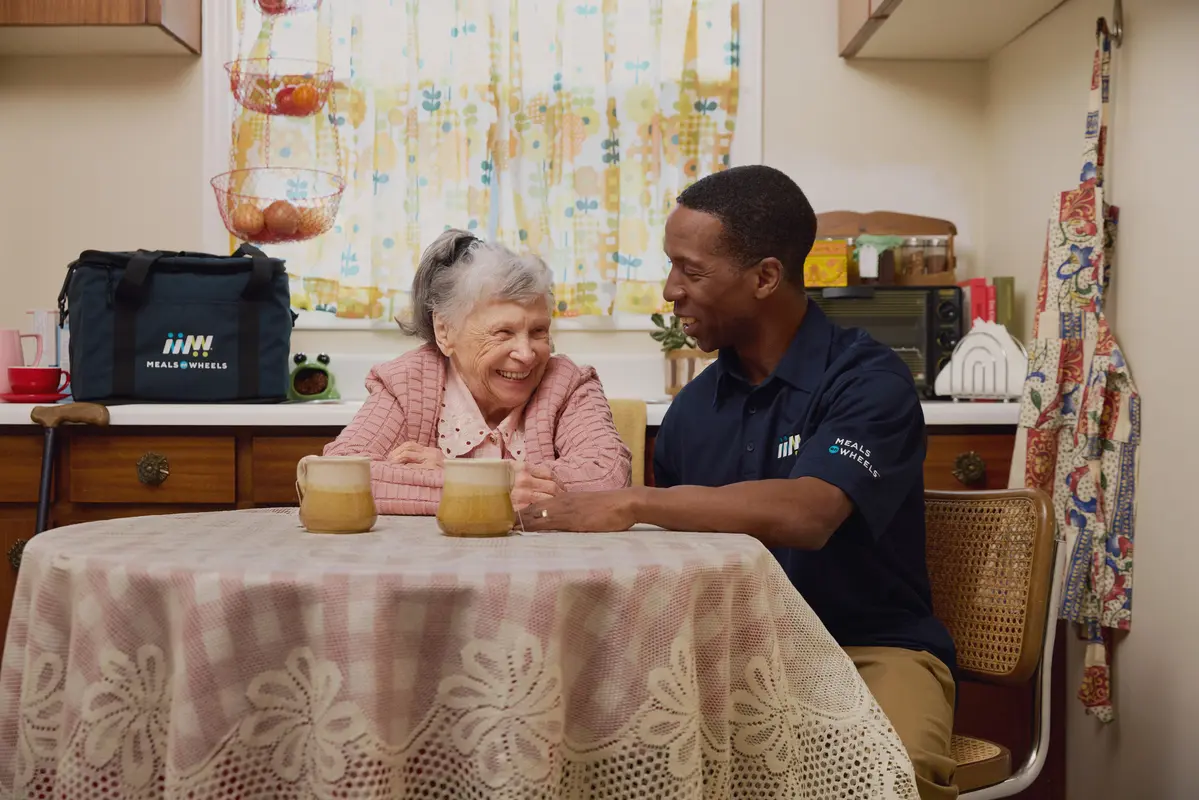
If you want a structured way to help seniors in your area, join an established group. Organizations often provide training, background checks, safety rules, and clear volunteer roles.
Consider volunteering with:
• Senior meal programs
• Friendly visitor programs
• Hospice organizations
• Hospitals
• Community centers
• Libraries
• Housing communities for older adults
• Food delivery groups
• Local disaster response teams
Before choosing a role, consider your time, skills, transportation, and comfort level. Some jobs involve home visits. Others take place in a public building or through phone calls.
Ask about training and boundaries. A good program should explain confidentiality, reporting duties, transportation rules, and what volunteers should do during an emergency.
Volunteers should not provide medical care, legal advice, financial management, or personal care unless properly trained and authorized. Clear limits protect both you and the senior.

Support Seniors Without Taking Away Independence
Good support adds strength. It does not replace a person’s choices.
Use respectful phrases such as:
• “Would you like help with that?”
• “Which option works best for you?”
• “Do you want me to stay while you call?”
• “How can I support your plan?”
Avoid grabbing items, making decisions, or speaking for someone without permission. Even helpful actions can feel controlling when they happen without consent.
Watch for signs that more support may be needed. These can include spoiled food, unpaid bills, repeated missed appointments, unsafe living conditions, or sudden confusion. One sign does not prove a problem. Keep notes of clear concerns and encourage contact with a doctor, social worker, or trusted family member.
Older adults have different cultures, values, abilities, and family structures. Ask about preferred names, foods, languages, and routines. Respecting these details is part of meaningful care.
Protect Seniors From Scams and Financial Abuse
Older adults may be targeted by phone, email, text, romance, investment, and government impersonation scams. Scam messages often create fear or urgency.
Teach a simple safety rule: stop, check, and talk to someone trusted.
Helpful steps include:
• Do not share Social Security numbers or banking details by phone without verification.
• Do not send money because a caller threatens arrest or account closure.
• Call a company using the number on its official statement or website.
• Review bank and credit card statements.
• Use privacy settings on social media.
• Report suspected fraud to the Federal Trade Commission and local law enforcement.
Financial support requires strong boundaries. Do not borrow money, accept large gifts, use someone’s bank card, or manage funds informally. If a senior needs financial help, suggest a qualified fiduciary, social worker, attorney, or trusted financial professional.
Start a Neighborhood Support Plan
You can help seniors in your area more effectively when neighbors work together. A small team can share tasks and reduce burnout.
A basic plan may include:
-
Ask seniors what support they want.
-
Create a list of willing volunteers.
-
Match tasks with skills and availability.
-
Set clear contact rules.
-
Keep private information limited.
-
Create an emergency backup plan.
-
Review the plan each month.
A shared calendar can track grocery trips, calls, rides, and visits. Do not post private health details in a public group. Use consent before sharing a person’s name, address, phone number, or needs.
If you live in an apartment building or close neighborhood, consider a “helping hands” list. People can offer one hour a week for errands, calls, technology help, or outdoor tasks.
Mistakes to Avoid When Helping Seniors
Good intentions can still cause problems. Avoid these common mistakes:
• Promising more time than you can give
• Treating every senior as helpless
• Sharing private stories without consent
• Giving medical advice beyond your training
• Ignoring cultural or personal preferences
• Entering a home without permission
• Handling money without clear safeguards
• Trying to fix every problem alone
• Failing to report serious safety concerns
The first lesson is to be dependable. If you cannot complete a task, tell the person early and help find another option.
The second lesson is to protect boundaries. Friendly support should not become an unpaid job that leaves you exhausted. You can care deeply and still say, “I cannot do that, but I can help you find someone who can.”
How to Help Seniors in Your Area on a Small Budget
Helping does not need to cost much. Time and attention are often the most useful gifts.
Low-cost ideas include:
• Calling once a week
• Sharing extra garden produce
• Reading mail aloud with permission
• Walking together
• Visiting a free museum day
• Helping with online forms
• Bringing library books
• Shoveling a walkway
• Teaching basic phone skills
• Sharing a meal
If you spend money for someone, keep the arrangement clear. Ask whether the person wants to reimburse you. Keep receipts and avoid mixing personal spending with another person’s funds.
A small act can be like a single porch light. It may not solve every problem, but it helps someone feel less alone and more secure.
Frequently Asked Questions About How Can I Help Seniors in My Area
How can I help seniors in my area if I have very little free time?
Make one dependable offer, such as a weekly call, a monthly grocery trip, or help with one digital task. Reliable support is often more helpful than a large promise that you cannot maintain.
What is the best way to help an elderly neighbor who refuses help?
Respect the person’s choice and keep the relationship friendly. Offer specific options without pressure, such as carrying groceries or sharing a phone number for a local service.
How can I find volunteer opportunities with seniors near me?
Contact your local senior center, Area Agency on Aging, library, hospital, faith group, or meal delivery program. Ask about training, background checks, time commitments, and volunteer safety rules.
How can I help seniors in my area who live alone?
Set up regular calls or visits, help with errands, and make sure the person knows how to reach local services. With permission, create an emergency contact plan and watch for changes that may require professional support.
What should I do if I suspect a senior is being abused or neglected?
Take the concern seriously, but do not confront a suspected abuser if doing so could increase danger. Contact Adult Protective Services, local law enforcement, or 911 when there is immediate risk.
Can I help a senior with medication?
You may help with reminders or transportation if the person agrees, but do not change doses or make medical decisions. For medication questions, contact a pharmacist, doctor, or licensed caregiver.
Conclusion
Knowing how can I help seniors in my area begins with respect, patience, and steady action. You can offer companionship, transportation, home safety help, technology support, errands, or a connection to trusted local services.
Start with one person and one practical offer. Ask what they need, protect their privacy, and keep your promises. Then contact a local senior center, Area Agency on Aging, or volunteer group to learn how you can help more.
Choose one small step this week, and invite a neighbor or friend to join you. Share your experience, explore local resources, and help make your community a safer and kinder place for older adults.

Michael Reynolds is a senior contributor at RetirementGazette.com, where he focuses on helping readers navigate the journey toward a secure and fulfilling retirement. With over a decade of experience in personal finance, retirement planning, and lifestyle writing, Michael combines practical strategies with easy-to-understand guidance tailored for both pre-retirees and those already enjoying their golden years.