Health insurance for seniors often costs $0 to over $500 per month, depending on coverage, income, location, and health needs.
Knowing how much health insurance is for seniors can make retirement planning much less stressful. For most Americans age 65 and older, Medicare is the starting point, but premiums, deductibles, copays, prescription costs, Medigap plans, and Medicare Advantage plans can change the total. This guide explains the real costs, shows sample budgets, and shares practical ways to avoid paying more than you need.

How much is health insurance for seniors?
For most seniors, the answer depends on the type of coverage they choose.
A senior enrolled in premium-free Medicare Part A and standard Part B may pay about $185 per month in 2025 for medical insurance. Adding prescription coverage, Medigap, dental insurance, or other benefits can raise the monthly cost.
Here are common monthly cost ranges:
• Medicare Part A: Usually $0 for people with enough work history
• Medicare Part B: $185 in 2025 for most enrollees
• Medicare Part D: Often about $0 to $100 or more, depending on the plan
• Medicare Advantage: Often $0 to $100 or more, plus the Part B premium
• Medigap: Commonly about $50 to $300 or more, depending on the plan and location
• Dental, vision, and hearing coverage: Often $10 to $80 or more
So, how much is health insurance for seniors in a realistic budget? Many people spend between $185 and $400 per month for Medicare and supplemental coverage. Higher-income households, people who need costly medicines, and those who buy broader private coverage may pay more.
Medicare costs for seniors
Medicare is the main health insurance program for Americans age 65 and older. It has several parts, and each part covers different services.
Medicare Part A
Medicare Part A covers inpatient hospital care, skilled nursing care after a qualifying hospital stay, hospice care, and some home health care.
Most people pay no monthly premium for Part A. This is known as premium-free Part A. Usually, a person qualifies after working and paying Medicare taxes for at least 10 years, or 40 quarters.
People with fewer work credits may pay a monthly Part A premium. In 2025, the premium can be as high as $518 per month. Part A also has a hospital deductible, which is $1,676 per benefit period in 2025.
A benefit period is not the same as a calendar year. This detail surprises many new Medicare members because the deductible can apply again after a long enough break from hospital care.
Medicare Part B
Part B covers doctor visits, outpatient care, preventive services, medical equipment, lab tests, and many other medical services.
The standard Part B premium is $185 per month in 2025. The annual Part B deductible is $257. After meeting the deductible, most people pay 20% of the Medicare-approved amount for covered services.
There is no yearly out-of-pocket maximum in Original Medicare. That means a serious illness can create large bills unless you add Medigap, Medicaid, or another form of supplemental protection.
Medicare Part D
Part D helps pay for prescription drugs. Plans are sold by private insurance companies, so prices and covered medicines vary.
In 2025, Medicare prescription drug plans include a $2,000 annual out-of-pocket limit for covered Part D medicines. This limit is helpful for people who take expensive drugs, but monthly premiums, deductibles, and pharmacy rules still differ by plan.
The best plan is not always the one with the lowest premium. A plan with a low monthly price may charge more for your medicines or use a pharmacy that is less convenient.

Medicare Advantage versus Medigap
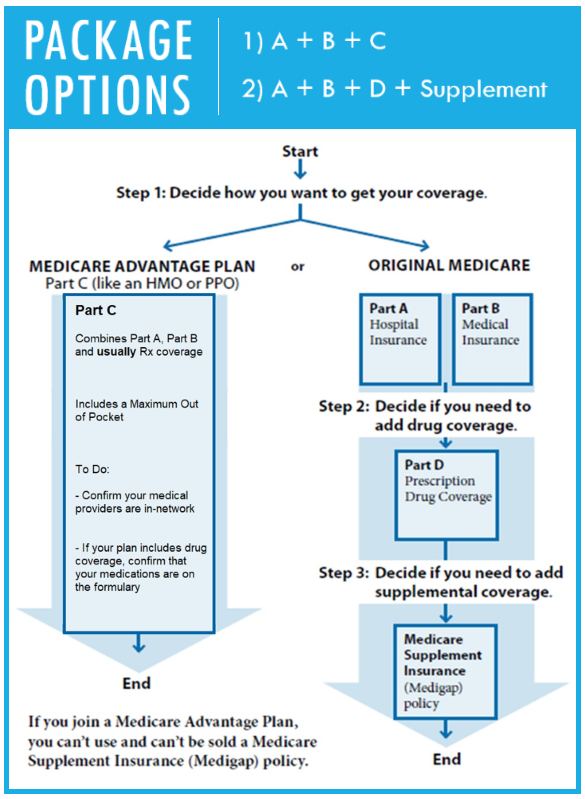
After enrolling in Medicare Part A and Part B, many seniors choose either Medicare Advantage or Original Medicare with a Medigap plan. These options work in different ways.
Medicare Advantage plans
Medicare Advantage, also called Medicare Part C, combines Part A and Part B through a private insurance plan. Most plans also include prescription coverage.
Some plans have a $0 monthly plan premium. However, you must usually continue paying the Medicare Part B premium. You may also pay copays for doctor visits, hospital care, tests, and prescriptions.
Medicare Advantage plans often include extra benefits, such as:
• Dental exams or limited dental care
• Vision exams and glasses allowances
• Hearing benefits
• Fitness programs
• Transportation for some medical visits
• Over-the-counter health product allowances
The main limitation is the provider network. Health maintenance organization plans may require you to use in-network doctors except for emergencies. Preferred provider organization plans offer more flexibility but may cost more.
Medicare Advantage plans also have a yearly out-of-pocket limit for covered Medicare services. This limit provides protection that Original Medicare alone does not provide.
Medigap plans
Medigap plans help pay some costs that Original Medicare does not cover. Depending on the plan, this may include deductibles, coinsurance, or copayments.
Medigap policies usually do not include prescription drug coverage. You generally need a separate Part D plan for medicines.
Medigap premiums can range from about $50 to more than $300 per month. Prices depend on the plan letter, state, age, tobacco use, health underwriting rules, and when you apply.
Plan G is a popular option because it covers nearly all approved Medicare costs after the Part B deductible. Plan N can cost less but may require certain copayments and may not cover Part B excess charges.
Which option costs less?
There is no single answer. Medicare Advantage may have a lower monthly premium, while Medigap may offer more predictable bills when you receive care.
A healthy person who rarely visits a doctor may prefer a low-premium Medicare Advantage plan. Someone who travels often or wants broad access to doctors may prefer Original Medicare and Medigap.
When comparing how much health insurance is for seniors, look beyond the monthly premium. Think of the premium as the entry fee, not the full price of the trip.
What affects the cost of senior health insurance?
Several factors affect how much health insurance is for seniors. Two people in the same city can pay very different amounts.
Income
Higher-income Medicare beneficiaries may pay an Income-Related Monthly Adjustment Amount, known as IRMAA. This surcharge can increase Part B and Part D premiums.
The Social Security Administration generally uses tax information from two years earlier to determine IRMAA. For example, your 2025 premiums may be based on your 2023 tax return.
If your income dropped because of retirement, divorce, loss of a pension, or another qualifying life event, you may ask Social Security to reconsider the surcharge.
Location
Medicare Advantage and Medigap prices vary by state and county. A plan that costs $20 per month in one area may cost much more in another.
Local hospital systems, competition, prescription prices, and insurance rules all affect premiums. Always use your ZIP code when comparing plans.
Age and enrollment timing
Medigap companies in some states can charge more as you get older. Applying during your Medigap Open Enrollment Period often provides the strongest protections.
This period starts when you are at least 65 and enrolled in Part B. It lasts six months. During this window, insurers generally cannot use medical underwriting to deny coverage or charge more because of health conditions.
Missing this window can make Medigap more expensive or harder to obtain, depending on your state.
Health needs
Your health needs affect out-of-pocket spending more than the premium alone. A person with diabetes, heart disease, or cancer may need more visits, tests, specialists, and medicines.
Review:
• Your doctors and hospitals
• Your regular prescriptions
• Expected surgeries or treatments
• Specialist referrals
• Physical therapy needs
• Travel plans
• Your preferred pharmacies
Coverage choices
Dental, vision, hearing, long-term care, and transportation benefits can affect your total insurance budget. Original Medicare generally does not cover routine dental care, routine eye exams for glasses, hearing aids, or long-term custodial care.
These gaps often lead seniors to buy separate policies or pay directly for services.

Sample senior health insurance budgets
Examples make the numbers easier to understand. These are estimates, not quotes.
Example one: Basic Medicare coverage
A senior with premium-free Part A may have these monthly costs:
• Part A: $0
• Part B: $185
• Part D: $25
• Dental and vision plan: $35
• Estimated monthly total: $245
This person may still face deductibles, copays, coinsurance, and medical bills.
Example two: Original Medicare with Medigap
Another senior may choose:
• Part A: $0
• Part B: $185
• Medigap Plan G: $150
• Part D: $35
• Dental and vision coverage: $35
• Estimated monthly total: $405
This approach may provide more predictable medical costs, but the premium is higher.
Example three: Medicare Advantage
A Medicare Advantage member may pay:
• Part A: $0
• Part B: $185
• Medicare Advantage plan premium: $0
• Prescription costs: $30
• Dental and vision plan extras: Included or $20
• Estimated monthly total: $215 to $235
The member may still pay copays and coinsurance during the year. They also need to check the plan’s network and yearly out-of-pocket limit.
Example four: A senior under age 65
Some people retire early because of a disability or health problem. They may not yet qualify for Medicare and may need an Affordable Care Act marketplace plan.
The monthly premium may range from very low to more than $1,000 before subsidies. Household income, age, location, tobacco use, and plan level all affect the price.
Tax credits can lower the premium for eligible households. Always check the marketplace before assuming private health insurance is unaffordable.

Ways to lower health insurance costs
You may be able to reduce how much health insurance is for seniors without giving up important care.
Compare total yearly costs
Do not compare plans by premium alone. Add the premium, deductible, copays, coinsurance, prescription costs, and likely medical services.
A plan that costs $30 more each month may save hundreds of dollars if it covers your medicines better.
Use Medicare’s plan comparison tools
Enter your prescriptions, preferred pharmacies, doctors, and ZIP code into the official Medicare plan finder. Check the results each year because formularies, premiums, pharmacy networks, and benefits can change.
Annual enrollment is a useful time to review your options. Even if your plan worked well last year, the terms may not stay the same.
Ask about help programs
Low-income seniors may qualify for programs that reduce Medicare expenses.
Possible sources of help include:
• Medicare Savings Programs
• Extra Help for prescription drugs
• Medicaid
• State pharmaceutical assistance programs
• Pharmaceutical company assistance programs
Eligibility rules vary by income, assets, household size, and state. A State Health Insurance Assistance Program counselor can provide free, unbiased guidance.
Avoid late enrollment penalties
If you do not have qualifying employer coverage, delaying Medicare enrollment can lead to penalties. Part B penalties may last as long as you have Part B.
Part D penalties can also continue for life. Keep records of employer coverage and ask Medicare about enrollment deadlines before retiring.
Review your Medigap options carefully
If you already have Medigap, switching plans may involve health questions in some situations. A lower premium may look attractive, but the new plan could reject your application or exclude some conditions.
Get written details before canceling existing coverage. Never cancel a plan until the replacement plan is approved and active.

Common mistakes seniors should avoid
Understanding how much health insurance is for seniors also means understanding common traps.
The first mistake is choosing a plan based only on a $0 premium. A $0 plan can still have high copays, a narrow network, or expensive drug costs.
The second mistake is failing to check doctors. A plan may cover your favorite hospital but not your specialist, or it may place a doctor in a higher cost tier.
The third mistake is ignoring prescription changes. One medicine moving to a different tier can change your yearly cost by hundreds of dollars.
The fourth mistake is missing enrollment dates. The Initial Enrollment Period, General Enrollment Period, Medicare Advantage Open Enrollment Period, and Annual Enrollment Period each serve different purposes.
The fifth mistake is assuming Medicare covers long-term care. Medicare may cover limited skilled care after a qualifying hospital stay, but it generally does not pay for ongoing custodial care in a nursing home or assisted living setting.
A practical review checklist can help:
-
List every medicine and dosage.
-
Confirm your doctors accept the plan.
-
Check hospital and pharmacy networks.
-
Estimate your yearly medical visits.
-
Compare the annual out-of-pocket maximum.
-
Review dental, vision, and hearing needs.
-
Check whether you qualify for financial assistance.
-
Save all enrollment and coverage documents.
In plan reviews, one lesson comes up again and again: the cheapest monthly premium is not always the cheapest choice. A plan must fit your doctors, medicines, budget, and comfort with unexpected bills.

Frequently asked questions about how much is health insurance for seniors
How much does Medicare cost per month for a senior?
Many seniors pay $185 per month for Medicare Part B in 2025 and $0 for Part A if they have enough work credits. Prescription coverage and supplemental insurance can bring the total to roughly $200 to $500 or more per month.
Is Medicare free for seniors?
Medicare Part A is often premium-free, but Medicare is not completely free for most people. Part B has a monthly premium, and members may also pay for prescriptions, Medigap, Medicare Advantage services, deductibles, and copays.
Is Medicare Advantage cheaper than Medigap?
Medicare Advantage often has a lower monthly premium, while Medigap usually costs more each month. Medicare Advantage may have more copays and network rules, whereas Medigap can make medical bills more predictable.
Can seniors get free health insurance?
Some seniors with limited income and assets may qualify for Medicaid or Medicare Savings Programs. These programs may help pay premiums, deductibles, coinsurance, and other medical costs.
Does Medicare cover dental and vision care?
Original Medicare usually does not cover routine dental care, standard eye exams for glasses, or hearing aids. Some Medicare Advantage plans include limited dental, vision, and hearing benefits.
How much is health insurance for seniors under age 65?
Seniors under 65 may need marketplace insurance unless they qualify for Medicare because of disability or certain medical conditions. Costs can range from very low with subsidies to more than $1,000 per month without financial assistance.
Can health insurance premiums be deducted from taxes?
Some health insurance premiums may count as medical expenses for tax purposes if you itemize deductions and meet federal rules. Tax treatment depends on your income, coverage, and payment method, so ask a qualified tax professional.
Conclusion
How much health insurance is for seniors depends on more than one premium. Medicare Part B, prescription coverage, Medicare Advantage or Medigap, medical needs, income, location, and dental or vision care all shape the final budget.
For many people, a realistic total falls between about $200 and $500 per month, but individual costs can be lower or much higher. Compare yearly costs, check your doctors and medicines, review plans every year, and apply for assistance if your income is limited.
Start by writing down your expected health care needs and comparing official plan details. Taking that small step can help you choose coverage with confidence and protect more of your retirement income.

Michael Reynolds is a senior contributor at RetirementGazette.com, where he focuses on helping readers navigate the journey toward a secure and fulfilling retirement. With over a decade of experience in personal finance, retirement planning, and lifestyle writing, Michael combines practical strategies with easy-to-understand guidance tailored for both pre-retirees and those already enjoying their golden years.