Adult Protective Services may visit after a report suggests an older or vulnerable adult faces abuse, neglect, or exploitation.
If you are asking, “why would adult protective services come to my house,” try not to panic. A visit does not prove that anyone did something wrong. APS usually responds to a concern, checks the person’s safety, and decides whether help is needed. This guide explains what may trigger a visit, what happens next, and how to protect your rights while cooperating.
What Is Adult Protective Services?
Adult Protective Services, often called APS, is a public agency that helps protect certain adults from harm. These adults may be older people or adults with a physical, mental, or developmental disability.
Each state has its own APS rules. Still, most programs look into reports of possible:
• Abuse, including physical, emotional, or sexual harm
• Neglect by a caregiver or by the adult
• Self-neglect, such as unsafe living conditions or missed basic needs
• Financial exploitation, fraud, or theft
• Abandonment or isolation
APS is not the same as the police. Police usually investigate possible crimes. APS focuses on safety, well-being, services, and protection. In some cases, APS and law enforcement may work together.
A report can come from a doctor, nurse, bank worker, neighbor, social worker, family member, friend, or the adult at risk. Many states require certain professionals to report suspected abuse or neglect. A person may also make a report in good faith, even when the concern later proves unfounded.

Why Would Adult Protective Services Come to My House?
The main reason APS comes to a home is that someone reported a possible safety concern involving an adult who may need protection. The report may involve you, someone who lives with you, or a person for whom you provide care.
Here are common reasons for an APS home visit.
A report of physical abuse
APS may receive a report about bruises, injuries, restraints, rough treatment, or threats. The report may name a caregiver, relative, partner, roommate, or another person in the home.
A report does not automatically mean abuse occurred. APS workers must assess the situation and speak with the adult, caregivers, and others who may have useful information.
Concerns about neglect
Neglect can involve a lack of food, water, medicine, hygiene, shelter, or needed medical care. It may also involve a caregiver who cannot provide safe support.
Sometimes neglect happens because a caregiver is exhausted, sick, or undertrained. The goal may be to connect the household with help rather than punish someone.
Suspected self-neglect
Self-neglect is one of the most common reasons for APS involvement. It may arise when an adult cannot safely manage daily needs.
Warning signs may include:
• Spoiled food or no food in the home
• Unsafe clutter, blocked exits, or fire hazards
• Repeated medical emergencies
• Missed medicine or untreated health problems
• Poor hygiene or unsafe clothing
• Utility shutoffs or loss of housing
• Confusion about money, bills, or basic care
Self-neglect does not mean a person is lazy or careless. A health issue, memory loss, depression, disability, or lack of support may be the real cause.
Possible financial exploitation
APS may visit after a report of unusual withdrawals, new loans, missing property, suspicious contracts, or pressure to change a will. Banks and credit unions may report unusual activity when they suspect an older customer is being exploited.
Financial abuse can happen even when there are no visible injuries. A trusted family member, caregiver, friend, partner, or stranger may be involved.
A missing, isolated, or abandoned adult
A home visit may follow concerns that an adult is isolated, left alone without support, or abandoned by a caregiver. APS may also respond when a caregiver suddenly disappears or stops providing care.
The agency may ask about the person’s daily routine, health needs, food, medication, transportation, and contact with family or services.
A concern from a medical or social service provider
A hospital, clinic, home health agency, nursing facility, or social worker may contact APS. This can happen when a patient cannot explain an injury, lacks a safe discharge plan, or appears unable to meet basic needs.
A hospital referral does not always mean the hospital believes a crime occurred. It may simply want another agency to assess safety before the person returns home.
A complaint about a caregiver or household member
APS could visit because someone questioned the quality of care in the home. The concern may involve medication errors, missed appointments, verbal conflict, unsafe transfers, or poor living conditions.
Sometimes the report is based on a misunderstanding. APS still may need to check the facts.

Does an APS Visit Mean Someone Reported Me?
Not always. A report may concern another adult in the home, or it may come from several people. APS may not tell you who made the report because many states protect the reporter’s identity.
Reports can be mistaken, incomplete, or based on a single observation. APS should assess facts rather than treat an allegation as proof. You can politely ask what general concern brought the worker to your home, although the worker may not share every detail.
If the report involves you as a caregiver, focus on clear facts. Explain what care you provide, what help you need, and what steps you have taken to address any problem.
What Happens During an APS Home Visit?
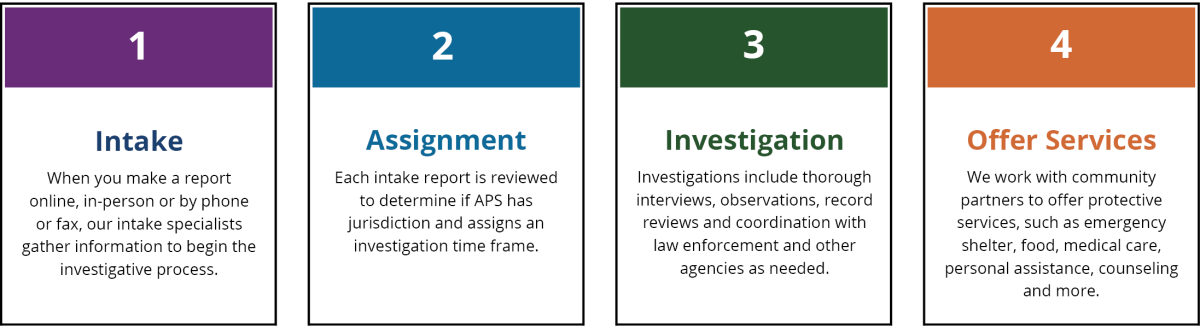
The exact process depends on state law and the urgency of the report. In many cases, an APS worker first identifies the agency and explains the general reason for the visit.
The worker may:
• Ask to speak with the adult privately
• Ask about health, safety, food, medicine, money, and daily care
• Look at parts of the home related to the reported concern
• Speak with caregivers, relatives, neighbors, or service providers
• Review medical, financial, or social records when legally allowed
• Offer services such as transportation, home care, meals, counseling, or legal support
• Decide whether the report is unsubstantiated, needs services, or requires further action
An APS worker may not need a court order to ask questions or request voluntary access. However, the rules for entering a home vary by state. In an emergency, the agency may take steps allowed by law to protect someone from immediate danger.
You can ask for the worker’s name, agency, phone number, and supervisor. Write down the date, time, questions asked, and documents requested. Keep your notes factual and calm.

How Should You Respond When APS Comes to Your House?
A calm, organized response often helps. Treat the visit as a safety assessment, not as a personal attack.
Use these steps:
-
Ask the worker to show official identification.
-
Ask what general concern the agency is assessing.
-
Listen fully before answering.
-
Give short, truthful, direct answers.
-
Do not guess when you do not know something.
-
Ask whether the visit is voluntary or required by a court order.
-
Ask what information or records the agency needs.
-
Request contact details for the assigned worker and supervisor.
-
Write down what happened after the worker leaves.
-
Contact an elder law attorney or legal aid office if the case may affect guardianship, housing, money, or custody.
Avoid destroying records, coaching the adult to give a certain answer, threatening the reporter, or hiding relevant facts. Those actions can make the situation appear more serious.
If the adult is able to make decisions, respect that person’s wishes. Do not answer every question for them unless they ask for help or need communication support.
Can You Refuse to Let APS Into Your Home?
The answer depends on your state, the adult’s legal capacity, and whether APS has legal authority to enter. You may ask whether the worker has a warrant, court order, or emergency authority.
Refusing entry does not always end the matter. The agency may seek a court order, contact other people, or take other steps permitted by state law. A refusal may also delay services or raise more questions.
You do not have to argue at the door. A respectful response could be:
“Please explain the legal basis for the visit and give me your supervisor’s contact information. I want to cooperate, but I would like legal advice before discussing private records.”
Do not physically block an authorized worker or interfere with an emergency response. If you are unsure about your rights, call a local legal aid program or attorney.

What Rights Do You Have During an APS Investigation?
Rights differ across the United States, so local advice matters. In general, you may have important protections.
You may be able to:
• Know the agency’s identity and contact information
• Ask about the general nature of the allegation
• Give your own explanation and provide supporting records
• Request an interpreter or disability accommodation
• Ask whether participation is voluntary
• Decline to guess or sign documents you do not understand
• Consult an attorney
• Challenge certain findings through a state appeal or review process
• Receive information about available services
The adult at risk may also have the right to make personal choices. APS should consider the adult’s capacity, wishes, culture, privacy, and least restrictive options.
Capacity is specific to a decision. A person may be able to choose where to live but need help managing complex finances. A diagnosis alone does not prove that someone cannot make decisions.
What Records Should You Gather?
Clear records can help APS understand what is really happening. They are especially useful when the concern involves care, money, medicine, or household conditions.
Consider gathering:
• Medication lists and appointment records
• Care schedules and notes
• Receipts for food, medicine, rent, and household needs
• Bank statements that explain unusual transactions
• Powers of attorney, care agreements, or court papers
• Names and phone numbers of doctors and care providers
• Photos or repair records related to a safety issue
Keep original documents safe. Give copies when possible. Do not alter, backdate, or create records after the fact.
If you manage money for another adult, keep the person’s funds separate from your own. Use written agreements and maintain a simple record of every payment. Good records can prevent confusion and reduce the risk of financial abuse claims.

What Can APS Do After the Visit?
APS may close the case if the concern is not supported. It may also offer voluntary services or continue an assessment.
Possible outcomes include:
• Home care or personal assistance
• Meals and transportation
• Medical or mental health referrals
• Adult day programs
• Benefits or housing support
• Safety planning
• Help with financial protection
• Respite care for a caregiver
• Emergency shelter or placement
• Referral to police or a prosecutor when a crime may have occurred
In many cases, APS cannot force a competent adult to accept services. An adult who understands the risks may have the right to make choices others consider unwise.
If the adult lacks decision-making capacity and faces serious danger, APS may seek court involvement. This can include emergency protective orders, guardianship proceedings, or other legal remedies. These steps are serious and depend on state law and the facts of the case.

Mistakes to Avoid During an APS Investigation
People often make the situation harder because they feel afraid or angry. Try to avoid these common mistakes:
Do not assume the visit is a conviction
APS investigates concerns. It does not automatically find that abuse or neglect occurred. Staying calm gives you a better chance to explain the full situation.
Do not lie or hide important information
A false answer may damage your credibility. If you made a mistake, explain what happened and describe the steps you took to fix it.
Do not pressure the adult
The adult should be able to speak freely when possible. Coaching answers can look like control, even when your intent is to help.
Do not ignore written notices
Read every letter from APS. Note deadlines for interviews, records, hearings, or appeals. Ask for clarification in writing when needed.
Do not sign unfamiliar documents
Ask what a form means and what rights you may give up by signing. You can request time to review it with an attorney.
Do not post details online
Social media posts can expose private information and create new misunderstandings. Keep the matter private while the assessment is active.
How Can You Prevent Future APS Concerns?
You cannot control whether someone makes a report. You can make the home and care plan easier to understand.
Helpful steps include:
• Create a written care plan
• Use a medication organizer and appointment calendar
• Keep walkways and exits clear
• Arrange regular check-ins with trusted people
• Document paid and unpaid caregiving
• Separate personal and household finances
• Install safety tools, such as grab bars or smoke alarms
• Ask the doctor to review memory, mood, and medication issues
• Seek respite care before caregiver stress becomes a crisis
• Report suspected fraud or abuse promptly
Caregivers should ask for help early. A family member who works full time may not be able to provide round-the-clock care. Requesting support is a sign of planning, not failure.
The best prevention plan works like a handrail. It does not remove every risk, but it gives people support before a small problem becomes an emergency.
Frequently Asked Questions About Why Would Adult Protective Services Come to My House
Why would Adult Protective Services come to my house without calling first?
APS may make an unannounced visit because the agency needs to observe the home as it normally is or because the report suggests an urgent risk. State law controls when workers may enter and what they may do if no one answers.
Can APS remove someone from my home?
APS may seek emergency protection when an adult faces serious and immediate danger. Removal usually requires legal authority or the adult’s agreement, and the exact process varies by state.
Will APS tell me who made the report?
Often, APS keeps the reporter’s identity confidential. The agency may share the general concern but not the person’s name, especially when confidentiality protects the reporter or the investigation.
What happens if APS finds no abuse or neglect?
The agency may close the case or record that the allegation was not supported. You can ask how to obtain written information about the outcome and whether your state offers a review or appeal process.
Can I refuse to answer APS questions?
You can ask whether questions are voluntary and seek legal advice before answering. However, refusing to cooperate may lead APS to use other information or seek legal authority, so consider speaking with an attorney about your specific situation.
Does APS investigate financial exploitation?
Yes. Financial exploitation is a common APS concern. The agency may review suspicious transfers, pressure, scams, misuse of a power of attorney, or theft of money or property.
Do I need a lawyer when APS visits?
You may not need a lawyer for every case, especially when APS is offering basic services. Legal advice is wise when there are claims of abuse, a risk of removal, financial questions, guardianship, criminal exposure, or a formal hearing.
Conclusion
If you are wondering, “why would adult protective services come to my house,” the answer is usually a report about possible abuse, neglect, self-neglect, exploitation, or danger involving an adult who may need protection. A visit is an assessment, not automatic proof of wrongdoing.
Ask for identification, stay calm, give honest information, protect private records, and learn your state’s rules. If the matter could affect housing, money, guardianship, or criminal charges, contact an elder law attorney or legal aid office promptly. Use this guide as a starting point, then explore your state APS website and local support services for help tailored to your situation.

Michael Reynolds is a senior contributor at RetirementGazette.com, where he focuses on helping readers navigate the journey toward a secure and fulfilling retirement. With over a decade of experience in personal finance, retirement planning, and lifestyle writing, Michael combines practical strategies with easy-to-understand guidance tailored for both pre-retirees and those already enjoying their golden years.