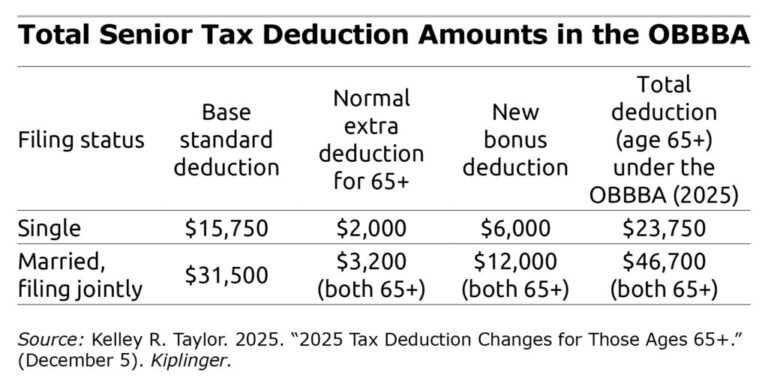
Texas seniors can apply online, by phone, or in person through Your Texas Benefits and local offices.
Learning how to apply for Medicaid for seniors in Texas can feel confusing, especially when Medicare, income rules, assets, and long-term care are involved. This guide explains the process in plain English, with practical steps, document tips, and Texas-specific details to help you apply with confidence.
What Medicaid covers for seniors in Texas
Medicaid is a joint federal and state health program. In Texas, the Health and Human Services Commission, or HHSC, manages Medicaid applications and benefits.
Medicaid may help pay for:
• Doctor visits and hospital care
• Prescription drugs through related coverage programs
• Nursing home care
• Some home and community-based services
• Personal care services
• Medical transportation in some cases
• Medicare premiums, deductibles, and coinsurance for eligible people
Many seniors have both Medicare and Medicaid. Medicare usually pays first. Medicaid may then help with costs that Medicare does not cover.
The best way to understand how to apply for Medicaid for seniors in Texas is to view it as a screening process. HHSC checks your age, income, assets, living situation, disability status, and the type of help you need.

Medicaid programs available to Texas seniors
Texas has more than one Medicaid pathway for older adults. The right program depends on your needs and finances.
Medicaid for people age 65 or older
People age 65 and older may qualify under an aged, blind, or disabled Medicaid category. This coverage can support basic medical care and, in some cases, long-term services.
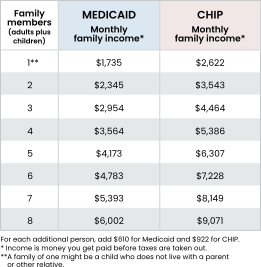
Income and asset rules apply. These rules can change, so check the current limits before applying.
Medicaid for nursing home care
Medicaid may help pay for nursing facility care when a senior meets medical and financial requirements. The person must usually need a level of care similar to what a nursing facility provides.
The state reviews income, countable assets, medical needs, and financial transfers. Nursing home Medicaid has more complex rules than regular medical coverage.
STAR+PLUS Medicaid
STAR+PLUS is a Texas Medicaid managed care program for many adults who are elderly or have disabilities. It may include medical care, long-term services, and support at home or in a community setting.
Some people receive STAR+PLUS through Medicaid waivers or related programs. Availability and enrollment rules depend on the person’s situation and service needs.
Medicare Savings Programs
A Medicare Savings Program may help pay Medicare Part A or Part B premiums. Some programs also help with deductibles and coinsurance.
These programs often have different income and asset limits from full Medicaid. Therefore, a senior who does not qualify for full Medicaid may still receive valuable help with Medicare costs.
Medicaid Buy-In programs
Certain Medicaid Buy-In programs help some adults with disabilities obtain Medicaid by paying a monthly premium. These programs are not the usual route for every senior, but they may apply in special cases.
Ask HHSC or a benefits counselor whether a Buy-In program fits your situation.

Who may qualify for Medicaid in Texas?
Eligibility depends on several facts. Meeting one rule does not guarantee approval because HHSC reviews the full application.
Key factors include:
• Age, disability, or blindness
• Monthly income
• Countable resources and assets
• Household and marital status
• Citizenship or eligible immigration status
• Texas residency
• Medical need for long-term care
• Transfers of money or property
• Current health insurance, including Medicare
A senior may still qualify while owning a home. The home may receive special treatment when the applicant lives there or intends to return home. However, rules can become more complex when a spouse, dependent child, or other family member lives in the home.
Income may include Social Security, Supplemental Security Income, pensions, retirement withdrawals, wages, interest, and annuities. Some income exclusions apply, so do not assume that one source automatically disqualifies you.
Assets may include bank accounts, investments, a second vehicle, real property, and certain life insurance policies. Personal belongings and one primary vehicle may receive different treatment under program rules.
When learning how to apply for Medicaid for seniors in Texas, remember this important point: do not hide assets or leave out income. An incomplete or inaccurate application can cause delays, denial, or later problems.

Documents to gather before you apply
Good preparation can make the application smoother. Think of your documents as pieces of a puzzle. Each piece helps HHSC confirm your identity, income, resources, and care needs.
Gather copies of:
• Social Security cards or numbers
• Proof of age, such as a birth certificate or passport
• Proof of Texas residence
• Medicare card and other insurance information
• Social Security award letters
• Pension or retirement income statements
• Recent bank statements
• Investment and retirement account statements
• Property records
• Life insurance information
• Vehicle information
• Medical bills and care records
• Nursing home admission documents, if applicable
• Marriage, divorce, or death certificates when relevant
• Records of gifts, property sales, or large transfers
You may not need every document at the first stage. Still, having them ready can prevent back-and-forth requests.
If someone applies for you, gather proof of legal authority when available. This may include a power of attorney, guardianship order, or authorized representative form.

How to apply for Medicaid for seniors in Texas
Texas offers several ways to submit an application. Choose the method that feels safest and easiest for the senior.
Apply online
The main online option is the Your Texas Benefits website. You can create an account, complete the application, upload documents, and check notices.
Online applications can be useful when a family member helps from another city. Save your username, password, confirmation number, and submitted documents.
Apply by phone
You can contact Texas Health and Human Services by phone for application help. A representative can explain the process and may help you start an application.
Phone wait times can vary. Write down the date, time, representative’s name, and any instructions you receive.
Apply by mail or fax
You may request or print an application and return it by mail or fax, depending on the program and current HHSC instructions. Keep a complete copy before sending it.
Use a trackable mailing method when possible. This gives you proof that the agency received your paperwork.
Apply in person
You may visit a local HHSC benefits office. In-person help can be useful for seniors who do not use computers or who have complex paperwork.
Call ahead to confirm office hours, services, and whether an appointment is needed.
Ask for help from a trusted representative
A family member, social worker, hospital discharge planner, or benefits counselor may help with the application. The senior should understand what is being submitted, unless a legal representative has authority to act for them.
For complex nursing home cases, consider speaking with an elder law attorney or a qualified Medicaid planning professional. Be careful with anyone who promises guaranteed approval.

Step-by-step Medicaid application process
Here is a simple outline of how to apply for Medicaid for seniors in Texas.
1. Identify the type of help needed
Decide whether the senior needs regular medical coverage, help with Medicare costs, nursing home Medicaid, or home-based services.
The program type affects the questions and documents HHSC may request.
2. Start the application
Use Your Texas Benefits, call HHSC, apply by mail, or visit an office. Submit the application even if you do not yet have every document.
Ask HHSC what information is missing. Do not wait too long if the senior needs urgent care coverage.
3. Report all income and assets
List each income source and financial account. Include joint accounts and property interests when the application asks for them.
If you are unsure whether something counts, report it and explain it. HHSC can decide how the item is treated.
4. Complete the interview
HHSC may conduct a phone interview or request more information. Answer clearly and keep notes.
If the senior has hearing, speech, language, or mobility needs, request an accommodation or interpreter.
5. Send verification documents
Read every notice carefully. Send documents by the deadline shown in the notice.
Put the senior’s name, case number, and contact information on each page when instructed. Keep proof of delivery.
6. Wait for the decision
HHSC reviews the application and sends a written notice. The notice should explain approval, denial, or the need for more information.
Read the effective date. Coverage may sometimes begin before the approval date, depending on the program and eligibility rules.
7. Review the result
If approved, follow instructions about choosing a health plan or completing enrollment. If denied, read the reason and appeal instructions.
A denial is not always the final answer. Some denials result from missing documents or an incorrect understanding of the person’s circumstances.
How long does Texas Medicaid approval take?
Processing time varies by program and case complexity. A straightforward application may move faster than a nursing home application involving property, trusts, gifts, or a married couple.
HHSC may ask for more information during the review. Each missing item can add time, so answer requests as soon as possible.
Track these details:
• Application date
• Confirmation number
• Names of HHSC representatives
• Documents sent
• Dates documents were sent
• Deadlines in notices
• Appeal deadlines
If the senior needs immediate medical care or is entering a nursing facility, tell the caseworker. Ask whether temporary coverage, emergency help, or another program may apply.

Special rules for nursing home Medicaid
Nursing home Medicaid is one of the most complicated parts of how to apply for Medicaid for seniors in Texas.
Medical eligibility
A senior must usually need a level of care that meets Medicaid’s standards. A doctor, nurse, or state reviewer may provide or evaluate medical information.
The need may involve help with bathing, dressing, eating, moving, using the bathroom, medication management, or supervision.
Income rules
Nursing home residents often contribute most of their available monthly income toward care. Medicaid may pay the approved balance after allowable deductions and contributions.
Certain deductions may apply for a personal needs allowance, health insurance premiums, and support for an eligible spouse or dependent.
Spousal protections
When one spouse enters a nursing home, the other spouse may be called the community spouse. Medicaid rules may allow the community spouse to keep certain income and resources.
Do not transfer accounts or sell property without advice. A seemingly simple transfer can affect eligibility.
The five-year look-back period
Texas Medicaid may review financial transfers made during the five years before a long-term care application. Certain gifts or transfers for less than fair market value may create a penalty period.
Keep records of property sales, gifts, loans, and large withdrawals. If records are missing, the application may take longer.
Estate recovery
Texas may seek repayment from a person’s estate for certain Medicaid benefits paid after age 55 or for long-term care services. Estate recovery rules have exceptions and hardship protections.
Ask for current information before making decisions about a home, trust, or inheritance. Estate recovery is separate from the application itself, but it is an important part of long-term planning.

Common mistakes to avoid
Many application problems are preventable. The following mistakes can slow a case or lead to denial.
• Leaving out a bank account because the balance is small
• Forgetting a pension or retirement payment
• Sending unclear or incomplete documents
• Missing an HHSC deadline
• Assuming Medicare means Medicaid is unavailable
• Giving away money shortly before applying for nursing home care
• Selling property without keeping records
• Failing to report a change in income
• Ignoring mailed notices
• Applying under the wrong program
One practical lesson is to keep a simple benefits folder. Store notices, statements, receipts, application copies, and call notes in one place.
Another helpful habit is to scan or photograph every document before sending it. This creates a backup if HHSC asks for the same information again.
What to do if Medicaid denies the application
A denial letter should explain why HHSC rejected the application. Read the letter closely before deciding what to do.
You may request a fair hearing if you believe the decision is wrong. The notice will explain how and when to appeal. Deadlines matter, so act quickly.
An appeal may help when:
• HHSC counted income incorrectly
• A bank account was listed twice
• A document was not matched to the case
• The agency misunderstood a transfer
• Medical information was incomplete
• The senior’s household or marital situation was entered incorrectly
You may request help from a legal aid office, an elder law attorney, a benefits counselor, or a trained social worker. Keep the explanation factual and include documents that support your position.
How to protect your application after approval
Approval is not the end of the process. Medicaid recipients must report certain changes and complete renewals.
Report changes such as:
• A new address
• Changes in income
• Marriage or divorce
• A change in household members
• New insurance
• A move into or out of a nursing facility
• Changes in assets when required
Watch for renewal notices through Your Texas Benefits and by mail. During renewal, review every answer and correct outdated information.
Texas Medicaid rules and renewal procedures can change. Use current HHSC notices and official program information rather than relying only on an old application or advice from friends.
Helpful tips for family caregivers
If you are helping a parent or grandparent, start early. Medicaid planning is easier before a hospital discharge or nursing home admission creates pressure.
Use plain language when discussing finances. Many seniors feel embarrassed or afraid when they hear words such as “assets” or “eligibility.” Reassure them that asking for benefits is not a personal failure.
A caregiver can also:
• Create a list of all income sources
• Organize financial statements by month
• Request medical records
• Track application deadlines
• Help with online notices
• Attend appointments or calls with permission
• Ask for an authorized representative arrangement
Do not move money between accounts just to make the paperwork look simpler. That action may create questions about ownership or transfers.
When people ask me how to apply for Medicaid for seniors in Texas, I often compare the process to preparing for a trip. The route is easier when you know the destination, pack the right documents, and keep a record of every stop.
Frequently Asked Questions
How do I apply for Medicaid for seniors in Texas online?
Apply through the Your Texas Benefits website. Create an account, complete the Medicaid application, upload requested documents, and save your confirmation number.
Can a senior have Medicare and Medicaid in Texas?
Yes. A person may qualify for both programs. Medicare generally pays first, while Medicaid may help with approved costs that Medicare does not cover.
What income qualifies a senior for Medicaid in Texas?
Texas uses program-specific income rules. The limit depends on the type of coverage, household situation, and whether the senior needs long-term care, so check current HHSC limits before applying.
Does owning a home disqualify a senior from Medicaid?
Not always. A primary home may receive special treatment, especially when the senior lives there or intends to return, but home ownership can affect long-term care and estate recovery issues.
Can someone apply for Medicaid on behalf of an elderly parent?
Yes. A trusted person may help with the application, but the senior may need to authorize that person. A legal representative may need to provide proof of power of attorney, guardianship, or another authority.
How long does it take to get Medicaid in Texas?
The time varies by program and case complexity. Missing documents, property questions, transfers, and medical reviews can delay a decision.
What happens if Medicaid denies a senior’s application?
The senior receives a written notice with the reason and appeal instructions. If the decision is incorrect or documents were missing, the senior may request a fair hearing by the deadline.
Conclusion
Knowing how to apply for Medicaid for seniors in Texas starts with choosing the right program, gathering clear records, and submitting a complete application through Your Texas Benefits, by phone, by mail, or in person. Medicare status, income, assets, medical needs, and long-term care plans can all affect eligibility.
Do not guess when the rules are unclear. Keep copies of every document, answer HHSC notices on time, and seek qualified help for nursing home planning, transfers, trusts, or appeals. Begin the application today, review current Texas benefits information, and share your questions or experience with a trusted caregiver or benefits counselor.

Michael Reynolds is a senior contributor at RetirementGazette.com, where he focuses on helping readers navigate the journey toward a secure and fulfilling retirement. With over a decade of experience in personal finance, retirement planning, and lifestyle writing, Michael combines practical strategies with easy-to-understand guidance tailored for both pre-retirees and those already enjoying their golden years.