
You file a New Jersey senior tax freeze by submitting a PTR application to the state after meeting age, residency, ownership, and income rules.
Many New Jersey homeowners call the program a “tax freeze,” but its official name is the Senior Freeze, or Property Tax Reimbursement Program. It does not stop your tax bill from rising. Instead, it may reimburse the increase between your base-year property taxes and the taxes you paid in the filing year. This guide explains how do i file a senior tax freeze in nj, which documents you need, common mistakes to avoid, and where to get help.
What the New Jersey Senior Freeze program does
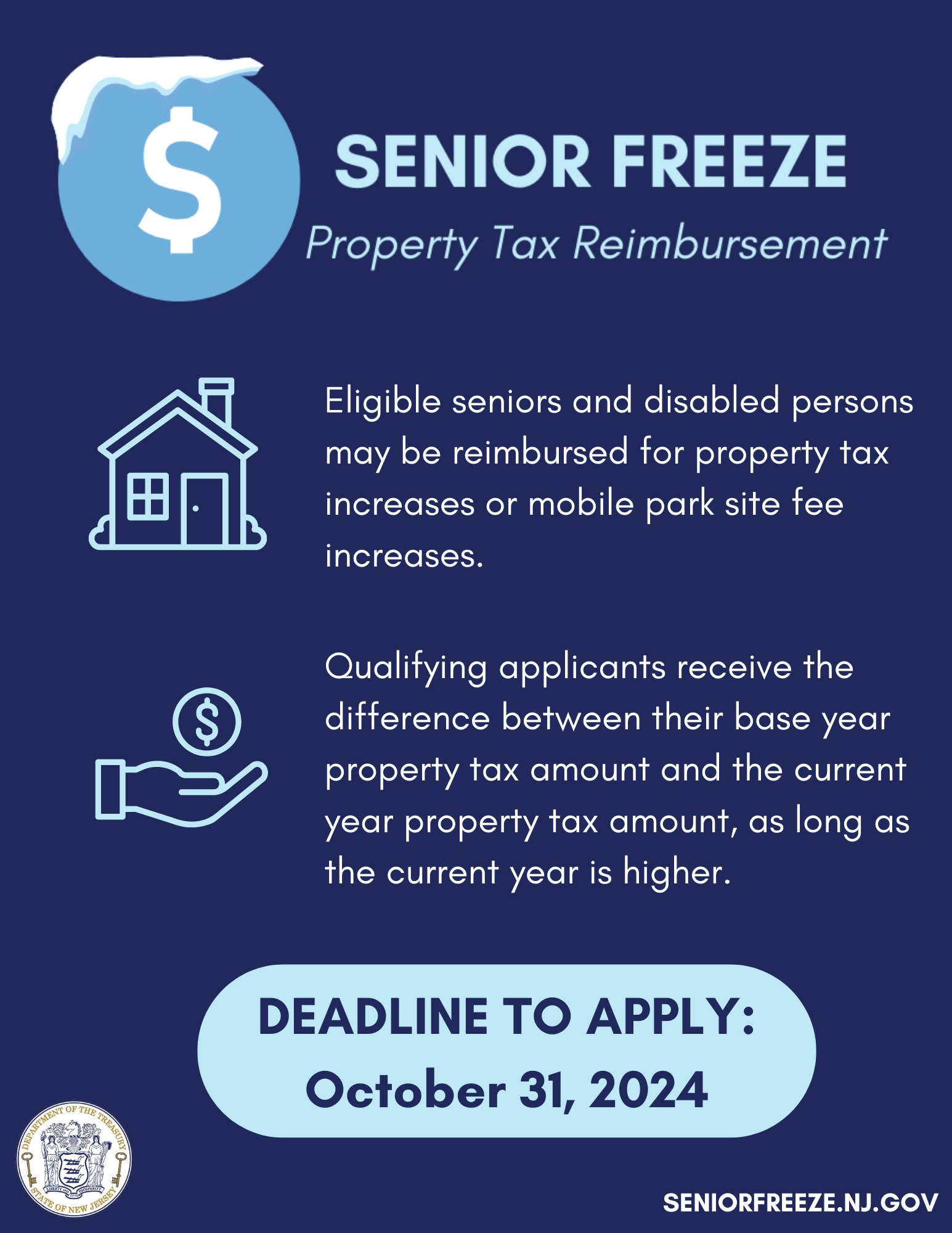
The Senior Freeze is a property tax reimbursement program run by the New Jersey Division of Taxation. If you qualify, New Jersey may send you a reimbursement for part or all of the increase in your property taxes.
The program is designed for older homeowners and certain disabled homeowners who have lived in New Jersey and paid property taxes for the required period.
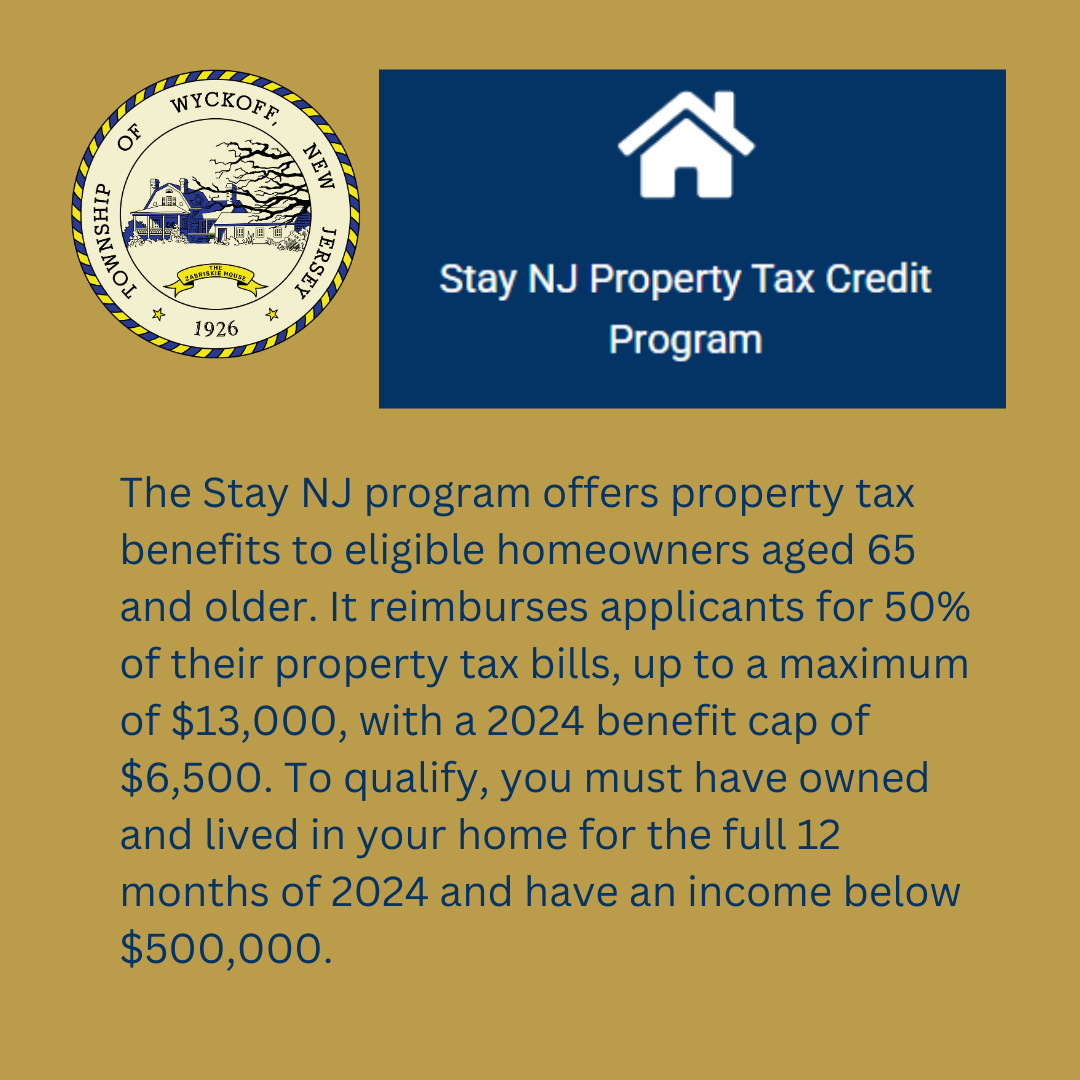
It is important to understand what the program does not do:
• It does not freeze your local property tax bill.
• It does not lower your home’s assessed value.
• It does not stop your town from raising property taxes.
• It does not automatically cover every homeowner who is age 65 or older.
Think of the program as a refund for a tax increase, not a shield that blocks future increases. The state compares your current property taxes with your approved base-year taxes.

Who can qualify for a senior tax freeze in NJ?
Before asking how do i file a senior tax freeze in nj, first check whether you meet the basic rules. Requirements can change by filing year, so always review the current instructions for the specific year you are claiming.
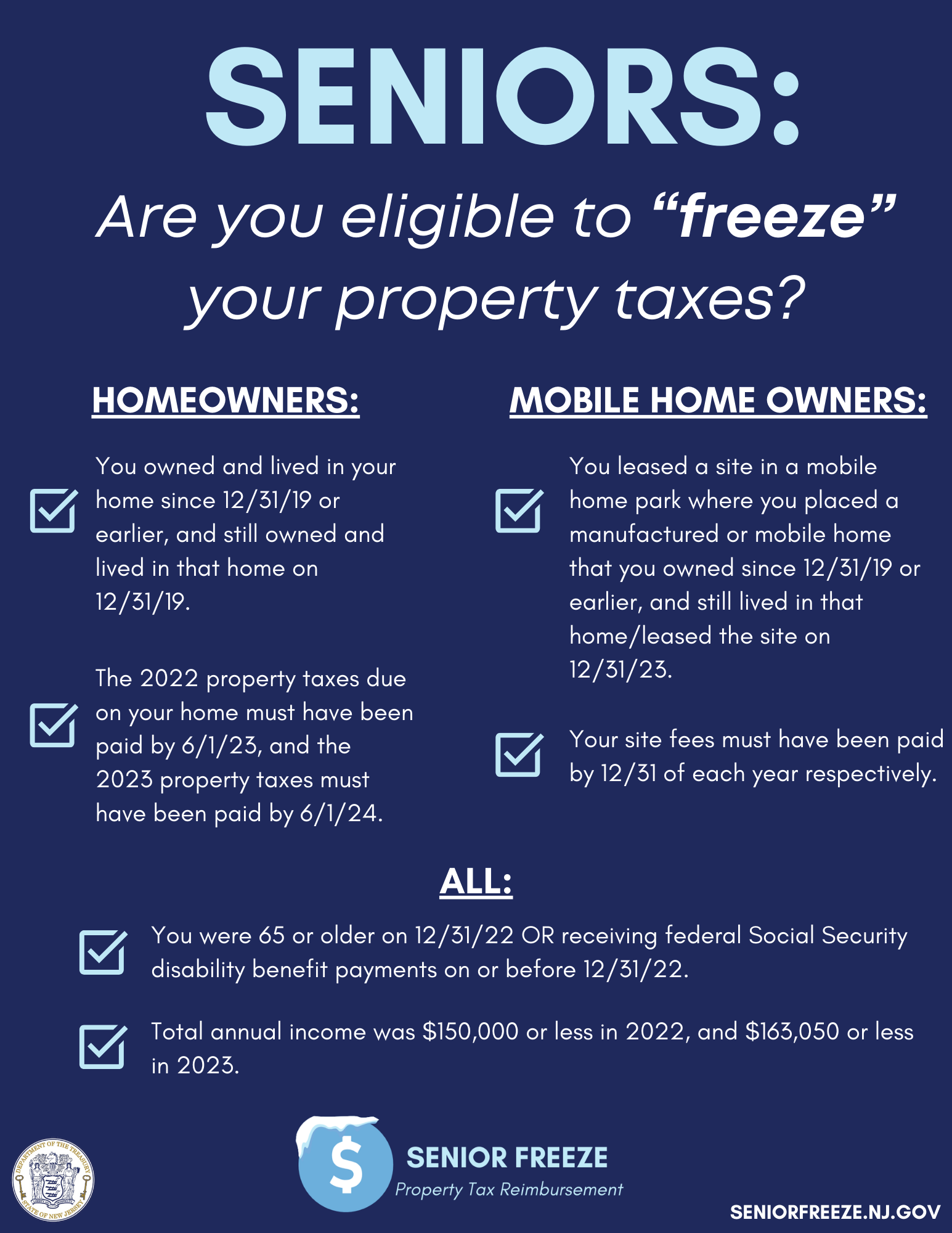
In general, applicants must meet these conditions:
Age or disability requirement
You usually must be at least 65 years old by the required date for the filing year. Some New Jersey residents under age 65 may qualify if they receive Social Security disability benefits or meet another approved disability standard.
The exact age date matters. Being 65 sometime during the year may not be enough if you did not meet the age rule by the program’s stated date.
New Jersey residency
You generally must have been a New Jersey resident for the full year covered by the application. A short move out of state can affect eligibility.
If you owned homes in more than one state, keep careful records. The program normally focuses on your New Jersey principal residence and your New Jersey residency status.
Home ownership and occupancy
You must usually own and occupy the home as your principal residence. Eligible property types may include:
• A house
• A condominium
• A cooperative unit
• A mobile or manufactured home
• Certain life-tenancy arrangements
Renters may qualify for a separate New Jersey property tax relief program, but they generally do not use the homeowner Senior Freeze application.
Property tax payments
You must have paid the property taxes, or your share of property taxes, for the year. Save tax bills, canceled checks, bank records, mortgage escrow statements, and payment receipts.
If your mortgage company pays taxes from an escrow account, your mortgage statement may help prove payment. However, the state may still ask for more information.
Income limit
The program has an annual income limit. The limit can change, and some income types count even when they are not taxable for federal income tax purposes.
Income may include:
• Wages and salaries
• Pensions
• Social Security benefits
• Interest and dividends
• Business income
• Rental income
• Capital gains
• Tax-exempt interest
Check the current state instructions instead of relying on an old income limit from a neighbor, tax preparer, or online post.

How do I file a senior tax freeze in NJ?
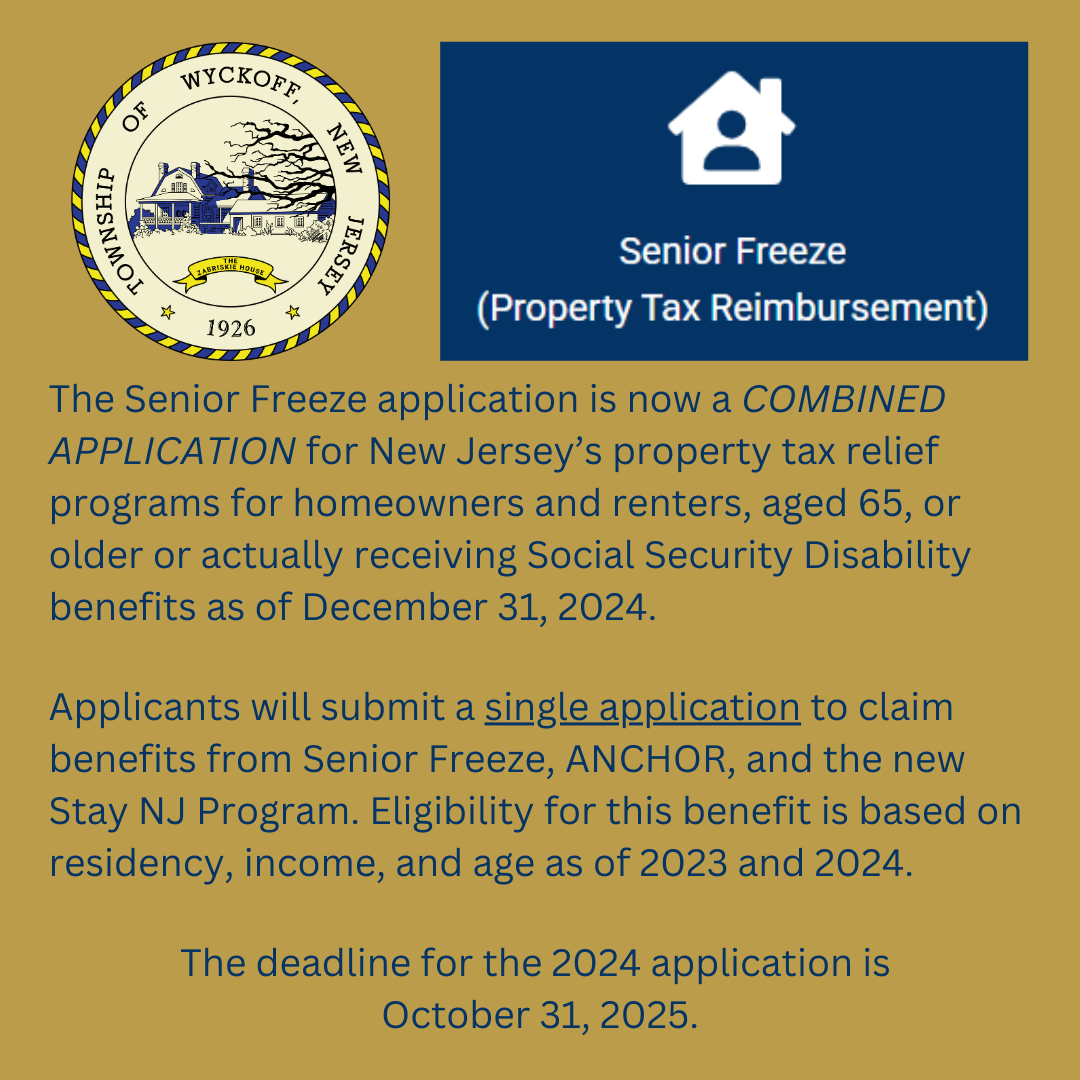
The filing process is fairly simple when your records are ready. The application form is commonly known as PTR-1 for first-time applicants and PTR-2 for people who received the reimbursement in a prior year.
Here is how do i file a senior tax freeze in nj step by step:
1. Confirm the filing year
Start by identifying the tax year you are claiming. The program has a base year, a current tax year, and a filing deadline.
Do not assume that the deadline stays the same every year. New Jersey may extend a deadline or change filing instructions. Check the current Senior Freeze information from the New Jersey Division of Taxation.
2. Choose the correct application
First-time applicants generally use Form PTR-1. Prior recipients may receive or use Form PTR-2.
If the state mails you an application, read the form carefully. A mailed form may contain information from your previous application, but you are still responsible for checking it and correcting errors.
If you do not receive a form, that does not always mean you cannot apply. Visit the state’s official tax website or contact the Senior Freeze program to learn whether you should file online or request a paper form.
3. Gather your personal information
You will likely need:
• Your Social Security number
• Your spouse’s or civil union partner’s Social Security number, if applicable
• Your date of birth
• Your New Jersey address
• Your contact information
• Your filing status
• Your bank information if direct deposit is offered
Use the same legal name and address shown on your tax and property records. A small spelling difference can create a delay.
4. Collect income records
Review every source of household income for the program year. Common records include:
• Federal and state tax returns
• W-2 forms
• 1099 forms
• Pension statements
• Social Security benefit statements
• Bank and investment statements
• Rental income records
• Business records
Keep copies of everything you submit. Even if the state does not ask for proof at first, it may request documents later.
5. Find your property tax information
You need the amount of property taxes due and paid for the required year. Your town’s tax collector, mortgage company, or municipal tax portal may provide this information.
If you own a condominium or cooperative, the tax details can be more complex. Ask the association or management company for a clear statement of your share of property taxes if needed.
6. Complete the form carefully
Answer every question. If a question does not apply, follow the form’s instructions for entering “zero” or “not applicable.”
Do not guess at income. Do not leave out Social Security, pension income, or tax-exempt interest simply because it was not taxed on your federal return.
7. File online or by mail
New Jersey may offer electronic filing for eligible applicants. Online filing can reduce mailing errors and may let you confirm that the state received your application.
If you file by mail:
• Use the correct mailing address shown in the current instructions.
• Do not send original documents unless the form requests them.
• Make a full copy of the completed application.
• Consider using certified mail or another service with tracking.
8. Watch for state correspondence
The state may send a letter asking for more proof. Respond by the stated deadline.
A missing document does not always mean you are denied. Many applications simply need clarification about property ownership, payment records, income, or residency.
What documents do you need?
Knowing how do i file a senior tax freeze in nj is much easier when you prepare your documents before opening the application.
A useful checklist includes:
• Proof of age or disability
• Proof of New Jersey residency
• Property tax bills
• Proof that property taxes were paid
• Mortgage escrow statements, if applicable
• Closing documents if you bought or sold the property
• Income statements for every household member
• Pension and Social Security records
• Proof of ownership
• Prior Senior Freeze approval information
If you changed your name, moved, refinanced your home, added an owner, or transferred property to a trust, keep supporting documents nearby.
The state may compare your application with information from your municipality, federal tax records, or previous applications. Accurate records help explain anything that does not match.
How the base year affects your reimbursement
The Senior Freeze reimbursement depends on the difference between your base-year property taxes and your current-year property taxes. The base year is generally established when you first qualify under the program rules.
For example, imagine your approved base-year taxes were $6,000. In a later year, your eligible property taxes rose to $7,200. The potential increase would be $1,200, subject to the program’s rules and limits.
This does not mean every applicant receives the full difference. The final amount can be affected by:
• Income eligibility
• Ownership changes
• Property type
• Tax payment status
• Program limits
• Changes in residency
• Special assessments or nonqualifying charges
This is why the Senior Freeze is not the same as a municipal tax freeze. Your town can still raise your taxes. The state reimbursement only addresses the eligible increase under the program formula.
Common mistakes that delay or reduce payment
Many applicants search how do i file a senior tax freeze in nj after receiving a notice or hearing about the program from a friend. The most common problems are preventable.
Using the wrong form
A first-time applicant and a prior recipient may use different forms. Check whether you need PTR-1 or PTR-2.
Missing the deadline
Late applications may be rejected unless the state announces an extension. Never rely on a deadline from a previous year.
Reporting only taxable income
The Senior Freeze income calculation may include income that was not taxed on your federal return. Read the state instructions for the program year.
Forgetting a spouse’s income
If you are married or in a civil union, the application may require information about both people, even if the property is held in one person’s name.
Assuming escrow proves everything
An escrow statement can help, but it may not show every detail the state needs. Keep municipal tax receipts when possible.
Failing to report a move
Selling your home, moving to another property, or spending much of the year outside New Jersey can affect residency and occupancy requirements.
Sending unclear copies
Blurry documents, missing pages, and mismatched names can lead to follow-up letters. Send readable copies and label documents when the instructions allow it.
In practical tax-help work, one lesson comes up again and again: organization matters more than speed. A neat folder with tax bills, income records, and prior approval letters can save weeks of back-and-forth.
What if you own a condo, mobile home, or life estate?
The answer to how do i file a senior tax freeze in nj can change slightly based on your property type.
Condominium owners usually pay property taxes through the municipality, but the home’s tax record may use a unit number or association information. Make sure the application matches the municipal record.
Cooperative residents may need information from the cooperative corporation because property taxes can be assessed at the building level. Ask the management office for the correct tax figures.
Mobile and manufactured home owners should keep both proof of ownership and proof of site or park charges. Not every charge is treated like a property tax.
A life tenant may qualify in some situations if the person has the legal right and responsibility to occupy and maintain the property. Trusts, shared ownership, and life estates can be difficult to interpret, so contact the state program before filing if your ownership is unusual.
What happens after you file?
After you submit your application, the New Jersey Division of Taxation reviews the information. The review may include your age, income, residency, ownership, and property tax payments.
Possible outcomes include:
• Approval and payment
• A request for more information
• A notice that your application is incomplete
• A denial with an explanation
• A revised reimbursement amount
Do not throw away your records after receiving payment. Keep the application, confirmation, letters, and supporting documents for several years.
If you disagree with a decision, read the notice carefully. It should explain whether you can correct information, submit documents, or appeal. Follow the instructions and deadline shown on that notice.

Ways to get help with your application
You may be able to complete the application yourself. Still, assistance can be useful if you have a trust, multiple owners, rental income, a recent home sale, or a complicated disability claim.
Helpful sources include:
• The New Jersey Division of Taxation
• Your municipal tax collector
• A certified public accountant
• An enrolled agent
• A qualified tax attorney
• A trusted senior assistance organization
Use official state instructions for the final rules. Tax software, social media posts, and old printed forms may contain outdated information.
Be careful with anyone who promises a guaranteed reimbursement or asks for a large fee before reviewing your eligibility. The Senior Freeze is a state program with specific rules, not a benefit that can be guaranteed by a private service.
Frequently Asked Questions
How do i file a senior tax freeze in nj for the first time?
First-time applicants generally complete Form PTR-1 and submit it online or by mail, depending on the current state instructions. Gather proof of age, income, New Jersey residency, home ownership, and property tax payment before filing.
Is the New Jersey Senior Freeze a real freeze on property taxes?
No. The program does not stop your municipality from raising your tax bill. It may reimburse an eligible increase between your base-year property taxes and the taxes for the filing year.
Can a renter apply for the Senior Freeze?
The Senior Freeze is generally intended for eligible homeowners and certain other property owners. New Jersey renters may need to review a separate property tax relief program.
Does Social Security count as income?
Social Security may count in the program’s income calculation, even when part or all of it is not taxable on a federal return. Use the income rules for the exact filing year.
What if my mortgage company paid my property taxes?
You can often use mortgage escrow records as proof of payment. Keep those records, but be prepared to provide a municipal tax statement or other proof if the state requests it.
Can a disabled person under 65 qualify?
Some New Jersey residents under 65 may qualify if they receive qualifying Social Security disability benefits or meet another state requirement. Review the current application instructions because the disability rules are specific.
What if I missed the filing deadline?
Check whether New Jersey announced an extension for that filing year. If no extension applies, contact the Senior Freeze program promptly and ask whether late filing or another remedy is available.
Conclusion
The best way to approach how do i file a senior tax freeze in nj is to treat it like a small tax project: confirm the year, check the eligibility rules, gather records, use the correct PTR form, and file before the deadline. Remember that the program may reimburse an eligible tax increase; it does not freeze your local property tax bill.
Start by checking the current New Jersey Division of Taxation instructions and organizing your income and property records. If your ownership or income situation is complex, ask a qualified tax professional for help, and share your questions or experience with the program in the comments.

Michael Reynolds is a senior contributor at RetirementGazette.com, where he focuses on helping readers navigate the journey toward a secure and fulfilling retirement. With over a decade of experience in personal finance, retirement planning, and lifestyle writing, Michael combines practical strategies with easy-to-understand guidance tailored for both pre-retirees and those already enjoying their golden years.