Older adults often need help because aging can affect strength, balance, memory, health, and daily independence.
Understanding why do old people need help is not about labeling older adults as weak or helpless. It is about seeing how normal aging, long-term health problems, changing senses, and social needs can make daily tasks harder. With the right support, many older adults stay active, safe, and involved in decisions about their own lives.
Why Do Old People Need Help With Daily Life?
Many people ask, “Why do old people need help?” The answer is often a mix of physical, mental, medical, and social changes. Aging is not a disease, but the body may recover more slowly and have less strength than it did years ago.
Some older adults need help only with heavy tasks. Others may need daily care with bathing, dressing, eating, or taking medicine. The level of help can change over time.
Common daily challenges include:
• Walking up stairs or getting out of a chair
• Cooking meals and carrying groceries
• Cleaning the home and doing laundry
• Taking medicine at the right time
• Driving safely or using public transportation
• Managing bills, forms, and appointments
• Bathing, dressing, or using the bathroom
A person may still be wise, capable, and independent while needing help with one or two tasks. Needing support does not erase a lifetime of skills or personal value.
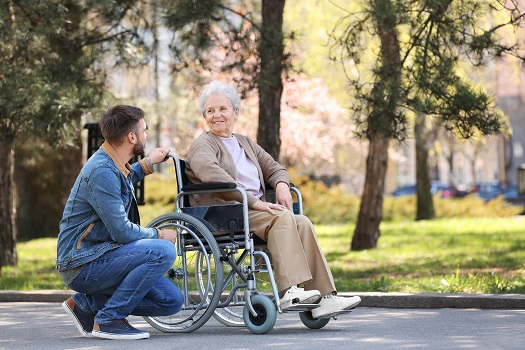
Physical Changes That Can Make Help Necessary
One major reason why do old people need help is the gradual change in physical ability. Muscle strength, bone strength, balance, and flexibility may decline with age. These changes can make simple tasks feel tiring or risky.
Older adults may also have slower reflexes. A quick step to avoid a spill may not happen as easily as it once did. This can raise the risk of falls, which are a major cause of injury among older adults.
Physical changes may include:
• Lower muscle strength
• Stiffer joints
• Reduced balance
• Less stamina
• Slower movement
• Weaker bones
• Trouble lifting or reaching
These changes do not happen at the same speed for everyone. Regular activity, good nutrition, sleep, and medical care can help protect strength and balance.
For example, a person who once carried heavy laundry may now need a smaller basket or help from a family member. That small change can prevent strain and support independence.

Health Conditions and Long-Term Illness
Another answer to why do old people need help is the higher chance of living with one or more chronic health conditions. Common examples include arthritis, diabetes, heart disease, stroke, chronic lung disease, and vision problems.
A health condition may affect more than the body. It can also change mood, energy, memory, and the ability to manage daily routines. Someone with arthritis may understand how to cook but struggle to open jars or stand for long periods.
Older adults may need help with:
• Checking blood sugar
• Following a treatment plan
• Scheduling medical visits
• Preparing healthy meals
• Moving safely after surgery
• Watching for warning signs
• Managing several medicines
Taking many medicines can be difficult. Names, doses, and times may become confusing, especially when prescriptions change. A pill organizer, written list, or pharmacist review can reduce mistakes.
Caregivers should never change a medicine dose without speaking with a qualified health professional. Small errors can lead to serious harm.

Memory, Thinking, and Decision-Making Changes
Memory changes can explain why do old people need help, but normal forgetfulness is not the same as dementia. Many older adults occasionally forget a name or misplace keys. Dementia causes more serious changes that interfere with daily life.
Warning signs may include:
• Repeating the same questions often
• Getting lost in familiar places
• Forgetting how to use common objects
• Missing bills or appointments
• Struggling to follow a recipe
• Showing major changes in judgment or mood
A sudden change in confusion is not a normal part of aging. It may result from an infection, medicine reaction, dehydration, stroke, or another urgent problem. Sudden confusion needs prompt medical attention.
Support should protect dignity. Instead of saying, “You cannot do that,” try saying, “Let us do this together.” This approach offers safety without making the person feel ignored or controlled.

Vision, Hearing, and Communication Problems
Vision and hearing changes are another reason why do old people need help. Poor eyesight can make it hard to read medicine labels, see steps, or notice hazards. Hearing loss can make conversations and medical instructions difficult to follow.
These problems may look like memory loss when the real issue is communication. A person who cannot hear a question may give a wrong answer or seem confused.
Helpful steps include:
• Improving the lighting at home
• Removing loose rugs and clutter
• Using large-print labels
• Checking hearing aids and glasses
• Speaking clearly and facing the person
• Turning down background noise
• Asking the person to repeat key instructions
Never assume an older adult is ignoring you. They may not have heard you. Patience and simple communication can prevent fear, mistakes, and conflict.

Why Safety Concerns Matter
Safety is a key part of why do old people need help. Falls, burns, medication errors, scams, and driving problems can have serious effects. A small home change may prevent a major injury.
A safer home may include:
• Grab bars in the bathroom
• Non-slip mats
• Bright lights near stairs
• Clear paths between rooms
• Handrails on both sides of stairs
• Frequently used items within easy reach
• Smoke and carbon monoxide alarms
Family members should avoid making the home feel like a hospital. Safety improvements can look simple and warm. Good lighting, sturdy furniture, and clear walkways help everyone, not only older adults.
Driving also deserves a respectful conversation. Age alone does not determine driving ability. Vision, reaction time, judgment, and health matter more. If driving becomes unsafe, families can explore rides from friends, senior transportation programs, taxis, or public services.

Emotional and Social Reasons Older Adults Need Support
When people ask why do old people need help, they may focus only on physical tasks. Emotional and social needs matter just as much. Retirement, the death of a partner, poor health, or moving away from friends can lead to loneliness.
Loneliness may affect sleep, mood, appetite, and motivation. Social isolation is also linked with poorer health outcomes. A short visit, phone call, shared meal, or trip to a community center can make a real difference.
Older adults may need help with:
• Staying connected with family
• Finding local activities
• Getting to places of worship or clubs
• Coping with grief
• Managing anxiety or depression
• Building a new daily routine
Support should include conversation, not only chores. Ask about memories, opinions, goals, and interests. Older adults want to be heard, not treated like a list of tasks.

How Family Members Can Help Without Taking Over
The best answer to why do old people need help is not always “do everything for them.” Too much help can reduce confidence and independence. The goal is to offer the least support needed for safe success.
Try this approach:
-
Ask what kind of help is wanted.
-
Watch what the person can do safely.
-
Help with the difficult part, not the whole task.
-
Give enough time for the person to respond.
-
Offer choices whenever possible.
-
Review the plan as needs change.
For example, an older adult may be able to prepare breakfast but struggle to shop for food. A family member could provide transportation or help carry bags instead of taking over meal preparation.
Respect also means asking permission before touching personal items, entering a room, or sharing health information. Older adults should remain part of decisions about their care whenever they can make informed choices.

Practical Ways to Support an Older Adult
Knowing why do old people need help is useful, but practical action matters more. Support can range from a weekly check-in to full-time professional care.
Helpful options include:
• Meal delivery or shared meal planning
• House cleaning support
• Transportation services
• Home health visits
• Physical or occupational therapy
• Adult day programs
• Medication reminders
• Personal emergency response systems
• Respite care for family caregivers
• Assisted living or skilled nursing care when needed
A care plan should match the person’s health, budget, home, culture, and wishes. One solution will not fit every family.
Before hiring a caregiver, ask about training, background checks, duties, fees, emergency plans, and supervision. Families should also learn whether insurance, Medicaid, veterans’ benefits, or local programs may help with costs. Coverage rules vary, so confirm details with the relevant agency or plan.
How to Talk About Help With Respect
Conversations about care can become emotional. An older adult may fear losing control, moving from home, or becoming a burden. Family members may feel worried, tired, or guilty.
Use calm and direct language:
• “What part of the day feels hardest?”
• “What would make home safer?”
• “Would you like help with shopping?”
• “What matters most to you right now?”
• “How can we support your independence?”
Avoid childish speech, threats, and surprise decisions. Do not discuss a person as if they are not in the room. Speak to them directly and include them in the plan.
A useful lesson from caregiving is that timing matters. Families often wait for a crisis before talking about help. A gentle conversation during a calm week is much easier than one held after a fall or hospital visit.
Common Mistakes to Avoid
Understanding why do old people need help also means knowing what not to do. Even caring families can make choices that cause stress or reduce trust.
Avoid these mistakes:
• Assuming every older adult has the same needs
• Treating age as proof of weakness
• Taking away choices without a clear safety reason
• Ignoring changes in mood or memory
• Giving medical advice without professional guidance
• Failing to write down medicine instructions
• Waiting until an emergency to make a care plan
• Forgetting the caregiver’s own health
Caregivers need rest, support, and honest limits. Exhaustion can lead to anger, poor decisions, and health problems. Asking for help is not failure. It is part of responsible care.
If an older adult shows signs of abuse, neglect, severe confusion, chest pain, trouble breathing, or stroke symptoms, seek urgent help. Local adult protective services or emergency services may also be appropriate when safety is at risk.
What Research Says About Aging and Independence
Research on aging shows that older adults are very different from one another. Some people remain active and independent well into their 80s and 90s. Others need support earlier because of illness, disability, injury, or limited social resources.
Public health guidance supports regular movement, strength training, fall prevention, preventive care, social connection, and medication review. These steps may lower risk and improve quality of life, but they cannot prevent every health problem.
It is also important to recognize limits. Good habits do not guarantee perfect health, and family care cannot replace medical treatment. A doctor, nurse, pharmacist, physical therapist, social worker, or other qualified professional can help create a safer plan.
The most accurate answer to why do old people need help depends on the individual. Ask about the person’s abilities, risks, preferences, and goals rather than relying on age-based assumptions.
Frequently Asked Questions
Why do old people need help with basic tasks?
Older adults may have less strength, balance, vision, energy, or mobility. Health conditions and recovery from illness can also make tasks such as bathing, cooking, and dressing harder.
Does needing help mean an older person is no longer independent?
No. Independence means having control and making choices, not doing every task alone. The right support can help an older adult remain independent for longer.
Is forgetfulness a normal part of aging?
Mild, occasional forgetfulness can occur with age. Frequent confusion, getting lost, major personality changes, or trouble managing daily life should be discussed with a health professional.
How can I help an older parent without hurting their feelings?
Ask what support they want and offer choices. Help with a specific task while allowing them to do the parts they can manage safely.
When should an older adult consider professional caregiving?
Professional care may help when daily needs exceed what family can safely provide. Frequent falls, missed medicines, unsafe cooking, severe memory problems, or caregiver exhaustion are important warning signs.
What is the best way to prevent falls at home?
Improve lighting, remove clutter and loose rugs, add grab bars, use sturdy handrails, and review medicines with a health professional. Strength and balance exercises may also help when approved by a clinician.
Conclusion
The answer to why do old people need help is personal, but common reasons include changes in strength, balance, health, memory, vision, hearing, and social connection. Support should protect safety while also respecting dignity, choice, and the desire to stay independent.
Start with one small step. Ask what feels difficult, make one practical change, and include the older adult in every decision. If this guide helped, share it with a family member, explore trusted local aging resources, or leave a comment about what support has worked for you.

Michael Reynolds is a senior contributor at RetirementGazette.com, where he focuses on helping readers navigate the journey toward a secure and fulfilling retirement. With over a decade of experience in personal finance, retirement planning, and lifestyle writing, Michael combines practical strategies with easy-to-understand guidance tailored for both pre-retirees and those already enjoying their golden years.