To become a senior caregiver, gain training, pass checks, build skills, and meet your state’s care rules.
Learning how to become a senior caregiver can lead to meaningful work with older adults and their families. The role may include companionship, meal support, personal care, mobility help, medication reminders, and clear updates to family members. This guide explains the training, skills, certifications, job steps, costs, pay, and safety rules you should understand before starting.
What Does a Senior Caregiver Do?
A senior caregiver helps an older adult stay safe, comfortable, and as independent as possible. Care may take place in a private home, assisted living community, memory care center, or nursing facility.
The exact duties depend on the client’s health and the caregiver’s training. A caregiver may help with daily tasks but usually does not diagnose illness or provide medical treatment unless licensed to do so.
Common senior caregiver duties include:
- Helping with bathing, dressing, grooming, and toileting
- Preparing simple meals and encouraging healthy eating
- Offering companionship and conversation
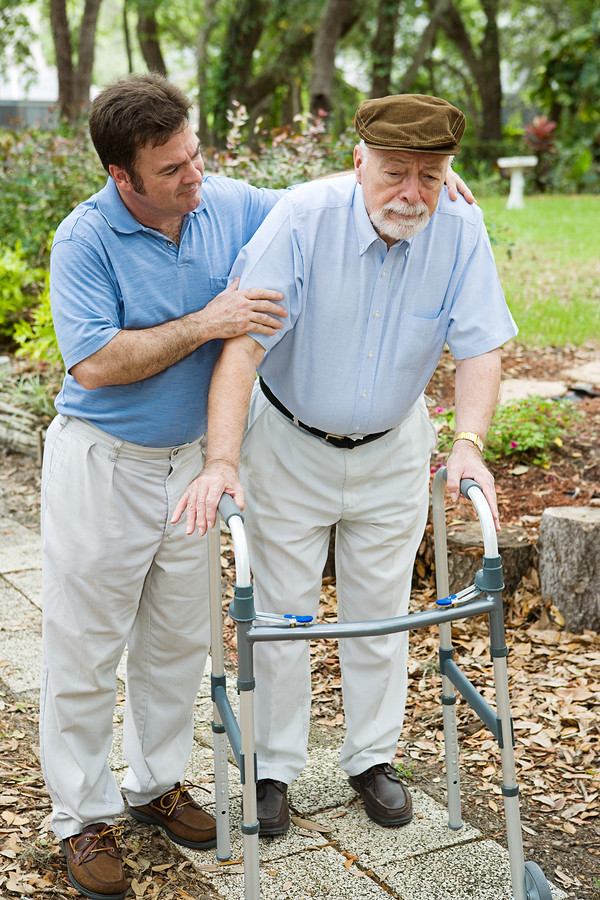
- Supporting safe walking and transfers
- Driving or arranging transportation to appointments
- Reminding clients to take prescribed medicine
- Light housekeeping and laundry
- Recording changes in mood, appetite, sleep, or movement
- Reporting concerns to a family member, supervisor, nurse, or doctor
A senior caregiver is often the person who notices small changes first. A client may seem more tired, confused, unsteady, or withdrawn. Reporting these changes early can help prevent a fall, missed treatment, or hospital visit.
The role is both practical and emotional. Older adults may be coping with pain, memory loss, loneliness, or the loss of independence. A calm caregiver can make a difficult day feel manageable.
How to Become a Senior Caregiver: Step-by-Step
The path to become a senior caregiver is open to many people. You do not always need a college degree, but you do need reliability, patience, basic training, and a clear understanding of your legal limits.
1. Learn about the work
Before applying, learn what senior caregiving involves. Speak with caregivers, visit local agencies, and read job descriptions carefully.
Ask yourself:
- Am I comfortable helping with personal care?
- Can I stay calm during confusion or difficult behavior?
- Can I lift, transfer, or support a client safely?
- Am I willing to work evenings, weekends, or holidays?
- Can I respect privacy, culture, faith, and personal choice?
This self-check matters. Caregiving can be rewarding, but it can also be tiring. Honest preparation helps you choose the right setting.
2. Meet basic job requirements
Many entry-level caregiver jobs require:
- A high school diploma or GED, although some employers may not
- A valid driver’s license for transportation duties
- Reliable transportation
- A background check
- Proof of legal authorization to work
- Physical ability to perform essential job tasks
- Strong spoken and written communication
Requirements vary by employer and state. Some agencies also require a physical exam, drug screening, CPR training, or proof of immunization.
3. Complete caregiver training
Training is one of the most important steps in learning how to become a senior caregiver. A basic course may cover:
- Infection prevention
* Hand washing and personal protective equipment - Fall prevention
- Safe transfers and body mechanics
- Dementia and Alzheimer’s care
- Emergency response
- Nutrition and hydration
- Client rights and privacy
- Abuse, neglect, and exploitation
- Documentation and communication
Look for training from a community college, home care agency, workforce program, Red Cross course, or recognized healthcare education provider. Confirm that the course meets your state’s rules before paying.
4. Consider CNA or HHA certification
A certified nursing assistant, or CNA, often has more formal clinical training. CNAs may work under nurse supervision and provide hands-on care in facilities or home settings.
A home health aide, or HHA, may receive training in personal care and basic home support. Some states require home health aides to complete approved education and competency testing.
Certification can improve your job options, but it is not always required for private companion care. The correct choice depends on the type of work you want and the rules where you live.
5. Complete CPR and first aid training
CPR and first aid skills can help you respond during an emergency. Choose a current course from a recognized provider and renew it as required.
Training does not make you a nurse. It teaches basic emergency action while you call 911 and wait for professional help.
6. Pass screening and background checks
Home care agencies often check criminal history, driving records, references, and employment history. Some states also use abuse registries or fingerprint checks.
Be honest on applications. A past issue may not automatically prevent employment, but hiding information can damage trust and end an opportunity.
7. Build experience
You can gain useful experience through:
- Volunteer work with older adults
- Family caregiving
- Companion care
- Senior center programs
- Hospital volunteer work
- Assisted living jobs
- Entry-level home care positions
Family caregiving can teach patience and routine, but it may not replace formal training. Employers want evidence that you understand professional boundaries and safe care.
8. Apply to suitable jobs
Search for roles such as:
- Senior caregiver
- Personal care aide
- Home care aide
- Home health aide
- Companion caregiver
- Certified nursing assistant
- Respite caregiver
- Direct support professional
Read each job description closely. Ask whether the role includes lifting, bathing, medication assistance, dementia care, driving, or overnight shifts.
9. Prepare for the interview
Use real examples. You might explain how you helped an older relative organize a daily routine or how you stayed calm during a stressful event.
Employers often look for punctuality, kindness, good judgment, and clear communication. They may care as much about your attitude as your previous job title.
10. Continue learning
Care needs can change over time. A client with mild memory loss may later need help with wandering, swallowing, or transfers.
Ongoing education helps you provide safer care. Take refresher courses in dementia care, fall prevention, hospice support, mental health, and safe mobility.

Education and Certifications for Senior Caregivers
There is no single national license called “senior caregiver.” The required credential depends on your employer, duties, funding source, and state.
In general, you may see these options:
Companion caregiver training
Companion caregivers usually provide social support, errands, meal preparation, and light housekeeping. This role may not include bathing, toileting, or transfers.
Even when certification is not required, short training can improve your confidence and employability.
Home health aide training
Home health aides often provide personal care in a client’s home. State-approved training may include basic health observation, personal hygiene, nutrition, safety, and client rights.
Some HHA roles connected to Medicare-certified home health agencies have federal training standards. State rules may add more requirements.
Certified nursing assistant training
CNA programs usually include classroom instruction, practical training, and a state competency exam. CNAs may work in nursing homes, hospitals, assisted living communities, and home care.
A CNA certificate can be a strong choice if you want a healthcare career path. It may also help you later pursue practical nursing or registered nursing education.
Specialized senior care courses
Specialized education can help you work with clients who have:
- Alzheimer’s disease
- Other forms of dementia
- Parkinson’s disease
- Stroke-related disabilities
- Diabetes
- Limited mobility
- End-of-life needs
Training should not replace a care plan from a qualified healthcare professional. It should help you follow that plan safely.

Skills You Need to Become a Senior Caregiver
Technical skills matter, but character shapes the quality of care. Older adults need help from someone who is both capable and respectful.
Communication
Use short, clear sentences. Give the client time to answer. Do not rush or speak to an older adult as if they were a child.
For a client with hearing loss, face the person and reduce background noise. For a client with dementia, avoid arguing about facts that may feel real to them.
Patience
A task that takes five minutes alone may take 20 minutes with assistance. Patience protects dignity and reduces stress.
One useful approach is to offer two simple choices. Ask, “Would you like the blue shirt or the green shirt?” instead of asking a broad question that may feel overwhelming.
Observation
Caregivers should notice changes in:
- Skin color or condition
- Breathing
- Appetite and fluid intake
- Balance and walking
- Alertness
- Mood
- Sleep
- Pain
- Bathroom habits
You are not expected to diagnose the cause. Your job is to observe, document, and report.
Safe body mechanics
Never lift a client in a way that puts both people at risk. Use transfer equipment and follow training.
Ask for help when a client cannot safely stand, pivot, or walk. A caregiver’s back injury can harm both the caregiver and the client.
Organization
Use a written schedule for meals, appointments, exercise, rest, and care tasks. Keep notes factual and private.
Write “client ate half of breakfast and drank one cup of water,” rather than “client did not eat well.” Clear notes help families and healthcare workers understand what happened.
Emotional awareness
Caregiving can bring grief, frustration, fear, and anger. Listen without taking every emotion personally.
Kindness does not mean accepting threats, harassment, or unsafe behavior. You can be compassionate while setting firm boundaries.

How to Provide Safe and Respectful Senior Care
Good senior caregiving supports independence rather than taking over every task. Think of yourself as a handrail, not a replacement for the person’s own ability.
Encourage the client to do what they can safely do. Let them choose clothing, meals, activities, and routines when possible.
Follow these safety practices:
- Keep walkways clear
- Use good lighting, especially at night
- Make sure shoes fit and have non-slip soles
- Keep frequently used items within easy reach
- Use prescribed mobility equipment correctly
- Check water temperature before bathing
- Lock up hazardous supplies when needed
- Follow food safety rules
- Protect private health information
- Report suspected abuse or neglect
Never ignore a serious warning sign. Call 911 for symptoms such as severe trouble breathing, chest pain, sudden weakness, major bleeding, or a new loss of consciousness.
For less urgent concerns, contact the supervisor, family member, nurse, or healthcare professional listed in the care plan.
Understanding medication limits
Many caregivers may remind a client to take medicine. Some may help open containers or bring medication to the client.
Do not change a dose, crush a pill, decide which medicine to stop, or give medical advice unless your role and training legally allow it. Medication errors can cause serious harm.
Protecting client rights
Clients have the right to privacy, respect, informed choices, and freedom from abuse. Do not share stories, photos, or health details on social media.
Avoid borrowing money, accepting large gifts, using a client’s bank card, or becoming involved in private financial decisions. These boundaries protect both people.

Finding Your First Senior Caregiver Job
Many people begin with a home care agency. Agencies may help with training, scheduling, payroll, and supervision.
Private-duty work can offer more control, but it requires careful screening. You may need a written agreement that explains pay, duties, travel, overtime, cancellation rules, and emergency contacts.
Good places to search include:
- State workforce websites
- Community colleges
- Home care agencies
- Assisted living communities
- Nursing homes
- Hospitals and rehabilitation centers
- Senior centers
- Reputable job boards
- Local professional networks
Before accepting a job, ask:
- Who is my employer?
- Is the position an employee role or independent contractor role?
- What tasks am I expected to perform?
- Will I receive paid training?
- Who supervises the care?
- What happens during an emergency?
- Are mileage, meals, or travel time paid?
- What is the cancellation policy?
- Are overnight hours paid correctly?
- Will I receive workers’ compensation coverage?
Be careful with jobs that ask you to pay a large fee upfront, send money back, or buy gift cards. These are common warning signs of scams.
Senior Caregiver Pay, Costs, and Career Growth
Pay varies by location, experience, certification, shift, and care setting. Urban areas may offer higher wages but also have higher living costs.
The U.S. Bureau of Labor Statistics tracks related roles such as home health and personal care aides. Its data can help you compare wages, job growth, and work settings, but actual pay may differ from national figures.
Costs may include:
- Training tuition
- CPR and first aid courses
- Certification exams
- Background checks
- Uniforms or comfortable work clothing
- Transportation
- Liability insurance for private work
- Continuing education
Ask whether an employer pays for required training. Some agencies cover classes if you agree to work for them for a set period.
Career growth can include:
- Lead caregiver
- Care coordinator
- CNA
- Medication aide, where allowed
- Dementia care specialist
- Hospice aide
- Residential care supervisor
- Practical nurse
- Registered nurse
A senior caregiver job can be a starting point, not a final destination. The experience can help you understand whether nursing, social work, physical therapy, or care management fits your goals.
Common Mistakes New Senior Caregivers Should Avoid
The first weeks can feel like learning a new language. You are learning the client’s routine, family expectations, health needs, and communication style at the same time.
Avoid these common mistakes:
- Starting care without reading the care plan
- Promising services that are outside your role
- Failing to report a fall or sudden change
- Using your phone during care
- Arriving late without calling
- Sharing private client information
- Doing too much without asking for help
- Ignoring your own fatigue
- Mixing personal and professional relationships
- Assuming every older adult wants the same type of help
A lesson many experienced caregivers learn is that small details matter. One client may prefer a quiet breakfast, while another may need conversation before getting out of bed. Respecting routine can reduce resistance and build trust.
Another practical lesson is to ask questions early. It is better to say, “Please show me the safe way to use this transfer device,” than to guess.
Managing Stress and Preventing Caregiver Burnout
Caregiving can be emotionally heavy. You may care deeply about a client while still feeling tired, worried, or frustrated.
Burnout may appear as:
- Constant exhaustion
- Irritability
- Trouble sleeping
- Loss of interest
- Frequent headaches
- Feeling helpless
- Making more mistakes
Protect your health with regular breaks, water, healthy meals, sleep, and honest communication with your supervisor. Ask for respite when possible.
Do not treat exhaustion as proof of dedication. A caregiver who never rests may eventually make a dangerous mistake.
If you feel depressed, unsafe, or unable to cope, contact a healthcare professional or a crisis support service. Caregivers deserve support too.
State Rules and Legal Limits
The process to become a senior caregiver differs across the United States. Some states regulate home care agencies, personal care services, nursing assistants, and home health aides in different ways.
Check your state health department, licensing board, labor department, or workforce agency for current requirements. Rules can change, and online summaries may become outdated.
Pay special attention to:
- Required education hours
- Background screening
- CNA or HHA certification
- Scope of permitted duties
- Supervision requirements
- Adult protective services reporting
- Wage and overtime rules
- Transportation and insurance rules
The Fair Labor Standards Act may affect minimum wage and overtime for home care workers, but exemptions and job details can be complex. Review current federal and state guidance or speak with a qualified labor professional.
This article provides general information, not legal or medical advice. When a rule is unclear, ask the employer or the appropriate state agency before providing the service.
Frequently Asked Questions About How to Become a Senior Caregiver
Do you need a degree to become a senior caregiver?
Most entry-level senior caregiver jobs do not require a college degree. Employers may require a high school diploma, training, background check, CPR certification, or state-approved credential.
How long does it take to become a senior caregiver?
You can start companion care after meeting an employer’s basic requirements and completing any required training. Becoming a CNA or certified home health aide may take several weeks or months, depending on your program and state.
Is senior caregiver certification required?
Certification is not required for every caregiver role. It may be required for personal care, home health, facility work, or jobs paid through certain public programs, so check your state rules and the job description.
What is the difference between a caregiver and a CNA?
A caregiver often provides daily living support, companionship, and nonmedical assistance. A CNA completes approved nursing assistant training and may provide additional hands-on care under the direction of a licensed nurse, depending on state law.
Can a senior caregiver give medication?
A caregiver may be allowed to remind a client to take medication or assist in limited ways. Giving, changing, stopping, or measuring medication may require specific training or a different license, so follow the care plan and local rules.
Is senior caregiving a good career?
Senior caregiving can be a good career for people who value service, human connection, and practical work. The job can be physically and emotionally demanding, so consider pay, schedules, training, supervision, and career growth before accepting a position.
How can I get experience if I have never been a caregiver?
Start with approved training, volunteer work, companion care, or an entry-level agency position. Be honest about your experience and choose a job that provides clear supervision and support.
Conclusion
To become a senior caregiver, begin with honest self-assessment, basic training, safety skills, and knowledge of your state’s rules. A CNA or HHA credential can expand your options, while patience, observation, communication, and respect will shape the care you provide each day.
Start by checking local requirements, enrolling in a trusted course, and applying to employers that offer supervision. With steady learning and strong boundaries, you can build a meaningful career while helping older adults live with greater comfort and dignity. Explore local training resources, speak with experienced caregivers, and take your first practical step today.

Michael Reynolds is a senior contributor at RetirementGazette.com, where he focuses on helping readers navigate the journey toward a secure and fulfilling retirement. With over a decade of experience in personal finance, retirement planning, and lifestyle writing, Michael combines practical strategies with easy-to-understand guidance tailored for both pre-retirees and those already enjoying their golden years.