
Senior freeze checks usually go out after your state approves the claim, often from late summer through early winter.
If you are searching for “when are senior freeze checks going out,” you are likely waiting for a property tax relief payment, rebate, or refund linked to a senior property tax freeze program. The exact date depends on your state, approval status, filing method, and whether the payment comes by direct deposit or paper check. This guide explains the usual timeline, how to check your status, and what to do if your payment is late.
What Are Senior Freeze Checks?
Senior freeze checks are payments connected to programs that help older homeowners manage rising property taxes. These programs may freeze part of a property tax increase, refund eligible taxes, or reimburse qualifying seniors for a portion of their housing costs.
The name differs by state. Some programs use terms such as:
• Senior property tax freeze
• Property tax reimbursement
• Senior tax relief
• Property tax and rent rebate
• Homestead exemption
• Circuit breaker tax credit
A “freeze” does not always mean you receive a check. In some states, the benefit lowers your tax bill or limits future increases. In other states, approved applicants receive a refund after filing.
That difference is important when asking, “when are senior freeze checks going out?” You may be waiting for a payment, or you may simply need to confirm that your tax account received the credit.

When Are Senior Freeze Checks Going Out?
There is no single nationwide mailing date for senior freeze checks. Each state, county, or tax agency sets its own schedule.
In many programs, payments follow this general pattern:
• Applications are accepted during a set filing period.
• The agency reviews income, age, residency, and property records.
• Approved claims are processed in batches.
• Direct deposits may arrive before paper checks.
• Paper checks can take several extra days or weeks.
Many senior freeze checks are sent between late summer and early winter. However, some states issue payments earlier, while others send them throughout the year.
The best answer to “when are senior freeze checks going out?” is the date shown by your state tax department or local property tax office. A general online article cannot confirm your personal payment date because agencies use different rules and processing systems.
Why Payment Dates Vary
Several factors can change the timing of senior freeze checks:
• Your application may need manual review.
• Your income documents may be missing or unclear.
• The property address may not match tax records.
• The agency may need to verify ownership.
• A direct deposit may process faster than a mailed check.
• A holiday or weekend may delay delivery.
• The agency may be handling a large number of applications.
Think of the process like a line at a busy clinic. Even if the clinic gives an estimated time, your appointment may take longer if extra paperwork is needed.
How Senior Freeze Programs Work
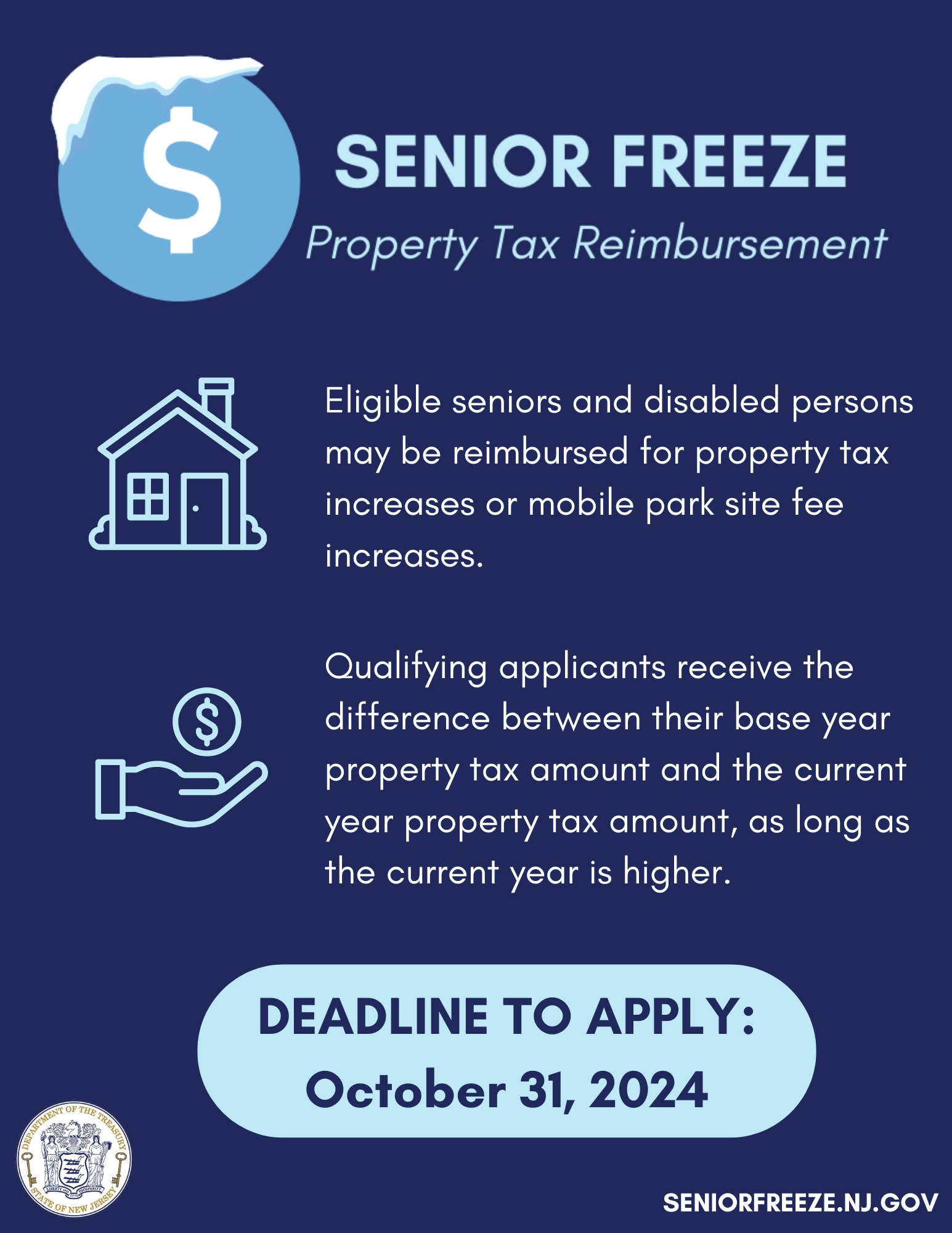
A senior freeze program usually helps eligible homeowners by limiting the effect of property tax increases. The exact benefit may be based on the difference between the current tax bill and a prior-year tax bill.
For example, imagine a homeowner paid $3,000 in property taxes last year. This year, the bill rises to $3,500. A qualifying program might reimburse some or all of the $500 increase, depending on the rules.
Other programs use income-based formulas. A household with a lower income may receive more assistance than a household with a higher income.
Common eligibility factors include:
• Minimum age, often 65 or older
• Disability status in some programs
• State residency
• Homeownership or rental status
• A primary residence requirement
• Income below a set limit
• Property taxes paid during the required year
• A timely application
Some programs also require proof that the applicant owned and occupied the home on a specific date. Rental assistance programs may ask for landlord information or rent receipts.
Because these rules differ, knowing when senior freeze checks are going out requires more than checking a national calendar. You must identify the exact program that accepted your application.

Typical Senior Freeze Check Timeline
Although every agency is different, this sample timeline can help you understand what may happen.
Step 1: Application Period
The agency opens a filing period. You submit the application online, by mail, or through a local tax office.
Some programs allow late applications. Others enforce a strict deadline. Missing the deadline may move your claim to the next payment cycle.
Step 2: Application Review
The agency checks your age, income, ownership, residency, and tax records. It may contact you if a document is missing.
This stage can take a few weeks or several months. A claim marked “received” does not always mean it has been approved.
Step 3: Approval Notice
An approval letter, online account update, or tax statement may confirm your benefit. The notice may show the expected payment amount and delivery method.
Read the notice closely. It may say that the benefit will reduce your tax bill rather than arrive as a check.
Step 4: Payment Release
The agency sends approved senior freeze checks in groups. Direct deposits often appear first. Paper checks are printed and mailed later.
Step 5: Delivery
Allow normal mail time after the agency marks the payment as sent. Keep your approval notice until the money arrives and clears your account.

How to Check the Status of Your Senior Freeze Check
If you want to know when senior freeze checks are going out for your claim, start with the agency that runs the program.
Use these steps:
- Find the program name on your application or approval letter.
- Visit the official state tax or revenue department website.
- Look for “Check Your Refund,” “Claim Status,” or “Property Tax Relief.”
- Enter the requested information, such as your claim number, Social Security number, or ZIP code.
- Review the payment status and delivery method.
- Call the official help line if the online system shows no information.
Keep these details nearby before calling:
• Full legal name
• Current address
• Social Security number or taxpayer ID
• Property address
• Application confirmation number
• Date you submitted the claim
• Copy of the approval notice
Never give sensitive information to a person who contacts you unexpectedly. Use the phone number printed on an official notice or listed on a government website.
A common mistake is calling the wrong office. Your county assessor may handle property values, while a state revenue department may issue the actual rebate. The office that collects taxes is not always the office that sends senior freeze checks.

What It Means When Your Payment Status Changes
Government payment portals may use different status terms. Here is what common messages usually mean.
Received
The agency has your application, but it may not have completed its review. A received claim is not the same as an approved claim.
Under Review
The agency is checking your information. This status may last longer if the agency needs to compare records or request documents.
Approved
Your claim met the program rules. The payment may still need to be scheduled or released.
Scheduled
The agency has assigned a payment date or payment batch. Bank posting and mail delivery can still take additional time.
Issued
The payment was sent or submitted for delivery. Check your bank account or allow time for postal delivery.
Held or Pending Information
The agency needs more information before it can release the payment. Look for a letter, email, or online message explaining the problem.
Denied
The agency found that the claim did not meet one or more requirements. The notice should explain whether you can appeal or correct the issue.
These labels can help answer “when are senior freeze checks going out,” but the most useful status is usually “issued.” If your claim is approved but not issued, the agency may still be completing its payment batch.

Why Your Senior Freeze Check May Be Late
A late payment does not always mean something went wrong. Delays often happen because the agency must verify information by hand.
Common causes include:
• A change of address
• A mismatch between your name and property records
• Missing income proof
• A change in marital status
• A recently transferred property
• A bank account error
• A returned or undelivered check
• A large seasonal backlog
• An application filed near the deadline
If your check was mailed to an old address, contact the agency quickly. The agency may require an address change form or identity verification before issuing a replacement.
If your direct deposit failed, the payment may be returned to the agency. Do not submit a second application unless the agency tells you to do so. Duplicate claims can create more confusion and delay.
In my experience reviewing tax relief information, the biggest avoidable mistake is relying on social media payment dates. Posts often combine several programs or repeat an old schedule. Always compare the claim information with an official agency notice.
What to Do If You Have Not Received Your Check
If the expected date has passed, take action in an organized way.
- Check your online claim status.
- Confirm that your address is current.
- Review your bank account for a deposit under the state or tax agency name.
- Check whether the payment was applied as a property tax credit.
- Search your mail carefully for an official envelope.
- Call the program office using an official number.
- Ask whether the payment was issued, returned, canceled, or held.
- Request a replacement if the agency confirms that the check was lost.
Write down the date, time, and name of anyone you speak with. Ask for a case number if one is available.
If the agency says your claim is incomplete, ask exactly which document is missing. Send copies, not original documents, unless the agency gives specific instructions.
If your claim is denied, read the appeal instructions. Appeals often have short deadlines. A denial notice may also explain how to correct an income mistake or property record error.
Direct Deposit or Paper Check: Which Is Faster?
Direct deposit is often faster because it avoids printing and postal delivery. It may also be safer for people who move often or have unreliable mail service.
Paper checks may take longer because they must be printed, addressed, and delivered. Weather, holidays, and postal delays can add more time.
Before choosing direct deposit, confirm that your bank account information is correct. A wrong routing number can delay the payment and may require the agency to issue a replacement.
If you receive a paper check, deposit it promptly. Some checks have expiration dates or may become difficult to replace after a long period.
The delivery method can affect when senior freeze checks are going out to you, but it does not change your eligibility or approved benefit amount.
How Much Could a Senior Freeze Payment Be?
There is no standard payment amount. The benefit depends on the program formula and your personal information.
The amount may be based on:
• Household income
• Property taxes paid
• Rent paid
• The increase from one tax year to another
• Age or disability status
• County or municipal tax rates
• State funding limits
Some programs provide a fixed benefit. Others calculate a percentage or reimburse a specific tax increase.
Do not assume that a large property tax bill guarantees a large payment. Income limits and maximum benefit caps may apply. Also, a property tax freeze may prevent an increase without producing a separate refund check.
The approval notice is the best source for your estimated amount. If the amount seems wrong, ask the agency for a written explanation of its calculation.
Mistakes to Avoid When Waiting for Senior Freeze Checks
Small errors can cause major delays. Avoid these common problems:
• Applying through an unofficial website
• Paying a fee for a free government application
• Assuming every senior receives the benefit
• Using last year’s income rules
• Forgetting to report a move
• Ignoring agency letters
• Sending original documents without instructions
• Filing duplicate applications
• Sharing bank details with an unverified caller
• Missing an appeal deadline
Scammers often use phrases such as “government relief payment” or “senior bonus check.” They may promise faster payment after you provide a fee or personal details.
Government agencies generally do not ask you to pay a surprise fee to release a legitimate tax benefit. When unsure, end the call and contact the agency directly.
Frequently Asked Questions About When Are Senior Freeze Checks Going Out
When are senior freeze checks going out this year?
Senior freeze checks do not have one national payment date. Most are sent after applications are approved, and timing may range from late summer to early winter or later.
How can I find the exact date for my senior freeze check?
Use the official claim-status tool for your state or call the program office. Your approval notice may also list the payment method and expected release period.
Are senior freeze checks the same in every state?
No. Some states issue refunds, while others provide tax credits, exemptions, or payment limits. Eligibility rules, deadlines, and payment dates vary by program.
What should I do if my senior freeze check is late?
Check your claim status, confirm your address and bank details, then contact the official agency. Ask whether the payment was issued, delayed, returned, or held for missing information.
Can a senior freeze benefit reduce my tax bill instead of sending a check?
Yes. Some programs apply the benefit directly to your property tax account. In that situation, you may not receive a separate paper or electronic payment.
Do direct deposits arrive before paper senior freeze checks?
Often they do, because direct deposits do not require printing and postal delivery. However, the agency’s payment schedule controls the timing.
Can I receive a senior freeze benefit if I rent my home?
Some states offer property tax relief to qualifying renters, while others limit the program to homeowners. Check the rules for your state and keep rent receipts or landlord documents if required.
Conclusion
The answer to “when are senior freeze checks going out” depends on the state program, your claim status, and the delivery method. Many payments arrive after approval in seasonal batches, but some benefits appear as a property tax credit instead of a check.
Start with your official approval notice, verify your claim online, and contact the correct tax relief office if the payment is late. Keep your documents safe, watch for scams, and act quickly if you receive a request for more information. Check your state’s official resources today so you can track your benefit with confidence and avoid unnecessary delays.

Michael Reynolds is a senior contributor at RetirementGazette.com, where he focuses on helping readers navigate the journey toward a secure and fulfilling retirement. With over a decade of experience in personal finance, retirement planning, and lifestyle writing, Michael combines practical strategies with easy-to-understand guidance tailored for both pre-retirees and those already enjoying their golden years.