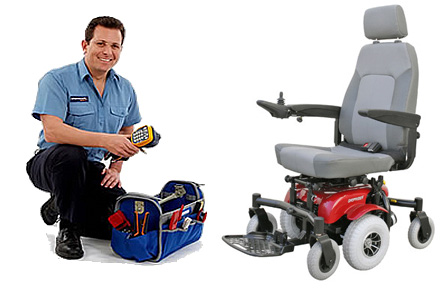
Disconnect power, unplug cables, unfasten straps, and lift the battery pack straight out per your chair's guide.
I’ve spent years writing and testing mobility guides, and I know how important clear steps are when learning how to remove the battery from an electric wheelchair. This article walks you through safe, simple, and reliable methods. You’ll get step-by-step instructions, safety checks, troubleshooting tips, and real-world advice so you can remove the battery with confidence.
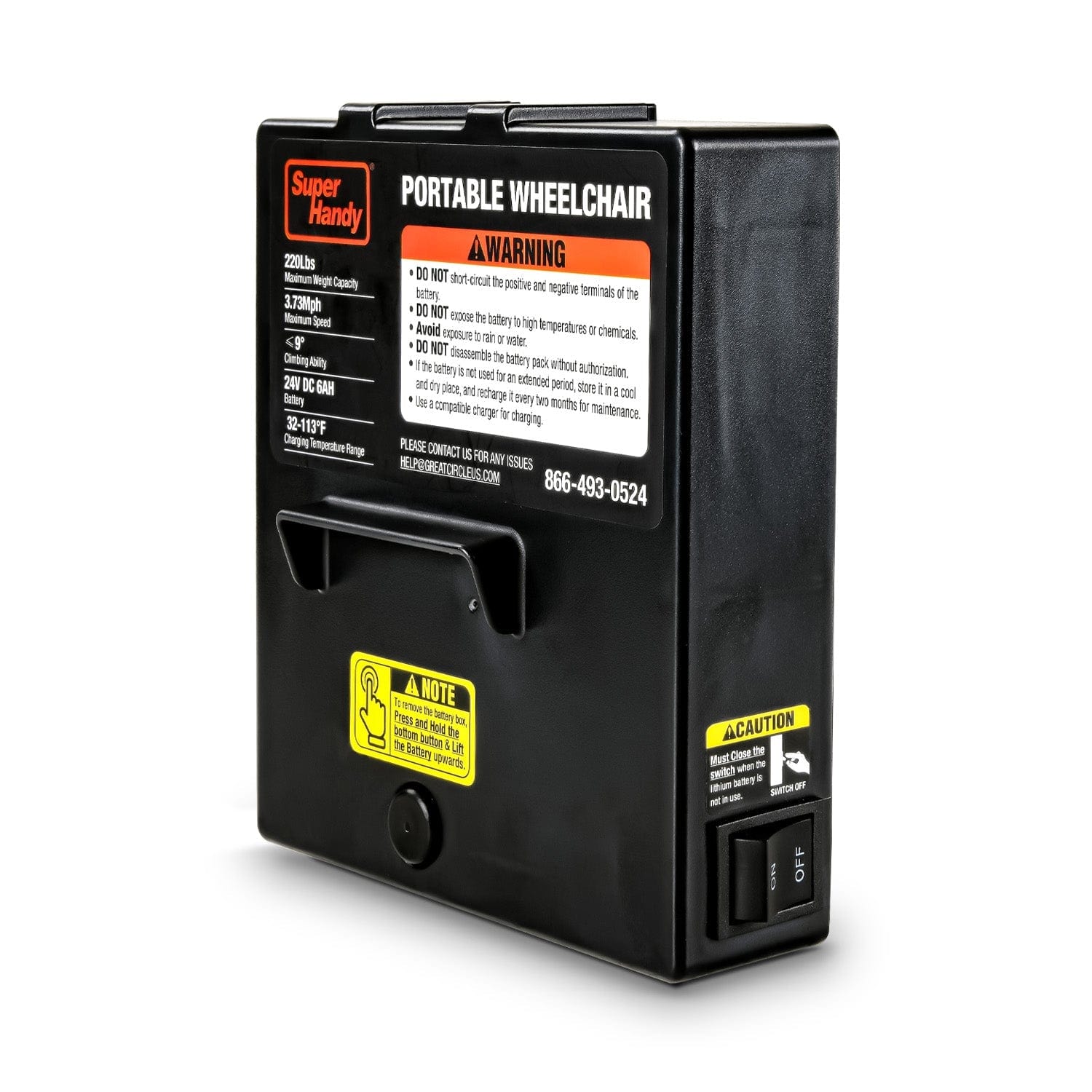
Why you might need to remove the battery
Removing the battery is common for maintenance, shipping, charging, or replacement. You may need to test the battery on a bench charger, replace a worn pack, or store the chair long-term. Knowing how to remove the battery from an electric wheelchair saves time, prevents damage, and keeps you safe.

Safety first: precautions before you start
Always switch the wheelchair off and remove the key if it has one. Wear gloves and safety glasses when handling batteries. Work on a flat, stable surface away from moisture and open flames. If the battery is swollen, leaking, or damaged, stop and contact a technician. Following safety rules ensures that removing the battery from an electric wheelchair is low risk and controlled.

Tools and materials you’ll need
- Soft cloth to protect surfaces and the chair.
- Gloves and safety glasses for personal protection.
- Wrenches or screwdrivers that match the battery mounts.
- Insulating tape or terminal covers for exposed connectors.
- A trolley or helper for heavy batteries over 10–15 pounds.
Having the right tools makes removing the battery from an electric wheelchair quicker and safer.

Step-by-step: How to remove the battery from an electric wheelchair
- Power down. Turn off the chair and remove the key or switch off the main breaker.
- Park and secure. Place the wheelchair on a flat surface and apply the brakes or wheel locks.
- Access the battery compartment. Remove seat cushions or panels that cover the battery bay. Keep screws and fasteners in a small container.
- Disconnect connectors. Unplug the battery connectors, starting with any quick-release plug. If terminals are exposed, cover them with insulating tape immediately.
- Remove retaining straps or brackets. Undo hold-down straps, bolts, or clamps securing the battery.
- Lift the battery pack. With gloves on, lift straight up. Use a second person or a lift aid for heavy packs. Keep the battery level to avoid spills from wet lead-acid cells.
- Inspect and store. Check the battery and connector for corrosion, damage, or leaks. Store in a cool, dry place or prepare the pack for transport.
- Reinstall or replace. Reverse the steps to reinstall or install a new battery, tightening connectors and securing straps. Test the chair power before use.
Practice these steps a few times to build confidence. Removing the battery from an electric wheelchair becomes faster once you know the layout and connector types.
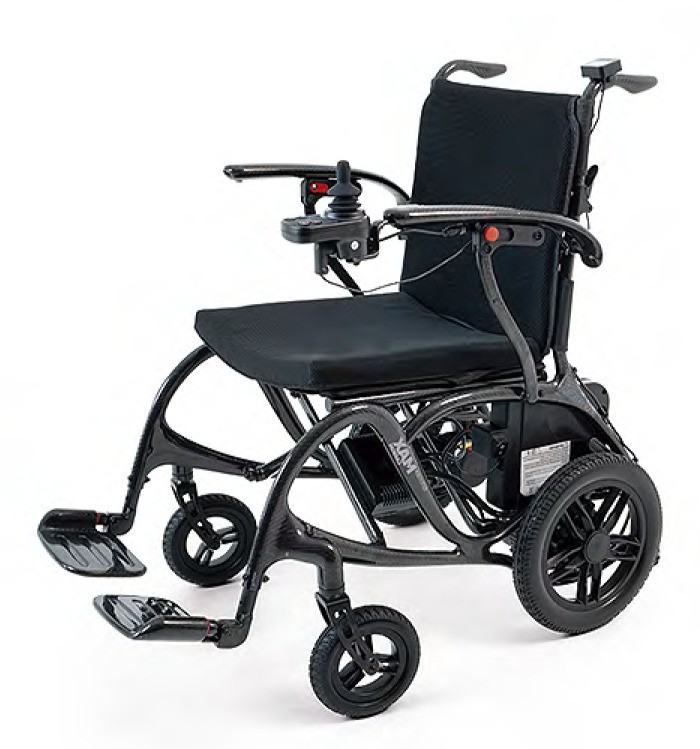
Types of batteries and how removal differs
- Sealed lead-acid (SLA) batteries. These are common and heavy. Lift carefully and keep upright to avoid acid issues.
- Lithium-ion packs. Often lighter and may have external modules or quick-release latches. Observe electronics and avoid shorting terminals.
- Gel and AGM types. Similar handling to SLA but typically cleaner. Always treat them as sealed and avoid puncture.
Different chair models and battery chemistries change how you remove the pack. Read the wheelchair manual before attempting removal so you follow the correct method for your specific battery.

Troubleshooting common issues when removing batteries
If connectors are stuck, inspect for corrosion and use a contact cleaner or gentle twisting motion. If bolts are rounded, use a socket with a better grip or a bolt extractor. If the battery will not unplug, check for hidden clips or a locking latch on the housing. If the battery seems fused to the tray or is swollen, stop and contact a repair service. Clear troubleshooting steps reduce the chance of damage when you remove the battery from an electric wheelchair.

Safe storage, transport, and disposal
Store batteries in a cool, dry, and ventilated spot away from direct sunlight. For transport, secure the battery in an upright position and protect terminals with insulating covers. Do not dispose of lead-acid or lithium batteries in household trash. Use a certified recycling or hazardous waste facility for disposal. Following these steps protects people and the environment after you remove the battery from an electric wheelchair.

Maintenance tips to extend battery life
- Charge regularly. Keep batteries topped up and avoid deep discharges.
- Maintain clean terminals. Wipe corrosion and apply terminal protector sprays as needed.
- Store at partial charge for long-term storage—about 40 to 60 percent for many chemistries.
- Schedule regular checks. Inspect battery health every 3 months or per manufacturer guidance.
Good maintenance reduces the frequency you must remove the battery from an electric wheelchair for repairs.

Personal experience and practical tips
From field tests and user feedback, I learned that labeling connectors and screws saves time. I once removed the wrong panel because a screw went into a hidden clip; now I keep a small notebook with notes and photos for each chair. Using a lightweight battery cart made moving packs much safer than carrying them by hand. These simple habits cut repair time and lower risk when you remove the battery from an electric wheelchair.
Frequently Asked Questions of How to remove the battery from an electric wheelchair
How long should I power the chair off before removing the battery?
Power down the chair and remove the key immediately before starting. Wait a few seconds to ensure all electronics fully power off before unplugging connectors.
Can I remove the battery while the chair is on a slope?
No. Always move the chair to a flat, stable surface and set the brakes. Removing the battery on a slope risks movement and injury.
What if the battery connector is corroded or stuck?
Gently clean corrosion with a brush and a contact cleaner. If stuck, try a slight twisting motion; if it won’t budge, seek professional help.
Is it safe to lift the battery by myself?
Only if the battery is light and you have proper lifting technique. For heavy packs, use a second person or mechanical aid to avoid injury.
How should I prepare a battery for shipping?
Disconnect and insulate terminals, secure the battery in a sturdy box, and follow carrier and hazardous materials rules for lead-acid or lithium batteries.
Conclusion
Removing the battery from an electric wheelchair is a manageable task when you follow clear safety steps, use the right tools, and know your chair’s battery type. Practice the steps, label parts, and never rush a removal. Take action today: review your chair manual, prepare your tools, and try a safe removal with a friend present. If you found this guide useful, leave a comment, subscribe for more mobility tips, or share your own battery-removal tricks.

Michael Reynolds is a senior contributor at RetirementGazette.com, where he focuses on helping readers navigate the journey toward a secure and fulfilling retirement. With over a decade of experience in personal finance, retirement planning, and lifestyle writing, Michael combines practical strategies with easy-to-understand guidance tailored for both pre-retirees and those already enjoying their golden years.