You pay for Medicare through taxes and premiums so the program can help cover health care during retirement and certain disabilities.
If you have ever looked at a paycheck, Social Security statement, or Medicare bill and wondered, “Why do I pay for Medicare?” you are not alone. Medicare has several parts, and each part has its own funding rules, costs, and coverage limits. This guide explains where your money goes, why some people pay more than others, and how to avoid common Medicare billing mistakes.

Why do I pay for Medicare?
The simple answer to “Why do I pay for Medicare?” is that Medicare is not completely free. It is a public health insurance program funded by a mix of payroll taxes, monthly premiums, federal funds, and beneficiary payments.
Most people pay into Medicare before they enroll. Later, they may also pay premiums for certain parts of their coverage. Think of Medicare like a shared community fund. Workers contribute during their careers, and the program uses that money to help provide health coverage for older adults and some people with disabilities.
You may pay for Medicare in one or more of these ways:
• Medicare payroll taxes taken from your paycheck
• A monthly premium for Medicare Part B
• A premium for Medicare Part D prescription drug coverage
• A higher income-related premium called IRMAA
• A premium for Medicare Part A if you do not have enough work credits
• Premiums for Medicare Advantage, Medigap, or other supplemental coverage
The amount you pay depends on your work history, income, enrollment choices, and the type of Medicare plan you select.
How Medicare payroll taxes work
Medicare payroll taxes help fund Medicare Part A, also called hospital insurance. These taxes are usually taken from your wages while you work.
For most employees, the Medicare tax is 1.45% of wages. Employers generally pay another 1.45%. Unlike Social Security tax, the Medicare tax does not have a yearly wage limit. This means Medicare tax can apply to all covered wages.
High earners may also pay an Additional Medicare Tax. This extra 0.9% applies to wages above certain income thresholds. The employer does not match this additional tax.
Self-employed workers usually pay both the employee and employer portions through self-employment tax. These payments help build the financial foundation of Medicare Part A.
Your Medicare payroll taxes do not create a personal savings account with your name on it. Instead, they support a large insurance system that covers eligible beneficiaries. This is why you may pay Medicare taxes even if you are young or rarely visit a doctor.
What Medicare payroll taxes help support
Medicare payroll taxes mainly support Part A services, such as:
• Inpatient hospital care
• Skilled nursing facility care after a qualifying hospital stay
• Some home health care
• Hospice care
Payroll taxes do not pay for every Medicare benefit. Part B and Part D rely heavily on beneficiary premiums and federal funding.
A key lesson is this: paying Medicare taxes does not mean every future Medicare service will be free. It usually helps you qualify for premium-free Part A, but other costs may still apply.

Why do I pay for Medicare Part B?
Many people ask, “Why do I pay for Medicare Part B?” Part B covers medically necessary services and preventive care outside a hospital.
Part B commonly helps cover:
• Doctor visits
• Outpatient surgery
• Emergency room visits that do not lead to an inpatient admission
• Lab tests and X-rays
• Durable medical equipment
• Preventive screenings and vaccines
• Mental health care received as an outpatient
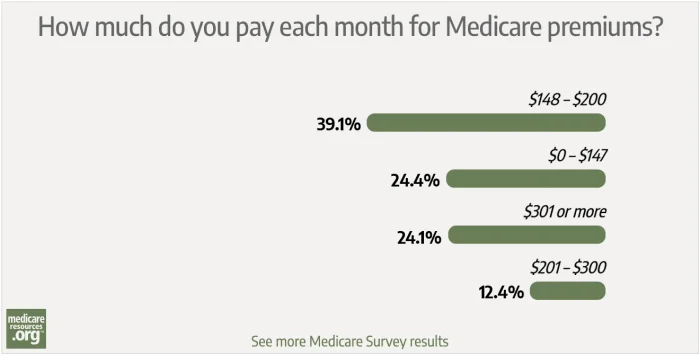
Part B requires a monthly premium for most enrollees. The standard premium can change each year. People with higher incomes may pay more through the Income-Related Monthly Adjustment Amount, or IRMAA.
Part B also includes an annual deductible and usually requires coinsurance. In many cases, after you meet the deductible, Medicare pays about 80% of the Medicare-approved amount for covered services, while you pay the remaining amount. This is one reason many people consider Medigap or Medicare Advantage coverage.
You can usually have your Part B premium deducted from your Social Security, Railroad Retirement, or federal retirement payment. If you are not receiving one of these payments, Medicare may bill you directly.
Why Part B is not free
Part B is funded partly by monthly premiums and partly by general federal revenue. Payroll taxes alone do not cover the full cost of doctor visits, outpatient treatment, and medical equipment.
This shared funding model helps spread costs across current workers, taxpayers, and Medicare beneficiaries. It also means the amount you pay can change when federal rules, health care costs, and income adjustments change.
Why do I pay for Medicare Part D?
Another common question is, “Why do I pay for Medicare Part D?” Part D helps cover prescription medications. You can receive Part D through a private insurance company approved by Medicare, either as a stand-alone drug plan or as part of many Medicare Advantage plans.
Part D costs may include:
• A monthly premium
• An annual deductible
• Copayments or coinsurance
• Costs that vary by drug tier
• Higher premiums for people with higher incomes
Each plan has its own list of covered drugs, called a formulary. The plan may also use rules such as prior authorization, quantity limits, or step therapy.
Prescription drug coverage is optional, but delaying enrollment can create a late enrollment penalty. This penalty may apply if you go without creditable drug coverage for 63 days or more after becoming eligible.
The best plan is not always the one with the lowest monthly premium. A plan with a low premium may charge more for your specific medicines. Compare the full yearly cost, including premiums, deductibles, copays, and pharmacy pricing.

Why do I pay for Medicare Part A?
Most people do not pay a monthly premium for Part A because they or a spouse paid Medicare taxes for about 10 years. This work history generally equals 40 quarters of Medicare-covered employment.
If you do not have enough work credits, you may be able to buy Part A. The premium can be substantial, and the amount depends on your work record.
Even when Part A is premium-free, it is not cost-free. Part A has a deductible for each inpatient hospital benefit period. You may also face daily coinsurance for longer hospital or skilled nursing stays.
A benefit period begins when you are admitted as an inpatient and ends after you have been out of inpatient care for a set period. This means the Part A deductible does not work exactly like a simple calendar-year deductible.
Part A also has coverage limits. For example, Medicare does not generally cover long-term custodial care when the primary need is help with daily activities such as bathing, dressing, or eating.
Why do I pay for Medicare if I already paid taxes?
This question often feels frustrating, and it is understandable. You may think your past payroll taxes should cover all Medicare costs for life. However, Medicare taxes mainly help fund Part A and do not prepay every future Medicare service.
Medicare is an insurance program, not a personal account. Your taxes help support the program while you work, and current taxes also help pay benefits for people enrolled today.
When you enroll, you may pay new premiums for Part B and Part D. You may also pay deductibles, copayments, coinsurance, and premiums for extra coverage.
A similar example is auto insurance. Paying premiums for years does not mean every repair is free. Your payments help keep coverage available, but deductibles and other costs can still apply when you use the policy.
Why do I pay more for Medicare than someone else?
Medicare costs can differ because of income, plan choice, enrollment timing, and health coverage needs. Two people with the same Medicare card may have very different total expenses.
The most common reasons for higher costs include:
• Higher income
• Late enrollment in Part B or Part D
• Choosing a plan with a higher premium
• Using out-of-network providers in some Medicare Advantage plans
• Taking expensive prescription drugs
• Buying Medigap or other supplemental coverage
• Having multiple hospital benefit periods
Income-related Medicare premiums
Higher-income beneficiaries may pay IRMAA for Part B and Part D. The Social Security Administration generally uses tax information from two years earlier to determine this adjustment.
For example, your 2025 Medicare premiums may be based on your 2023 tax return. A major change in income, such as retirement, divorce, loss of a pension, or the death of a spouse, may allow you to request a review.
If your income has dropped because of a qualifying life-changing event, you can contact Social Security and ask about Form SSA-44. Keep records that support the change.
Late enrollment penalties
You may pay a permanent Part B late enrollment penalty if you delay Part B without qualifying employer coverage. Part D penalties can also apply after a long gap without creditable prescription drug coverage.
Before delaying Medicare, confirm that your employer coverage is considered creditable and that the employer size meets Medicare rules. Coverage from a small employer may not protect you from a Part B penalty.

Medicare costs beyond monthly premiums
Understanding why you pay for Medicare requires looking beyond the monthly bill. Your total Medicare spending may include several separate expenses.
Deductibles
A deductible is the amount you pay before Medicare or your plan begins paying for certain services. Part A and Part B have different deductibles and rules.
Coinsurance
Coinsurance is a percentage of the approved cost. For example, after meeting a deductible, you may owe a share of the Medicare-approved amount for a covered service.
Copayments
A copayment is a set amount for a service or prescription. Your plan may charge different copays for primary care, specialists, hospital services, and drug tiers.
Supplemental coverage
Original Medicare does not have a yearly out-of-pocket maximum for most covered services. Many people buy Medigap, join Medicare Advantage, or use other coverage to manage this risk.
Medigap policies may help pay certain deductibles, coinsurance, and copayments. Medicare Advantage plans must include a yearly limit on covered Part A and Part B services, but they often use provider networks and plan rules.
There is no single best choice for everyone. Consider your doctors, prescriptions, travel habits, budget, and comfort with predictable premiums versus network rules.
How to lower your Medicare costs
You may not be able to eliminate every Medicare expense, but careful planning can reduce surprises.
-
Review your Medicare plan every year. Drug formularies, premiums, provider networks, and copayments can change during the Annual Enrollment Period.
-
Compare the total yearly cost. Do not look only at the monthly premium. Add expected prescriptions, deductibles, copays, and medical visits.
-
Check for Medicare Savings Programs. These programs may help eligible people with limited income and resources pay Part A and Part B costs.
-
Review Extra Help for prescription drugs. Extra Help can reduce Part D premiums, deductibles, and drug costs for qualifying beneficiaries.
-
Use preventive services. Many Medicare-covered preventive services have no cost when you use an eligible provider and meet program rules.
-
Ask whether a provider accepts Medicare assignment. Providers who accept assignment agree to Medicare-approved amounts and cannot charge more than allowed for covered services.
-
Report major income changes. A life-changing event may help reduce an IRMAA adjustment if your current income is lower than the tax year used by Social Security.
-
Keep your Medicare notices. Save your Medicare Summary Notices, plan statements, and premium letters. They can help you spot billing errors.
A practical mistake to avoid is choosing a plan based only on a television advertisement or a low monthly premium. Review the evidence that matters to you: your doctors, your medicines, your pharmacy, and your expected care.

How Medicare compares with private health insurance
Medicare and private insurance both help pay for health care, but they work in different ways.
Medicare is a federal program with national rules. Private Medicare plans must follow Medicare requirements but may set their own networks, premiums, drug lists, and cost-sharing structures.
Original Medicare lets you visit any provider who accepts Medicare nationwide. However, it generally does not include prescription drug coverage or a yearly out-of-pocket limit unless you add other coverage.
Medicare Advantage combines Part A and Part B through a private plan. Many plans include prescription coverage and extra benefits, such as dental, vision, or hearing services. In exchange, you may need to use a network and follow referral or prior authorization rules.
Employer insurance may coordinate with Medicare. The correct payer depends on factors such as employer size, disability status, end-stage renal disease, and whether you are retired. Ask your benefits administrator before dropping employer coverage.
A simple way to understand your Medicare bill
When reviewing a Medicare bill or statement, check these details:
• The coverage period
• The type of premium being charged
• Whether the amount is for Part B, Part A, or another plan
• Any IRMAA adjustment
• The payment due date
• Whether a deduction from Social Security is already scheduled
• Whether the charge matches your enrollment record
If something looks wrong, do not ignore it. Contact Medicare, Social Security, or your private plan using the phone number on an official statement or card. Avoid calling a number from an unsolicited text, email, or social media message.
Medicare fraud is a real concern. Never share your Medicare number with an unknown caller who pressures you to act quickly. Legitimate agencies do not typically demand payment by gift card, wire transfer, or cryptocurrency.

What I have learned about Medicare planning
One of the most useful lessons in Medicare planning is to treat coverage as a yearly decision, not a one-time purchase. Health needs, prescriptions, income, and plan rules can change.
A common mistake is assuming that the plan with the lowest premium is the cheapest plan. A person taking several brand-name drugs may save more with a plan that has a higher premium but better prescription coverage.
Another mistake is delaying enrollment without checking employer coverage rules. Before you postpone Part B, ask whether your job-based plan is primary and whether it protects you from a late enrollment penalty.
I also recommend keeping a one-page Medicare record. Write down your plan name, premium, doctors, prescriptions, pharmacy, important phone numbers, and enrollment dates. This small step can make a confusing phone call much easier.
Medicare rules can be complex, and individual results vary. For major decisions, verify details with Medicare, Social Security, your State Health Insurance Assistance Program, or a licensed insurance professional who can explain plan-specific rules.
Why do I pay for Medicare? Frequently asked questions
Why do I pay for Medicare Part B every month?
Part B premiums help fund doctor visits, outpatient care, preventive services, medical equipment, and other covered services. The federal government also contributes general funds, so Part B is not paid for by payroll taxes alone.
Is Medicare free if I paid Medicare taxes?
Usually, paying enough Medicare taxes allows you to receive premium-free Part A. You will generally still pay for Part B, and you may also pay for Part D, supplemental coverage, deductibles, copayments, and coinsurance.
Why do I pay more for Medicare Part B?
You may pay more because of IRMAA, which is an income-related adjustment for higher-income beneficiaries. Your premium may also be affected by late enrollment or other specific Medicare rules.
Can I stop paying Medicare premiums?
You may be able to stop a particular premium if you drop optional coverage, but dropping coverage can create serious risks or penalties. Do not stop payment until you understand how it affects your health insurance and future enrollment rights.
Why do I pay for Medicare if I have employer insurance?
Medicare and employer insurance may coordinate benefits, and one plan may pay before the other. The answer depends on your employer size, employment status, disability status, and other factors, so confirm the rules with your benefits office and Medicare.
Does Medicare cover all medical expenses?
No. Medicare does not pay every health care cost. You may still owe premiums, deductibles, coinsurance, copayments, and costs for services that Medicare does not cover.
Why do I pay for Medicare Part D if I do not take medicine?
Part D protects you if your prescription needs change later. Delaying enrollment without other creditable drug coverage may lead to a late enrollment penalty, so compare your options before deciding to go without coverage.
Conclusion
The answer to “Why do I pay for Medicare?” depends on which part of Medicare you mean. Payroll taxes help fund Part A, while Part B and Part D usually require monthly premiums. Your income, work history, plan selection, enrollment timing, and medical needs can all change your final costs.
Medicare is valuable insurance, but it is not free health care. Review your statements, compare plans each year, check for financial assistance, and confirm enrollment rules before making changes. Explore official Medicare resources or speak with a qualified counselor, and share your questions or experience to help others make informed Medicare choices.

Michael Reynolds is a senior contributor at RetirementGazette.com, where he focuses on helping readers navigate the journey toward a secure and fulfilling retirement. With over a decade of experience in personal finance, retirement planning, and lifestyle writing, Michael combines practical strategies with easy-to-understand guidance tailored for both pre-retirees and those already enjoying their golden years.