Clean gently, align edges, cover with a non-stick dressing, and watch for infection.
I have years of hands-on experience caring for older adults with fragile skin. In this guide I share clear steps on how to treat skin tears in the elderly. You will find easy-to-follow care steps, simple assessment tips, and ways to prevent new tears. My aim is to help families and caregivers feel confident and calm when a skin tear happens.
Understanding skin tears in older adults
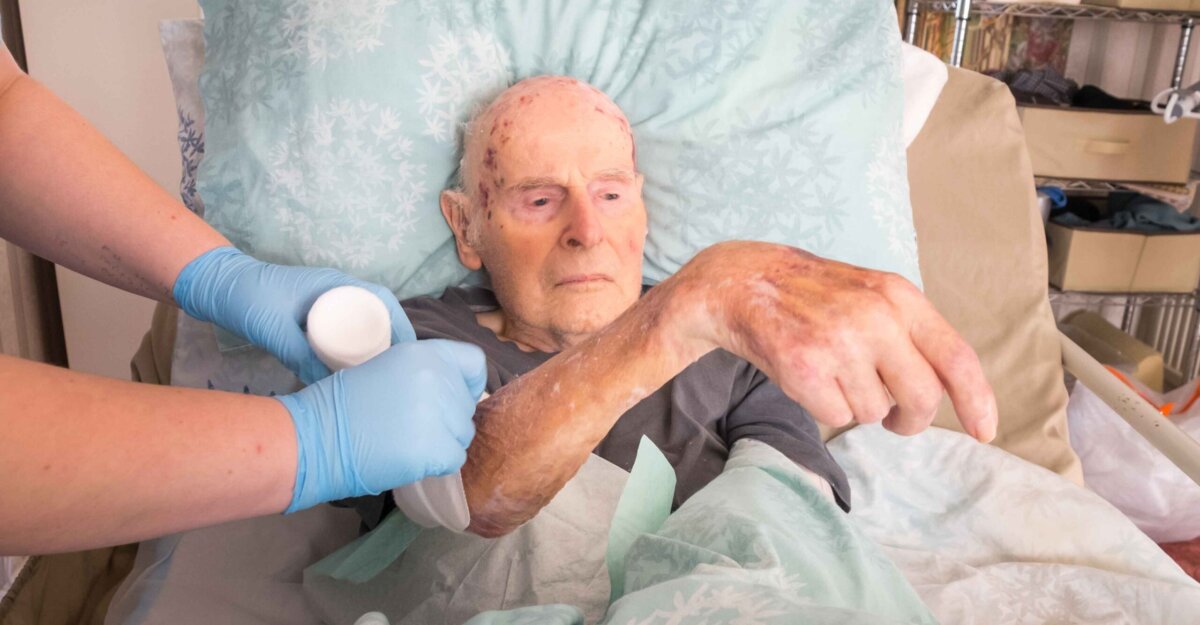
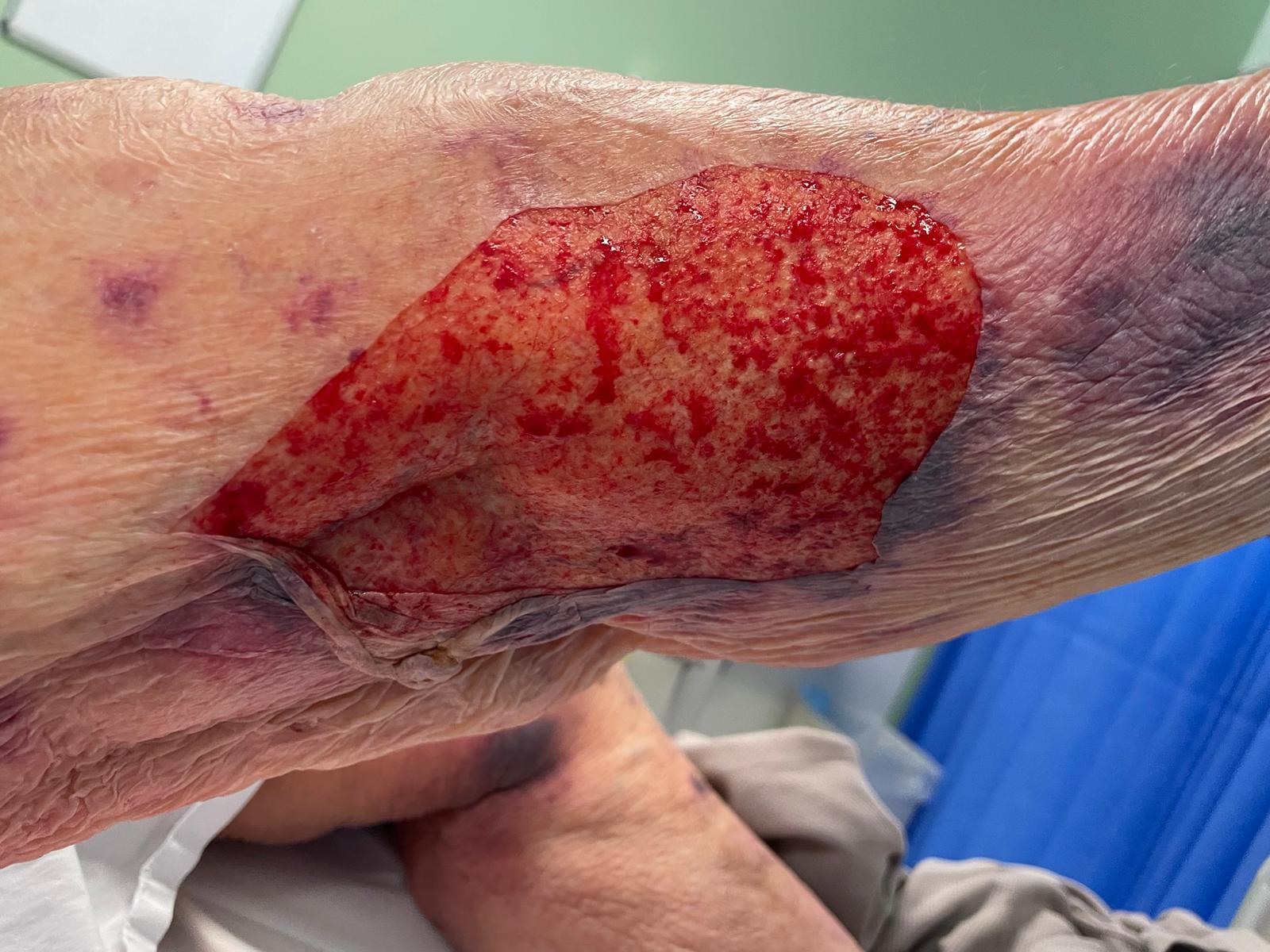
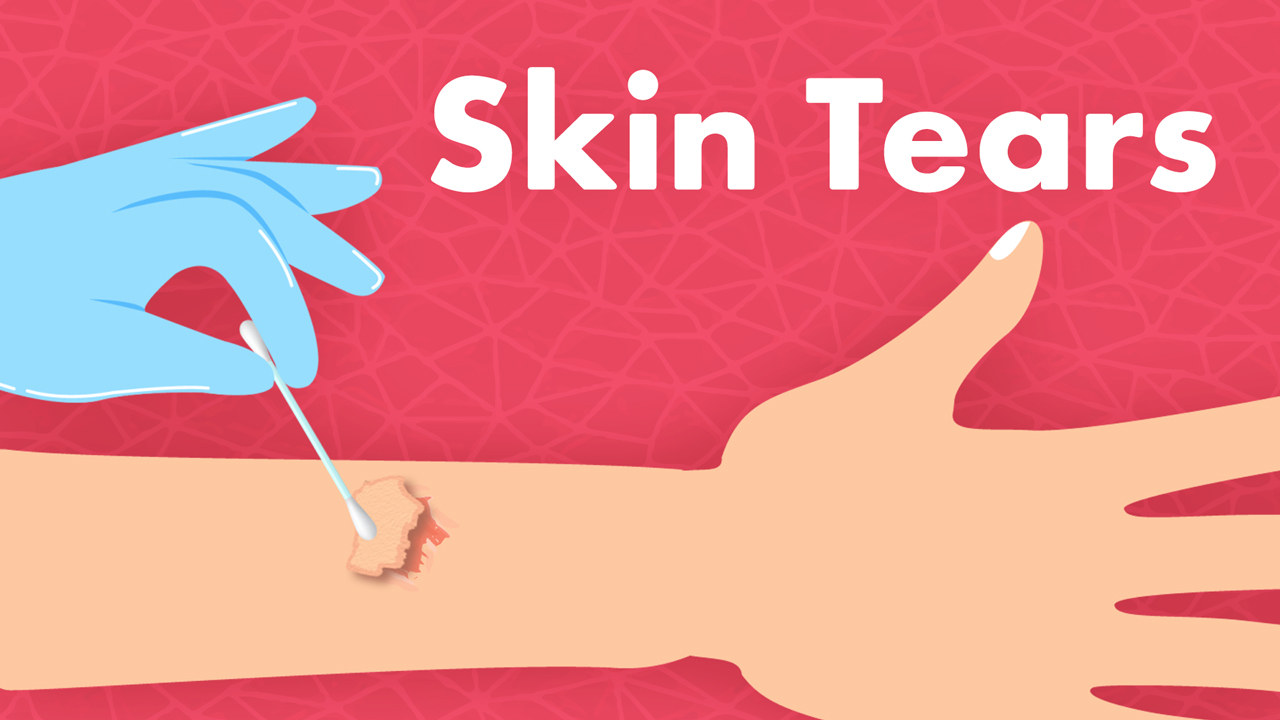
Skin tears are wounds where the top layers of skin separate. They often look like flaps, partial loss, or a clean split. Older skin is thin, drier, and loses fat padding. That makes skin tears common in the elderly. Knowing what a skin tear is helps you act fast and reduce harm.
Causes and risk factors
Common causes are bumps, removing tape, falls, and handling during care. Medications that thin the skin or blood can raise risk. Poor nutrition, dehydration, and sun damage also weaken skin. Mobility issues and tight clothes add extra risk.
Assessing and classifying a skin tear
Check three things fast: bleeding, flap position, and depth. Use a simple staging system to guide care. A partial flap means skin can be realigned. Full-thickness loss needs more clinical care. Always note size, shape, and signs of infection when you assess.

How to treat skin tears in the elderly: Step-by-step care at home
Prepare clean supplies and wash your hands well. Stop active bleeding with gentle pressure for a few minutes. If the skin flap is loose, gently align it without stretching. Clean the area with normal saline or mild soap and water. Apply a non-adherent dressing that won’t stick to the flap. Secure dressing with soft tape or a tubular bandage. Change the dressing as directed, usually every few days or if soiled. Watch for signs of infection such as redness, warmth, increasing pain, or pus. Keep the person comfortable and avoid tight clothing over the wound. If healing stalls in a week or signs of infection appear, contact a clinician.
Personal tip from practice: I once had a resident with a large flap. I soaked the area to soften it, then smoothed the flap back carefully. Healing time was shorter when we kept tension and friction low. Small, daily checks helped spot trouble early.
Clinical treatment and advanced options
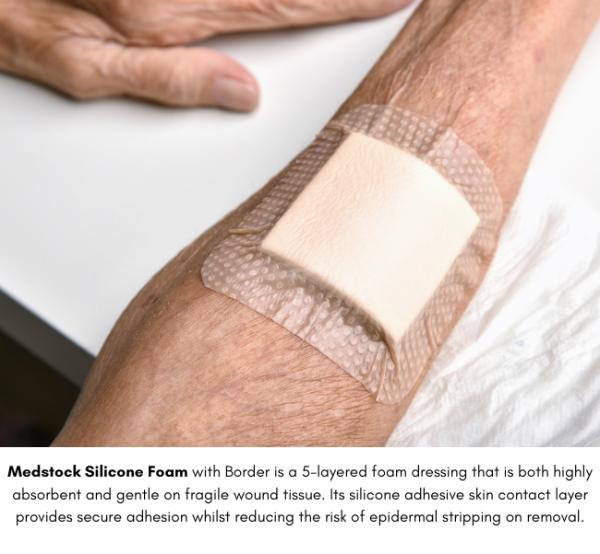
Clinicians may use special dressings that keep moisture balance. Options include non-adherent gels, foam dressings, and hydrocolloids. Sutures are rarely used unless the tear is deep or bleeding won't stop. Topical antibiotics are not routine but may be used if infection is likely. For larger or complex tears, a wound nurse or doctor will advise debridement, advanced dressings, or referral.
Experience note: I have seen foam dressings reduce pain and dressing changes. They help fragile skin heal with less trauma.

Prevention and long-term skin care
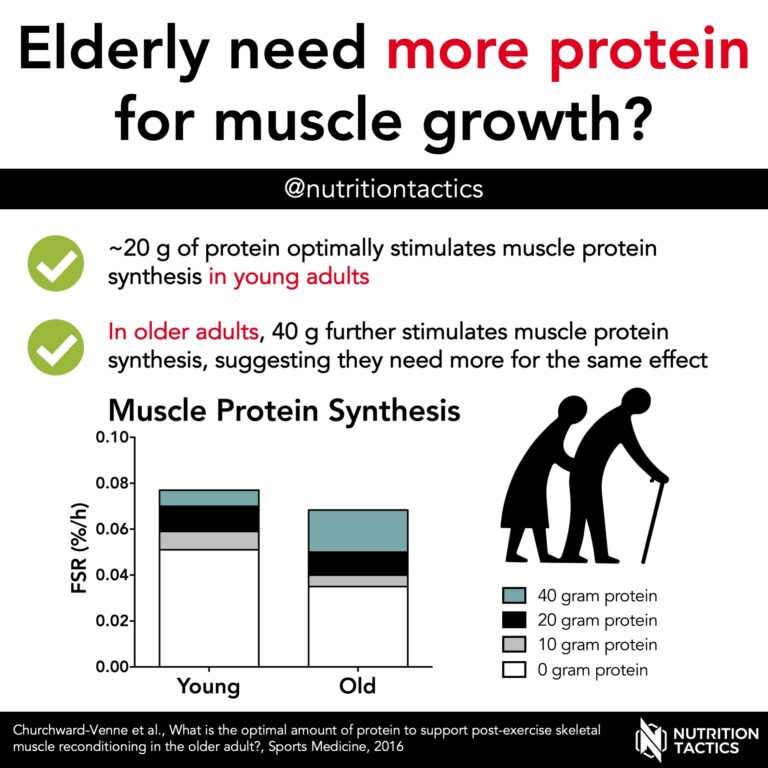
Focus on skin protection and gentle handling. Keep skin hydrated with bland moisturizers twice daily. Use soft clothing and padded furniture edges. Remove adhesive tape slowly and use release spray or a lift technique. Strengthen nutrition with protein, vitamins, and fluids to aid repair. Train staff and family on safe transfers and gentle hygiene.
Practical tip: Keep a small care kit with saline, non-stick dressings, and soft tape. Quick access prevents rushed, rough care.
When to seek medical help
Seek help if bleeding won’t stop after 15 minutes of pressure. Call a clinician for deep tears, large wounds, or exposed fat or tissue. Contact a provider for signs of infection or if pain worsens. If the person has diabetes or poor blood flow, get medical advice sooner. Timely care reduces complications and hospital visits.
Frequently Asked Questions of How to treat skin tears in the elderly
How quickly should a skin tear start healing?
Most small skin tears show improvement in a few days and heal in 1 to 3 weeks with good care. Bigger or deeper tears take longer and may need clinical follow-up.
Can I use household tape or band-aids on a skin tear?
Avoid regular adhesive tape directly on fragile skin. Use non-stick dressings and soft fixation methods to prevent more damage.
When is an antibiotic needed for a skin tear?
Antibiotics are needed if there are clear signs of infection like spreading redness, heat, pus, or fever. A clinician will decide if oral or topical antibiotics are required.
Will fragile skin always tear again after one tear?
Fragile skin is at higher risk, but careful prevention and good skin care lower the chance of repeat tears. Moisture, nutrition, and safe handling help a lot.
Can a skin tear be allowed to breathe to heal faster?
Leaving a wound open can slow healing and raise infection risk. Moist, protected dressings usually speed healing and reduce pain.
How to treat skin tears in the elderly at home if you are alone?
Calm the person and sit them down. Use clean supplies, apply gentle pressure, align the flap if possible, and cover with a non-stick dressing. Seek help if bleeding continues or the tear is deep.
Conclusion
You can reduce harm and speed healing when you know how to treat skin tears in the elderly. Act calmly, clean gently, align any flap, and use non-adherent dressings. Keep skin protected with moisture, good nutrition, and gentle handling to prevent more tears. Try the practical tips here and build a simple care kit for quick response. If you found this useful, share it, subscribe for more tips, or leave a question in the comments.

Michael Reynolds is a senior contributor at RetirementGazette.com, where he focuses on helping readers navigate the journey toward a secure and fulfilling retirement. With over a decade of experience in personal finance, retirement planning, and lifestyle writing, Michael combines practical strategies with easy-to-understand guidance tailored for both pre-retirees and those already enjoying their golden years.