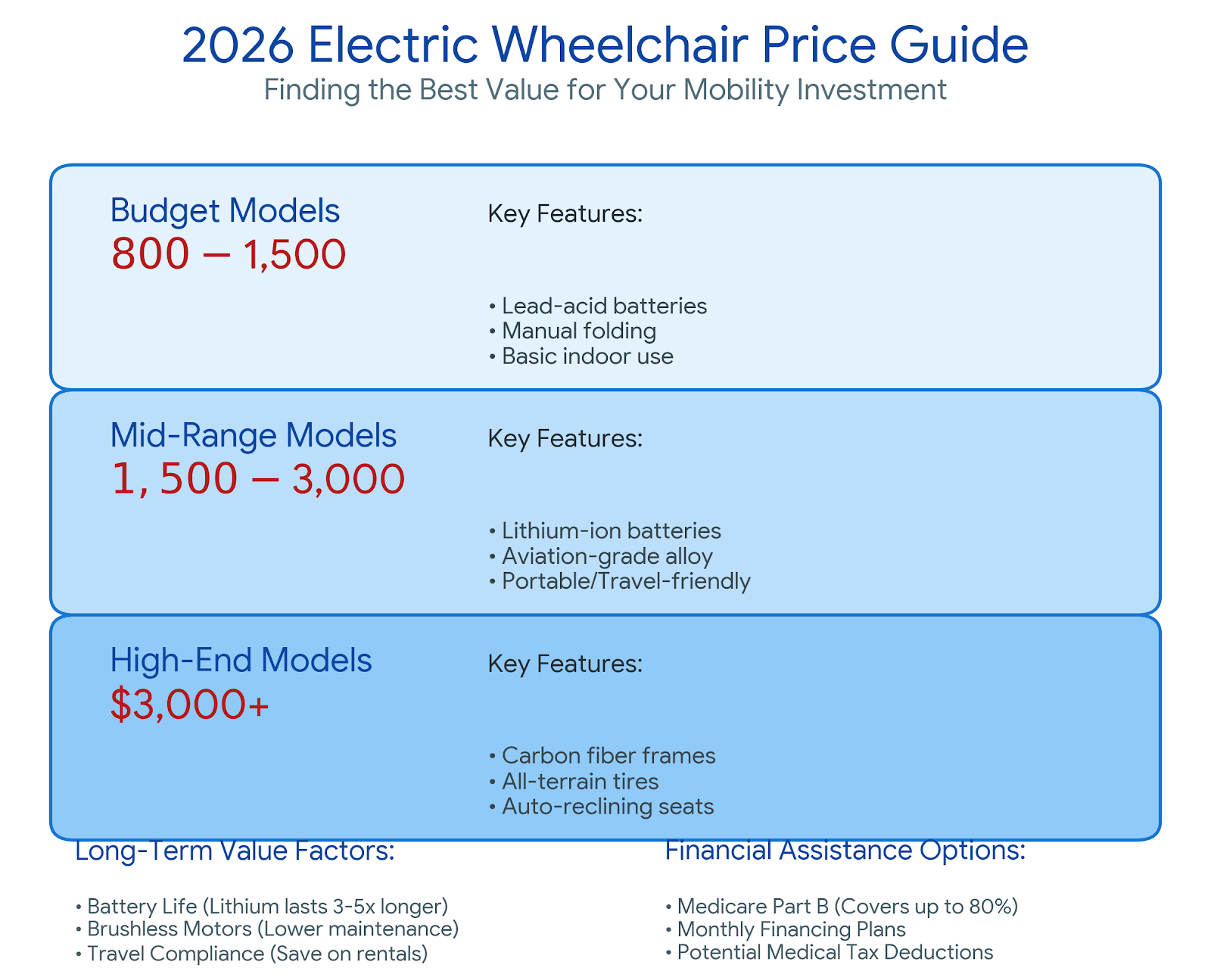
Electric wheelchairs typically cost between $1,500 and $15,000, depending on features and customization.
If you're trying to answer how much does an electric wheelchair cost, you’ve come to the right place. I’ve helped clients pick mobility solutions for years and tested several models myself. In this guide I’ll break down real-world price ranges, explain what drives cost, show additional expenses to expect, and share practical tips to save money while getting the right chair for your needs. Read on to make a clear, confident choice about how much does an electric wheelchair cost and which option will work best for your life.

Typical price ranges for electric wheelchairs
Electric wheelchair pricing varies widely. A basic power wheelchair starts around $1,500, while advanced models with specialized seating, long-range batteries, or all-terrain wheels can exceed $15,000.
Common price tiers
- Economy models: $1,500 to $3,500 — lightweight, basic motors, limited features.
- Mid-range models: $3,500 to $7,500 — better batteries, more comfort options, improved controls.
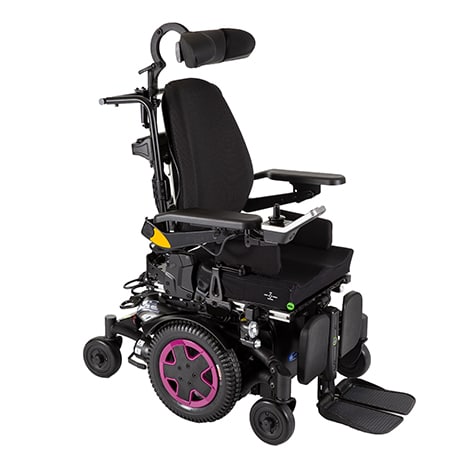
- Premium models: $7,500 to $15,000+ — advanced seating systems, tilt/recline, heavy-duty frames, and long-range batteries.
- Bariatric and custom models: $8,000 to $20,000+ — built to specific sizes and medical needs.
How to read those numbers
- MSRP vs. final price — sticker price can be reduced with discounts, insurance, or dealer negotiations.
- Used and refurbished chairs — typically 40% to 70% cheaper, depending on condition and warranty.

Key factors that determine how much does an electric wheelchair cost
Price comes down to components and customization. Knowing what each factor affects helps you match cost to needs.
Main cost drivers
- Drive system and motors — more powerful, smoother motors increase cost.
- Battery capacity and range — longer range batteries cost more and are heavier.
- Frame and materials — lightweight alloys vs. sturdier steel change price and portability.
- Seating and cushions — pressure-relief or custom seating systems add significant cost.
- Controls and electronics — advanced joysticks, alternative controls, and onboard electronics increase price.
- Accessories and add-ons — elevating leg rests, trays, lights, and suspension raise the total.
- Warranty and service plans — extended coverage costs more but reduces long-term surprises.
User needs that push cost up
- Complex medical needs requiring custom-molded seating.
- Need for transportability (foldable or disassembly features).
- Outdoor or all-terrain use requiring reinforced frames and suspension.
Additional costs to plan for when estimating how much does an electric wheelchair cost
Upfront price is only part of the picture. Factor in recurring and optional costs to get an accurate budget.
Typical additional expenses
- Batteries — replacement every 1–3 years depending on use; $150 to $800 each.
- Maintenance and repairs — routine service and occasional part replacement; budget $100–$500/year.
- Shipping, setup, and delivery fees — some dealers charge delivery and setup.
- Accessories — cushions, custom armrests, specialized footplates, and canopies can add hundreds or thousands.
- Transportation adaptations — vehicle lifts, ramps, or tie-downs if you plan to transport the chair.
- Training and assessments — occupational therapy or mobility evaluations may have fees.
Example total costs
- Economy with basic extras: $2,000 to $4,000 out the door.
- Mid-range with accessories and a service plan: $4,500 to $9,000.
- Custom or advanced setups including vehicle modifications: $10,000 to $25,000+.
Insurance, Medicare, Medicaid, and financing: will they cover how much does an electric wheelchair cost?
Many people ask whether third parties can help cover the cost. Coverage depends on medical necessity, documentation, and plan rules.
How coverage usually works
- Medicare Part B: May cover power wheelchairs if a doctor and supplier document medical necessity and you meet mobility criteria. Coverage generally pays 80% after deductible.
- Medicaid: Coverage varies by state and often covers power wheelchairs with prior authorization.
- Private insurance: Policies differ widely; pre-authorization and detailed documentation are common requirements.
- VA benefits: Eligible veterans may receive coverage for mobility devices.
- Financing and payment plans: Many dealers offer monthly payment options, and third-party medical lenders can help spread cost over time.
Documentation tips
- Obtain a mobility evaluation or written justification from a doctor or therapist.
- Keep records of functional limitations and prior mobility aids used.
- Ask the supplier about the paperwork required for insurance submission.
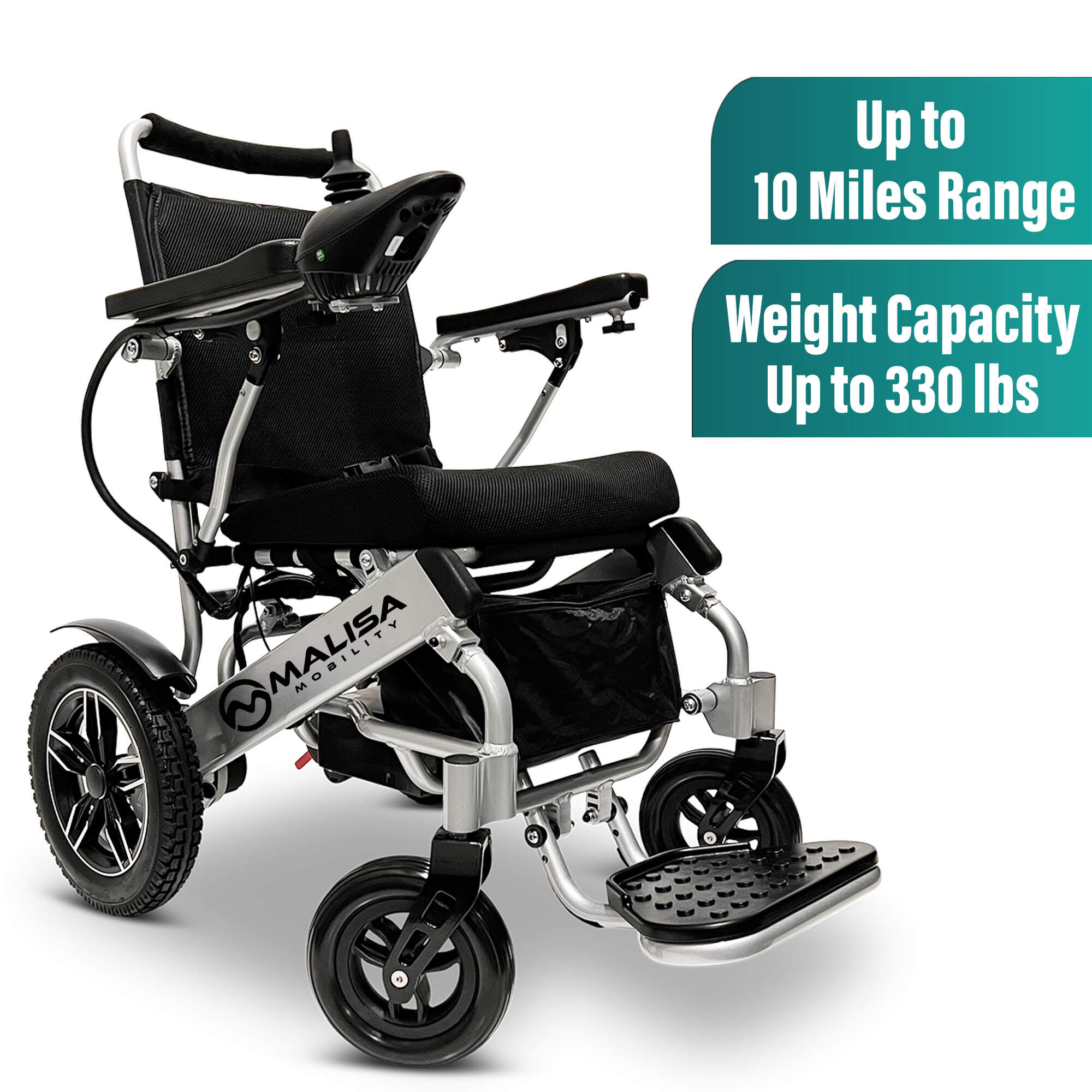
Where to buy and how to choose the right electric wheelchair for your budget
Choosing the right place impacts price, service, and long-term satisfaction. I recommend comparing several buying channels.
Buying channels
- Local mobility dealers — hands-on demos, fitting, and service support.
- National retailers — competitive pricing, but variable local service.
- Online suppliers — often lower prices, but you may sacrifice hands-on setup.
- Used and refurbished sellers — cost-effective, but inspect warranty and battery health.
- Rentals — great short-term solution or trial before buying.
Choosing tips
- Test drive several models to compare comfort and range.
- Prioritize medical needs over features you “want” but don’t need.
- Ask about trial periods and return policies.
- Verify service networks and warranty response times.

Personal experience: real-life tips, lessons learned, and mistakes to avoid
Having spent years helping people choose mobility devices, I’ve learned what makes a decision succeed or fail.
What worked for my clients
- Start with a functional assessment — match the chair to real daily challenges rather than impulse features.
- Test the exact model with your seating system — small differences in cushion and armrest position make a big comfort difference.
- Consider long-term costs — a cheaper chair that needs constant repairs cost more over time.
Common mistakes I’ve seen
- Prioritizing flashy features over basic fit — you can buy a top-line motor but still be uncomfortable if the seat is wrong.
- Skipping a trial period — what looks good in a showroom may feel wrong after a week at home.
- Ignoring battery range needs — underestimating daily distance causes trouble and extra costs.
A short anecdote
- I worked with a client who chose a compact, lower-priced power chair without testing long-range battery options. After several trips stranded mid-errand, they traded up to a mid-range model. The second purchase solved endurance problems and reduced stress, making the extra cost worth it.

Frequently Asked Questions of How much does an electric wheelchair cost
How much does an electric wheelchair cost on average?
Most electric wheelchairs fall between $1,500 and $15,000 depending on features, seating, and battery range. Middle-of-the-road models commonly cost $3,500 to $7,500.
Will insurance pay for an electric wheelchair?
Insurance may cover part or all of the cost if a medical provider documents medical necessity and you meet the insurer’s criteria. Coverage varies by Medicare, Medicaid, and private insurers.
Are there cheaper alternatives to buying?
Yes, consider renting, buying used or refurbished chairs, or using mobility scooters for some needs, which can significantly reduce upfront costs. Rentals are also useful to trial a model before purchase.
How much do batteries and maintenance add to the cost?
Expect to spend $150 to $800 for battery replacements every 1–3 years and about $100 to $500 per year on maintenance, depending on usage and warranty coverage. Regular care extends lifespan and reduces repair bills.
Can I get a custom seating system for a power wheelchair, and how much does it cost?
Custom seating systems are available and often cost several hundred to several thousand dollars based on complexity and materials. Customization improves comfort and medical outcomes but raises the overall cost.
Conclusion
Understanding how much does an electric wheelchair cost starts with clear goals: know your mobility needs, comfort requirements, and budget. Price ranges vary widely from a few thousand dollars to well over ten thousand when custom features and long-term support are included. My practical advice: get a mobility assessment, test the chair in real settings, and factor in ongoing costs like batteries and service before deciding. If you want personalized recommendations, comment below with your daily needs or sign up for a trial at a local dealer to experience a model that fits.

Michael Reynolds is a senior contributor at RetirementGazette.com, where he focuses on helping readers navigate the journey toward a secure and fulfilling retirement. With over a decade of experience in personal finance, retirement planning, and lifestyle writing, Michael combines practical strategies with easy-to-understand guidance tailored for both pre-retirees and those already enjoying their golden years.