
You can fix many faults at home with simple checks, basic tools, and safe parts.
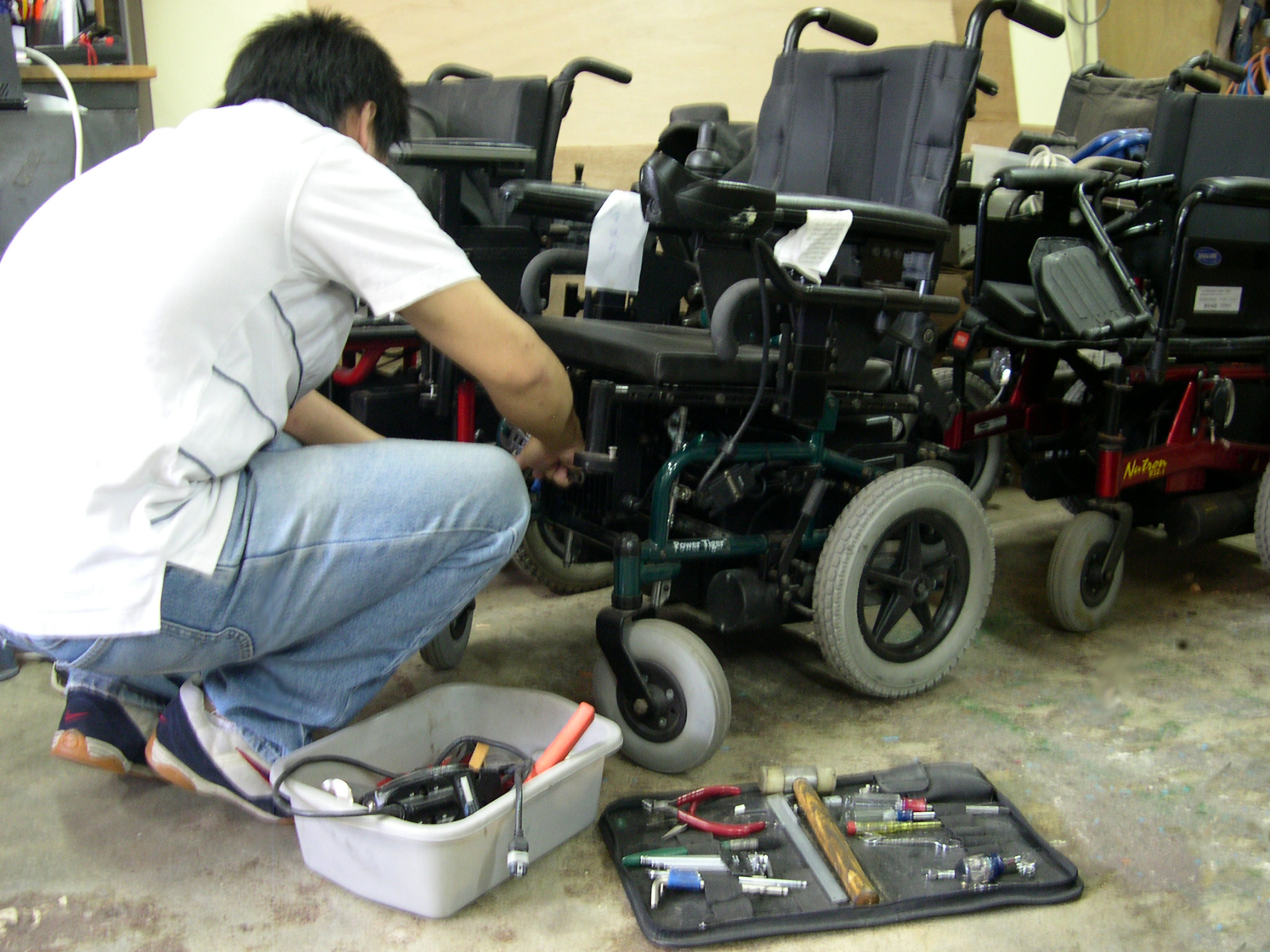
I’ve spent years working with mobility devices and teaching users how to repair an electric wheelchair. This guide explains how to repair an electric wheelchair step by step. I will show checks, tools, common fixes, safety tips, and when to call a pro. Read on to learn clear, practical steps so you can diagnose issues, perform safe repairs, and keep your chair reliable.

Why learn how to repair an electric wheelchair?
Knowing how to repair an electric wheelchair saves time and money. Small faults often have simple fixes. Learning basic repair skills also increases user independence and confidence. I use plain language and real examples from repairs I’ve done to help you work safely and effectively.

Common problems and quick diagnostic checks
Most breakdowns follow the same patterns. Start with these quick checks before digging deeper.
- Battery won’t hold charge
- Check charger LEDs, battery terminals, and voltage. A faulty charger is common.
- Wheelchair won’t move or moves slowly
- Inspect the joystick, controller fault lights, and battery state.
- Strange noises or dragging
- Look for worn motors, loose gears, or debris in wheels.
- Intermittent power or dead electronics
- Test wiring connections and fuses. Moisture or vibration can loosen plugs.
- Steering or braking issues
- Check wheel alignment, tires, and brake mechanisms.
From my experience, most calls are battery or connector related. A quick visual check resolves many problems within 15 minutes.

Tools and replacement parts you'll need
Gather the right tools and parts before you start. Working without a spare part can stall a repair.
Essential tools
- Multimeter for voltage, continuity, and current checks
- Basic metric and SAE socket set and wrenches
- Phillips and flat screwdrivers
- Needle-nose pliers and wire cutters
- Soldering iron and heat shrink tubing for wiring repairs
- Contact cleaner and electrical grease
Common replacement parts
- Batteries or battery cells
- Charger (original-spec)
- Fuses and fuse holders
- Joystick or controller module
- Motor brushes (if applicable) and drive motors
- Cables, connectors, and terminal lugs
I always keep a spare charger, a pair of batteries, and a basic wiring kit on hand. That saves emergency trips and keeps users mobile.

Step-by-step guide: how to repair an electric wheelchair
This section covers practical repairs. Read each short step and follow safety guidance. If you feel unsure, stop and get help.
Safety first
- Turn off power and remove batteries before working on electronics.
- Wear gloves and safety glasses.
- Keep a clean, well-lit workspace.
Initial diagnostic steps
- Visual inspection
- Look for loose wires, corrosion, and physical damage.
- Smell for burnt components.
- Battery and charger check
- Measure battery voltage with a multimeter. A fully charged lead-acid battery usually reads above its nominal voltage.
- Plug in the charger and confirm charger LEDs show charging status.
- Fuse and breaker check
- Inspect fuses for continuity. Replace blown fuses with exact ratings.
- Controller and joystick check
- Test joystick movement and look for stuck buttons or debris.
- Check controller fault LEDs and codes in the manual.
Battery issues
- How to repair an electric wheelchair battery problem
- Clean terminals and tighten connections. Corrosion reduces current flow.
- Test each battery in the bank individually. Replace weak cells or the full battery pack if voltage is low under load.
- Use a compatible charger. A wrong charger can damage batteries.
Motor and drive train repairs
- Symptoms and checks
- If the wheelchair hums but wheels don’t turn, the motor or gearbox may be seized.
- Listen for grinding or clunking when turning the wheel by hand.
- Fixes
- Remove debris and lubricate moving parts with recommended grease.
- Replace worn motor brushes or gearbox components following the service manual.
- Confirm motor wiring to the controller is secure.
Controller and electronics
- Common faults
- Intermittent operation, error codes, or no response to joystick input.
- Troubleshooting steps
- Check for loose connectors and damaged wires.
- Reset the controller by disconnecting batteries for a few minutes.
- If fault codes persist, consult the service manual for specific diagnostics.
Wiring and connectors
- How to repair an electric wheelchair wiring issue
- Inspect connector pins for corrosion or bending.
- Use contact cleaner and apply dielectric grease to prevent future corrosion.
- Replace damaged wires and crimp secure lugs or solder joints with heat shrink.
Wheels, tires, and brakes
- Quick checks
- Inspect tires for wear, punctures, and proper inflation.
- Check brakes for adjustment and pad wear.
- Fixes
- Patch tires or replace tubes and tires if needed.
- Adjust or service brakes as per manufacturer specs.
Joystick recalibration and programming
- When to recalibrate
- After replacing a joystick or controller, recalibrate to restore smooth control.
- Steps
- Follow the manufacturer’s calibration routine. This often uses a sequence of joystick movements with the power on.
- Test at low speed first.
Testing after repair
- Reinstall batteries and power on cautiously.
- Test basic functions at low speed in an open area.
- Confirm that lights, horn, and safety cut-offs work.
Throughout my repairs, patience and small tests after every change prevented bigger failures. Work step by step and document what you try.

Safety, testing, and maintenance after repair
Regular maintenance prevents many repairs. After any fix, validate safety and performance.
Post-repair checklist
- Tighten all fasteners and secure covers.
- Check battery mounting and straps.
- Test brakes, steering, and emergency stop function.
- Perform a short road test at reduced speed.
Maintenance tips
- Charge batteries after every use and avoid deep discharges.
- Clean connectors seasonally and inspect wiring monthly.
- Keep the wheelchair dry and store it in a cool place.
- Schedule professional service yearly or as recommended by the manufacturer.
I recommend keeping a repair log. Note dates, parts replaced, and test results. This helps spot recurring issues and plan preventive service.
When to call a professional and warranty considerations
Some jobs require certified technicians or specific tools. Know your limits.
Call a professional for
- Major motor or gearbox replacement
- Complex controller diagnostics beyond basic tests
- High-voltage battery packs or lithium battery repairs
- Structural frame welding or crash damage
Warranty and safety
- Check your warranty before opening sealed modules. Unauthorized repairs may void coverage.
- If your wheelchair is rented or under service contract, contact the provider first.
I once tried to repair a sealed lithium pack and had to stop to avoid voiding the warranty. Learning when to stop is part of how to repair an electric wheelchair responsibly.
Frequently Asked Questions of How to repair an electric wheelchair
How do I know if the battery is the problem?
Check voltage with a multimeter and test under load. If voltage drops quickly or the charger shows error lights, the battery is likely failing.
Can I replace a joystick myself?
Yes, you can replace a joystick if the unit is user-serviceable and you follow the manual. Ensure connectors match and calibrate the joystick after installation.
Is it safe to drive a wheelchair with a worn tire?
It is unsafe to continue long-term with worn tires. Replace tires promptly to avoid loss of traction or uneven wear that can strain motors.
How long do wheelchair batteries usually last?
Batteries typically last 1 to 5 years depending on type, use, and maintenance. Proper charging and storage extend battery life.
What should I do if the wheelchair shows an error code?
Consult the user manual for the code definition and follow the recommended steps. If the code persists, record it and contact a technician.
Can water damage be repaired?
Minor moisture on connectors can often be cleaned and dried. Severe water damage to sealed electronics or motors usually needs professional service.
Conclusion
Repairing an electric wheelchair is mostly about careful diagnosis, basic tools, and safe steps. Learn common checks, keep spare parts, and work slowly. If a repair feels beyond your skills, call a pro to protect safety and warranties. Try one simple repair today, keep a log, and build confidence. If this guide helped, subscribe for more tips or leave a comment about your experience repairing an electric wheelchair.

Michael Reynolds is a senior contributor at RetirementGazette.com, where he focuses on helping readers navigate the journey toward a secure and fulfilling retirement. With over a decade of experience in personal finance, retirement planning, and lifestyle writing, Michael combines practical strategies with easy-to-understand guidance tailored for both pre-retirees and those already enjoying their golden years.