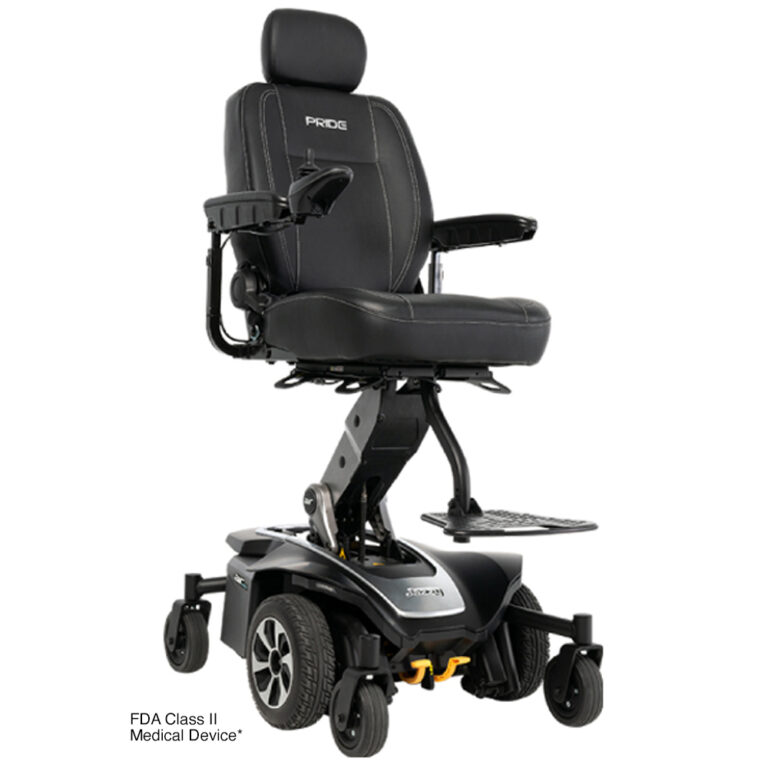
Grants, insurance, VA benefits, and nonprofits are common routes to fund an electric wheelchair.
I help people and families navigate benefits and paperwork to secure mobility gear. This guide explains how to get funding for an electric wheelchair step by step. You’ll learn which programs pay, how to document medical need, how to apply, and how to appeal denials. Read on for clear, practical advice based on real cases and proven strategies.

Why funding matters for an electric wheelchair
Electric wheelchairs cost thousands to tens of thousands of dollars. Without help, many people can’t afford one. Funding closes that gap. It improves independence, health, and quality of life.

Main funding sources to explore
Most successful funding plans mix several sources. Know each option and how they work together.
- Medicare and Medicare Advantage: May cover power wheelchairs if strict criteria are met and a DME supplier provides documentation.
- Medicaid and state waivers: Often cover more types of electric wheelchairs and accessories than Medicare.
- Private health insurance: Policies vary. Prior authorization and strong medical records help.
- Veterans Affairs (VA): Eligible veterans can get an electric wheelchair through VA benefits.
- Nonprofit organizations and grants: Local and national charities sometimes fund mobility equipment.
- Vocational rehabilitation and state programs: Can cover mobility gear if needed for work or school.
- Crowdfunding and community fundraising: Quick option when other sources fall short.
- Loans and financing plans: Offered by DME suppliers or third-party lenders as a last resort.
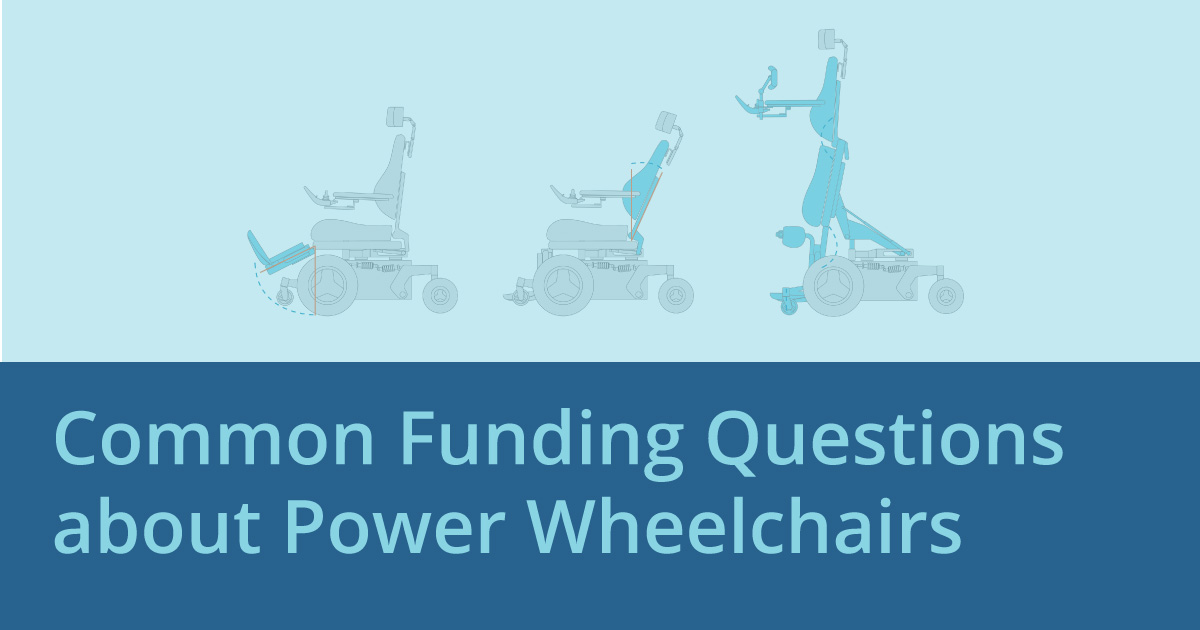
How to get funding for an electric wheelchair: step-by-step
Follow these clear steps to improve your chances of approval.
- Get a medical evaluation. See a physician or specialist who knows mobility needs. Ask them to document functional limits and goals.
- Obtain a written prescription. The prescription should state the specific chair type, accessories, and medical reasons.
- Work with a DME supplier. Use a supplier experienced with insurance paperwork and power wheelchairs.
- Gather supporting documentation. Include therapy notes, physician letters, gait analysis, and photos or videos showing mobility challenges.
- Submit claims and prior authorization. Let the supplier file with Medicare, Medicaid, or private insurance.
- Track the process. Note reference numbers, contacts, and decision dates.
- Appeal denials promptly. Use clear medical evidence and add letters from specialists or therapists.
- Explore secondary funding. Apply to nonprofits, grants, and VA if eligible, or start a crowdfunding campaign.
How to get funding for an electric wheelchair comes down to good paperwork and persistence. Each step helps build a stronger case.

Documentation that makes approvals likely
Insurers want proof the chair is medically necessary. Short, clear records work best.
- Physician letter: State why the electric wheelchair is needed for daily mobility and safety.
- Prescription: List make/model type, seat specs, and required accessories.
- Therapy and rehab notes: Show objective findings like strength, balance, and endurance limits.
- Functional assessments: Use standardized tests when possible; include timed walk tests or distance limits.
- Photos and video: Show how much effort or time transfers and movement take.
- DME supplier report: Include measurements and product justification.
Good documentation speeds approval. How to get funding for an electric wheelchair relies on clear medical facts.

Medicare, Medicaid, and insurance specifics
Each payer has rules. Know them before you apply.
- Medicare: Covers power wheelchairs if the patient cannot safely use a manual wheelchair indoors. Must meet strict criteria and use an enrolled supplier.
- Medicaid: Rules vary by state. Some programs cover higher-end chairs or custom features.
- Private insurance: May cover part or all of the cost. Check benefit limits, prior authorization steps, and appeal rules.
- Medicare Advantage: Follow the plan’s prior authorization process and timelines.
Ask insurers for their specific coverage criteria in writing. That helps you address gaps and prepare for appeals.
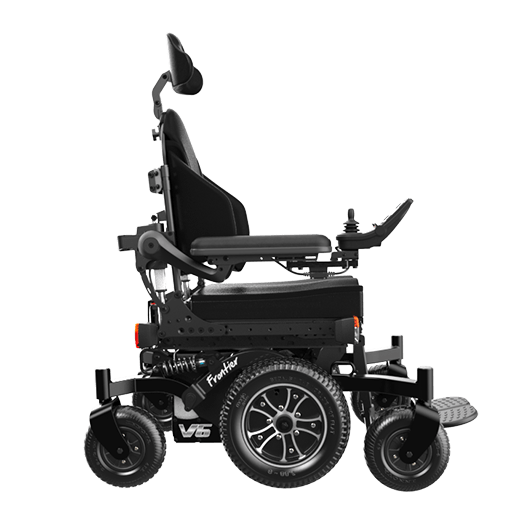
Veterans and government programs
If you or a family member is a veteran, get the VA involved.
- VA benefits: Veterans with service-connected or qualifying conditions may receive durable medical equipment, including power wheelchairs.
- State vocational rehab: May fund mobility aids if they help return to work or education.
- Local service agencies: County or city programs sometimes provide grants or temporary loans.
How to get funding for an electric wheelchair often includes contacting veteran service officers or case managers early.
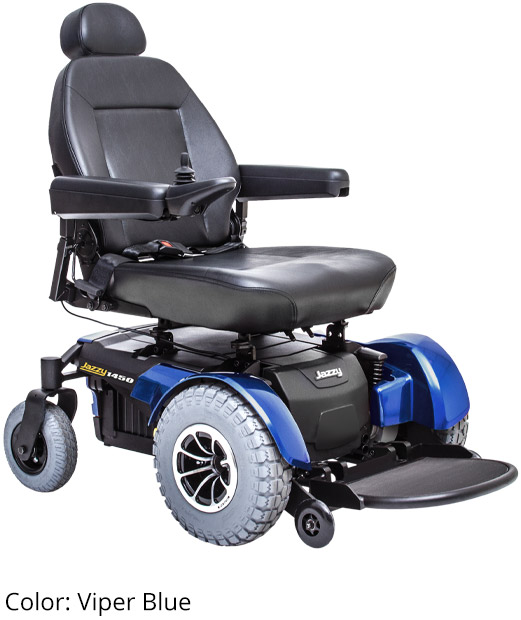
Nonprofits, grants, and community help
Nonprofits can be a major help when insurance falls short.
- National charities: Some provide grants or vouchers for mobility devices.
- Local organizations: Churches, rotary clubs, and community foundations sometimes help in emergencies.
- Disease-specific groups: Organizations for MS, ALS, spinal cord injury, and others may have equipment programs.
- Manufacturer assistance programs: Some brands offer discounts or demo units through patient assistance.
Apply to multiple programs. Small grants add up and can cover gaps in insurance coverage.
Crowdfunding, loans, and financing options
When other routes fall short, these options help get a chair sooner.
- Crowdfunding: Use clear stories, photos, and updates. Promote via social media.
- Supplier financing: DME companies often offer payment plans.
- Personal loans or credit: Use only if you can handle monthly payments.
- Low-income loans or community funds: Check local credit unions or nonprofits for low-interest options.
Weigh interest and fees. Crowdfunding can raise funds fast but may fall short of full cost.
What to do if your claim is denied
Denials are common. A good appeal often wins.
- Request a written explanation of denial. Understand the reason.
- Gather new evidence. Add specialist letters or therapy notes.
- File the insurer’s appeal and follow timelines exactly.
- Consider external review. Some states offer independent review for disputes.
- Get help from patient advocates or an attorney for complex cases.
Persistence matters. Many appeals succeed after strong, clear documentation.
Timeline and realistic expectations
The path can take weeks to months. Expect these rough timeframes.
- Initial evaluation and prescription: 1–2 weeks.
- Supplier assessment and prior authorization: 2–8 weeks.
- Insurance decision: 2–12 weeks.
- Appeals process: another 4–12 weeks or longer.
Plan for delays. Meanwhile, arrange temporary mobility solutions if needed.
Common mistakes and tips to avoid them
Avoid delays with simple habits.
- Mistake: Poor documentation. Tip: Get clear, specific medical notes and a complete prescription.
- Mistake: Using an inexperienced supplier. Tip: Choose a supplier that works with insurers often.
- Mistake: Missing appeal deadlines. Tip: Track dates and set reminders.
- Mistake: Relying on one funding source. Tip: Apply to multiple sources at once.
How to get funding for an electric wheelchair is easier when you plan ahead and stay organized.
Personal experience: lessons from real cases
I worked with clients who needed power wheelchairs for years. One client had several denials at first. We added a detailed therapists’ report and a video showing limits. The insurer approved on appeal. Another family combined a small grant, crowdfunding, and a supplier loan to close the gap. The key was clear evidence and keeping all options open.
What I learned
- Start early. Insurance takes time.
- Use video. It shows lived need better than words.
- Keep calm and organized. Paperwork wins.
Costs, coverage limits, and what to expect financially
Electric wheelchairs vary widely in price. Expect the following:
- Basic power chairs: lower-cost models to mid-range models.
- Complex chairs: custom seating, tilt-in-space, and heavy-duty frames add cost.
- Accessories: power recline, cushions, and batteries add to the price.
Insurance may cover only specific brands or models. Out-of-pocket costs often remain. Ask for a full price quote and a statement of benefits before ordering.
Frequently Asked Questions
How long does it take to get approval for an electric wheelchair?
Approval times vary. Initial reviews often take 2–12 weeks, and appeals can add months. Start early and track all deadlines.
Can Medicare cover an electric wheelchair?
Yes, Medicare can cover a power wheelchair if strict medical criteria are met and an enrolled supplier documents need. Expect prior authorization and detailed paperwork.
What documentation do insurers want for a power wheelchair?
Insurers want a physician letter, prescription, therapy notes, and evidence of daily mobility limits. Videos and functional tests strengthen your case.
Can nonprofits pay for an electric wheelchair?
Yes. Many nonprofits, foundations, and disease-specific groups offer grants or equipment loans. Apply to several programs for best results.
Is crowdfunding a good idea to fund an electric wheelchair?
Crowdfunding can work fast and build community support. It is best as part of a mix of funding sources, not the only plan.
How to get funding for an electric wheelchair if my claim is denied?
File an appeal with new evidence and specialist letters. Consider independent review and ask a patient advocate for help. Persistence often pays off.
Conclusion
Getting funding for an electric wheelchair takes patience, clear documentation, and smart strategy. Start with a strong medical evaluation, work with an experienced supplier, and apply to multiple funding sources. If you face a denial, appeal with better evidence and stay persistent. Take action today: gather your medical records, contact a trusted supplier, and start applications. Share your progress or ask questions below — your next step toward mobility could begin now.

Michael Reynolds is a senior contributor at RetirementGazette.com, where he focuses on helping readers navigate the journey toward a secure and fulfilling retirement. With over a decade of experience in personal finance, retirement planning, and lifestyle writing, Michael combines practical strategies with easy-to-understand guidance tailored for both pre-retirees and those already enjoying their golden years.