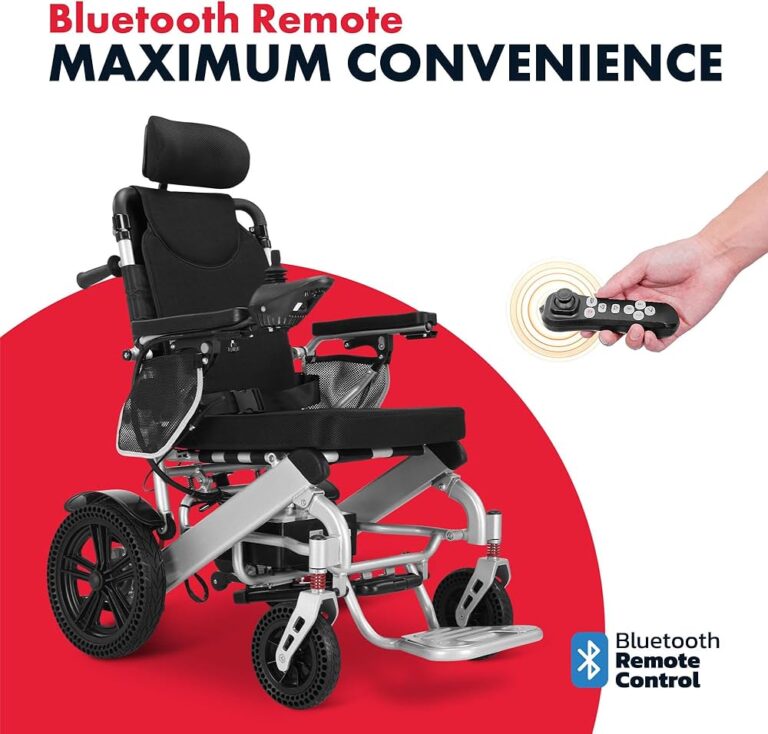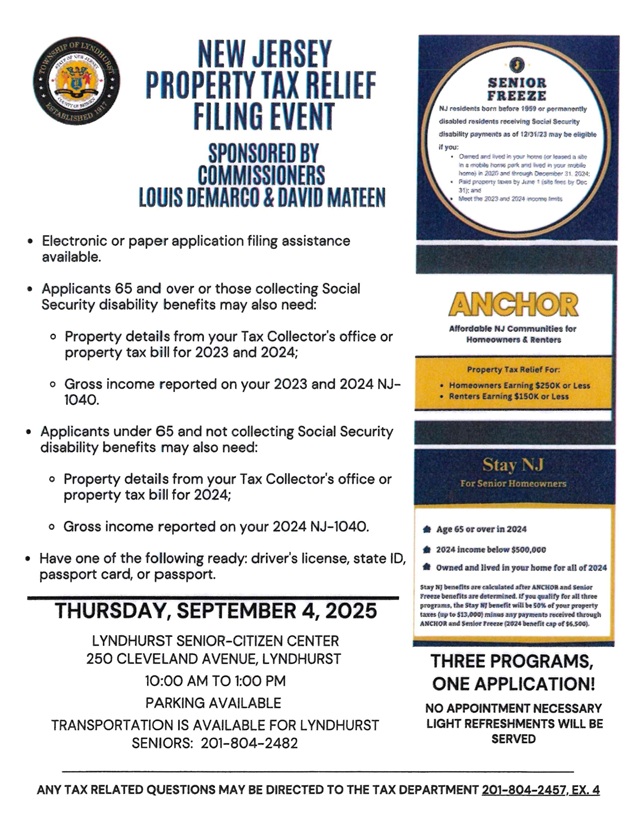
You can often get a free electric wheelchair through insurance, Medicare, Medicaid, nonprofits, or manufacturer programs.
I have worked with mobility aids for years and helped many people navigate how to get a free electric wheelchair. This guide explains the steps, eligibility rules, and real-world tips so you can pursue the right path with confidence. Read on for a clear roadmap, useful examples, and practical advice based on experience helping clients secure mobility equipment.

Understanding eligibility and your options
Getting a free electric wheelchair depends on your medical need, insurance, and where you live. The main routes are Medicare, Medicaid, private insurance, veteran benefits, nonprofit grants, and manufacturer assistance. Each path has rules about who qualifies and what documentation you need. Learn the differences to decide where to apply first.
- Medicare typically covers power wheelchairs if you meet strict medical rules and a face-to-face evaluation is done.
- Medicaid programs vary by state and can cover more types of electric wheelchairs for low-income adults and children.
- Private insurance plans may cover durable medical equipment but often need prior authorization.
- Veteran benefits and VA medical centers can provide mobility devices for eligible veterans.
- Nonprofit organizations and community programs give grants or donations for people who cannot get coverage.

Common eligibility questions (brief answers)
Who qualifies under Medicare?
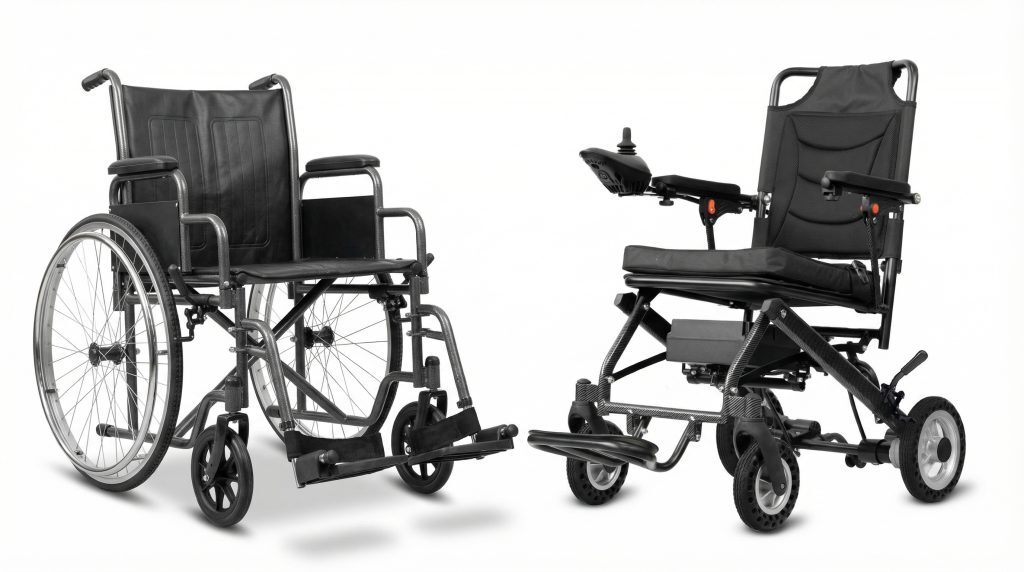
Medicare covers power wheelchairs if a physician documents that you cannot use a manual wheelchair and need a power chair for indoor mobility or to leave the home.
Can children get a free electric wheelchair?
Yes. Medicaid and some nonprofit programs cover children when a clinician documents medical necessity and mobility needs.

How Medicare and insurance work
If you have Medicare Part B, a power wheelchair may be covered as durable medical equipment. The process includes a doctor’s written order, a face-to-face exam, and a supplier who is enrolled with Medicare. Expect documentation proving mobility limitations and how a power wheelchair meets your needs.
- Get a detailed prescription from your doctor stating diagnosis and functional limits.
- Schedule a face-to-face evaluation with the clinician who documents your need.
- Choose a Medicare-approved supplier that handles billing and delivery.
Medicare requires proof that a power wheelchair is medically necessary. This often means showing that a manual chair does not let you leave the home or move safely. If denied, you can request a review or appeal to an administrative law judge.

Medicaid and state programs
Medicaid covers many people who cannot afford private insurance. Each state sets rules about models, features, and approvals for power wheelchairs. Contact your state Medicaid office to learn the local process and paperwork.
- Ask your caseworker for the durable medical equipment process.
- Obtain medical documentation and mobility assessments.
- Be ready for possible wait times and appeals.
Some states run waiver programs that expand access to home and community-based services, including power wheelchairs. These often have long waiting lists but are a strong route for long-term support.

Nonprofit organizations and charity programs
Many nonprofits help people who need mobility devices but lack coverage. These groups award grants, connect donors, or run recycled equipment programs. They can be faster than government programs but often have limited funding.
- Search national and local mobility charities for grant cycles.
- Look for community-based groups that refurbish donated power chairs.
- Apply to multiple programs; have medical records ready.
I once helped a client secure a donated power wheelchair from a local nonprofit by providing a simple referral letter from a therapist. Persistence and clear documentation made the difference.

Manufacturer assistance, trials, and loans
Manufacturers and medical equipment suppliers sometimes offer trial units, loaner programs, or discounts. This can be a short-term solution while you wait for coverage decisions. Some companies also run hardship programs for low-income buyers.
- Ask suppliers about loaner or demo units for trial use.
- Check manufacturer patient assistance programs for discounts or donations.
- Keep records of trials and evaluations to support insurance claims.
A useful tip from experience: always get the trial documented in writing. That note helps later when you submit claims or appeal denials.
How to apply step-by-step
Follow a clear process to improve your chances of success. This structure helps when dealing with insurers, state agencies, or charities.
- Get medical documentation
- Ask your doctor or therapist for a detailed order and narrative that explains how a power wheelchair meets your daily needs.
- Identify potential payers
- Check Medicare, Medicaid, private insurance, VA, nonprofits, or manufacturer programs.
- Choose an approved supplier
- Use suppliers who know billing rules. They can help submit claims.
- Submit applications and appeals
- Keep copies of everything. If denied, file an appeal quickly and add new evidence.
- Explore short-term options
- Use loaner programs or charities while waiting for formal approval.
This step plan makes the process less stressful. It also increases the chance you will get a free electric wheelchair through the right channel.
Documentation, assessments, and common mistakes
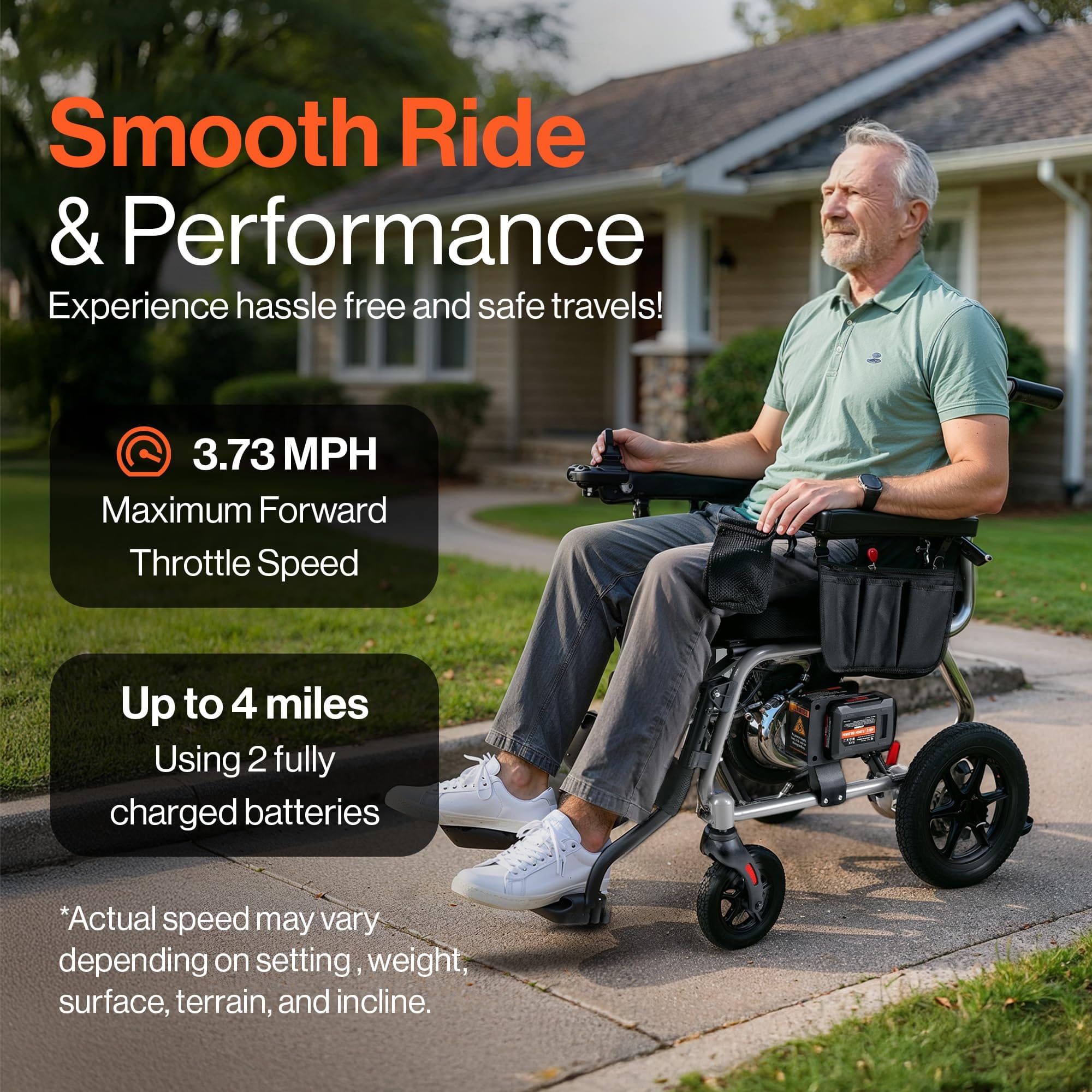
Good paperwork matters. Clear, focused medical notes speed approvals. Missing or vague documentation causes delays and denials.
- Essential items to include
- Doctor’s prescription and detailed narrative
- Functional mobility assessment (OT/PT notes)
- Face-to-face exam records
- Prior equipment history and trial notes
- Common mistakes
- Using a supplier who is not in-network
- Submitting incomplete medical evidence
- Missing appeal deadlines
From my work, I learned to always ask for narrative notes rather than just a checkbox. Therapists who write short stories about daily barriers get better outcomes.
Cost-saving tips and alternatives
If a fully free electric wheelchair is not available right away, consider lower-cost alternatives or supports. These options help you stay mobile sooner.
- Power add-ons and power-assist wheels can convert manual chairs more affordably.
- Refurbished power wheelchairs cost much less than new models.
- Local community programs sometimes rent or loan chairs for a small fee.
- Explore crowdfunding or local fundraising for urgent needs.
I once saw a client use a power-assist system while waiting months for Medicaid approval. It was not perfect, but it restored independence fast.
Personal experience and lessons learned
I have guided families through insurance battles, appeals, and nonprofit applications for mobility gear. The biggest lessons are patience and documentation. Simple, clear notes from clinicians win the day.
- Be persistent. Most approvals take time.
- Build a folder with all medical records and supplier quotes.
- Ask helpers for written guidance and timelines.
A close case taught me to track every call and email. When an appeal came, that log made the difference and led to approval within weeks.
Frequently Asked Questions of How to get a free electric wheelchair
What is the first step to get a free electric wheelchair?
Start by asking your primary care doctor or therapist for a written order and mobility assessment that states why a power wheelchair is medically necessary.
Will Medicare pay for a free electric wheelchair?
Medicare Part B can cover a power wheelchair if strict medical criteria are met and documentation, including a face-to-face exam, supports the need.
Can Medicaid provide a free electric wheelchair?
Yes. Medicaid programs often cover power wheelchairs but rules and covered models vary by state and require clinical proof of need.
Are there charities that give away electric wheelchairs?
There are charities and nonprofits that grant or donate used and new electric wheelchairs to people in need. You must apply and provide medical documentation.
What if my insurance denies coverage for a power wheelchair?
If denied, you can file an appeal and submit additional medical evidence, therapist notes, and documentation of functional limits to support your case.
Can veterans get a free electric wheelchair?
Eligible veterans can get mobility devices through VA benefits and VA medical centers, but approval depends on service-related conditions and clinical need.
Conclusion
Getting a free electric wheelchair is often possible with the right documentation, persistence, and help from clinicians, suppliers, nonprofits, or government programs. Start with a clear medical order, explore Medicare, Medicaid, private insurance, and charity options, and keep detailed records during the process. Take action today: collect your medical notes, contact potential payers, and apply to at least two programs. Share your experience, ask questions, or subscribe for updates so you can move forward with confidence.

Michael Reynolds is a senior contributor at RetirementGazette.com, where he focuses on helping readers navigate the journey toward a secure and fulfilling retirement. With over a decade of experience in personal finance, retirement planning, and lifestyle writing, Michael combines practical strategies with easy-to-understand guidance tailored for both pre-retirees and those already enjoying their golden years.