The best way to find home care for seniors is to assess needs, compare trusted providers, and check costs before choosing.
Finding home care for seniors can feel like a major family decision. You want your loved one to stay safe, comfortable, and independent at home, but you may not know where to begin. The right plan depends on health needs, daily tasks, budget, location, and the senior’s personal wishes. This guide explains how to find home care for seniors with clear steps, useful questions, cost tips, and warning signs to watch for.

What Home Care for Seniors Means
Home care for seniors is support provided in a person’s home. It may include help with bathing, dressing, meals, medication reminders, housework, errands, or companionship.
Some seniors need only a few hours of help each week. Others may need daily care or support around the clock. Home care can also include skilled medical services ordered by a health care provider.
The term “home care” covers several types of support:
• Nonmedical personal care, such as bathing and dressing
• Homemaker services, such as laundry and meal preparation
• Companion care, such as conversation and walks
• Respite care, which gives family caregivers a break
• Skilled home health care, such as nursing, physical therapy, or wound care
• Dementia care for people living with Alzheimer’s disease or another form of dementia
Home care is different from assisted living or a nursing home. With home care, the senior remains in a familiar setting. However, home care may not be enough when a person needs constant medical monitoring or has complex safety needs.

Start With a Care Needs Assessment
Before you search for providers, write down what help the senior needs. This prevents families from choosing care based only on price or a quick online search.
Think about a normal day. Ask what the senior can do alone and where help is needed.
Review daily activities
Common areas to assess include:
• Getting in and out of bed
• Bathing, grooming, and using the toilet
• Dressing and walking
• Preparing and eating meals
• Taking medicines on time
• Shopping and running errands
• Cleaning and doing laundry
• Managing money and appointments
• Using a phone or emergency alert system
• Staying safe at night
Also note memory changes, falls, mood changes, and problems with driving. These details help you choose the right level of care.
Ask a health professional for input
A primary care doctor, nurse, hospital discharge planner, or social worker can help explain the senior’s needs. Ask whether the person needs skilled nursing, therapy, medication support, fall prevention, or dementia care.
A formal assessment may be available through a local Area Agency on Aging. These agencies can often explain community services, benefits, and caregiver programs.
One lesson I have learned from helping families think through care is that they often focus on chores first. Safety and health needs should come first. A clean kitchen matters, but preventing a fall or missed medication may matter more.

Decide Which Type of Home Care Is Needed
The best way to find home care for seniors is to match the service to the actual need. A caregiver who provides companionship may not be qualified to manage complex medical tasks.
Nonmedical home care
Nonmedical caregivers can help with daily living and household tasks. Services may include:
• Bathing and dressing
• Meal preparation
• Light housekeeping
• Laundry
• Grocery shopping
• Transportation to appointments
• Walking and exercise support
• Conversation and companionship
• Respite for family caregivers
This type of care is common for seniors who are mostly stable but need help staying independent.
Skilled home health care
Skilled home health care is usually provided by licensed professionals. Services may include:
• Nursing visits
• Physical therapy
• Occupational therapy
• Speech therapy
• Wound care
• Injections or medical treatments
• Care after surgery or hospitalization
A doctor or other authorized provider generally must order skilled home health services. Insurance rules vary, so confirm coverage before care begins.
Live-in and overnight care
Some seniors need help during the night or for long periods. Ask providers to explain what “live-in care” means. A live-in caregiver may need sleep and breaks, so this arrangement is not always the same as continuous care.
If the senior needs active supervision every hour, you may need several caregivers working in shifts. This costs more but can be safer for people with wandering, frequent falls, or serious medical needs.
Dementia and memory care at home
Dementia care requires more than friendly company. Caregivers should understand confusion, wandering, mood changes, personal care resistance, and communication problems.
Ask whether caregivers receive dementia training. Also ask how the agency handles unsafe behavior, emergencies, and changes in the senior’s condition.

How to Find Home Care for Seniors Step by Step
Once you understand the care needs, use a simple search process. Taking one step at a time can make the decision less stressful.
1. Ask for trusted referrals
Start with people and organizations that know local care options. You can ask:
• The senior’s doctor or clinic
• A hospital social worker
• A local Area Agency on Aging
• A senior center
• A faith community
• Friends and relatives
• An elder law attorney
• A disease-specific support group
Online reviews can help, but do not rely on them alone. A referral is a starting point, not proof that a provider is safe or qualified.
2. Search for local agencies
Use search terms that include your city or county, such as “home care for seniors in Austin” or “licensed home care agency near me.” Check whether the agency is licensed or registered under your state’s rules.
State requirements differ. Some states regulate home care agencies closely, while others have different standards for nonmedical caregivers. Confirm the rules with your state health department or licensing office.
3. Compare at least three providers
Contact several agencies before making a choice. Ask each provider for clear answers about services, rates, minimum hours, caregiver screening, and backup plans.
A written comparison can include:
• Hourly rate
• Minimum visit length
• Weekend and holiday fees
• Deposit or setup fees
• Caregiver qualifications
• Agency response time
• Cancellation rules
• Availability in your area
• Insurance and bonding
• Replacement caregiver policy
• Care plan review process
Do not choose an agency only because it has the lowest price. A low rate may come with fewer services, less training, or a high caregiver turnover rate.
4. Interview the agency
Ask to speak with a care coordinator or manager. Explain the senior’s health, routine, personality, and preferences.
Useful questions include:
• How do you assess a new client?
• How do you match caregivers with seniors?
• Are caregivers employees or independent contractors?
• Do you check criminal history and references?
• Do you verify training and certifications?
• Are caregivers insured and bonded?
• How do you handle missed shifts?
• What happens if the caregiver and senior are not a good match?
• How do you report a fall, injury, or change in health?
• Can the agency provide care on weekends and holidays?
• How often do you update the care plan?
A professional agency should answer clearly. Be cautious if staff avoid questions, rush you to sign, or will not provide written terms.
5. Meet the caregiver before care starts
If possible, arrange an introduction with the senior, family, and caregiver. Notice how the caregiver speaks to the senior. Respect, patience, and warmth matter as much as task skills.
Ask the caregiver about experience with the senior’s needs. The senior should have a voice in the choice, unless a legal representative must make the decision.
6. Start with a trial period
A short trial period can reveal problems that an interview misses. Set a review date after the first week or two.
Ask the senior:
• Do you feel safe?
• Does the caregiver listen?
• Are tasks completed as planned?
• Do you feel respected?
• Is the schedule working?
Also ask family members whether communication is smooth. Small concerns are easier to fix early.

How to Choose Between an Agency and a Private Caregiver
Families often choose between a home care agency and a caregiver hired directly. Each option has benefits and risks.
Home care agency
An agency usually handles recruiting, scheduling, payroll, and caregiver replacements. It may also provide supervision and a care manager.
Benefits can include:
• A backup caregiver when someone is sick
• Help with payroll and taxes
• Screening and background checks
• A formal complaint process
• Easier scheduling
The main limitation is cost. Agency rates are often higher because they include administration, insurance, training, and other business expenses.
Private caregiver
Hiring a caregiver directly may give the family more control. It may also cost less per hour. However, the family may become responsible for:
• Employer taxes
• Workers’ compensation rules
• Background checks
• Insurance
• Scheduling
• Backup coverage
• Performance concerns
• Legal compliance
The Internal Revenue Service may consider a regular household caregiver an employee rather than an independent contractor. Get tax advice before hiring directly.
A common mistake is to treat a private caregiver as an informal helper without a written agreement. A clear contract should describe pay, duties, schedule, sick days, notice, privacy, and emergency procedures.
Check Caregiver Qualifications and Safety
A strong home care plan protects the senior and the caregiver. Screening should be thorough, especially when someone will enter the home regularly.
Ask whether the agency completes:
• Identity verification
• Criminal background checks
• Reference checks
• Work history checks
• Driving record checks when transportation is provided
• License or certification checks
• Health and safety training
For a caregiver who handles medications, ask exactly what they may do. In many states, a nonmedical caregiver can remind a senior to take medicine but cannot give medical advice or change a dose.
The home should also be checked for common hazards. Look for loose rugs, poor lighting, cluttered walkways, unstable chairs, and missing bathroom supports. The Centers for Disease Control and Prevention recommends fall prevention steps such as improving lighting, removing tripping hazards, and reviewing medicines with a health professional.
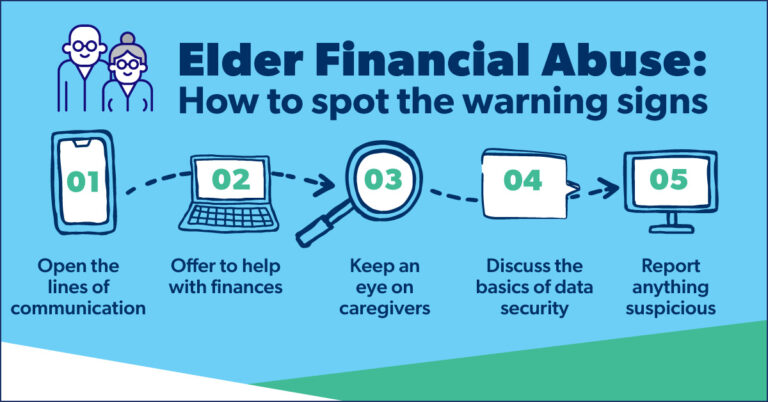
Protect financial and personal information. Do not give a caregiver unrestricted access to bank accounts, credit cards, or passwords. If errands require purchases, use a small cash limit, receipts, or a prepaid card.

Understand Home Care Costs and Payment Options
The cost of home care for seniors depends on location, service type, schedule, and caregiver training. Hourly care is common, but agencies may have minimum shifts. Overnight, holiday, and live-in care may cost more.
Before signing, request a written estimate. Ask whether the rate includes:
• Care planning
• Supervision
• Transportation
• Weekend visits
• Holiday visits
• Supplies
• Mileage
• Caregiver replacement
• Nurse assessments
Medicare generally does not pay for ongoing custodial care, such as long-term help with bathing or meals, when that is the only service needed. Medicare may cover certain part-time skilled home health services when eligibility rules are met.
Medicaid may cover some home and community-based services for eligible people. Rules differ by state, income, assets, and functional needs. Long-term care insurance may also help, depending on the policy.
Other possible resources include:
• Veterans benefits and caregiver programs
• State or county aging services
• Area Agency on Aging programs
• Employer or union benefits
• Nonprofit grants
• Family caregiver support programs
Ask for the payment rules in writing. A provider should explain what happens if insurance denies a claim or the care schedule changes.
Create a Written Care Plan
A care plan gives everyone the same map. It should be simple enough for a caregiver to use during a busy day.
Include:
• The senior’s name and emergency contacts
• Medical conditions and allergies
• Doctor and pharmacy information
• Daily routines
• Bathing and dressing preferences
• Meal needs and food allergies
• Mobility limits
• Fall risks
• Medication reminders
• Transportation rules
• Tasks the caregiver must not perform
• Warning signs that require a call
• What to do during an emergency
Respect the senior’s privacy and independence. The goal is not to control every minute. The goal is to add support where it is needed.
Review the plan after a fall, hospital stay, new diagnosis, medication change, or major shift in mood or memory. A care plan should grow with the person’s needs.
Watch for Warning Signs
Most caregivers want to help, but families should still monitor care. Seniors may be afraid to complain because they do not want to lose their caregiver.
Warning signs may include:
• Unexplained bruises or injuries
• Sudden weight loss
• Missed medicines
• Poor hygiene
• Unpaid bills or missing money
• A fearful or withdrawn mood
• Frequent caregiver absences
• New unexplained confusion
• A home that becomes unusually unsafe or dirty
• Pressure to change a will or financial account
Talk with the senior privately when possible. Ask open questions instead of blaming the caregiver. If you suspect abuse, neglect, or exploitation, contact Adult Protective Services or emergency services when there is immediate danger.
Keep a simple care log. Record visits, meals, medication reminders, falls, symptoms, and concerns. This record can help the family notice patterns and share accurate information with health professionals.
Tips for a Successful Home Care Arrangement
Good care depends on communication. Treat the caregiver as part of a care team, while keeping the senior at the center of decisions.
Helpful habits include:
• Hold a short family check-in each week
• Use one shared notebook or secure care app
• Give instructions in writing
• Tell the caregiver about changes early
• Respect cultural, language, food, and religious needs
• Set clear boundaries about visitors and phone use
• Thank caregivers for good work
• Address problems quickly and calmly
• Reassess care every few months
One practical lesson is to avoid making the care plan too ambitious at first. Begin with the most important tasks, then add services as trust grows. A senior may accept help more easily when care feels like support rather than a sudden loss of control.
Family caregivers also need care. Respite visits, support groups, counseling, and help from relatives can reduce stress. The National Institute on Aging notes that caregiver support can help families manage the physical and emotional demands of long-term care.
Frequently Asked Questions About How to Find Home Care for Seniors
How do I find reliable home care for seniors?
Start with referrals from a doctor, hospital social worker, Area Agency on Aging, or trusted community group. Compare at least three providers, check licensing and screening practices, and interview the agency before services begin.
What is the difference between home care and home health care?
Home care usually means nonmedical help with daily tasks, meals, errands, and companionship. Home health care involves skilled services, such as nursing or therapy, and often requires an order from a medical provider.
How much does home care for seniors cost?
Rates vary by state, city, service type, schedule, and caregiver training. Request a written quote that lists hourly rates, minimum hours, holiday fees, transportation costs, and cancellation rules.
Does Medicare pay for home care for seniors?
Medicare may cover certain short-term skilled home health services when eligibility requirements are met. It usually does not cover long-term custodial help with bathing, meals, or supervision when those are the only services needed.
Should I hire a caregiver through an agency or directly?
An agency may offer screening, scheduling, payroll support, and backup caregivers, but it often costs more. Direct hiring may provide more control and lower rates, but the family may become responsible for taxes, insurance, screening, and replacement care.
How can I tell if a senior needs more care?
Signs include repeated falls, missed medicine, trouble bathing, unsafe cooking, poor nutrition, wandering, or difficulty managing appointments. A doctor or professional care assessment can help determine whether the senior needs more hours or skilled support.
Can home care help someone with dementia?
Yes, trained caregivers can support routines, personal care, meals, companionship, and safety for people with dementia. Ask about dementia training, wandering prevention, communication skills, and how the provider handles behavior changes.
Conclusion
Learning how to find home care for seniors starts with a clear assessment of daily needs. Compare trusted agencies, check caregiver qualifications, understand payment rules, and create a written care plan before services begin.
The right caregiver can make home feel safer without taking away a senior’s independence. Start with one small step today: write down the needed tasks, contact a trusted referral source, and schedule your first provider interview. Explore local aging resources, share this guide with your family, and make the decision together.

Michael Reynolds is a senior contributor at RetirementGazette.com, where he focuses on helping readers navigate the journey toward a secure and fulfilling retirement. With over a decade of experience in personal finance, retirement planning, and lifestyle writing, Michael combines practical strategies with easy-to-understand guidance tailored for both pre-retirees and those already enjoying their golden years.