Use calm steps, good body mechanics, and a chair or gait belt to lift safely.
I have helped many older adults and caregivers learn how to help an elderly person off the floor with care and confidence. This guide explains clear, step-by-step methods, signs to watch for, devices that make lifting safer, and what to do when you need medical help. Read on for practical tips, real-life lessons, and a safety checklist you can use right away.

Why falls happen and the risks for older adults
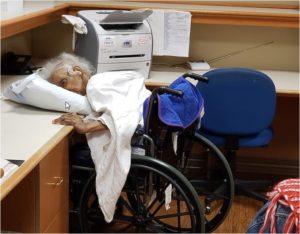
Falls are common with age. Muscles weaken. Balance and vision change. Medications can cause dizziness. Home hazards like loose rugs increase risk.
Understanding why falls happen helps you prevent them. If you know why an older person fell, you can tailor how to help and how to prevent future incidents. Learning how to help an elderly person off the floor includes checking injuries, staying calm, and using support tools.

Immediate steps to take after finding someone on the floor
Check for danger first. Look for sharp edges, spilled liquids, or traffic in hallways. Speak calmly and explain what you will do.
Assess responsiveness. Ask name and date. If they do not respond or cannot breathe, call emergency services right away. If they are awake, ask about pain and where it hurts.
Keep them warm and still if injury is likely. If the person has severe pain or obvious broken bones, do not move them. When safe, use slow, guided movements to help. These first steps form the base of how to help an elderly person off the floor.
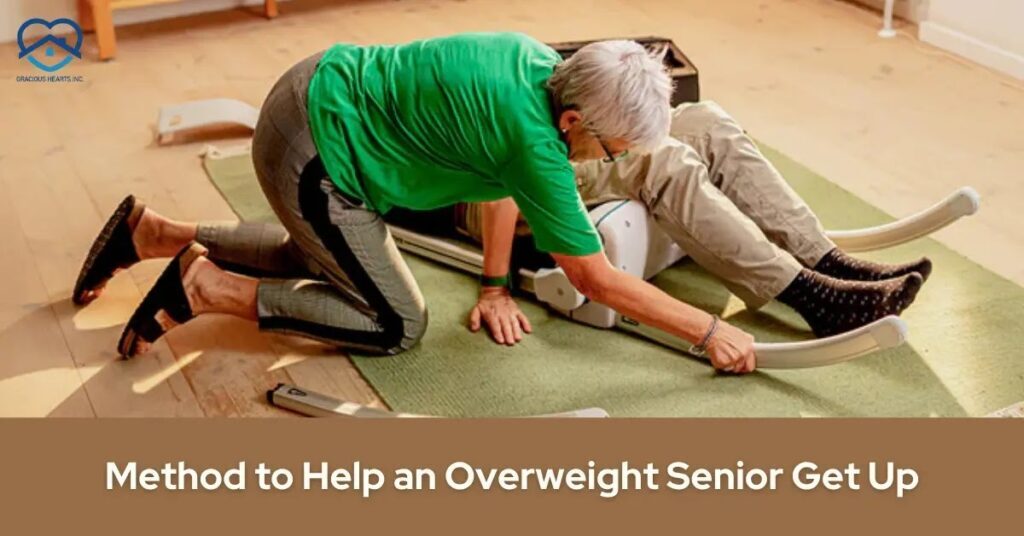
Step-by-step method to help an elderly person off the floor safely
- Stay calm and explain each step.
- Talk through what you will do. Simple words and a steady voice help.
- Check for injuries.
- Look for bleeding, deformity, and pain. Ask where it hurts.
- Roll onto their side if needed.
- Use your knees to support their back. Move slowly.
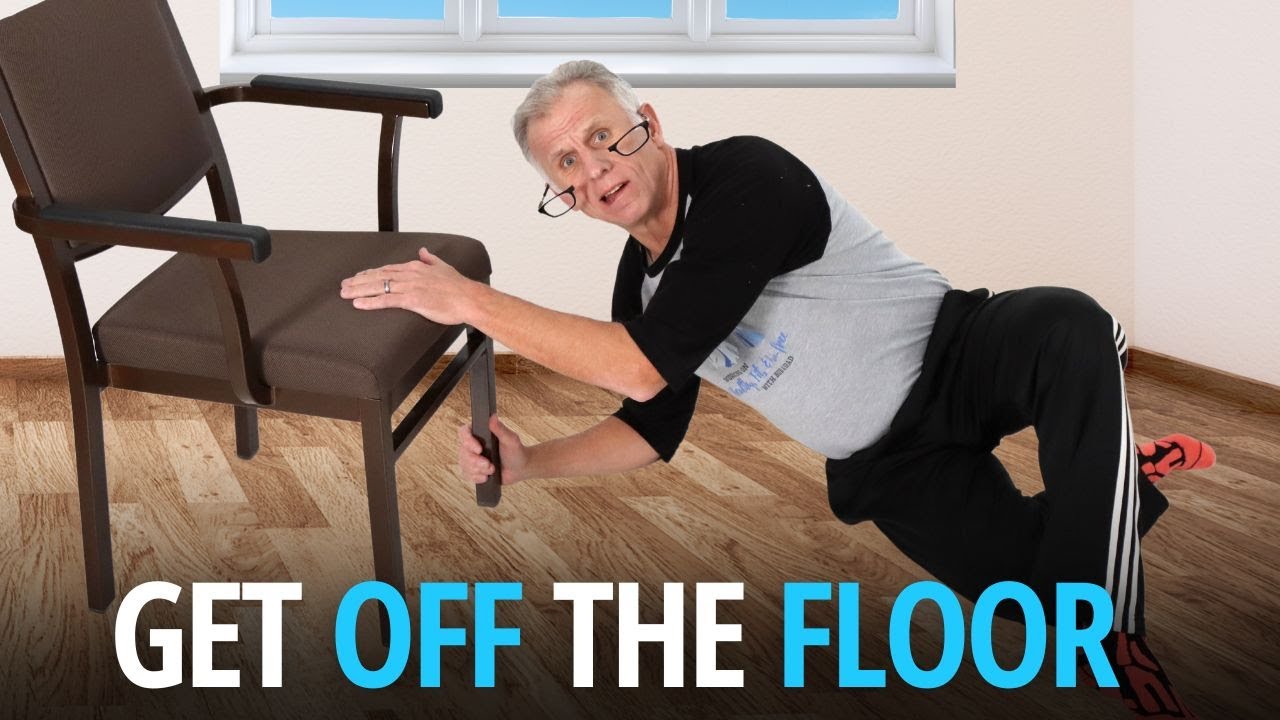
- Use a sturdy chair or low surface.
- Place a chair near them and guide them to kneel beside it.
- Use a gait belt or scarf around the waist.
- Hold the belt at the sides. Avoid lifting by the arms only.
- Use a controlled push from knees to stand.
- Ask them to push with their hands on the chair. You assist at the belt.
- Pivot slowly and let them sit.
- Move feet, not body. Sit them down gently.
- Reassess after sitting.
- Check color, breathing, and pain. Offer water and support.
If the person is heavy or frail, ask for help from another trained caregiver. These steps show practical ways of how to help an elderly person off the floor with safety in mind.

Assistive devices and tools that make lifting safer
Gait belt
- Gives you a secure hold around the waist. Use it on most non-injured adults.
Transfer board
- Bridges from floor to chair. Reduces need for lifting.
Sliding sheet
- Lowers friction for moving someone. Requires two people for best results.
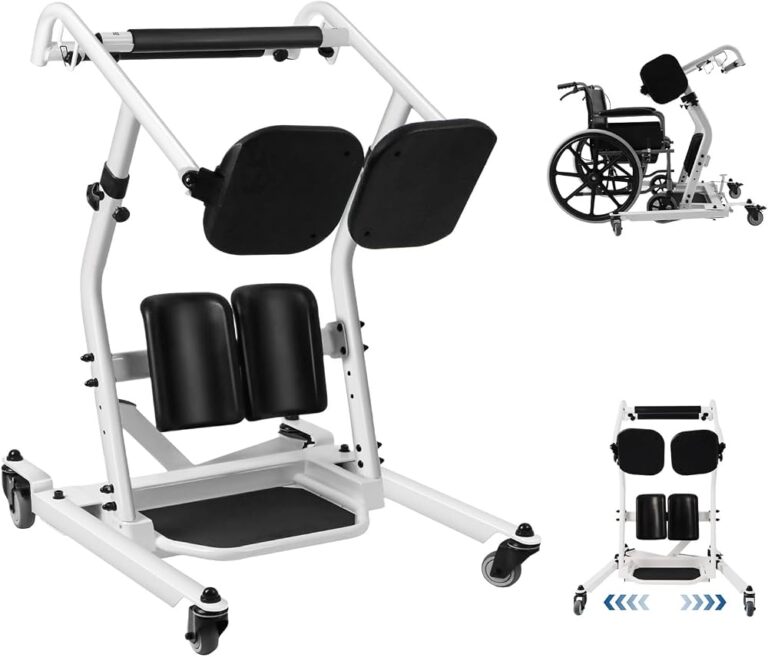
Mechanical lift (Hoyer lift)
- Best for caregivers in homes and facilities. Use with training.
Lift chair or recliner
- Helps the person sit and stand with less effort. Useful long term.
Using these tools reduces strain and risk. Train with a professional before using a device. Knowing how to help an elderly person off the floor safely includes choosing the right tool.
When to call for medical help
Call emergency services if the person is unconscious, bleeding badly, has neck or spine injury signs, or cannot move a limb. Also call if you suspect a head injury or stroke.
If pain is severe or the person is faint or confused after standing, seek urgent care. When in doubt, call for professional help. Getting help quickly protects health and can prevent further injury when you help an elderly person off the floor.

Preventing future falls at home
Remove trip hazards like loose rugs and clutter. Add night lights in hallways and bathrooms. Install grab bars near the toilet and shower.
Review medications with a doctor to reduce dizziness. Encourage regular balance and strength exercises. Arrange for a home safety check. Prevention is a key part of learning how to help an elderly person off the floor.

Personal experience and lessons learned
I once helped an older neighbor who fell while gardening. I stayed calm and asked clear questions. We used a chair and a gait belt. We moved slowly and watched for pain. The neighbor recovered well.
Lessons I learned
- Do not rush. Quick moves cause pain.
- Use a gait belt or another tool. It makes lifting safer.
- Train ahead of time. Practice with a professional if possible.
These real moments taught me practical steps for how to help an elderly person off the floor and keep both caregiver and older adult safe.
Safety checklist to prepare now
- Keep a phone nearby in case of emergency.
- Store a gait belt and sliding sheet where accessible.
- Clear walkways and install grab bars.
- Post emergency numbers and medical info in a visible spot.
- Learn simple lifting techniques from a therapist or nurse.
Run through this checklist monthly. Preparation makes helping easier and safer when a fall happens. It also increases confidence for both the older person and caregiver.
Frequently Asked Questions of How to help an elderly person off the floor
How do I know if I should move someone after a fall?
If the person has severe pain, numbness, or signs of head or spine injury, do not move them. If they are alert and have no serious pain, you can follow safe transfer steps to help them up.
Can one person safely lift an elderly adult from the floor?
One person can help a mobile, cooperative older adult using a gait belt and chair. For heavy or uncooperative adults, wait for help or use a mechanical lift to avoid injury.
What if the elderly person refuses help?
Stay calm and respectful. Offer to call a family member or medical help, and explain the risks of staying on the floor. If they still refuse, monitor them closely and document the situation.
How long should I wait before calling for help after a fall?
Call right away if the person is unconscious, in severe pain, bleeding, or showing confusion. For minor falls with no injury, you can help them up and then seek a medical checkup soon after.
Are home remedies enough after a fall?
Home care can be fine for minor bumps. But if you see swelling, difficulty moving, or ongoing pain, seek professional medical evaluation. A checkup can catch hidden injuries.
Is training necessary to use a Hoyer lift or transfer board?
Yes. Proper training prevents harm to both the caregiver and the older adult. Many home health agencies offer short lessons or demonstrations.
How often should balance exercises be done to reduce falls?
Aim for balance and strength exercises at least two to three times per week. Consistent practice reduces fall risk over time and helps when you need to help an elderly person off the floor.
Conclusion
Helping an older adult from the floor can feel scary. Use calm steps, check for injuries, and pick the right tools. Practice safe lifts and call for help when needed. Start today by preparing a safety checklist, learning simple lifting moves, and consulting a therapist for training. Try one change this week—clear a path, add a night light, or buy a gait belt—and share your experience or questions below.

Michael Reynolds is a senior contributor at RetirementGazette.com, where he focuses on helping readers navigate the journey toward a secure and fulfilling retirement. With over a decade of experience in personal finance, retirement planning, and lifestyle writing, Michael combines practical strategies with easy-to-understand guidance tailored for both pre-retirees and those already enjoying their golden years.