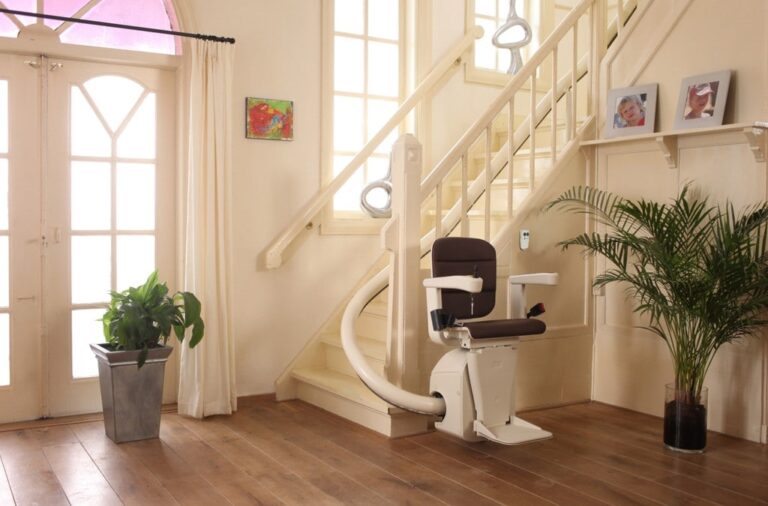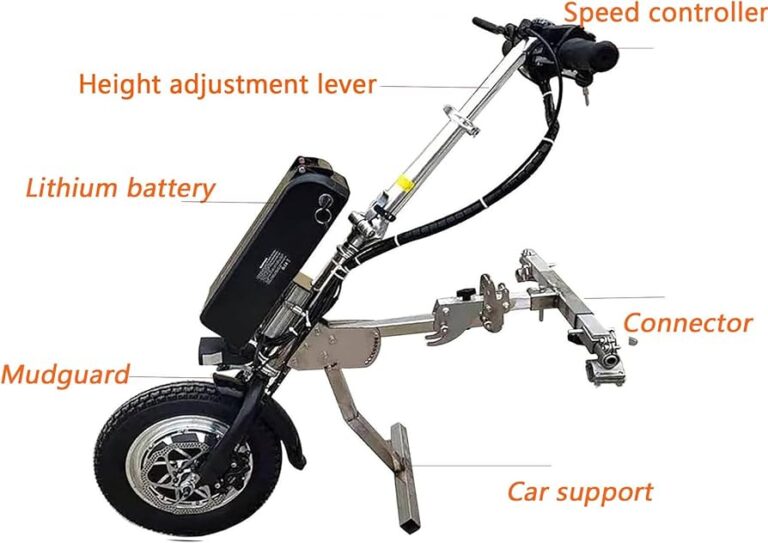
The right garden tool can feel like a steady hand on your shoulder. It lightens each lift. It softens each squeeze. It also turns a big job into a calm joy. For seniors, that calm joy matters. Good tools can ease sore joints. They can protect backs and knees. They can bring color, scent, and fresh food into each day. This guide explores the best gardening tools for seniors and how to use them with ease. It weaves in gentle routines, safety tips, and small wins. If you plan to start gardening after retirement, you are in the right place. Let’s make your garden work smarter, not harder. And let’s make your time outside bright, safe, and full of peace.
Why Gardening Is a Perfect Fit for Seniors
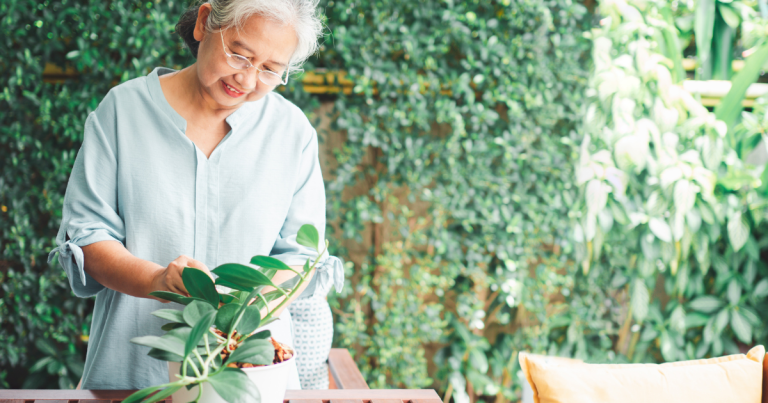
Gardening blends calm and motion. It gives purpose, pride, and fresh air. It also sets a clear frame for each day. You move your body, but in short bursts. You use your mind, but in a kind way. Plants grow at a steady pace, and you can grow with them.
- Gentle exercise supports heart and joint health.
- Sunlight can lift mood and help with sleep.
- Fresh herbs and greens make meals simple and bright.
- The garden can be a social place to share and chat.
Tip: Start small. A few pots or a raised bed are enough. A smart set of tools will do the rest.
How to Choose Senior‑Friendly Gardening Tools
Tools should fit you, not the other way around. Think of a glove that slides on with no squeeze. That is how a good tool should feel in your hand. Look for comfort, balance, and ease. Light power can also help.

Weight and Balance
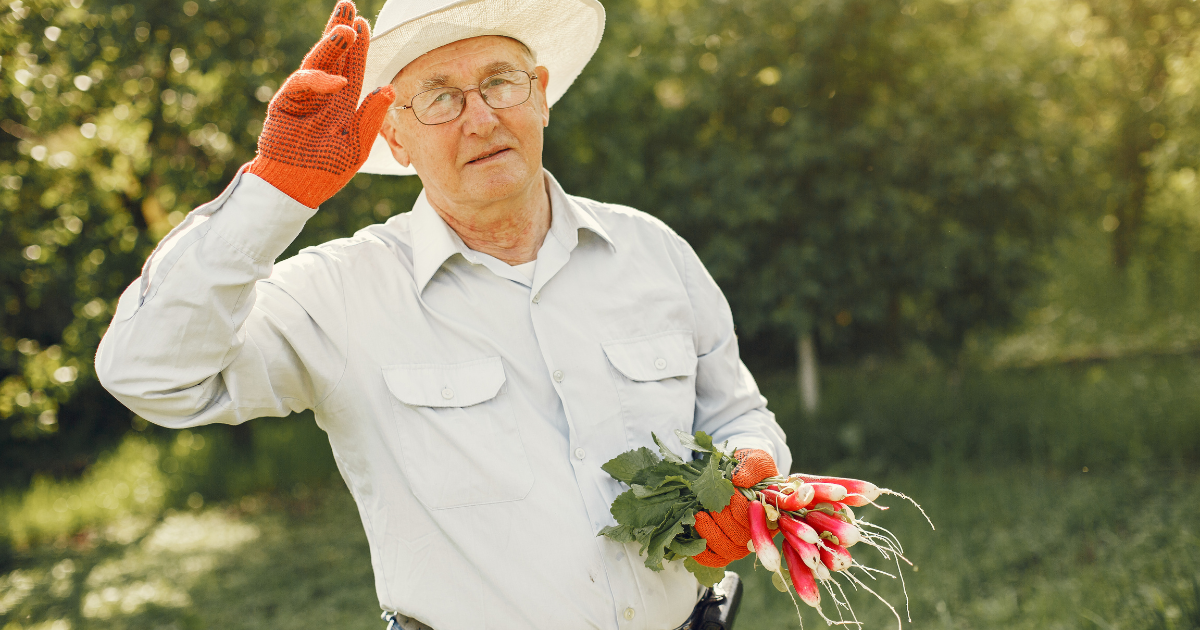
A tool should feel light and even. If it tips your wrist down, choose a different model. Weight adds up across a day, so start as light as you can.
- Carbon steel heads are strong; aluminum and fiberglass handles save weight.
- Try a tool in-store if you can. Lift it. Swing it gently.
- Aim for tools under 1 lb for hand work and under 5 lbs for long tools.
Hand‑Friendly Handles
Your grip should stay neutral. Your wrist should not bend much. Thick, soft handles reduce strain.
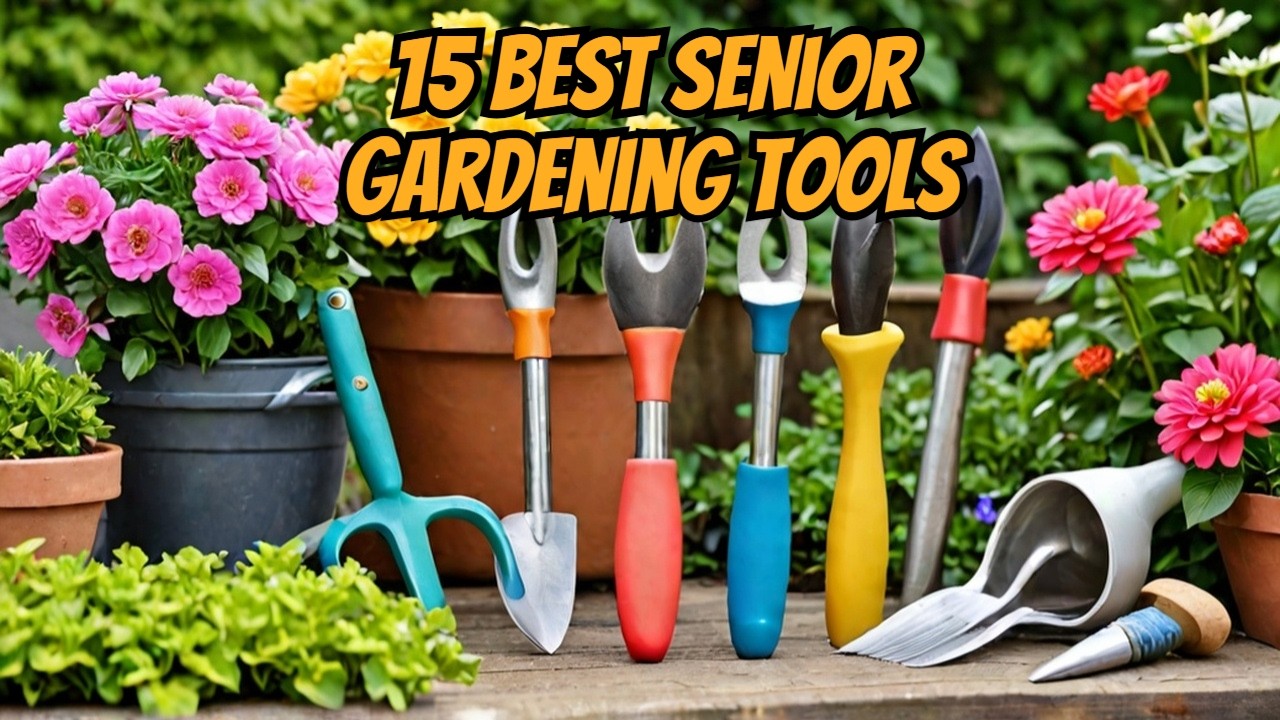
- Look for padded, non-slip grips.
- A handle diameter of about 1.25–1.5 inches suits most hands.
- Add foam pipe wrap or a gel grip if the handle is too thin.
Length and Leverage
Length is power. A long handle reduces bending. It also turns small force into big results.

- Choose telescoping handles for loppers and rakes.
- Long-handled weeders help you work while standing.
- A D‑grip at the top lets you use both hands with ease.
Cut and Clasp: Tool Mechanics
A tool should help, not fight. Features like springs and ratchets can cut the effort in half.
- Ratcheting pruners close in steps, so each squeeze is soft.
- Gear‑driven or compound loppers multiply force.
- A thumb lock that slides easy is worth its weight in gold.
See and Store With Ease
Bright colors help you spot tools in grass or soil. Wide hang holes and tool racks keep gear ready and safe.
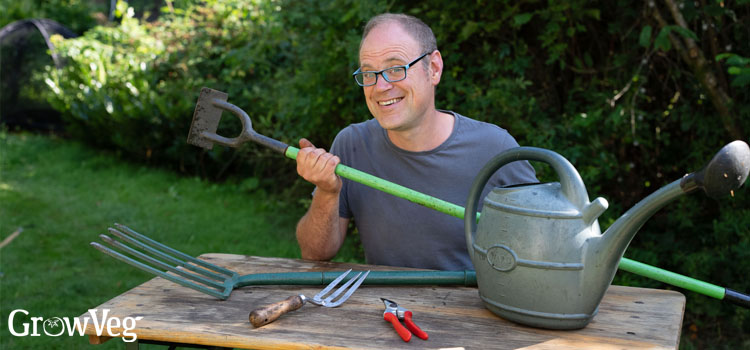
- Choose high‑contrast colors like orange or yellow.
- Use magnetic strips or pegboards at shoulder height.
- Label shelves. Store by task (pruning, weeding, watering).
Power Assist When You Need It
Cordless tools are lighter and calmer than gas. They start with a button. No pull cord. No fumes.
- Look for 20V–56V battery systems with swappable packs.
- Choose brushless motors for longer life and less noise.
- Balance matters. Try the tool and check the center of weight.
Value, Not Just Price
A cheap tool that hurts your hand is not a deal. A good tool lasts and keeps you safe.
- Spend more on daily tools like pruners and trowels.
- Buy once, maintain well, and enjoy for years.
- Ask about lifetime or long warranties.
The Best Gardening Tools for Seniors: Top Picks by Task
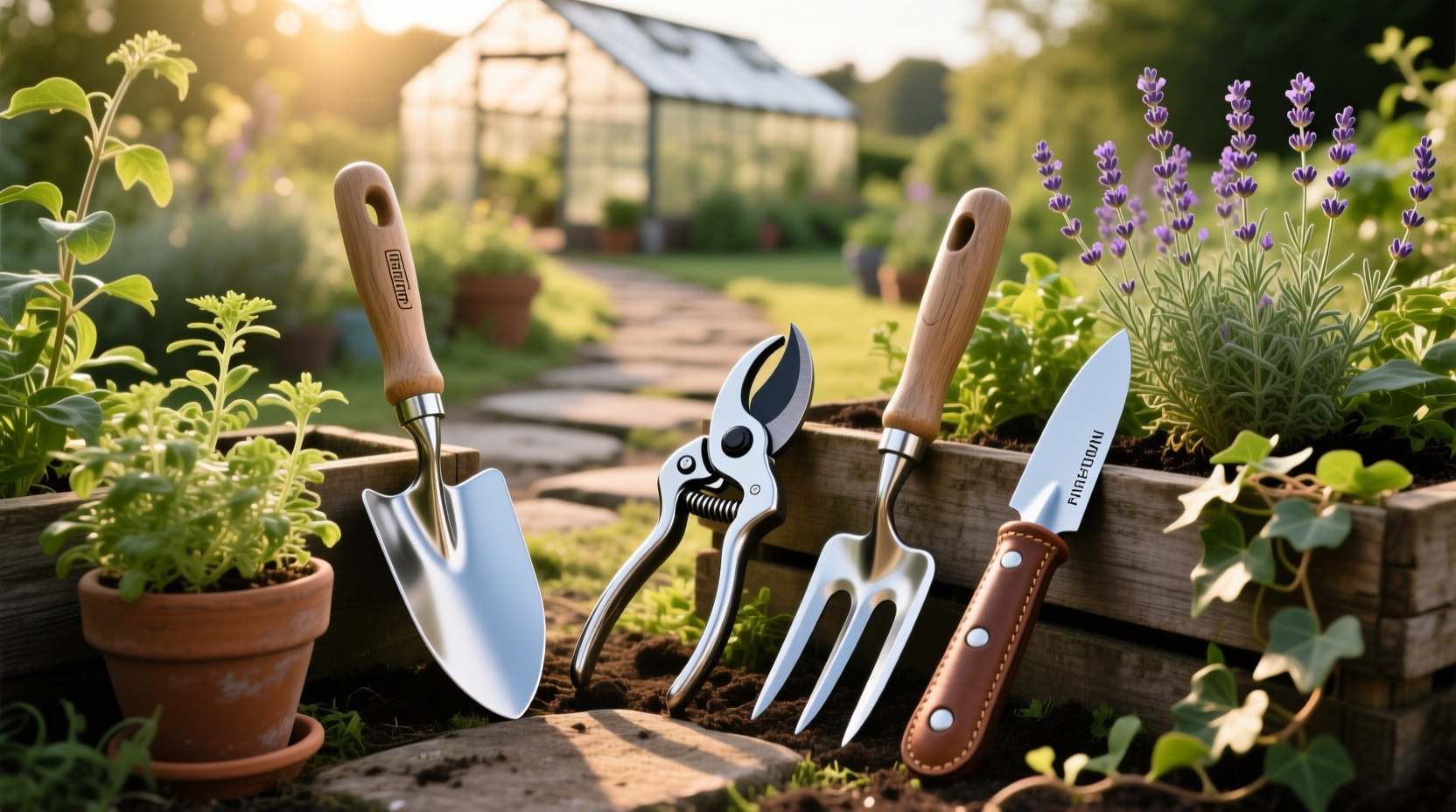
The right tool removes strain. It also adds joy. Here are senior‑friendly picks across common garden jobs.
1) Ratcheting Hand Pruners
These pruners close in steps. You squeeze, they lock, and you squeeze again. It feels like the tool does the work.
- Great for those with arthritis or small hands.
- Clean cuts reduce plant stress.
- Choose bright handles and an easy thumb lock.
Use for: roses, shrubs, light branches up to about 0.75 inches.
2) Lightweight Bypass Pruners with Spring Assist
A bypass pruner acts like scissors. It gives a clean, close cut. A coil spring reopens the jaws with each snip.
- Best for live wood and flowers.
- Look for replaceable blades.
- Choose a model under 8 oz if you can.
Use for: deadheading, shaping, light pruning.
3) Telescoping Loppers with Compound Action
Loppers add reach and power. Telescoping arms help you set the right length and avoid ladders.
- Compound or gear‑drive doubles or triples your force.
- Soft grips protect palms.
- Cut branches up to 1.5–2 inches with less strain.
Use for: fruit trees, hedges, larger shrubs.
4) Long‑Handled Stand‑Up Weeder
A stand‑up weeder grips roots without you bending down. You step on a foot pad, twist, and pull.
- Saves knees and back.
- Works well after rain when soil is soft.
- Choose a model with stainless steel claws for long life.
Use for: dandelions, taproot weeds, lawn and bed weeds.
5) Stirrup (Hula) Hoe
This hoe glides just under the soil. It slices weeds at the neck. Motion is back and forth, like washing a window.
- Very low effort on level beds.
- Use on small weeds for best results.
- Light head and long handle reduce bending.
Use for: vegetable beds, pathways, light weeding on raised beds.
6) Ergonomic Trowel with Wide Grip
A trowel does daily jobs. A wide, soft grip saves wrists. A slightly curved blade moves more soil with less force.
- Look for measurement marks on the blade.
- Stainless steel resists rust.
- A bright handle is easy to spot.
Use for: planting small starts, potting, transplanting.
7) Garden Knife (Hori‑Hori) with Guard
A garden knife digs, cuts, and splits roots. A guard keeps your hand from slipping forward.
- Choose a serrated edge on one side and smooth on the other.
- A sheath on your belt frees both hands.
- Use gently; let the blade do the work.
Use for: dividing perennials, opening bags, planting bulbs.
8) Long‑Handled Cultivator
Three or four tines stir the top inch of soil. This breaks crust and helps water soak in.
- Light and fast for small beds.
- Long handle protects your back.
- Works well after rain or watering.
Use for: aerating, mixing mulch, surface weeding.
9) Watering Wand with Thumb Control
A wand brings water to where roots live. Thumb control saves finger strain. Soft shower heads protect young plants.
- Adjust flow with one motion.
- Pick a 24–36 inch wand for reach.
- Brass or metal heads last longer.
Use for: containers, hanging baskets, bed edges.
10) Lightweight Expandable Hose + Quick‑Connects
Expandable hoses are soft and light when empty. Quick‑connects snap tools on and off with no twist.
- Store in shade to prolong life.
- Add a shut‑off valve near the end.
- Use flat, no‑kink options if weight is a worry.
Use for: daily watering without heavy lifting.
11) Drip Irrigation Starter Kit with Timer
Drip solves watering for you. It saves water and sends it right to roots. A timer makes it set‑and‑forget.
- Great for raised beds and borders.
- Choose a simple, large‑dial timer.
- Use filters to prevent clogs.
Use for: consistent moisture, less bending, fewer weeds.
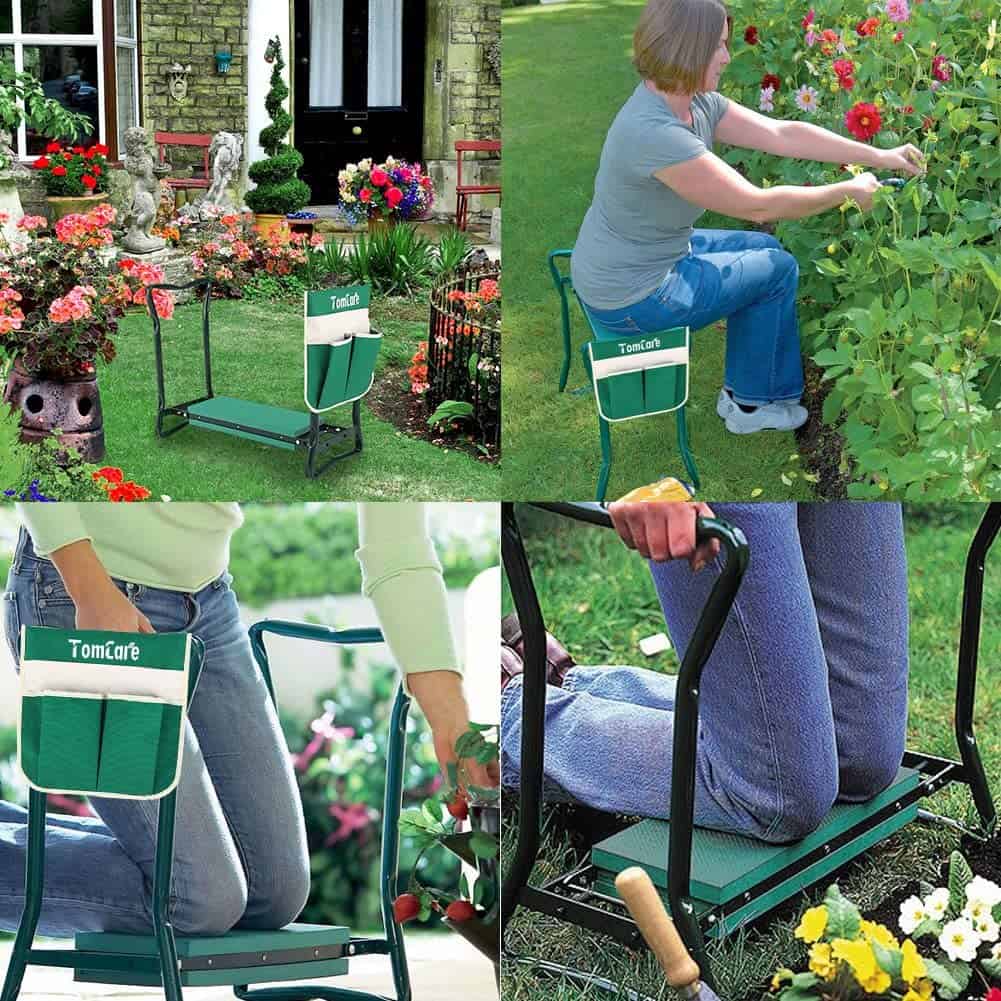
12) Padded Kneeling Pad or Kneeler‑Bench
A thick pad protects knees. A kneeler‑bench flips to a seat. The side handles help you stand.
- Choose EVA foam for comfort and easy clean.
- A bench with side pockets keeps tools close.
- Locking legs add stability.
Use for: planting, weeding, rest breaks.
13) Rolling Garden Seat or Scooter
A rolling seat supports long tasks at ground level. It turns to follow your row.
- Look for big wheels and a stable base.
- A storage tray keeps hand tools nearby.
- Check the seat height suits your hips and knees.
Use for: long weeding sessions, low pruning, edging.
14) Four‑Wheel Garden Cart with Brake
A cart moves soil, mulch, and pots with less lift. Four wheels share weight and prevent tip‑overs.
- Choose a cart with removable sides.
- A parking brake adds safety on slopes.
- Puncture‑proof tires reduce care.
Use for: moving bags, compost, harvests.
15) Lightweight Folding Pruning Saw
A sharp saw folds into its own handle. The lock keeps it closed or open.
- Pull‑stroke saws cut clean with low force.
- Choose impulse‑hardened teeth for long life.
- A bright handle is easy to find.
Use for: branches over 1.5 inches, storm clean‑up.
16) Battery Hedge Trimmer with Wrap Handle
A cordless trimmer is quick and light. No cord to trip on. A wrap handle lets you turn and trim at safe angles.
- Look for 18–22 inch blades for reach.
- A blade guard helps with storage.
- Test balance with the battery installed.
Use for: hedges, topiary, shaping shrubs.
17) Hand Rake and Leaf Rake Set
A hand rake lifts leaves from beds. A full‑size rake clears paths and lawns.
- Choose a light, fan‑style rake for leaves.
- Hand rakes with soft grips protect hands.
- Telescoping handles save space.
Use for: fall clean‑up, mulching prep.
18) Easy‑Grip Weeding Knife (Paving Knife)
This thin, L‑shaped blade slips into cracks. It pops weeds from joints without bending much.
- Works between pavers and in tight lines.
- Choose a model with a thick, soft handle.
- Use after light rain for easy roots.
Use for: patios, paths, stone edges.
19) Seed Sower and Dibber Set
A seed sower drops one seed at a time. A dibber makes the right hole depth.
- Choose large, clear dials you can read.
- Use a color contrast to track rows.
- Pair with a kneeler for comfort.
Use for: uniform rows, less thinning later.
20) Hand Pruner Sharpener and Blade Oil
Sharp tools do more with less. A small sharpener fits your pocket. A drop of oil prevents rust.
- Sharpen at a steady angle as the maker guides.
- Wipe blades with alcohol between plants.
- Store dry and oiled after each day.
Use for: all cutting tools to keep work easy.
21) Safety Gear: Gloves, Hat, Sleeves, and Glasses
Comfort is safety. Gloves protect skin. A wide hat and UV sleeves shield arms. Clear glasses guard eyes.
- Nitrile‑coated gloves grip when wet.
- Choose light colors for cool wear.
- Keep a basket by the door to grab and go.
Use for: all tasks, all seasons.
Smart Setup: Raised Beds and Containers for Ease
A smart layout cuts effort by half. Raised beds bring soil up to you. Containers move where light is best. Both solve poor soil and reduce bending.
- Aim for raised beds 24–30 inches tall for stand‑up work.
- Keep bed width 3–4 feet so you can reach the middle.
- Place beds near a water source. Add drip for set‑and‑forget.
Paths and Access
Paths should be wide, flat, and firm. Good paths make the garden safe and calm.
- Keep paths 36 inches wide or more for carts or walkers.
- Use compacted gravel, pavers, or firm mulch.
- Add edge markers for clear lines and good sight.
No‑Dig and Mulch
No‑dig beds keep soil life happy. They also protect your back.
- Lay cardboard, then add compost and mulch on top.
- Plant starts into the compost layer.
- Top up with mulch each season to keep weeds down.
Container Setup
Containers are high, neat, and gentle to maintain.
- Use light potting mix, not garden soil.
- Choose large pots so they hold water longer.
- Set pots on caddies with wheels for easy moves.
Seasonal Tool Checklist and Task Planner
A plan keeps stress low. It also shows progress. Each season asks for a simple set of tools and jobs.
Spring
New growth calls for gentle help. Your tools should be sharp and clean.
- Tools: bypass pruners, rake, trowel, cultivator, kneeler.
- Tasks: prune dead stems, add compost, set drip lines, plant cool crops.
- Safety: watch for slick soil. Work after frost lifts.
Summer
Heat asks for short sessions. Water with care. Shade yourself well.
- Tools: watering wand, hose with quick‑connects, hand rake, stand‑up weeder.
- Tasks: water in the morning, mulch beds, deadhead flowers, harvest often.
- Safety: drink water, take breaks, use a timer for 20‑minute blocks.
Fall
This is the tidy season. Prepare beds for rest.
- Tools: loppers, folding saw, leaf rake, cart.
- Tasks: prune dead wood, compost leaves, plant bulbs, clean tools.
- Safety: mind wet leaves on paths. Wear gloves for thorny work.
Winter
Plan, mend, and rest. Fix what will serve you well next year.
- Tools: sharpener, oil, brush, storage racks.
- Tasks: clean and oil tools, check drip lines, plan crops, order seeds.
- Safety: store batteries indoors. Keep pathways ice‑free.
Safety First: Move Well, Feel Well
Small habits build safe work. Warm up. Lift smart. Pause before you tire. Your body is the best tool you own.
Warm‑Up in Three Minutes
Wake up joints and muscles before you start.
- Roll shoulders, 10 times each way.
- Open and close hands, 20 times.
- March in place for one minute.
Body Mechanics That Save You
Good form protects your back and hands.
- Keep tools close to your body when you lift.
- Bend your knees, not your waist.
- Keep wrists straight; let your forearms guide force.
Sun, Heat, and Hydration
Simple gear and habits prevent stress.
- Wear a hat and UV sleeves.
- Sip water every 15 minutes.
- Garden early or late on hot days.
Eyes, Ears, and Skin
Protect the senses that make the garden rich.
- Wear safety glasses when cutting or edging.
- Use ear protection with power tools.
- Apply broad‑spectrum sunscreen to face, neck, and hands.
Health Check
Work with your care team as needed.
- Ask your doctor about a tetanus booster if it has been over 10 years.
- If you have heart, balance, or joint issues, pace tasks and use aids.
- Keep a phone in a pocket and garden with a buddy when you can.
Maintenance and Storage: Make Tools Last and Work Easier
Clean tools are safer and smoother. A few minutes after each use saves time later.
Quick Clean Routine
Dirt dulls edges and holds moisture.
- Knock off soil. Wipe with a rag.
- For sap on blades, rub with alcohol or a citrus‑based cleaner.
- Dry well. Store off the floor.
Sharpen and Oil
Sharp edges need less force. Oil prevents rust.
- Use a pocket sharpener on pruners and knives. Follow the original angle.
- Wipe blades with a light machine oil or camellia oil.
- Avoid vegetable oils; they can gum up over time.
Rust Prevention
Stop rust before it starts.
- Keep sand and a bit of oil in a bucket. Dip metal heads after use.
- Hang tools in a dry spot with good air flow.
- If rust forms, scrub with steel wool, then oil.
Cordless Tool Care
Batteries like safe, steady storage.
- Store batteries indoors at moderate temps.
- Do not leave batteries on chargers for days.
- Keep blades covered and clean.
Winter Storage
Put tools to bed like you tuck in a child.
- Clean, dry, then oil all metal.
- Cover carts and hoses. Drain water lines.
- Check handles for cracks and repair before spring.
Start Gardening After Retirement: A Gentle Plan for Your First Month
Retirement opens time and space. Start small, smile often, and enjoy each new sprout. Here is a simple four‑week plan.
Week 1: Set Your Space and Tools
Lay a safe base. Bring tools to hand height.
- Clear a path and set wide walkways.
- Install a small raised bed or assemble two large pots.
- Gather core tools: trowel, bypass pruners, kneeler, watering wand, hose with quick‑connects.
Time tip: Work for 20 minutes, rest for 5. Repeat twice.
Week 2: Soil and Water Setup
Good soil and easy water make all else smooth.
- Fill beds with a mix of compost and topsoil or raised bed mix.
- Add drip lines with a simple timer.
- Mulch with shredded leaves or straw to keep soil moist.
Week 3: Plant and Label
Choose hardy, low‑care plants.
- Start with herbs (basil, chives, mint in a pot), salad greens, bush beans, or marigolds.
- Use large plant labels with dark marker.
- Keep a small garden journal to note what you plant and when.
Week 4: Light Care and Joy
Make care a calm habit.
- Water early. Check mulch. Pull small weeds with a stand‑up weeder.
- Deadhead flowers with spring‑assist pruners.
- Sit, sip tea, and watch. Small wins count.
Top 10 Habits for a Happy Retirement Life (With the Garden as Your Guide)
A good life is a set of small, steady habits. Let the garden show the way.
- Start Gardening After Retirement
- Make the garden your daily walk. Plant joy within reach. Grow herbs near the door. Keep tools light and neat.
- Move a Little, Every Day
- Set a 20‑minute garden timer. Weed one bed. Trim one shrub. Short, regular moves beat long, hard sessions.
- Seek Sun and Shade With Care
- Enjoy morning light. Use hats and sleeves. Retreat to shade by noon. Your body will thank you.
- Eat Fresh and Simple
- Snip herbs, pick lettuce, harvest tomatoes. Small harvests add color to meals and boost mood.
- Nurture Friendships
- Swap seedlings with neighbors. Join a garden club. Share cut flowers. Kind ties grow like vines.
- Learn One New Skill Each Season
- Try drip this spring. Start compost in summer. Plant bulbs in fall. Sharpen tools in winter.
- Make Rest a Ritual
- Sit on a garden bench. Breathe. Look at leaves. Let rest be part of the job, not a break from it.
- Keep Tools Ready
- A tidy shed is a calm mind. Hang tools where you can see them. Sharpen and oil once a week in peak season.
- Give Back to the Earth
- Mulch. Use rain barrels. Plant for bees and birds. The garden will give back twice as much.
- Protect Your Health
- Warm up. Hydrate. Work with safe form. Speak with your doctor about limits and needs. Joy grows with care.
Buying Guide: What to Look For in Senior‑Friendly Tools
You can judge a tool by five tests: fit, feel, force, finish, and future. Try them if you can.
- Fit: Does the handle size match your hand? Can you hold it without a pinch?
- Feel: Is the balance even? Does the tool pull your wrist down?
- Force: Do ratchets or gears help? Does it cut clean with light effort?
- Finish: Are edges smooth? Is the grip soft and non‑slip?
- Future: Are parts replaceable? Is there a solid warranty?
Price Tips:
- Spend more on pruners, loppers, and watering gear. You use them most.
- Drip kits and kneeler‑benches offer high value per dollar.
- A quality garden cart saves your back and lasts many years.
Eco‑Friendly Choices That Also Reduce Effort
Green choices often make work easier. They save time and water and cut waste.
- Drip irrigation reduces water use by up to half and keeps leaves dry.
- Mulch blocks weeds, holds moisture, and feeds soil life.
- Native plants need less water and care once established.
- A compost tumbler with a crank is low effort and fast.
Common Mistakes and How to Avoid Them
A few traps can steal joy. Plan ahead and side‑step them with ease.
- Buying heavy tools “for power.” Choose light, then add leverage.
- Skipping safety gear. Gloves and glasses prevent most small injuries.
- Overplanting. Start with less. Grow into more only if you want it.
- Watering from the top. Use a wand or drip to reach roots.
- Neglecting maintenance. Clean and oil tools. Sharp equals safe.
Real‑Life Tool Combos by Need and Mobility
Match tools to your body and space. The right combo keeps you steady and strong.
Chair or Bench Gardening
Work seated with tools that reach.
- Long‑handled trowel and cultivator.
- Watering wand with thumb control.
- Rolling seat to shift with your row.
Walker‑Friendly Garden
Paths and tools must be stable.
- Four‑wheel cart with parking brake.
- Stand‑up weeder to avoid bending.
- Raised beds at 30 inches with wide edges to lean on.
Mild Hand Arthritis
Ease pressure with smart grips.
- Ratcheting pruners and compound loppers.
- Padded, thick grips or add-on foam sleeves.
- Quick‑connect hose ends to avoid twist motions.
Low Vision or Contrast Needs
Make tools and plants easy to see.
- High‑contrast, bright tool handles.
- White or bright labels with bold marker.
- Contrast mulch and path borders for clear edges.
A Simple One‑Bed Starter Plan
One bed, many meals. Keep it easy and bright.
Bed: 4 feet by 8 feet, 24 inches high
- Front row: leaf lettuce and spinach for daily harvest.
- Middle row: bush beans and basil for summer meals.
- Back row: dwarf tomatoes and marigolds to deter pests.
Tools: trowel, bypass pruners, watering wand, stand‑up weeder, kneeler.
Care: water with drip 3 times a week, 20–30 minutes. Mulch to 2–3 inches.
Weekly Rhythm for Calm and Joy
A garden thrives on routine. So do we.
- Monday: 15 minutes of light weeding with a stirrup hoe.
- Wednesday: Harvest and deadhead with spring‑assist pruners.
- Friday: Check drip lines, refill mulch, wipe tools.
- Sunday: Tea on the bench. Take notes. Plan next week.
Small DIY Comfort Upgrades
Tiny tweaks, big comfort.
- Add foam pipe insulation to thin handles.
- Use bright tape near tool ends to spot them fast.
- Attach a magnetic strip near your potting bench for hand tools.
- Keep a foldable stool at each bed.
Troubleshooting Common Garden Tasks With Less Strain
When a job feels hard, change the method or the tool.
- Hard soil digging: water the area, then use a garden knife or narrow spade; add compost after.
- Heavy pots: set on a rolling caddy before you fill; move while empty, not full.
- Tall pruning: use telescoping loppers and a folding saw; avoid ladders when alone.
- Weed invasion: cover with cardboard and mulch; use a stand‑up weeder for survivors.
Accessible Garden Design Ideas
Design serves you. Make each choice with comfort in mind.
- Place a bench in shade within 20 feet of where you work.
- Store tools at chest height on a slat wall with wide hooks.
- Add solar lights along paths for dusk safety.
- Put rain barrels near beds to shorten hose runs.
Tool Care Calendar
A clear calendar keeps tools sharp and ready.
- Monthly (spring–fall): sharpen pruners, oil blades, tighten screws.
- After storms: check saws, loppers, and carts for damage.
- Winter: deep clean, oil, and hang; note any tools to replace.
Budget and Upgrade Path
Build your kit in steps. Start with the basics and add as you see need.
- Starter kit: trowel, bypass pruners, kneeling pad, watering wand, hose with quick‑connects.
- Comfort kit: stand‑up weeder, stirrup hoe, rolling seat, hand rake.
- Power kit: battery hedge trimmer, telescoping loppers, four‑wheel cart.
- Auto‑care kit: drip irrigation with a simple timer, mulch fork (lightweight), compost tumbler.
Mindful Harvest and Food Safety
Clean, simple habits keep harvests safe.
- Wash hands before and after garden work.
- Rinse produce under running water. Skip soap.
- Use clean shears for harvest. Wipe with alcohol between crops.
The Joy Factor: Make It Personal
Your garden is a story you write each day. Make space for memory and delight.
- Plant a rose from a friend’s cutting.
- Add a wind chime or a small fountain for sound.
- Grow a few flowers just to give away.
FAQ
-
What is the single best tool to start with?
A pair of spring‑assist bypass pruners. You will use them often. They are light and helpful for many tasks. -
Are cordless tools safe for seniors?
Yes, when used with care. They are lighter and start with a button. Choose models with safety locks and balance. -
Should I choose anvil or bypass pruners?
Bypass for live plants. Anvil for dead wood. Many gardeners keep one of each. -
Are raised beds worth the cost?
For most seniors, yes. They cut bending, improve soil, and reduce weeds. They also warm faster in spring. -
How can I make handles easier on my hands?
Add foam sleeves or gel grips. Pick thicker, soft handles. Keep wrists straight while you work. -
What is an easy watering setup?
Drip irrigation with a timer. Pair with a watering wand for spots that need a touch more. -
How do I prevent weeds without hard work?
Mulch 2–3 inches deep. Use a stirrup hoe on young weeds. Lay cardboard under new beds. -
What should I do if I tire fast?
Use short sessions. Sit often. Split tasks across days. Ask for help with heavy jobs. -
How do I store tools to avoid rust?
Clean, dry, and oil blades. Hang tools off the floor. Keep the shed dry and aired. -
Is gardening safe if I have arthritis?
Yes, with the right tools and pace. Use ratcheting pruners, long handles, and kneelers with side handles. Speak with your doctor for personal limits.
Conclusion
Gardening in retirement can be light, kind, and full of color. The best gardening tools for seniors remove strain and add grace. Choose light, easy‑grip gear. Use long handles and power assist when you need it. Set raised beds to a height that suits you. Add drip so water meets roots while you rest in the shade. Let small, steady habits guide your days. Start gardening after retirement with a simple kit and a calm plan. Your body will thank you. Your meals will sing. Your spirit will settle into a soft, steady joy.

Michael Reynolds is a senior contributor at RetirementGazette.com, where he focuses on helping readers navigate the journey toward a secure and fulfilling retirement. With over a decade of experience in personal finance, retirement planning, and lifestyle writing, Michael combines practical strategies with easy-to-understand guidance tailored for both pre-retirees and those already enjoying their golden years.