
Choose a wheelchair that fits your body, lifestyle, terrain, and budget.
I’ve helped many people and families select mobility solutions over the past decade, tested models in real settings, and worked with clinicians and vendors. This guide on how to buy an electric wheelchair walks you through everything from types and key features to trials, funding, and long-term care—so you can make a smart, confident choice that fits your life.
Why choose an electric wheelchair?
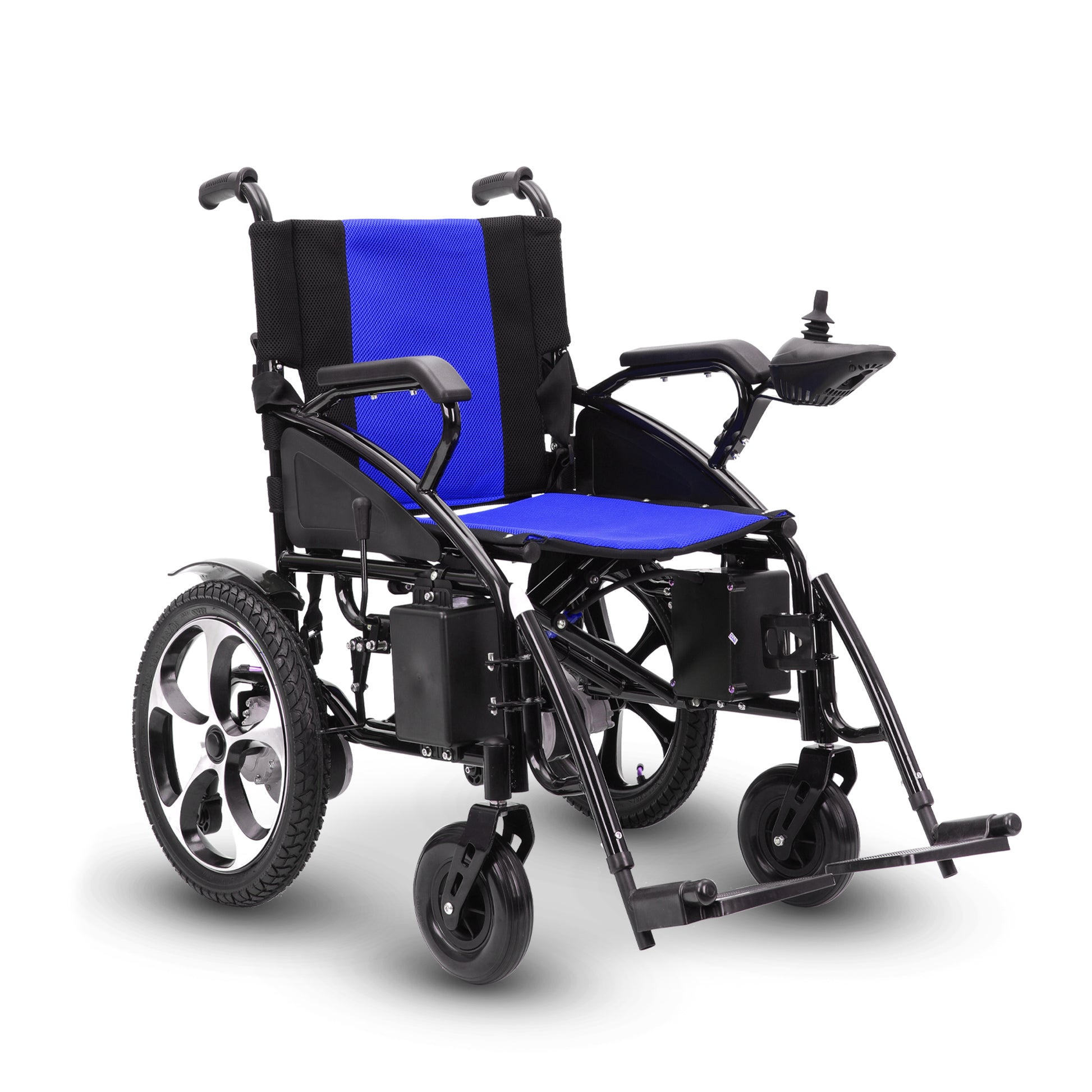
Electric wheelchairs give independence to people who cannot push a manual chair or who need long-distance mobility. Learning how to buy an electric wheelchair helps you match physical needs, daily routines, and living spaces to the right device. With the right choice you get safety, comfort, and more freedom to go places.

Understand the main types of electric wheelchairs
Knowing types helps you narrow options quickly when learning how to buy an electric wheelchair.
- Power chairs
- Stable, fully powered controls and seating options for indoor and outdoor use.
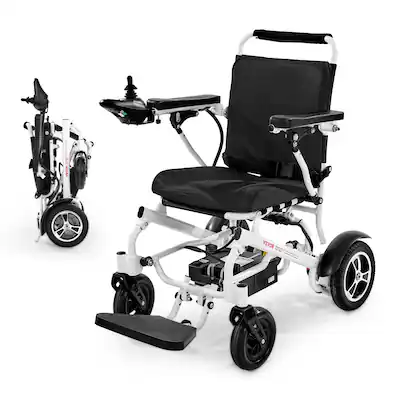
- Travel and folding power chairs
- Lightweight frames that break down for car trunks and travel.
- Heavy-duty and bariatric chairs
- Higher weight capacity and reinforced frames for larger users.
- Standing power chairs
- Allow users to stand safely for transfers, pressure relief, or social needs.
- Portable scooters (brief comparison)
- Good for simple outdoors use but less maneuverable indoors than a power wheelchair.
Choosing the right category first saves time and aligns the rest of the buying steps with your needs and budget.
Key features to consider when buying
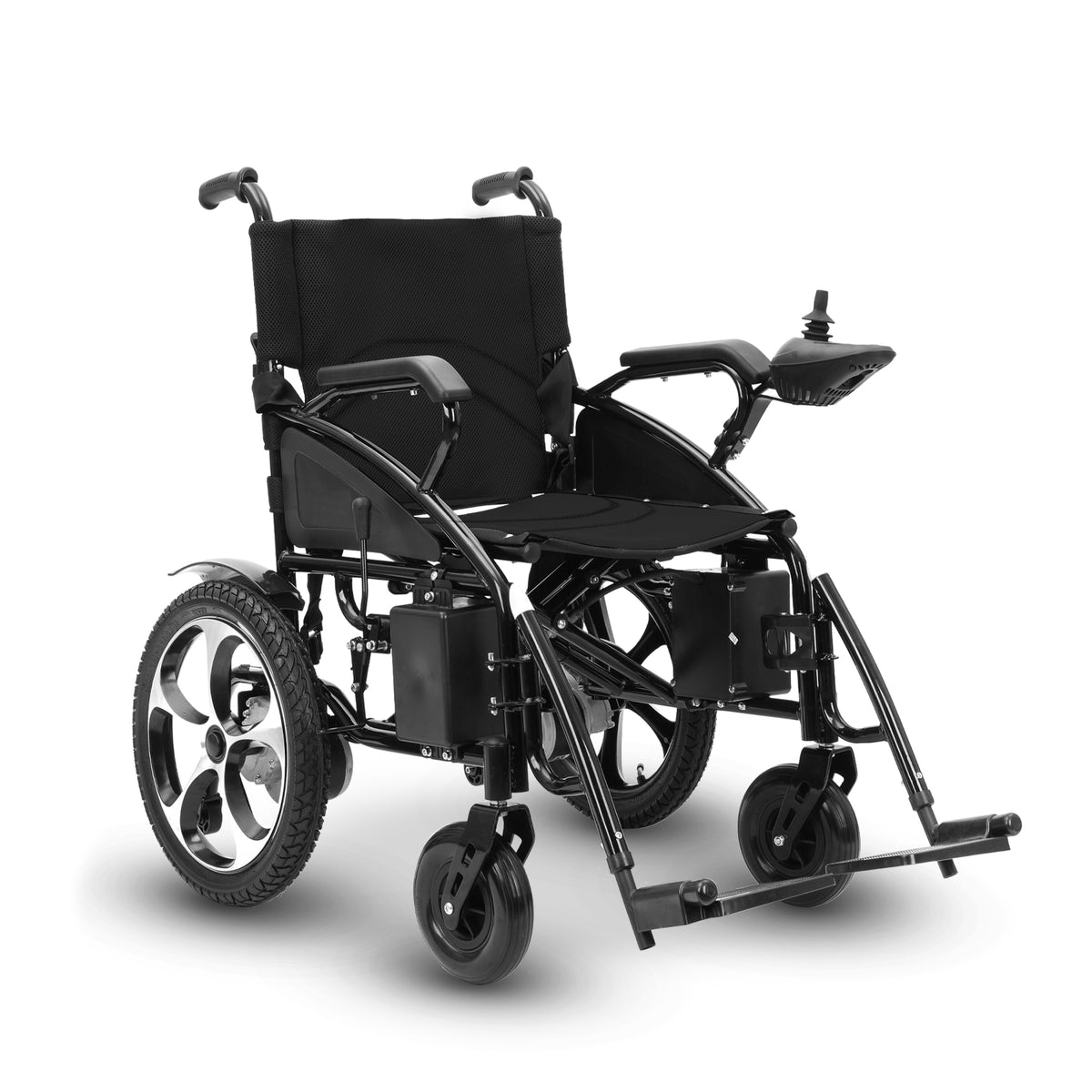
When you study how to buy an electric wheelchair, focus on these features to ensure the chair fits you and your environment.
- Seat size and support — Measure hips, thighs, and back height; consider pressure-relief cushions.
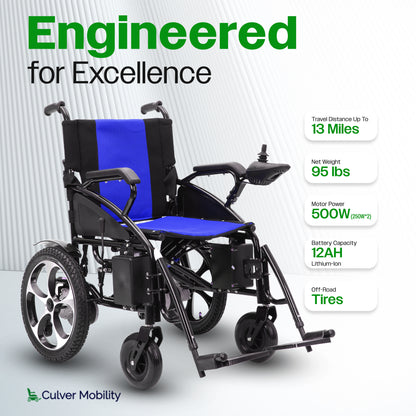
- Weight capacity — Match the chair rating to user weight, plus a safety margin.
- Range and battery life — Check real-world miles per charge, not just factory estimates.
- Motor power and drive type — Rear-wheel, mid-wheel, or front-wheel drive affect stability and turning.
- Turning radius — Essential for navigating tight indoor spaces.
- Ground clearance and suspension — Important for curbs, thresholds, and uneven terrain.
- Controls and joystick options — Make sure controls suit the user’s motor and cognitive skills.
- Portability and transportability — Look for folding frames or quick-release batteries if you travel.
- Speed settings and safety features — Top speed, anti-tip wheels, and seat belts matter.
- Warranty and service plans — Check coverage for battery, electronics, and structural parts.
Prioritize features that affect everyday use. Matching features to daily tasks is core to how to buy an electric wheelchair well.

How to evaluate performance: tests and real-world checks
Testing a chair is the best way to learn how to buy an electric wheelchair that works for you.
- Test drive indoors and outdoors to check maneuverability.
- Try slopes and ramps to confirm power and stability.
- Check battery drain after typical trips and recharge speed.
- Sit in the chair for 15–30 minutes to gauge comfort and pressure points.
- Measure doorway clearances and car trunk fit if transport matters.
I advise bringing a caregiver or therapist to trials. Real-world checks reveal issues that specs don’t show.

Step-by-step buying process
Follow a clear path to reduce mistakes when you learn how to buy an electric wheelchair.
- Assess needs
- Consult a clinician or therapist for medical and mobility assessment.
- Measure and document
- Record body measurements, home dimensions, and vehicle constraints.
- Trial multiple models
- Try at least three chairs in real environments.
- Get a prescription if needed
- For insurance or Medicare, a documented need is usually required.
- Compare dealers and warranties
- Evaluate service plans, return policies, and training options.
- Arrange funding and purchase
- Finalize payment, delivery, and any custom fitting.
- Training and follow-up
- Schedule user training and confirm maintenance plan.
Following steps reduces surprises and keeps the process user-centered.

Insurance, Medicare, and funding options
Knowing pay options is essential to how to buy an electric wheelchair affordably.
- Medicare and private insurance may cover power wheelchairs with proper documentation and prior authorization.
- Durable medical equipment rules often require proof of need, face-to-face exam, and supplier documentation.
- Veterans benefits, local grants, charities, and loan programs can help those who do not qualify for insurance.
- Rental or lease options may be available for temporary needs or trials.
Start paperwork early. Insurance approvals take time and shape what models are affordable.

Cost breakdown and budgeting
Costs vary widely; understanding them helps when deciding how to buy an electric wheelchair.
- Entry-level travel chairs typically range lower and cost less to ship.
- Mid-range power chairs with more comfort and range cost more.
- Specialized and bariatric chairs can be significantly pricier.
- Expect add-ons: cushions, specialty controls, chargers, lifts, and warranties.
- Used chairs can save money but require careful inspection and battery checks.
Plan for ongoing costs like battery replacement, tires, and annual servicing.
Maintenance, safety, and long-term care
Good maintenance extends life and keeps the chair safe. This is part of smart planning when you think about how to buy an electric wheelchair.
- Battery care: follow charge cycles and store in climate-safe places.
- Tires and wheels: inspect and replace worn parts regularly.
- Electronics: protect joystick ports and keep connectors dry.
- Cleaning: use mild soap and avoid pressure washing motors.
- Safety checks: test brakes, belts, and anti-tip devices monthly.
Set a maintenance schedule with your supplier. Proper care avoids failures at critical times.
Where to buy: dealers, online, or used marketplaces
Choosing a source matters when figuring out how to buy an electric wheelchair.
- Authorized dealers
- Offer trials, fittings, local service, and training.
- Manufacturer websites and specialty retailers
- Good for specs and direct support; may lack local trials.
- Large online marketplaces
- Competitive prices but limited fitting help and service.
- Used equipment suppliers
- Cost-effective; verify battery life, frame integrity, and maintenance history.
- Rental providers
- Useful for short-term or trial use before committing to purchase.
I prefer starting with a local dealer for trials, then compare prices online. That balance gave me good deals and quicker service.
Personal experience and practical tips
I’ve tested many chairs and helped users choose models for home and travel. Here are lessons from those real cases when considering how to buy an electric wheelchair.
- Bring the person who will use the chair to every test. Their comfort and confidence matter most.
- Measure vehicle space before choosing a travel model; I once bought a chair that barely fit a sedan trunk.
- Ask for a loaner while repairs are done; many dealers can provide temporary solutions.
- Don’t under-spec the battery range. A daily routine often uses more power than short store tests suggest.
These small choices make everyday life easier and reduce returns and swaps.
Common accessories to consider
Accessories add comfort and function. Think about these when you plan how to buy an electric wheelchair.
- Pressure-relief cushions and back supports
- Positioning straps and lateral supports
- Cup holders, trays, and storage bags
- Specialized controls like sip-and-puff or head controls
- Ramps, lifts, and tie-downs for transport
- Weather covers and leg rests
Pick accessories that match daily activities and health needs.
Frequently Asked Questions of How to buy an electric wheelchair
How do I know which type of electric wheelchair I need?
Start with a clinical assessment and measure home and vehicle clearances. Trial different drive types to see what handles your typical environments best.
Does insurance cover electric wheelchairs?
Many insurance plans and Medicare may cover them with proper documentation and a supplier that accepts assignments. Coverage varies by policy and medical necessity.
How long do batteries last in electric wheelchairs?
Batteries typically last 1 to 3 years depending on use and care, with range per charge varying widely by model. Proper charging habits extend life.
Can I travel with an electric wheelchair on a plane?
Some power wheelchairs are airline-friendly, but rules vary by carrier and battery type. Contact the airline in advance and arrange battery and transport protocols.
Is it safe to buy a used electric wheelchair?
Used chairs can be safe if inspected for battery health, frame damage, and electronics function. Buy from a reputable seller and request maintenance records.
How much should I budget for maintenance?
Plan for annual service visits, battery replacement, and occasional parts like tires and motors; budgeting several hundred dollars a year is common. Service needs depend on usage.
Conclusion
Choosing the right device means matching needs, home layout, and daily activities to a chair you can trust. Use trials, clear measurements, and a step-by-step purchase plan to decide how to buy an electric wheelchair that fits your life. Take action now: schedule an assessment, try models near you, and compare funding pathways so you can move with more freedom and confidence. Share your questions or experiences below, or subscribe for more practical mobility guides.

Michael Reynolds is a senior contributor at RetirementGazette.com, where he focuses on helping readers navigate the journey toward a secure and fulfilling retirement. With over a decade of experience in personal finance, retirement planning, and lifestyle writing, Michael combines practical strategies with easy-to-understand guidance tailored for both pre-retirees and those already enjoying their golden years.