
Seniors with intellectual or cognitive disabilities may need added support, health care, protection, and help with daily life.
When people ask what happens to seniors who are mentally disabled, they are often asking about aging with an intellectual disability, dementia, or a serious mental illness. These conditions are not the same, and each person ages in a different way. With respectful care, early planning, and the right services, many seniors can remain safe, active, and involved in decisions about their lives.
Understanding the Term “Mentally Disabled”
“Mentally disabled” is an older phrase that may refer to several different conditions. Today, health professionals usually use more specific terms, such as intellectual disability, developmental disability, cognitive impairment, dementia, or mental illness.
These terms describe different needs:
• Intellectual disability begins during childhood or adolescence and affects learning, reasoning, and daily living skills.
• Dementia is a decline in memory, thinking, communication, or behavior. Alzheimer’s disease is the most common cause of dementia.
• Serious mental illness includes conditions such as schizophrenia, bipolar disorder, and severe depression.
• Mild cognitive impairment causes noticeable thinking changes but does not always prevent independent living.
This difference matters. A senior with lifelong intellectual disability may not have dementia. A senior with dementia may have had typical intellectual development earlier in life. Care plans should match the person’s diagnosis, strengths, wishes, and daily needs.

What Happens to Seniors Who Are Mentally Disabled as They Age?
What happens to seniors who are mentally disabled depends on their condition, physical health, support network, income, and living setting. Aging does not automatically remove a person’s abilities or right to make choices.
Some seniors continue living at home with help from family, paid caregivers, or community programs. Others move to supported housing, an assisted living community, or a nursing home when their needs become more complex.
Common changes may include:
• More difficulty managing medicine, money, meals, or appointments
• Greater risk of falls, poor nutrition, or untreated health problems
• Changes in memory, behavior, sleep, or communication
• A stronger need for supervision during daily tasks
• Increased dependence on family members or professional caregivers
• Greater risk of loneliness, neglect, abuse, or financial exploitation
Aging can also bring positive changes. Some seniors gain access to better health care, stable housing, social programs, and trusted support. The goal is not to control every part of life. The goal is to provide enough help for safety while preserving freedom and dignity.

How Aging Affects Seniors With Intellectual Disabilities
Seniors with intellectual disabilities may age earlier or develop health problems sooner than the general population. The risk varies by the person and by the cause of the disability. Some people have strong health for many years, while others need close medical monitoring.
Common health concerns include:
• Hearing or vision loss
• Epilepsy or seizure disorders
• Heart disease and diabetes
• Poor dental health
• Reduced mobility and balance
• Depression and anxiety
• Sleep problems
• Early signs of dementia
Symptoms may be missed because caregivers assume that a change is part of the person’s lifelong disability. This is a serious mistake. A new change in speech, behavior, movement, or memory should receive medical attention.
A useful approach is to compare the person with their own usual behavior. For example, a senior who has always needed help with money may now also forget familiar people, lose weight, or struggle with dressing. These new changes deserve a full health check.
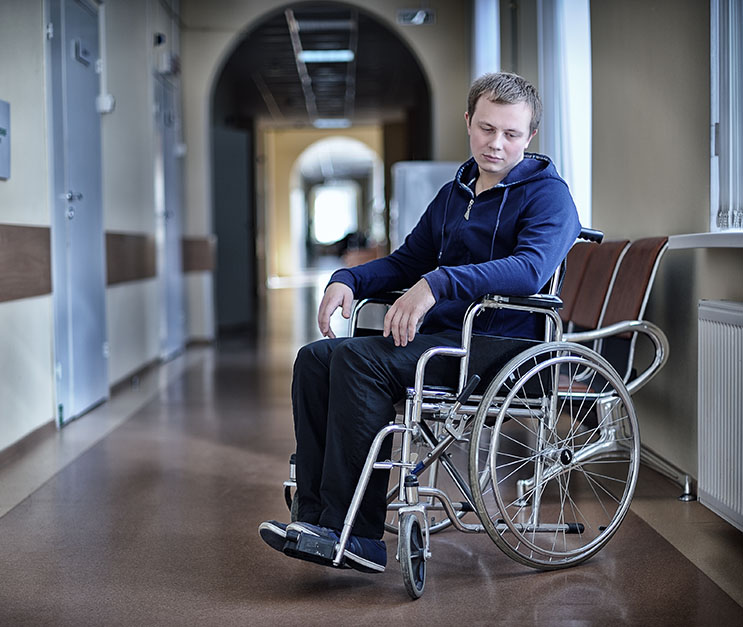
Dementia and Intellectual Disability in Older Adults
Dementia can be harder to identify in seniors who already have an intellectual disability. Doctors may need family members, caregivers, and old records to understand what has changed.
Warning signs can include:
• Losing skills the person used for many years
• Becoming confused in familiar places
• Forgetting how to complete well-known tasks
• Having new trouble speaking or understanding words
• Showing unusual fear, anger, or withdrawal
• Repeating actions or questions more often
• Losing interest in favorite activities
Down syndrome deserves special attention. Adults with Down syndrome have a higher risk of Alzheimer’s disease, although not every person develops it. Health teams may use regular baseline checks and watch for changes in memory, behavior, movement, and daily skills.
Not every change means dementia. Pain, infection, constipation, dehydration, poor sleep, hearing loss, medicine side effects, and depression can also affect behavior. A careful medical review can find treatable causes.

Daily Life and Personal Care Needs
What happens to seniors who are mentally disabled often becomes clearer through daily tasks. A person may be safe in one area but need help in another. For example, they may prepare a simple meal but need support with a stove, medication, or online banking.
Support may include:
• Bathing, grooming, dressing, and toileting
• Meal planning and safe food preparation
• Taking medicine at the right time
• Getting to medical visits
• Cleaning and laundry
• Shopping and handling money
• Using public transportation
• Staying safe from scams and unsafe visitors
Care should be based on ability, not on a label. Use simple words, one step at a time. Offer two clear choices when possible, such as “Would you like the blue shirt or the green shirt?” This method supports independence and reduces stress.
Avoid doing everything for the senior. Too much help can cause skill loss and make the person feel powerless. Give extra time, use visual reminders, and step in only when needed.

Where Can Seniors With Disabilities Live?
Housing needs may change over time. What happens to seniors who are mentally disabled can include several living arrangements, depending on safety and support needs.
Living at Home
Home may work well when the person has reliable support. Helpful services can include home health care, personal care attendants, meal delivery, transportation, and adult day programs.
Safety changes may include better lighting, grab bars, a medical alert system, door alarms, and locked storage for dangerous items. A home assessment by an occupational therapist can identify risks that families may miss.
Supported Living
Supported living gives a person a home or apartment with planned assistance. Staff may visit at set times or remain on-site. This option can offer more independence than a nursing facility.
Assisted Living
Assisted living may help seniors who need support with meals, bathing, medicine, and activities but do not need full-time skilled nursing care. Services differ widely, so families should ask about staff training, overnight coverage, emergency response, and experience with cognitive disabilities.
Nursing Homes
A nursing home may be suitable when a senior needs round-the-clock nursing care, complex medical treatment, or close supervision. Families should visit more than once and observe how staff speak to residents.
Family Care
Family care can be warm and familiar, but it can also become exhausting. A family caregiver should not have to manage every task alone. Respite care, support groups, adult day services, and counseling can reduce burnout.

Legal, Financial, and Care Planning
Planning early is one of the best ways to protect a senior. What happens to seniors who are mentally disabled becomes more manageable when important decisions are documented before a crisis.
Important planning areas include:
• Health care preferences
• A health care proxy or medical decision-maker
• Financial power of attorney, when legally appropriate
• A will and estate plan
• Housing preferences
• Medication information
• Emergency contacts
• Benefits and insurance records
• A list of trusted people
Supported decision-making may allow a person to make choices with help instead of losing all legal control. Guardianship can be appropriate in some cases, but it is a major legal step and may limit a person’s rights. Laws vary by state, so families should speak with an elder law attorney or disability rights advocate.
Financial abuse is a real concern. Watch for unpaid bills, unusual withdrawals, new “friends,” missing items, pressure to sign documents, or sudden changes in spending. Report suspected abuse to Adult Protective Services, law enforcement, or a trusted health professional.

Health Care and Communication Tips
Medical care works best when the senior’s communication style is respected. Bring a trusted caregiver to appointments if the person agrees. A simple health summary can help clinicians understand the person’s normal abilities.
Useful information includes:
• Usual speech and behavior
• Current medicines and allergies
• Past health conditions
• Signs of pain or distress
• Food and sleep patterns
• Recent falls or behavior changes
• Communication tools that work well
Use plain language and allow extra time for answers. Do not speak about the senior as if they are not present. Ask the senior first, then add information when needed.
Pain may appear as aggression, withdrawal, pacing, crying, or loss of appetite. Seniors with communication challenges may not say, “My hip hurts.” Their behavior may be the message.
Regular care should include preventive screenings, dental visits, vision and hearing checks, vaccinations, fall prevention, and medication reviews. The exact schedule should come from the person’s health care team.
Emotional Health, Social Life, and Dignity
What happens to seniors who are mentally disabled is not only a medical issue. Social connection, purpose, and respect are central to quality of life.
A senior may enjoy:
• Music, art, gardening, or cooking
• Faith services or cultural events
• Walking or gentle exercise
• Visits with family and friends
• Volunteer tasks suited to their ability
• Familiar routines and favorite foods
• Pet visits or time outdoors
Depression can look different in a person with an intellectual or cognitive disability. Watch for changes in sleep, appetite, energy, interest, mood, or behavior. Ask a clinician for help if these changes last or affect daily life.
Dignity means asking permission, protecting privacy, and respecting adult choices. It also means avoiding childish language, teasing, forced activities, and unnecessary restraints. A senior’s disability does not make their feelings less important.
Common Caregiving Mistakes to Avoid
Families often act from love but still make choices that create problems. The following mistakes are common and preventable:
• Assuming every new symptom is “just the disability”
• Making decisions without asking the senior
• Waiting for a crisis before planning care
• Using complex instructions or giving too many choices
• Ignoring hearing, vision, dental, or pain problems
• Failing to track medicine changes
• Giving one caregiver every responsibility
• Choosing a facility without checking staff training
• Restricting activities more than safety requires
• Treating behavior as a problem instead of looking for its cause
In caregiving discussions, one lesson appears again and again: small details matter. A missed meal, a new bruise, or a change in sleep can be an early sign of illness. Written notes and calm observation often help families notice patterns sooner.
I cannot claim personal caregiving experience, but guidance from disability and aging professionals consistently supports the same practical approach: learn the person’s baseline, listen closely, investigate changes, and protect choice whenever possible.
How Families Can Prepare Step by Step
A clear plan can reduce stress for everyone. Start with the person, not the diagnosis.
-
Ask the senior what matters most to them.
-
Write down daily strengths, needs, routines, and preferences.
-
Schedule a complete medical and medication review.
-
Check hearing, vision, dental health, mobility, and nutrition.
-
Discuss future housing and care choices early.
-
Review legal documents with a qualified professional.
-
Identify at least two backup caregivers.
-
Research local disability, aging, transportation, and respite services.
-
Create an emergency plan with medical information.
-
Revisit the plan at least once a year or after a major health change.
The plan should be flexible. A person may need more help after an illness and less help after recovery. Good care adapts instead of assuming that abilities will always move in one direction.
Warning Signs That Need Fast Help
Some changes require urgent medical attention. Call emergency services for severe breathing trouble, chest pain, signs of a stroke, serious injury, loss of consciousness, or immediate danger.
Contact a health professional soon if the senior has:
• A sudden change in confusion or behavior
• A fall or repeated near-falls
• New weakness or trouble walking
• Unexplained weight loss
• Poor eating or drinking
• New incontinence
• Signs of pain
• Social withdrawal or deep sadness
• Unusual bruising or fear around a caregiver
• Missing money or unexplained financial changes
Sudden confusion may be delirium, which can result from infection, medicine effects, dehydration, or another urgent problem. Delirium is not the same as dementia and should be assessed quickly.
Frequently Asked Questions About What Happens to Seniors Who Are Mentally Disabled
Can seniors with intellectual disabilities live independently?
Some can live independently with limited support, while others need daily or constant assistance. The right level of care depends on health, safety, skills, communication, and personal choice.
Do seniors with intellectual disabilities always develop dementia?
No. Intellectual disability does not automatically cause dementia. However, some conditions, including Down syndrome, can increase dementia risk, so regular health checks and awareness of new changes are important.
What happens when a senior can no longer care for themselves?
The family and care team may increase home support, consider supported living, or explore assisted living or nursing care. The decision should focus on safety, medical needs, preferences, finances, and quality of life.
Who makes medical decisions for a senior with a disability?
A senior may make their own decisions if they have the legal capacity to do so. If they need help, supported decision-making, a health care proxy, or another legally recognized arrangement may apply, depending on state law.
How can caregivers protect seniors from abuse?
Stay involved, monitor finances with permission, visit or call regularly, and notice changes in mood, appearance, or behavior. Suspected abuse should be reported to Adult Protective Services, law enforcement, or a health professional.
How do I know if a behavior change is caused by illness?
Compare the behavior with the senior’s normal pattern and look for sudden changes. Pain, infection, dehydration, constipation, poor sleep, depression, and medicine side effects can all cause behavior changes, so a medical review is wise.
Conclusion
What happens to seniors who are mentally disabled depends on the type of disability, physical health, support system, legal planning, and living environment. Aging may bring more health needs and safety risks, but it does not remove a person’s dignity, preferences, or right to be involved.
The best plan combines early medical care, clear communication, safe housing, legal preparation, social connection, and caregiver support. Start by recording the senior’s normal abilities and asking what kind of life they want. Then build a flexible care plan with trusted professionals and family members.
Use this guide as a starting point, learn about local aging and disability services, and share your questions or experiences with a qualified care professional.

Michael Reynolds is a senior contributor at RetirementGazette.com, where he focuses on helping readers navigate the journey toward a secure and fulfilling retirement. With over a decade of experience in personal finance, retirement planning, and lifestyle writing, Michael combines practical strategies with easy-to-understand guidance tailored for both pre-retirees and those already enjoying their golden years.