Nursing homes may be harmful when poor staffing, weak oversight, neglect, or loss of personal choice affects daily care.
The question “why are nursing homes bad” often comes from fear, guilt, or a painful family experience. Some facilities provide kind, skilled care, but others struggle with unsafe staffing, infections, medication errors, high costs, and poor communication. This guide explains the main risks, when nursing homes may still help, and how to choose safer care.
Why Are Nursing Homes Bad for Some Residents?
Nursing homes are not automatically bad. They can offer 24-hour care, meals, therapy, and medical support. Still, the quality of care can vary greatly from one facility to another.
The question “why are nursing homes bad” usually points to a gap between the care a resident needs and the care a facility can provide. When too few workers care for too many people, even simple needs may be missed.
Common problems include:
• Delayed help with bathing, toileting, or eating
• Missed medicines or incorrect doses
• Falls and untreated injuries
• Bedsores from limited movement
• Poor food or dehydration
• Social isolation and loneliness
• Confusing or weak communication with families
A nursing home should feel like a place of care, not a place where a person loses their voice. Yet some residents feel ignored or treated like tasks on a checklist.
The Centers for Disease Control and Prevention has linked nursing home risks to infections, falls, medication problems, and chronic health issues. These risks do not affect every resident, but they deserve careful attention.
Poor Staffing Is a Major Reason Nursing Homes Can Be Bad
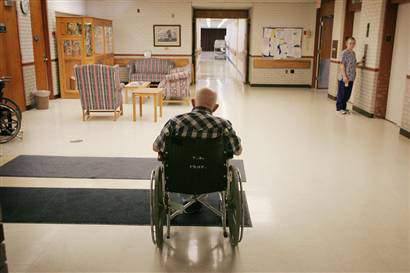
Staffing is one of the clearest answers to why are nursing homes bad. A facility may have caring workers, but they cannot provide safe care if they are rushed, exhausted, or responsible for too many residents.
Staff shortages can affect nearly every part of daily life. A nurse may need to monitor many residents at once. A nursing assistant may have to help several people eat, dress, or use the bathroom during the same short period.
This can lead to:
• Long waits for assistance
• Missed changes in health
• Less time for conversation
• Rushed bathing and meals
• More falls
• More staff turnover
• Lower morale among workers
High turnover can also harm trust. Residents may see a new caregiver every few weeks. Family members then have to repeat important details about routines, health needs, and preferences.
Research from federal health agencies and the National Academies has repeatedly emphasized the importance of adequate staffing and training. Staffing levels alone do not tell the whole story, but very low staffing is a serious warning sign.
A practical lesson for families is simple: visit at different times. A facility may look calm during a scheduled tour but feel very different during a busy evening, weekend, or meal period.

Neglect and Abuse Can Make Nursing Homes Unsafe
Neglect is another major reason people ask why are nursing homes bad. Neglect may not involve direct violence. It can happen when staff fail to provide basic care, notice a health change, or protect a resident from harm.
Possible examples include:
• Leaving a resident in soiled clothing
• Failing to turn a person who cannot move
• Ignoring complaints of pain
• Not giving enough water
• Leaving a person at risk of falling
• Failing to report an injury
Abuse can be physical, emotional, sexual, or financial. A resident may also experience verbal abuse, threats, humiliation, or unnecessary restraint.
Warning signs may include:
• Unexplained bruises or injuries
• Sudden fear around certain workers
• Poor hygiene
• Missing money or belongings
• Unusual weight loss
• New depression or withdrawal
• Repeated infections or bedsores
One sign does not prove abuse. Still, repeated signs should not be dismissed. Keep notes with dates, names, symptoms, and photographs when appropriate. Report urgent danger to emergency services. For suspected elder abuse, families can also contact the long-term care ombudsman program in their state.

Loss of Independence and Personal Choice
A less visible answer to why are nursing homes bad is the loss of independence. Residents may lose control over when they wake, eat, sleep, bathe, or spend time outside.
This loss can feel like moving from being the author of your life to being a passenger. Even when staff mean well, fixed schedules may replace personal routines.
A resident may want to:
• Sleep later
• Choose what to wear
• Eat a favorite food
• Attend religious services
• Keep a pet or hobby
• Spend time alone
• Make decisions about daily care
When a facility does not respect these choices, residents may feel helpless. This can affect mood, appetite, mobility, and self-esteem.
Good care should support independence, not remove it. Ask whether residents help create their care plans. Find out how the facility handles preferences, complaints, private time, visitors, and activities.
Look for staff who speak directly to residents rather than talking about them as if they are not present. That small detail can reveal a great deal about the culture of a facility.

Infections, Falls, and Medical Errors
Many families ask why are nursing homes bad after a resident develops an infection, falls, or has a medication problem. Older adults often have weaker immune systems and more health conditions, so these events can become serious quickly.
Common health risks include:
• Respiratory infections
• Urinary tract infections
• Skin infections
• Falls and broken bones
• Medication side effects
• Dehydration
• Malnutrition
• Pressure injuries
Infections may spread more easily in shared living spaces. However, strong hand hygiene, cleaning, vaccination programs, sick leave policies, and quick treatment can lower risk.
Medication errors may occur when prescriptions change during hospital transfers or when several doctors treat the same person. Families should request a current medication list and ask why each medicine is needed.
Falls are not always preventable. Some residents have balance problems, weak muscles, or memory loss. Still, facilities should assess fall risk, provide safe footwear, keep paths clear, and review medicines that cause dizziness.
The goal is not to demand zero risk. The goal is to see whether the nursing home identifies risks, responds quickly, and learns from mistakes.

Emotional Harm, Loneliness, and Depression
Physical care is only one part of nursing home life. Emotional well-being matters just as much.
Loneliness helps explain why are nursing homes bad for some older adults. A resident may live near many people and still feel alone. Friends may stop visiting. Family members may live far away. Health problems may limit conversation and movement.
Signs of emotional distress can include:
• Loss of interest in activities
• Changes in sleep
• Poor appetite
• Frequent crying
• Anger or fear
• Withdrawal from others
• Confusion that seems worse than usual
Activities can help, but they should be meaningful. Watching television all day is not the same as having a real social life. Residents may enjoy music, gardening, games, art, faith groups, storytelling, or time with children and pets.
Families can help by creating a regular visit or call schedule. Short, frequent contact may be more useful than one long visit every few months. Bring familiar photos, music, snacks, or objects that support a sense of home.

High Costs and Financial Stress
Cost is another important part of why are nursing homes bad for many families. Nursing home care can cost thousands of dollars each month, and coverage rules can be hard to understand.
Medicare generally covers limited skilled nursing care after certain hospital stays and under specific conditions. It does not usually pay for unlimited long-term custodial care. Medicaid may help eligible people, but rules vary by state and often involve income and asset limits.
Families should ask for a written estimate that explains:
• Room and board
• Therapy
• Medication charges
• Supplies
• Personal care items
• Transportation
• Special diets
• Private rooms
• Additional services
Financial pressure can create guilt and conflict. A family may choose a facility based on price rather than safety or fit. That is why early planning matters.
Consider speaking with a certified elder law attorney, a benefits counselor, or a trusted social worker. Avoid giving away assets or signing financial documents without understanding the possible effect on Medicaid eligibility and family members.

Why Nursing Home Care May Not Meet Every Person’s Needs
A nursing home may be a poor fit when a person needs care that the facility does not specialize in. For example, a resident with advanced dementia may need a secure memory care setting. Another person may need intensive rehabilitation after surgery.
Ask whether the facility can manage:
• Dementia-related behaviors
• Feeding tubes
• Oxygen
• Wound care
• Diabetes
• Complex medicines
• Mobility equipment
• Hospice or comfort care
• Mental health needs
A hospital may discharge a patient to a nursing home because it is the next available level of care. That does not always mean the facility is the best long-term choice.
Families should ask what happens if the resident’s needs change. Can the facility provide more care, or will the person need another move? Repeated moves can be stressful and may worsen confusion in older adults.
Are All Nursing Homes Bad?
No. Many nursing homes have skilled, compassionate workers and strong safety systems. The phrase why are nursing homes bad can create an unfair picture because quality differs widely by location, ownership, leadership, staffing, and resident needs.
Some nursing homes provide valuable services, such as:
• 24-hour nursing supervision
• Physical, occupational, or speech therapy
• Help with meals and personal care
• Wound treatment
• Dementia support
• Hospice services
• Short-term rehabilitation
• Social activities and transportation
The best facility is not always the newest or most expensive one. It is the one that can safely meet the person’s medical, emotional, cultural, and personal needs.
Check inspection reports, staffing information, complaint records, and quality ratings. Talk with current residents and families. Trust your observations, especially if staff avoid questions or residents appear frightened and neglected.
Safer Alternatives to Nursing Homes
The answer to why are nursing homes bad may lead families to consider other options. The right choice depends on health, safety, money, housing, and available support.
Possible alternatives include:
• Home care: A paid caregiver helps with personal care, meals, medicine reminders, or chores.
• Family caregiving: Relatives provide some or all daily support, often with outside help.
• Adult day programs: Older adults receive supervision and activities during the day.
• Assisted living: Residents have private or shared apartments with help available.
• Memory care: A secure setting supports people with dementia.
• Continuing care communities: Different levels of care exist on one campus.
• Hospice care: Comfort-focused support is provided at home or in a facility.
Home care is not always safer. A person who falls often, wanders, or needs complex medical treatment may need more support than a family can provide.
Make a care plan based on actual needs. Ask a doctor, occupational therapist, hospital social worker, or aging specialist to assess the home and recommend suitable services.
How to Choose a Better Nursing Home
If nursing home care is needed, use a careful process. Do not rely on a brochure or a single short tour.
1. Visit more than once
Visit during meals, evenings, and weekends. Notice odors, noise, cleanliness, lighting, and how staff speak to residents.
2. Ask direct questions
Ask about staff turnover, nurse coverage, emergency plans, falls, infections, complaints, and hospital transfers. Request clear answers in writing when possible.
3. Review public records
Check government inspection reports, complaint histories, licensing records, and quality ratings. A single violation may not explain the whole facility, so look for patterns and repeated problems.
4. Meet the care team
Ask to speak with the administrator, director of nursing, social worker, and therapist. Notice whether they listen and explain things clearly.
5. Read the care agreement
Understand discharge rules, billing, services, rights, roommate policies, and complaint procedures before signing.
6. Include the future resident
If possible, let the older adult participate in the decision. Their comfort, culture, language, privacy, and routine should matter.
7. Keep monitoring after admission
Continue visits and ask questions. Watch for changes in weight, mood, hygiene, mobility, sleep, and medication use.
What Families Can Do If Care Seems Poor
When care seems unsafe, stay calm but act quickly. Start by speaking with the nurse in charge or the director of nursing. Explain the concern with specific facts, dates, and requested action.
Follow these steps:
-
Write down what happened.
-
Take photographs when relevant and lawful.
-
Ask for a care plan meeting.
-
Speak with the facility administrator.
-
Contact the long-term care ombudsman.
-
Report serious neglect or abuse to the state agency.
-
Seek medical care for injuries or sudden health changes.
-
Contact an elder law attorney if rights or finances are involved.
Do not wait for perfect proof before reporting a serious concern. A reasonable report can help protect the resident and others.
Families should also avoid one common mistake: assuming someone else is watching closely. Staff may have good intentions, but regular family involvement adds another layer of safety.
Questions to Ask Before Moving Someone Into a Nursing Home
Use these questions during visits and care meetings:
• How many nurses and nursing assistants work on each shift?
• How often does the staff change?
• How are falls and medication errors reported?
• What happens when a resident refuses care?
• How quickly are families told about injuries or hospital visits?
• Can residents keep their own routines?
• What activities are offered each day?
• How does the facility prevent infections?
• What is included in the monthly price?
• What services cost extra?
Clear answers matter. Evasive answers, pressure to sign quickly, or promises that seem too good to be true should make you pause.
Frequently Asked Questions About Why Are Nursing Homes Bad
Why are nursing homes bad for older adults?
Nursing homes may be harmful when staffing is low, care is poorly managed, or residents lose control over daily choices. Problems can include neglect, infections, falls, loneliness, medication errors, and high costs.
Are nursing homes worse than home care?
Not always. Home care may be better for someone who is safe at home with enough support, while a nursing home may be safer for a person who needs 24-hour medical care.
What are the biggest signs of a bad nursing home?
Repeated poor hygiene, unexplained injuries, strong odors, unanswered call lights, frequent staff changes, weight loss, and weak communication are warning signs. One concern may have an explanation, but repeated problems deserve action.
How can I protect a family member in a nursing home?
Visit often, learn the resident’s care plan, track changes, and speak up about concerns. Keep contact details for the facility, the state ombudsman, and emergency services.
Can a nursing home refuse to let family visit?
Facilities generally must follow resident rights and reasonable visitation rules, though safety or public health limits may apply. Ask for the policy in writing and seek help if restrictions seem unfair or unsafe.
What is the safest alternative to a nursing home?
There is no single safest option for everyone. The best choice depends on medical needs, fall risk, dementia symptoms, home conditions, finances, and the amount of reliable support available.
Conclusion
The question why are nursing homes bad has no simple answer. Some facilities fail because of weak staffing, poor oversight, neglect, unsafe systems, high costs, or a culture that ignores resident choice. Others provide skilled care that a person cannot safely receive at home.
Focus on evidence, not fear alone. Visit more than once, check inspection records, ask direct questions, include your loved one, and keep monitoring care after admission. If you are comparing options, speak with a doctor, social worker, ombudsman, or elder law professional, then explore trusted local resources and share your questions or experience with others.

Michael Reynolds is a senior contributor at RetirementGazette.com, where he focuses on helping readers navigate the journey toward a secure and fulfilling retirement. With over a decade of experience in personal finance, retirement planning, and lifestyle writing, Michael combines practical strategies with easy-to-understand guidance tailored for both pre-retirees and those already enjoying their golden years.