Retirement is not an end. It is a new start. Your time is your own. Your energy is yours to direct. You can build days that feel light yet full. You can shape weeks that hold calm and meaning. A happy retirement life grows from small, steady habits. You plant them. They take root. They carry you forward.
This guide shows the top 10 habits that help you thrive. They are simple. They are kind to your body and your mind. They work for many budgets and many homes. Mix them to match your goals. Test them. Keep what fits. Leave what does not. The point is to build a rhythm that feels true. It should feel like a clear sky after rain.
You will see steps to start today. You will see plans for the next month. You will see tools, tips, and gentle prompts. You will also see why each habit matters. Think of this as a map. You hold the wheel. You set the pace. You get to enjoy the ride.

1) Build a Health-First Routine
Health is your base. Strong bones, a clear mind, and steady sleep all help joy grow. Healthy habits also cut stress. You feel more free. You feel more safe. This is the root of a happy retirement life.

Why this habit works
Good health gives you time, choice, and ease. It lowers risk for many long-term issues. It also boosts mood and memory. When you feel well, days feel rich, not rushed.

- Energy stays steady through the day.
- Joints move with less pain and more grace.
- Mood swings soften. Hope grows.
- You spend less on care in the long run.
Daily health moves
Set a short, smart plan. Think of your body like a house. You keep it clean. You fix small things fast. You plan for storms.

- Drink water after you wake. One glass.
- Stand and stretch every hour.
- Walk for 10 to 20 minutes after meals.
- Keep a sleep time and a wake time.
- Add two minutes of deep breaths before bed.
Food choices that love you back
Eat whole food most of the time. Aim for color and fiber. Keep meals simple. Think “farm, not factory.”

- Fill half the plate with plants.
- Pick lean proteins: fish, beans, eggs, tofu.
- Swap white grains for brown or oats.
- Use olive oil and nuts for healthy fats.
- Keep treats small. Savor them.
Track and celebrate
Small wins add up. Tracking helps you see them. It keeps you honest and kind to yourself.

- Use a wall calendar. Mark each walk.
- Wear a step counter if you like.
- Log meals for one week each month.
- Reward streaks with fun, not food.
- Share wins with a friend for cheer.
2) Secure Your Money Rhythm
Money should feel clear and calm. You worked for it. Now it should work for you. A calm cash flow turns stress down. It frees space for play and purpose.

Simplify your cash flow
Make it easy to see what comes in and what goes out. Use one page. Use one simple plan. Clarity is power.
:max_bytes(150000):strip_icc()/life-cycle-hypothesis.asp-final-cb3c307a7bf646f78373abe24ed66b08.png)
- List all income: Social Security, pension, savings draws, part-time work.
- List fixed costs: housing, food, meds, insurance.
- List joy costs: travel, hobbies, gifts.
- Build a one-month cash buffer.
- Move bills to auto-pay when safe.
Withdrawal strategy basics
A draw plan helps your wealth last. It also helps you sleep well. Think long-term, then act in short steps.

- Start with a 3% to 4% yearly draw if it fits.
- Pull from cash for 12 months of needs.
- Refill cash from bonds or funds once a year.
- Keep taxes in mind with each move.
- Review the plan once each season.
Cut costs, keep joy
You do not need to cut joy to cut waste. Trim where it hurts least. Add value where it helps most.
- Switch plans for phone, web, and TV.
- Use library books and free classes.
- Cook more at home. Share meals.
- Buy used gear for hobbies.
- Bundle tasks to save gas and time.
Work-light income ideas
Many people like a bit of work. It adds cash and keeps the mind sharp. It also brings new friends.
- Tutor a skill you know.
- Sell crafts, art, or baked goods.
- Pet sit or house sit.
- Guide local walks or history tours.
- Do seasonal work at parks or museums.
3) Move Your Body with Joy
Motion feeds joints, heart, and mind. It brightens mood. It supports sleep. It slows loss of muscle. You do not need hard workouts. You need steady ones. Aim for fun. Aim for “I can’t wait to do this.”
Mix of strength, cardio, balance, and stretch
A simple blend covers all you need. It cuts risk of falls. It builds stamina. It keeps you able and proud.
- Strength: 2 to 3 days. Use bands or light weights.
- Cardio: 150 minutes each week. Walk, swim, bike.
- Balance: 5 minutes a day. Try heel-to-toe walk.
- Flexibility: 5 to 10 minutes after each session.
A weekly plan you can copy
This is a gentle sample. Tweak it to your needs. Short sets count. Joy counts most.
- Monday: 20-minute walk. 10-minute stretch.
- Tuesday: Bands for arms and legs. 15 minutes.
- Wednesday: Swim or cycle 20 minutes.
- Thursday: Balance drills 5 minutes. Short walk.
- Friday: Strength day. Core and back focus.
- Saturday: Fun move. Dance, hike, or garden.
- Sunday: Rest. Breathe. Stroll with a friend.
Joint-safe tips
Care for your knees, hips, back, and neck. Slow and steady wins. Pain is a hint, not a dare.
- Warm up for five minutes.
- Use shoes with good support.
- Keep steps small on hills.
- Stop if pain is sharp or odd.
- See a pro if pain lasts more than a week.
Make it social
We move more when we do it with others. Joy grows when shared. Plans stick when friends wait for us.
- Join a walking club.
- Try a low-impact class at a community center.
- Meet a neighbor for a morning loop.
- Post progress in a small group chat.
- Plan a monthly “mini-hike and brunch.”
4) Keep a Social Circle Alive
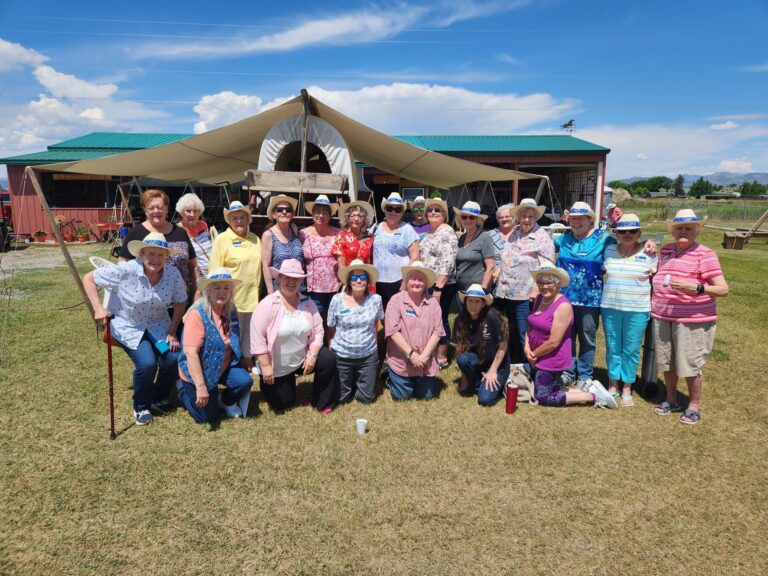
Strong ties guard your heart and mind. They help you feel seen. They shape a happy retirement life. You do not need many friends. You need warm ones. You need a few you trust and enjoy.
Why friends fight loneliness
Loneliness can harm health. Friends are a true shield. Warm words can be like sun on a cold day.
- Social ties lower stress and blood pressure.
- Laughing lights up your brain.
- Sharing helps you heal and grow.
- Being needed builds purpose.
Build routine touchpoints
Do not leave this to chance. Put connection on the calendar. Keep it light. Keep it sure.
- Call one friend every Tuesday.
- Host tea on the first Friday.
- Send a note each week to one person.
- Start a “Sunday soup” circle in winter.
Expand your tribe with ease
It is never too late to meet new people. The key is shared interests. Go where your joy lives.
- Take a class you want to try.
- Join a garden club or book club.
- Volunteer for a cause you love.
- Visit a maker space or art studio.
Set boundaries for energy
Your time is a gift. Use it well. Warm “no” makes room for a firm “yes.”
- Say, “I can after next week,” if you need space.
- Limit events that drain you.
- Plan down time after big days.
- Choose small groups if that suits you.
5) Learn Something New Every Week
Your brain loves new paths. Learning builds new links. It fights fog. It lifts mood. It adds spark to each day. Lifelong learning is one of the best retirement habits you can keep.
Brain fitness basics
Short, daily practice works best. It takes little time. It builds a lot of power with use.
- Read for 20 minutes a day.
- Learn a small skill for 10 minutes.
- Try word or number puzzles.
- Teach what you learn to someone else.
A “learning menu” to pick from
Choose easy wins first. Then branch out. Keep it fun. Keep it fresh. Make it social where you can.
- Learn a language with an app.
- Study nature on local walks.
- Try a music class. Drums, voice, or piano.
- Explore genealogy and family stories.
- Take a free online course on art or history.
Create a study nook
A calm place helps you focus. It tells your brain, “This is learning time.” Small things make a big gain.
- Good light. Warm seat. Clean desk.
- A timer for 15-minute sprints.
- One small goal per session.
- A journal to track notes and wins.
6) Start Gardening After Retirement
Plants teach patience and joy. Soil soothes. Green can quiet the heart. A garden can be a tiny plot, a few pots, or a full yard. Start where you are. This habit blends movement, fresh food, and calm. It is a gift you grow for yourself.
Why gardening lifts mood and health
Time in nature lowers stress. It helps with focus and sleep. It also adds a clear sense of purpose. You watch life grow under your care.
- Sunlight supports vitamin D.
- Light motion keeps joints warm.
- Fresh herbs and veggies brighten meals.
- You feel proud with each bloom and bite.
Start small to start strong
You do not need a big space. A few pots by the door can shine. Small steps help your habit stick.
- Pick 3 easy plants: basil, tomatoes, and marigolds.
- Use raised beds if bending is hard.
- Choose tools with long handles.
- Water in the morning to save time and water.
A year-round plan
Gardening shifts with the seasons. This keeps it fun. There is always a step to enjoy.
- Spring: Plant cool greens and herbs.
- Summer: Harvest tomatoes, peppers, squash.
- Fall: Plant garlic and bulbs.
- Winter: Plan next year. Start seeds indoors.
Safety and comfort
Care for your skin and joints. Make work gentle. Let tools help you.
- Wear gloves and a hat.
- Keep a stool or bench in the yard.
- Use drip lines to avoid heavy watering.
- Store tools at hip height to protect your back.
Share the harvest
Gardening grows food and joy. Sharing grows both. This builds bonds and lifts your community.
- Trade herbs with neighbors.
- Host a small “garden tasting” day.
- Give bouquets to friends.
- Donate extra produce to a food bank.
7) Practice Mindfulness and Mental Care
Your mind holds your story. It also needs rest and care. Mindfulness builds calm. It can help pain and worry feel smaller. It can help joy feel larger. Think of it as a soft place in your day.
Simple practices to try
Start with short steps. Keep it easy. The point is not to be perfect. The point is to be present.
- Sit and breathe for two minutes.
- Walk and notice five small things.
- Write down three good moments from your day.
- Scan your body from head to toe.
Sleep as your base
Sleep repairs mind and body. It sets your next day up well. Treat it like gold.
- Go to bed and wake up at set times.
- Keep the room cool and dark.
- Stop screens one hour before bed.
- Use a simple wind-down ritual each night.
When to seek help
Strong people ask for help when they need it. There is real power in that. You do not have to face hard days alone.
- Reach out if sad or worry lasts two weeks.
- Use a therapist, doctor, or support group.
- Call a friend and share your load.
- Try guided care for sleep, grief, or pain.
8) Define Your Purpose and Give Back
Purpose is the north star of a happy retirement life. It gives shape to your days. It brings deep joy. It turns time into meaning. Giving back also links you with care and community.
Find your purpose theme
You already hold clues. Look at what lights you up. Look at who you love to help. Shape a simple theme from that.
- “I pass on craft and skills.”
- “I mentor the next generation.”
- “I care for the land and local life.”
- “I tell stories that heal.”
Volunteer options that fit your life
Service is more than a duty. It is a path to joy. Pick what matches your strengths and time.
- Tutor kids in reading or math.
- Help at a shelter or food pantry.
- Plant trees with a city group.
- Support arts groups at events.
- Offer rides or visits to elders who live alone.
Design a legacy project
A legacy can be simple. It can grow with you. Think of it like a garden that others tend one day.
- Record family stories with photos and audio.
- Build a free “little library” in your yard.
- Create a small grant for a local cause.
- Start a community garden bed in your block.
9) Design Your Days with Structure and Play
Days want a frame. A light plan helps you feel free, not trapped. It keeps drift away. It makes room for joy. It turns vague time into sweet time.
The three-block day method
Split the day into three parts. Morning, mid-day, and evening. Give each a theme that fits you.
- Morning: Health and learning.
- Mid-day: Social and tasks.
- Evening: Art, books, and wind-down.
- Keep one open block for rest or play.
Rituals that anchor you
Rituals are small acts that signal care. They shape your mood. They invite calm and flow.
- Light a candle for tea time.
- Write a three-line journal entry at dawn.
- Play a song before you start chores.
- Take a five-minute “sun check” on the porch.
Travel light, travel often
You can travel near or far. Short trips spark joy. They do not need to cost much. They enrich your retirement habits with wonder.
- Day trips to parks or towns.
- Off-season deals by bus or train.
- House swaps with friends.
- Museum free days and local events.
10) Keep Your Home Age-Friendly and Joy-Ready
Your home is your base. Make it safe, simple, and bright. It should hold ease and welcome. It should let you age in place with grace.
Safety upgrades that matter
A few changes can prevent falls. They can also help you feel at peace. Safety is love in action.
- Add grab bars in bath and near steps.
- Use bright lights in halls and entry.
- Keep cords and rugs secure.
- Place non-slip mats where floors get wet.
Digital comfort and security
Tech can help life flow. It can link you to care and family. Keep it simple. Keep it safe.
- Set up telehealth on your tablet.
- Use password tools for security.
- Install a video doorbell.
- Use auto-off plugs for heat devices.
Clutter-free systems
Less stuff means less stress. Order brings calm. It can also save time and money.
- Donate what you have not used in a year.
- Use clear bins with labels.
- Keep a “one in, one out” rule.
- Do a 10-minute tidy at day’s end.
Common Myths About a Happy Retirement Life
Many beliefs hold people back. They are myths, not facts. Let’s clear them. When you see the truth, you can move with ease.
Myth 1: “I must have a big budget to be happy”
Money helps, but joy comes from habits. Kind ties and a clear plan matter more. Simple fun can fill your days with light.
- Free parks, free music, and the library can fuel rich weeks.
- Small, local trips beat one big trip you stress over.
- A budget that fits you beats a big budget that fits others.
Myth 2: “If I slow down, I will fall apart”
Rest is not rot. Smart rest heals and builds. Your body needs cycles of work and ease.
- Mix motion with soft days.
- Use short bursts.
- Listen to pain and adjust.
- Sleep is training too.
Myth 3: “It’s too late to learn new skills”
Your brain can grow at any age. It needs challenge and care. Learning brings pride and fun.
- Start with small wins.
- Learn with a friend.
- Keep a progress log.
- Share your work for feedback and joy.
Myth 4: “If I need help, I have failed”
Help is wise. It is brave. It is how we thrive as humans. We are built to support each other.
- Ask early.
- Trade help to share the load.
- Use groups and community services.
- Treat help like a tool, not a shame.
30-Day Jumpstart Plan to Build These Retirement Habits
Big change grows from small steps. Try this one-month plan. It is simple and kind. It sets your base. It helps you gain quick wins. You can then build more.
Week 1: Health and space
Focus on your base. Get your body and home ready. Keep tasks tiny and clear.
- Walk 10 minutes a day, five days this week.
- Drink one full glass of water at wake.
- Go to bed and wake at the same time.
- Clear one drawer and one shelf.
- Put in good light bulbs where you read.
Week 2: Money and motion
Start your money map. Add more gentle moves. Build a small sense of control.
- Make a one-page budget.
- List all income and all fixed costs.
- Set up auto-pay for one bill.
- Add one strength day with bands.
- Try a five-minute balance drill daily.
Week 3: Social and learning
Reach out. Keep the brain happy. Make one plan to meet up.
- Call one old friend.
- Plan tea with a neighbor.
- Read 20 minutes a day.
- Try one new skill for 10 minutes a day.
- Write down one kind thing you did.
Week 4: Purpose and garden
Plant more than seeds. Plant meaning. Start gardening after retirement with one small step.
- Pick two plants for pots.
- Set up one volunteer inquiry.
- Create a “three-block day” schedule.
- Add a two-minute breath practice at night.
- Review your budget and adjust one line.
How to keep momentum
Use cues and rewards. Keep it light. Make it social if that helps. Your future self will thank you.
- Tie new habits to old ones.
- Use a habit tracker on paper.
- Share goals with a buddy.
- Celebrate small wins each week.
- Adjust plans when life shifts.
FAQs About Top Retirement Habits
Q: What is the one habit that gives the biggest boost to a happy retirement life?
A: Move every day. Even 10 minutes helps a lot. It lifts mood. It guards your heart. It improves sleep and weight. It also sparks energy to work on other habits.
Q: How can I stick to habits if I tend to stop after a week?
A: Make the habit tiny. Link it to a cue, like coffee time. Track it with a simple mark on a calendar. Reward it with a smile or a small treat. Tell a friend for support. Start again the next day if you miss.
Q: Where should I put savings if I want safe cash for a year?
A: A high-yield savings account or short-term CDs often work well. They are simple and low-risk. Check rates and rules. Keep fees and penalties low.
Q: Do I need a gym to build strength?
A: No. Bands, light weights, or body weight can work. Focus on form. Do short sets. Add reps as you grow. A few moves done well can make a big change.
Q: I do not like large groups. How can I build social ties?
A: Try small circles. Tea with one friend. A book chat with two people. A quiet class. Volunteer work that fits your pace. Depth beats size. Choose warmth over noise.
Q: What if I have a small yard or none at all? Can I still start gardening after retirement?
A: Yes. Use pots on a porch or window. Grow herbs or salad greens. Join a community garden. Share a small plot with a neighbor. Start small and enjoy the process.
Q: How should I plan travel on a tight budget?
A: Plan short trips nearby. Go off-season. Use bus or train deals. Pack snacks and water. Visit free sites, parks, and museums on free days. Stay with friends or try house swaps if you can.
Q: I feel down some days. Is that normal in retirement?
A: Yes, change can feel hard. Mood can dip. Use light, motion, and talk. Build a routine. Reach out to a friend. If low mood lasts two weeks or more, seek help. You deserve care.
Q: What are warning signs that I push too hard in workouts?
A: Sharp pain, dizziness, or breath that feels unsafe. Pain that lasts days. Swelling that gets worse. Stop and rest. If it keeps up, see a pro.
Q: How can I make my home safer right now?
A: Clear paths. Add light in halls. Secure rugs. Put non-slip mats in wet spots. Keep a phone in easy reach. Small steps can prevent bad falls.
Conclusion
A happy retirement life does not come by chance. It grows from kind, steady habits. You now hold ten that work well. They are simple. They are flexible. They fit many lives and budgets. Start with one today. Take one small step. Then take one more tomorrow.
Let your health lead. Shape a clear money rhythm. Move with joy. Nurture warm ties. Learn each week. Start gardening after retirement to find calm and pride. Care for your mind. Give back and live your purpose. Build light structure into your days. Make your home safe and serene.
Think of your next years like a garden. You add seeds. You add water and sun. You enjoy what grows. There will be rain and wind. But you will be ready. You will adjust. You will keep going. Your life will bloom in its own bright way.

Michael Reynolds is a senior contributor at RetirementGazette.com, where he focuses on helping readers navigate the journey toward a secure and fulfilling retirement. With over a decade of experience in personal finance, retirement planning, and lifestyle writing, Michael combines practical strategies with easy-to-understand guidance tailored for both pre-retirees and those already enjoying their golden years.