
California seniors may receive up to $292 a month through CalFresh, while another program may provide $50 yearly for farmers’ market foods.
The phrase “senior grocery allowance” can mean several California food programs, not one fixed payment. The amount depends on the program, household income, medical costs, household size, and county rules. This guide explains the main options, who qualifies, how much help may be available, and how seniors can apply without missing valuable deductions.
Is There a Senior Grocery Allowance in California?
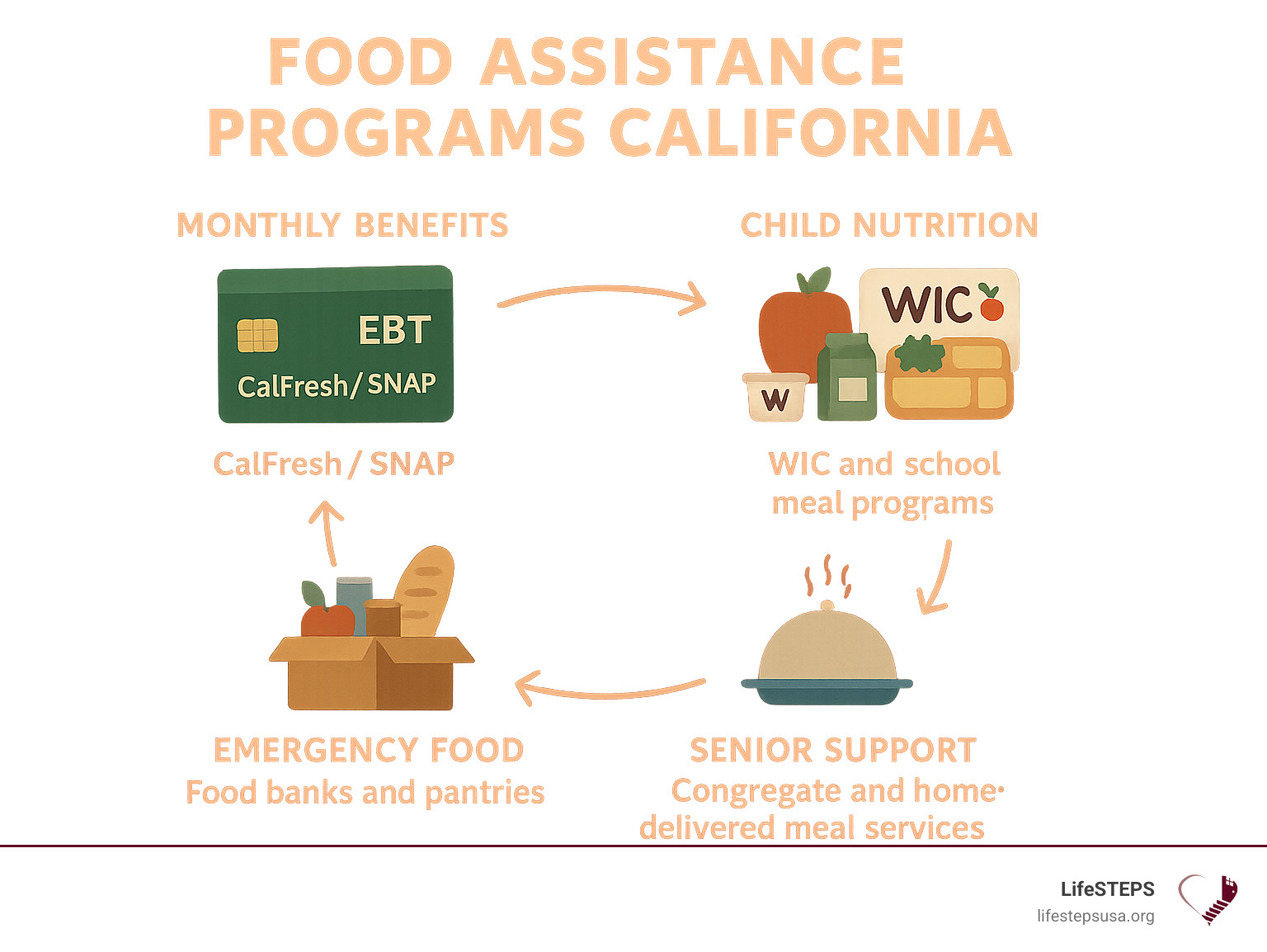
California does not have one universal grocery allowance for every older adult. Instead, seniors may qualify for food help through programs such as CalFresh, the Senior Farmers’ Market Nutrition Program, or the Commodity Supplemental Food Program.
For many people, CalFresh is the largest source of monthly grocery help. It adds money to an electronic benefits transfer, or EBT, card. The card works much like a debit card at approved grocery stores and farmers markets.
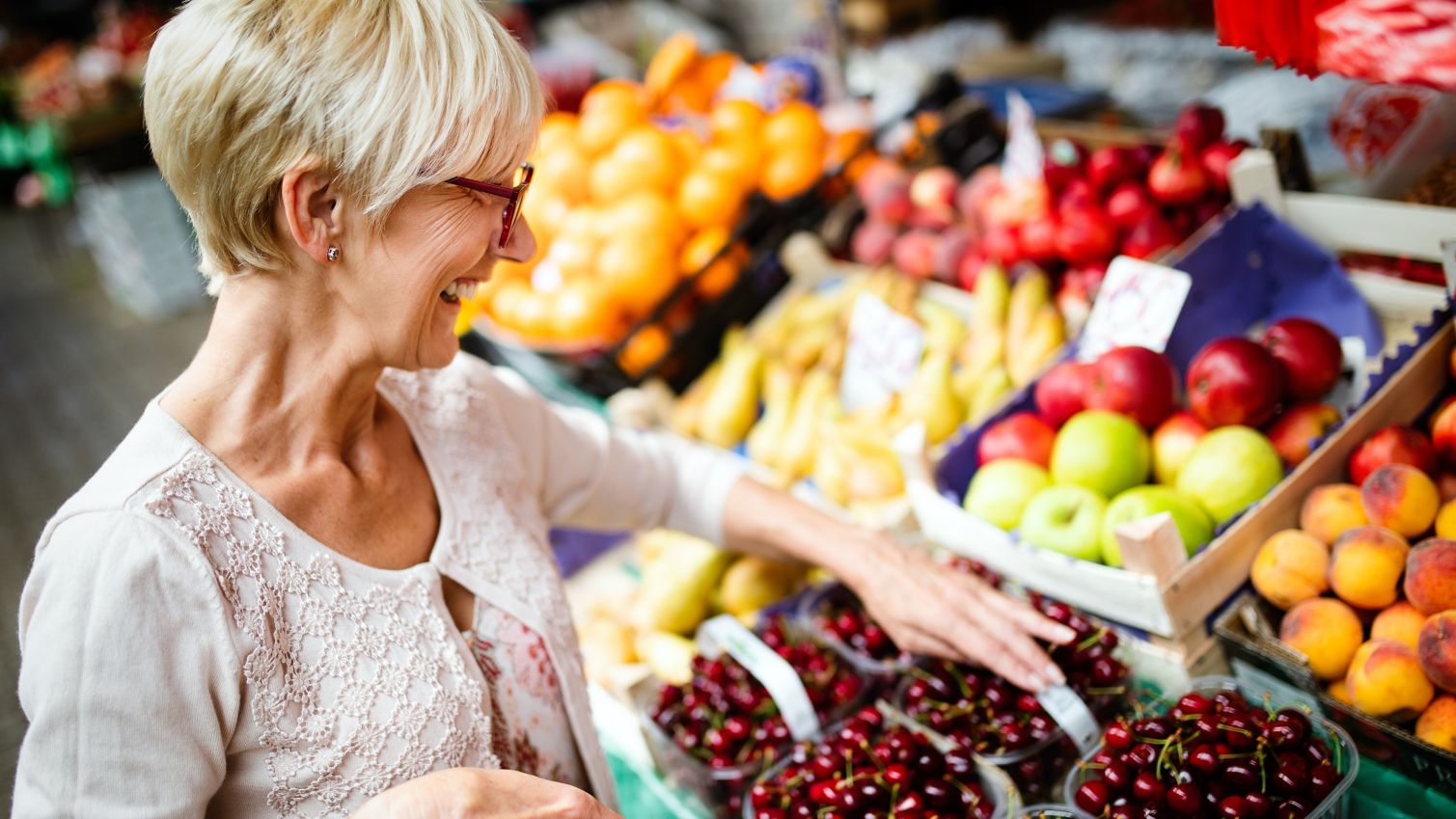
The California Senior Farmers’ Market Nutrition Program is different. It usually provides a smaller yearly benefit for fresh fruits, vegetables, herbs, and other approved foods from farmers markets or farm stands.
The main programs are:
• CalFresh: Monthly grocery benefits placed on an EBT card.
• Senior Farmers’ Market Nutrition Program: A seasonal yearly benefit, often $50, for eligible seniors.
• Commodity Supplemental Food Program: A monthly food package or box in areas where the program is available.
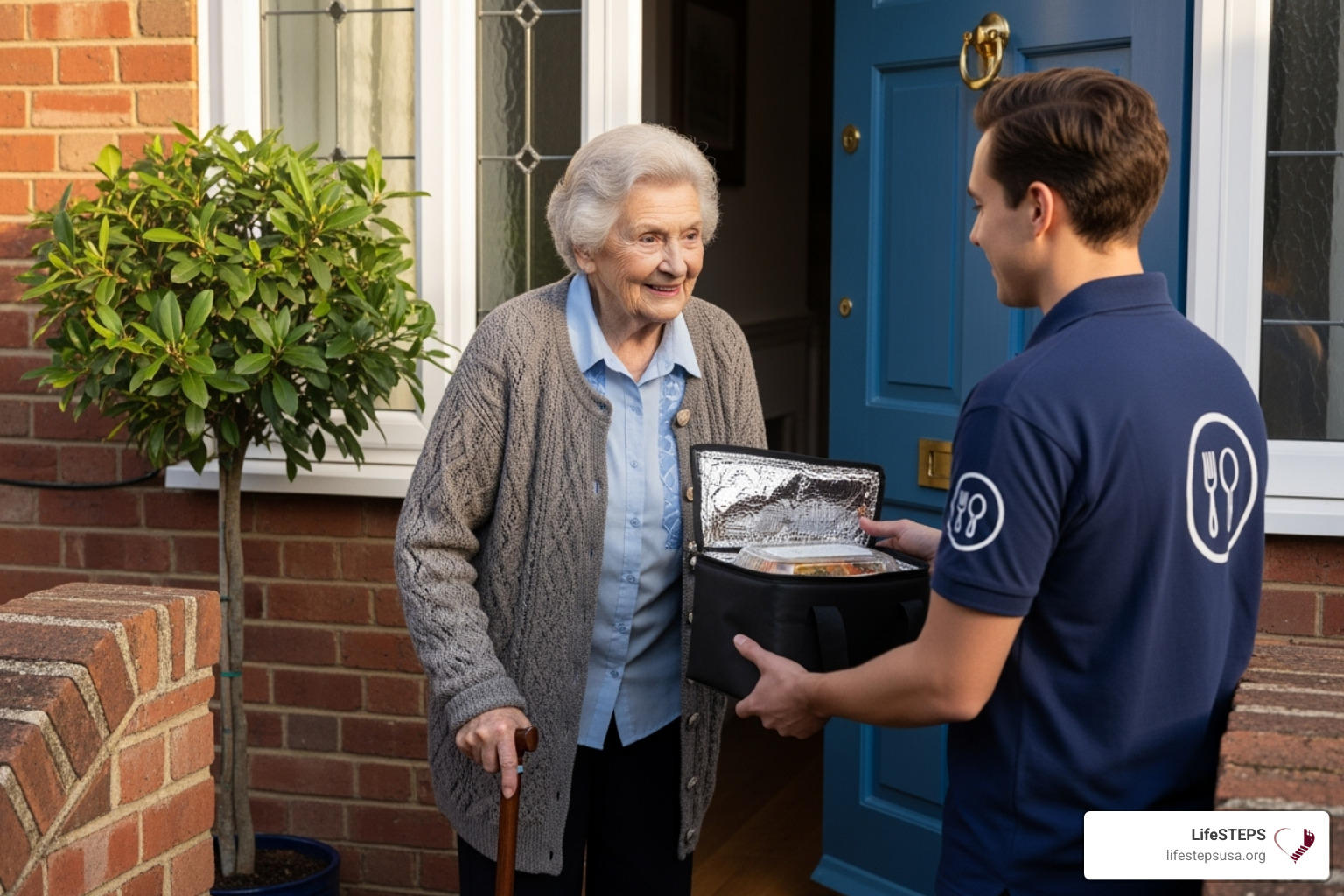
• Local food programs: Food banks, senior meal sites, congregate meals, and home-delivered meals may offer extra support.
This means the answer to “how much is the senior grocery allowance in California” depends on which program the person means.
How Much Is the Senior Grocery Allowance in California Through CalFresh?
For the federal benefit year from October 1, 2024, through September 30, 2025, the maximum CalFresh benefit for a one-person household in California is $292 per month.
This is the maximum amount, not the amount every senior receives. CalFresh calculates the actual benefit after reviewing household income, allowable deductions, and household size.
The maximum monthly amounts for the 48 contiguous states, including California, are:
• One person: $292
• Two people: $536
• Three people: $768
• Four people: $975
• Five people: $1,158
• Six people: $1,390
• Seven people: $1,537
• Eight people: $1,756
• Each additional person: Add $219
These figures change each federal fiscal year. Anyone applying should check the current amount with the California Department of Social Services or the county social services office.
A senior living alone may receive less than $292 if they have countable income. However, deductions can make a major difference. For example, an older adult with high rent, utility costs, or medical bills may qualify for more CalFresh than expected.
The best answer to “how much is the senior grocery allowance in California” is therefore a range. A qualifying senior household may receive a small monthly benefit or the full maximum, depending on its budget.

How CalFresh Calculates a Senior’s Grocery Benefit
CalFresh does not simply look at a senior’s Social Security check. The program reviews income and then subtracts certain expenses allowed under federal and state rules.
A basic calculation looks like this:
-
The household reports its gross income.
-
The program applies approved deductions.
-
The county determines the household’s net income.
-
The expected food contribution is calculated.
-
The household receives the remaining benefit, up to the maximum allotment.
Important deductions may include:
• A standard deduction for basic household expenses.
• Rent or mortgage costs.
• Utility expenses.
• Child care costs, when applicable.
• Court-ordered child support.
• Certain medical expenses for elderly or disabled household members.
Medical costs are especially important for seniors. Approved expenses may include prescription drugs, doctor visits, hospital bills, Medicare premiums, medical equipment, transportation for medical care, and some health insurance costs.
A common mistake is failing to report medical expenses because each bill seems small. Several small costs can become a useful monthly deduction when added together.
For example, a senior may pay for Medicare premiums, prescriptions, glasses, dental care, and rides to medical appointments. Keeping receipts and statements can help the county calculate the household budget correctly.
How Much Is the Senior Grocery Allowance in California for Farmers’ Markets?
The Senior Farmers’ Market Nutrition Program commonly provides $50 per eligible senior each year. The benefit may come as checks, coupons, or electronic benefits, depending on the local agency and the current program year.
This benefit is not the same as CalFresh. It is usually limited to approved fresh foods, such as:
• Fresh fruits
• Fresh vegetables
• Fresh herbs
• Honey
• Eligible plants or seeds in some locations
The program is designed for low-income adults age 60 and older. Income limits are generally tied to 185% of the federal poverty level, although local agencies manage enrollment and may have limited funding.
The yearly benefit can be useful, but it is not a replacement for monthly grocery assistance. A senior who receives $50 through this program may still apply for CalFresh, food boxes, meals, or food pantry support.
When people ask how much is the senior grocery allowance in California, they may be referring to this $50 farmers’ market benefit. It is wise to ask the local Area Agency on Aging or county office which benefit is being offered.
Does California Offer a Monthly Senior Food Box?
Some older adults may qualify for the Commodity Supplemental Food Program, often called CSFP. This program generally provides a monthly package of nutritious food instead of money on an EBT card.
A food package may contain items such as:
• Cereal
• Rice or pasta
• Beans
• Canned vegetables
• Canned fruit
• Peanut butter
• Shelf-stable milk
• Cheese
• Canned meat or fish
The exact foods vary by month and by distribution site. Availability also varies by county, so not every California senior can enroll.
CSFP usually serves adults age 60 and older who meet income rules. The income limit is often based on 130% of the federal poverty level, but applicants should confirm the current limit with the local provider.
This program can work alongside other support. Receiving Social Security, SSI, Medicare, or CalFresh does not automatically mean a person cannot receive a food box. Each program has its own rules.

Who Qualifies for Senior Grocery Assistance in California?
Most senior food programs use age, income, residency, and household information to determine eligibility.
For CalFresh, an elderly household member is generally someone age 60 or older. A person may also qualify under disability rules, even if they are younger than 60.
Key factors include:
• Age or disability status
• California residency
• Household size
• Monthly income
• Housing expenses
• Medical expenses
• Immigration or citizenship rules
• Whether the applicant buys and prepares food separately
CalFresh uses the idea of a food household, not always everyone living under one roof. For example, an older adult may live with an adult child but purchase and prepare food separately. The county may treat them as a separate CalFresh household.
This detail matters. Applying as the wrong household can lead to confusion or an incorrect benefit amount.
SSI recipients in California may apply for CalFresh. California changed its rules so that receiving Supplemental Security Income does not automatically prevent someone from receiving CalFresh.
Social Security income usually counts as income. Medicare premiums and other allowable medical costs may also affect the calculation. Applicants should report both income and expenses rather than assuming they will not qualify.

Can Seniors Get CalFresh If They Receive Social Security?
Yes. A senior who receives Social Security may still qualify for CalFresh. Social Security retirement, survivor, and disability payments generally count as household income, but income alone does not always tell the full story.
Housing and medical costs can reduce countable income. This is why a senior with a modest Social Security payment should still apply, especially if rent, utilities, prescriptions, or Medicare premiums take up much of the monthly budget.
California also has rules that can make it easier for some older or disabled adults to qualify. The county may use special application and verification procedures for households with elderly or disabled members.
A practical tip is to gather:
• Social Security award letters
• Bank statements, if requested
• Rent or mortgage proof
• Utility bills
• Medicare premium information
• Prescription and medical receipts
• Identification documents
Do not wait until every document is perfect before starting an application. The county can explain what is needed and may allow missing proof to be submitted later.
What Can Seniors Buy With CalFresh?
CalFresh benefits are meant for food prepared at home. They can be used at participating supermarkets, small stores, farmers markets, and some online grocery retailers.
Eligible items often include:
• Fruits and vegetables
• Meat, poultry, and fish
• Dairy products
• Bread and cereals
• Seeds and plants that produce food
CalFresh generally cannot pay for:
• Alcohol
• Tobacco
• Vitamins and supplements
• Pet food
• Household goods
• Cleaning products
• Hot meals prepared for immediate eating
Some California counties participate in the Restaurant Meals Program. It may allow certain older, disabled, or unhoused CalFresh recipients to buy prepared meals from approved restaurants. Participation and restaurant availability vary by county.
Seniors should check the store’s payment rules before shopping. Some farmers markets offer a way to use EBT benefits and may provide separate market incentives for fruits and vegetables.

How to Apply for the Senior Grocery Allowance in California
The simplest way to apply for CalFresh is through the California benefits portal, the county social services office, or a community organization that helps with applications.
Applicants can usually apply online, by mail, by phone, or in person. The exact process may vary by county.
A typical application includes these steps:
-
Submit an application with basic household information.
-
Complete an interview with a county worker.
-
Provide proof of income, identity, housing, and expenses when requested.
-
Wait for the eligibility decision.
-
Receive an EBT card if approved.
CalFresh applications are generally processed within 30 days. A household with very low income, little cash, or urgent need may qualify for expedited service.
For the Senior Farmers’ Market Nutrition Program or a food box, contact the local Area Agency on Aging, senior center, food bank, or county aging department. These programs often have limited enrollment and may operate only during certain seasons.
When applying, clearly say that you are asking about every available food program. A person who asks only about the senior grocery allowance in California may be told about one program and miss another.
Mistakes That Can Lower a Senior’s Food Benefits
Many older adults assume they will not qualify because they own a home, receive Social Security, or have a small amount of savings. Those assumptions can stop people from applying.
Common mistakes include:
• Not reporting Medicare premiums.
• Forgetting prescription and medical travel costs.
• Not reporting rent or utility expenses.
• Assuming all people in the home must be one food household.
• Waiting too long to report a change in income.
• Applying for CalFresh but not asking about food boxes or farmers’ market benefits.
• Paying someone for help when free application assistance is available.
One lesson I often emphasize when reviewing benefit applications is simple: keep a monthly expense folder. Place rent receipts, utility bills, pharmacy receipts, insurance statements, and medical transportation records in it.
This habit turns a confusing application into a clear household budget. It also helps when a county worker asks for proof later.
Applicants should answer questions honestly. Never hide income or household members. If a decision seems wrong, request an explanation and ask about appeal rights.
Other Grocery Help for California Seniors
CalFresh is important, but it is not the only form of food support. Seniors may qualify for several programs at the same time.
Other resources include:
• Meals on Wheels for eligible homebound adults.
• Congregate meals at senior centers.
• Food banks and senior food distributions.
• Local utility assistance that frees money for groceries.
• Medicare Savings Programs that may reduce Medicare costs.
• Supplemental Security Income for eligible low-income adults.
• Community food pantries operated by faith groups and nonprofits.
Reducing a medical or utility bill can indirectly increase a senior’s grocery budget. Think of the household budget as a bucket. When one expense becomes smaller, more money remains for food.
Older adults who have trouble cooking, driving, or standing for long periods should also ask about home-delivered meals. Food assistance is not only about the dollar amount. Safe access to healthy meals matters just as much.
How Much Is the Senior Grocery Allowance in California: Simple Examples
Consider three examples.
A single senior receives $1,100 in Social Security and pays $900 in rent, plus Medicare and prescription costs. The person may qualify for CalFresh because housing and medical deductions can reduce countable income.
A married senior couple receives $2,200 in combined Social Security and has low housing costs. They may qualify for a smaller CalFresh benefit or may fall above the limit, depending on deductions and current rules.
A 70-year-old with very low income may qualify for CalFresh, a $50 farmers’ market benefit, and a monthly food box if all local program requirements are met.
These examples are only illustrations. The county makes the official decision, and benefit rules can change each year.
The most accurate answer to how much is the senior grocery allowance in California comes from a personal eligibility review. Online calculators can offer an estimate, but they cannot replace a county determination.
Frequently Asked Questions About How Much Is the Senior Grocery Allowance in California
How much is the senior grocery allowance in California each month?
There is no single monthly amount for all California seniors. A one-person CalFresh household could receive up to $292 per month under the October 2024 through September 2025 maximum, while the actual benefit depends on income and deductions.
Do seniors on Social Security qualify for CalFresh in California?
Yes, seniors receiving Social Security may qualify for CalFresh. Social Security usually counts as income, but rent, utilities, Medicare premiums, and approved medical expenses may reduce countable income.
Is the California senior farmers’ market benefit $50?
The Senior Farmers’ Market Nutrition Program commonly provides $50 per eligible senior each year. The amount, payment method, enrollment period, and local availability can change, so applicants should confirm details with their local agency.
Can SSI recipients apply for CalFresh in California?
Yes, SSI recipients in California may apply for CalFresh. Eligibility still depends on household circumstances, income, expenses, and other program rules.
Can CalFresh pay for hot meals?
Usually, CalFresh cannot pay for hot food prepared for immediate consumption. However, approved California counties may operate a Restaurant Meals Program for certain elderly, disabled, or unhoused recipients.
Where can a senior apply for grocery assistance?
A senior can apply for CalFresh through the California benefits portal or county social services office. For farmers’ market benefits and food boxes, contact a local senior center, Area Agency on Aging, food bank, or aging department.
Conclusion
The answer to how much is the senior grocery allowance in California depends on the program. CalFresh may provide up to $292 per month for one person under the October 2024 through September 2025 maximum, while the Senior Farmers’ Market Nutrition Program commonly offers $50 per year.
Medical costs, rent, utilities, and household size can change the final benefit. Seniors should apply even when income comes from Social Security or SSI, and they should ask about several programs instead of relying on one source of help.
Gather income and expense records, contact the county or local aging agency, and request a full screening for food assistance. Checking official California resources can help you claim every benefit available to you.

Michael Reynolds is a senior contributor at RetirementGazette.com, where he focuses on helping readers navigate the journey toward a secure and fulfilling retirement. With over a decade of experience in personal finance, retirement planning, and lifestyle writing, Michael combines practical strategies with easy-to-understand guidance tailored for both pre-retirees and those already enjoying their golden years.