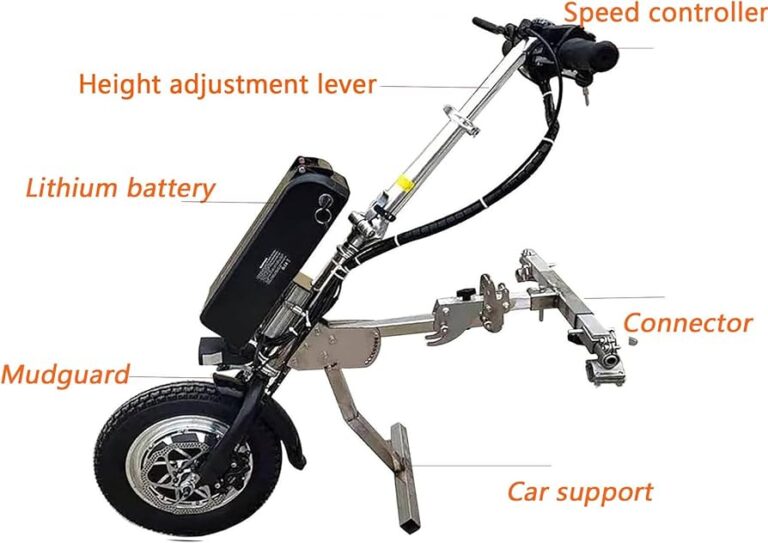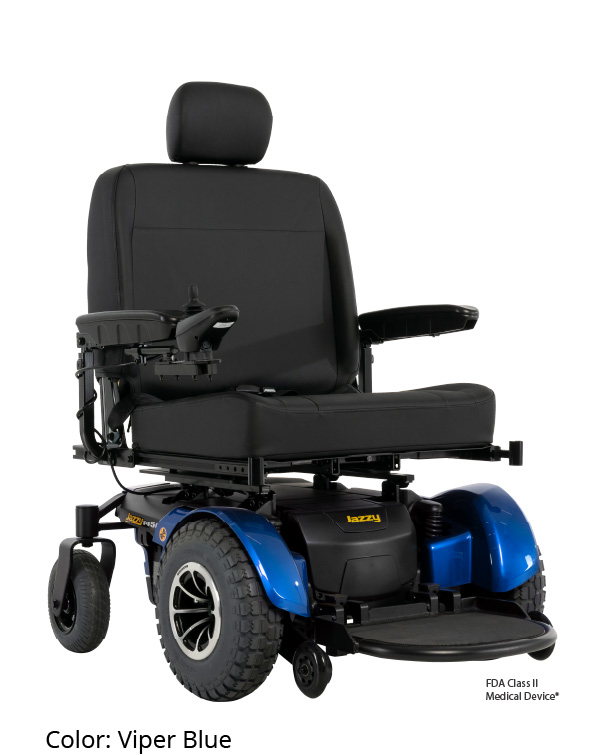
Replace the tire by removing the wheel, swapping the tire or tube, and reassembling with proper torque.
I have fixed dozens of mobility devices and written repair guides for clinics, so I know how to replace a tire on an electric wheelchair safely and efficiently. This article walks you through signs that a tire needs replacement, the tools and parts to gather, step-by-step removal and installation, tube versus tubeless choices, sizing tips, maintenance advice, and real-world pitfalls to avoid. By the end you will feel confident to tackle this task or talk knowledgeably with a technician about how to replace a tire on an electric wheelchair.
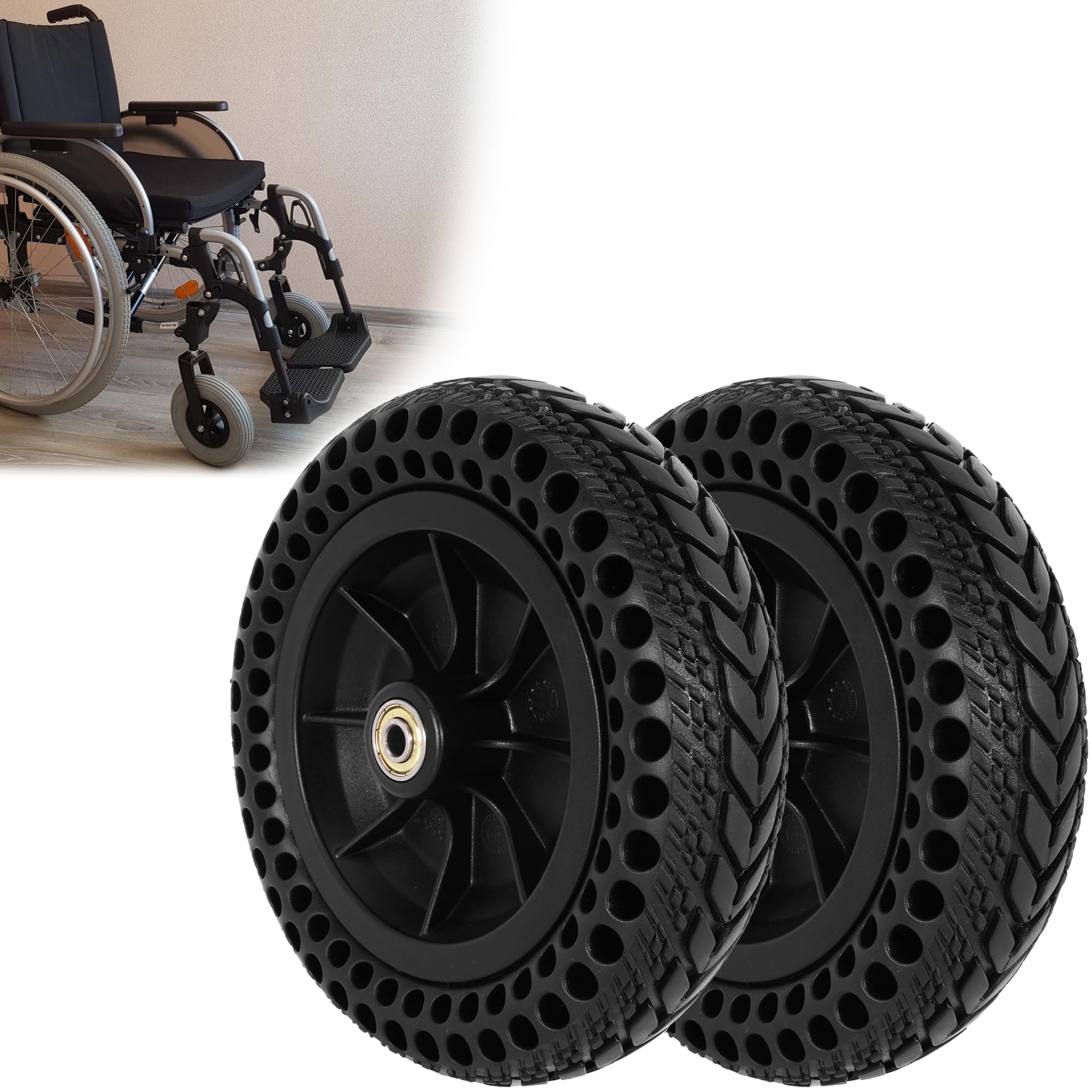
Why and when to replace a tire on an electric wheelchair
Tires wear from miles, weather, and curb impacts. A worn tire reduces traction, increases rolling resistance, and can damage motors or casters. Knowing when to replace a tire on an electric wheelchair keeps rides safe.
Common signs you need to replace a tire on an electric wheelchair:
- Visible tread wear or bald spots.
- Frequent flats or slow leaks.
- Cracks, dry rot, or sidewall damage.
- Wheel wobble or vibration while driving.
- Poor braking or slipping on wet surfaces.
Replacing worn tires also protects motors and batteries by reducing drag and preventing uneven stress. Follow your wheelchair manufacturer’s maintenance intervals and check tires monthly.
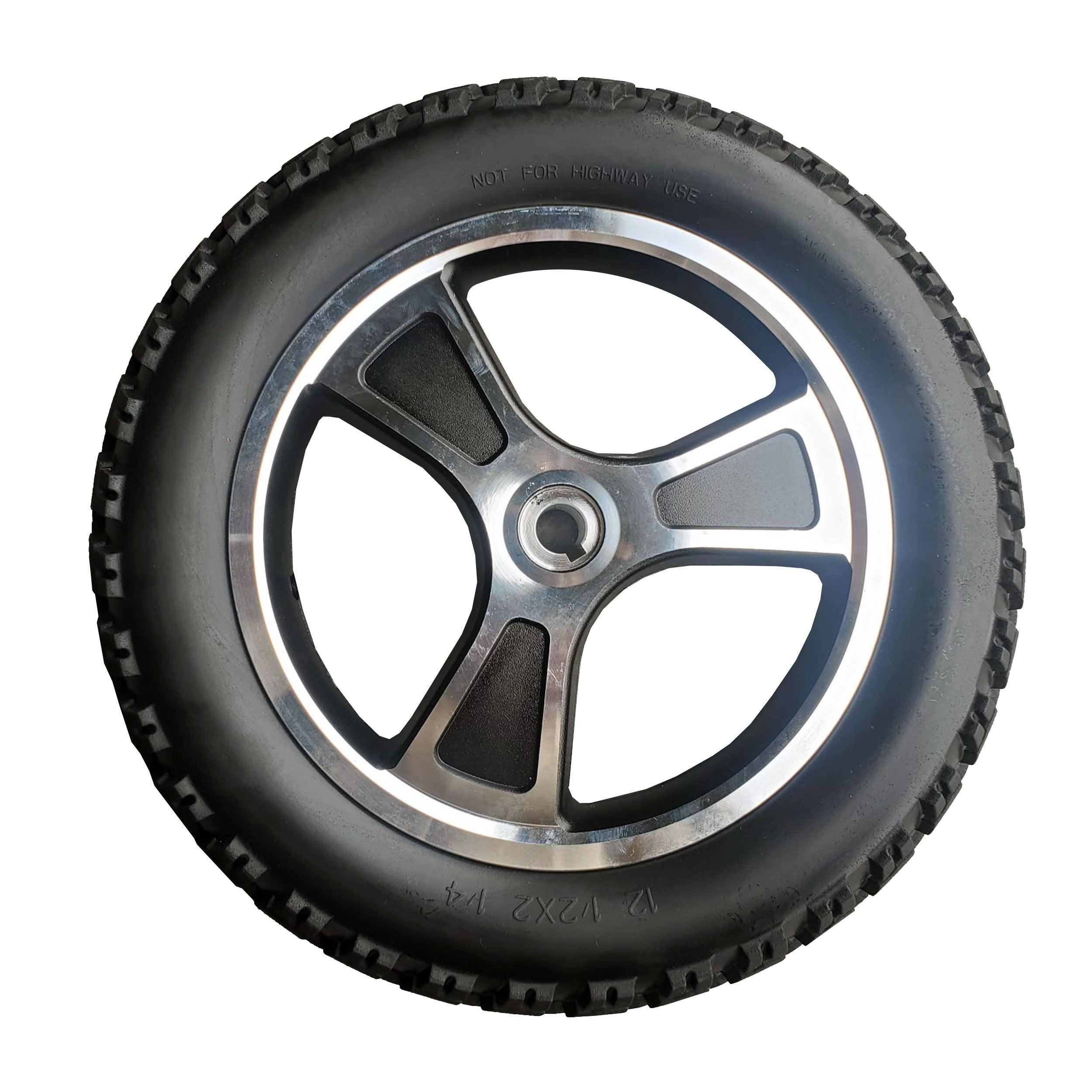
Tools and parts you will need
Gather everything before you start. Being prepared saves time and prevents mistakes when you replace a tire on an electric wheelchair.
Essential tools and parts:
- Replacement tire or tire-and-tube kit compatible with your wheel size.
- Tire irons or plastic tire levers designed for mobility tires.
- Adjustable wrench or socket set sized for your wheelchair axle nuts.
- Screwdrivers for hub caps or trim.
- Tire pressure gauge and pump (if using inflatable tires).
- Valve core tool (for inner tubes) and patch kit as backup.
- Clean rags, gloves, and a small flashlight.
Optional helpful items:
- Torque wrench for final axle nut tightening.
- Silicone spray to ease tire seating.
- Replacement axle washers or cotter pins if applicable.

Safety and preparation
Safety keeps you and the chair safe while you replace a tire on an electric wheelchair. Small steps prevent big problems.
Preparation checklist:
- Turn off and disconnect batteries if required by your model.
- Engage the wheelchair’s brakes or use wheel chocks to prevent rolling.
- Work on a flat, stable surface with good light.
- Note wheel orientation and mark the motor side if wheels are directional.
- Read the owner’s manual for manufacturer-specific procedures.
- If the wheelchair has a powered quick-release or anti-rollback, follow the manual first.
When in doubt, ask a mobility technician. Some motorized wheels have electrical connectors, brake magnets, or built-in encoders that need careful handling.
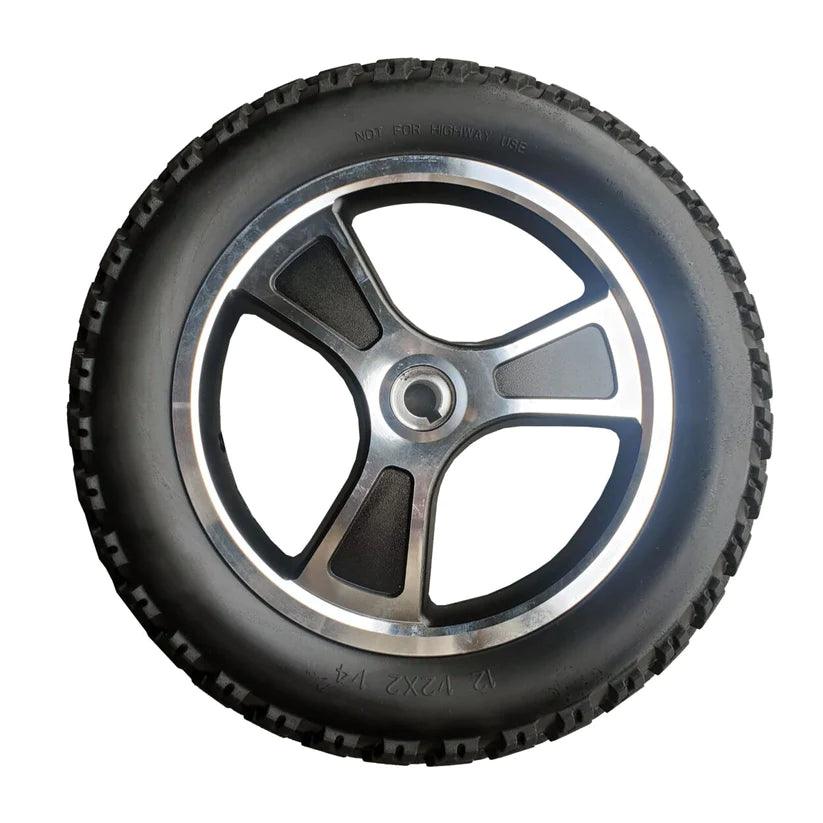
Step-by-step: Removing the old tire or wheel
Follow clear steps to remove the wheel safely before you replace a tire on an electric wheelchair.
- Power down and secure the chair.
- Locate the axle nut, quick-release, or locking mechanism. Some models use a bolt or pin.
- Remove hub caps or trim covers with a screwdriver if needed.
- Loosen and remove the axle nut or release the quick-release. Keep washers and spacers in order.
- Carefully slide the wheel off the axle. Support the wheel to avoid dropping it.
- If only the tire needs removal from the rim, deflate the tube fully if present. Use valve core tool to remove core.
- Use tire levers to separate tire bead from rim, working around the wheel slowly to avoid rim damage.
Label small parts and take a photo of the original setup to ensure correct reassembly.

Step-by-step: Installing a new tire or tube
Install parts carefully so the wheelchair runs smoothly after you replace a tire on an electric wheelchair.
- Inspect the rim for damage and clean the bead seat area.
- If using a tube, partially inflate it so it holds shape. Insert it into the tire first.
- Mount one tire bead onto the rim using hands; use tire levers sparingly to avoid pinching the tube.
- Seat the tube inside the tire evenly and finish pushing the opposite bead onto the rim.
- Check the valve stem alignment and ensure the tube isn’t pinched.
- Inflate to the recommended pressure printed on the tire sidewall. Use a pressure gauge to confirm.
- Reinstall the wheel onto the axle, replacing spacers and washers in original order.
- Tighten the axle nut to the manufacturer torque spec or snug with your wrench and check wheel spin and alignment.
- Reattach hub caps and power up the wheelchair to test.
Do a short test drive at low speed. Listen for rubbing, vibration, or unusual resistance after you replace a tire on an electric wheelchair.
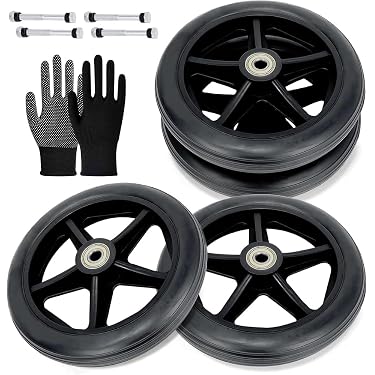
Tube versus tubeless: which is right for your chair
Choosing tube or tubeless affects maintenance and ride feel when you replace a tire on an electric wheelchair.
Tube tires:
- Easier and cheaper to replace parts.
- Common on many mobility wheels.
- More prone to pinch flats but simpler to patch.
Tubeless tires:
- Fewer flats if sealant is used.
- Can offer a smoother ride and lower rolling resistance.
- Require compatible rims and careful seating; initial setup is harder.
Match the option to your wheel type. If your rim has holes or is designed for tubes, don’t force tubeless conversion without checking manufacturer guidance.

Sizing, buying guide, and compatibility
Picking the right size is crucial when you replace a tire on an electric wheelchair.
How to read sizes:
- Look at the tire sidewall for size (example: 8 x 1.75 or 200 x 50).
- Confirm rim diameter and tire width match the existing wheel.
- Check valve type and stem length to fit the rim.
Compatibility tips:
- Match load rating to the user’s weight and chair type.
- Order OEM or high-quality aftermarket tires rated for mobility use.
- If unsure, take the old tire or wheel to a mobility shop for verification.
Buying quality tires saves time and prevents repeat replacements. Keep a spare tube or tire in your repair kit.
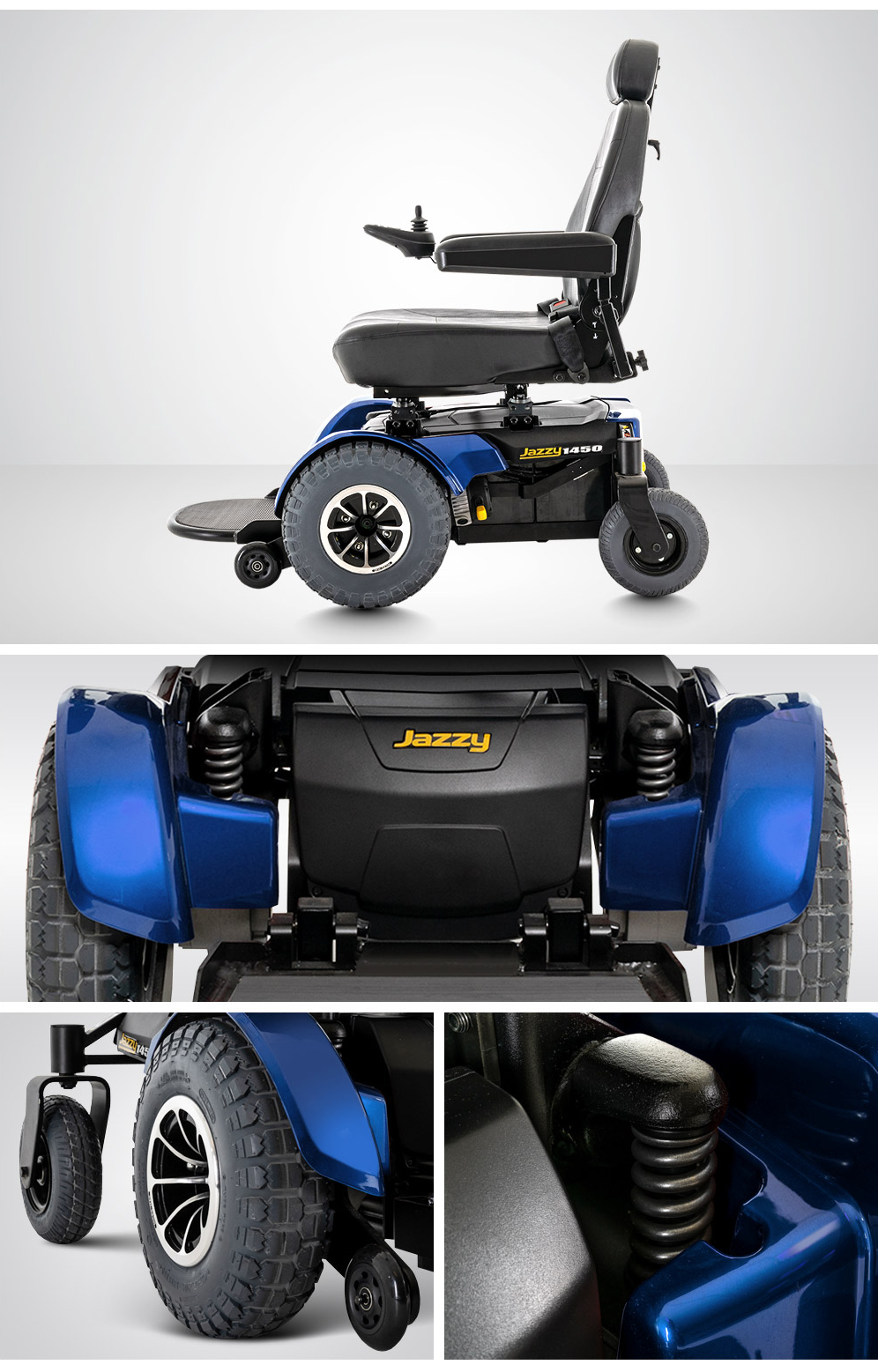
Maintenance tips to prolong tire life
Regular care helps you replace a tire on an electric wheelchair less often.
Simple maintenance steps:
- Check tire pressure weekly for pneumatic tires.
- Inspect tires visually monthly for cuts, cracks, or wear.
- Clean tires and rims to remove debris that causes punctures.
- Avoid long roadside exposure to sun and oils from pavement.
- Rotate wheels if your chair supports rotation to even wear.
Record tire changes and track mileage to predict when to replace a tire on an electric wheelchair next. Preventive care reduces sudden failures.

Troubleshooting common problems
Quick fixes help if issues appear after you replace a tire on an electric wheelchair.
Wheel wobble after reinstallation:
- Check axle nut tightness and spacers; tighten evenly and re-test.
Frequent flats:
- Inspect for rim tape damage, sharp objects in tread, or pinched tubes during installation.
Poor alignment or steering pull:
- Verify wheel orientation and balance; check caster condition and tire pressure.
If problems persist, consult a mobility technician to avoid motor or drivetrain damage.
Personal experience and lessons learned
I have replaced tires on many electric wheelchairs in a clinic and at home. A few lessons stand out.
What helped me most:
- Taking photos during disassembly saved time when reassembling.
- Keeping a small kit with valve cores, extra washers, and a pump meant I rarely had to wait.
- Using plastic tire levers avoided rim scratches and tube pinches.
Mistakes to avoid:
- Don’t overtighten axle nuts; that can warp bearings.
- Never guess on tire size—measure the sidewall or rim.
- Don’t skip the owner manual; some chairs have hidden locking pins.
These practical tips make replacing a tire on an electric wheelchair faster and safer.
Frequently Asked Questions
How long does it take to replace a tire on an electric wheelchair?
A simple wheel swap typically takes 20 to 45 minutes for a practiced person. Complex models with motors or encoders can take longer and may need a technician.
Can I replace the tire myself or should I hire a pro?
If you are comfortable with basic tools and follow the manual, you can replace a tire yourself. Hire a professional if the wheel has electrical parts, sealed bearings, or if you feel unsure.
How often should I replace tires on an electric wheelchair?
Replace tires when tread is worn, cracks appear, or the tire fails frequently; many users change tires every 1–3 years depending on use. Regular inspections help set the right interval for your chair.
What tire pressure should I use after replacing a tire?
Use the pressure printed on the tire sidewall or the wheelchair manual recommendation. Proper pressure keeps ride comfort and reduces the chance of flats.
Will changing the tire affect my wheelchair warranty or electronics?
If you follow the manufacturer’s instructions and use compatible parts, replacing a tire usually doesn’t void warranty. Avoid modifying motors, encoders, or sealed hubs unless approved by the manufacturer.
Conclusion
Replacing a tire on an electric wheelchair is a straightforward task with the right tools, parts, and a bit of care. Check tire signs, gather proper tools, follow a clear step-by-step process, and test thoroughly after replacement. Keep spare parts and a maintenance routine to prevent surprises and extend tire life. Try the steps outlined here for a safe repair, or use this guide to communicate effectively with a technician. If this helped, consider subscribing for more mobility maintenance tips or leave a comment with your questions.

Michael Reynolds is a senior contributor at RetirementGazette.com, where he focuses on helping readers navigate the journey toward a secure and fulfilling retirement. With over a decade of experience in personal finance, retirement planning, and lifestyle writing, Michael combines practical strategies with easy-to-understand guidance tailored for both pre-retirees and those already enjoying their golden years.