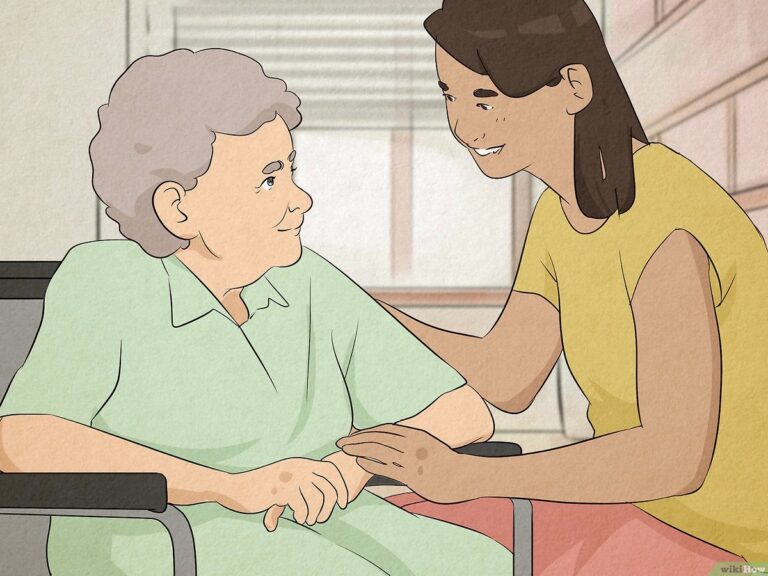
You can find seniors in your area through senior centers, libraries, churches, volunteer groups, and local online communities.
Learning how do I find seniors in my area is often the first step toward building meaningful friendships, offering help, or joining a strong local community. The best approach is respectful, safe, and personal: look for places where older adults already gather, then take time to listen and connect.
Start With Local Senior Centers
A senior center is often the easiest answer to how do I find seniors in my area. These centers may offer meals, exercise classes, art groups, computer lessons, games, and health talks.
Search online for “senior center near me” or “older adult programs near me.” You can also call your city office or public library for local information.
When you visit, ask about:
• Social events and group activities
• Lunch programs
• Fitness and walking clubs
• Volunteer opportunities
• Transportation services
• Support groups
• Classes for adults age 50 and older
You do not need to be a senior to visit many centers. Some welcome family members, caregivers, volunteers, students, and neighbors. Still, check the center’s rules before attending.
A friendly introduction can go a long way. Try saying, “Hi, I’m new here. Is there a group or activity you recommend?” This simple question can open the door to several new connections.
Check Libraries and Community Events
Public libraries are useful when you are asking, “How do I find seniors in my area?” Many libraries host events that attract older adults, including book clubs, history talks, technology classes, and local workshops.
Look at the library’s event calendar or ask a librarian about programs for older adults. Libraries may also know about nearby organizations that serve seniors.
Other helpful places include:
• Community recreation centers
• Museums and cultural centers
• Farmers markets
• Adult education programs
• Local theaters
• Parks and walking trails
• Neighborhood festivals
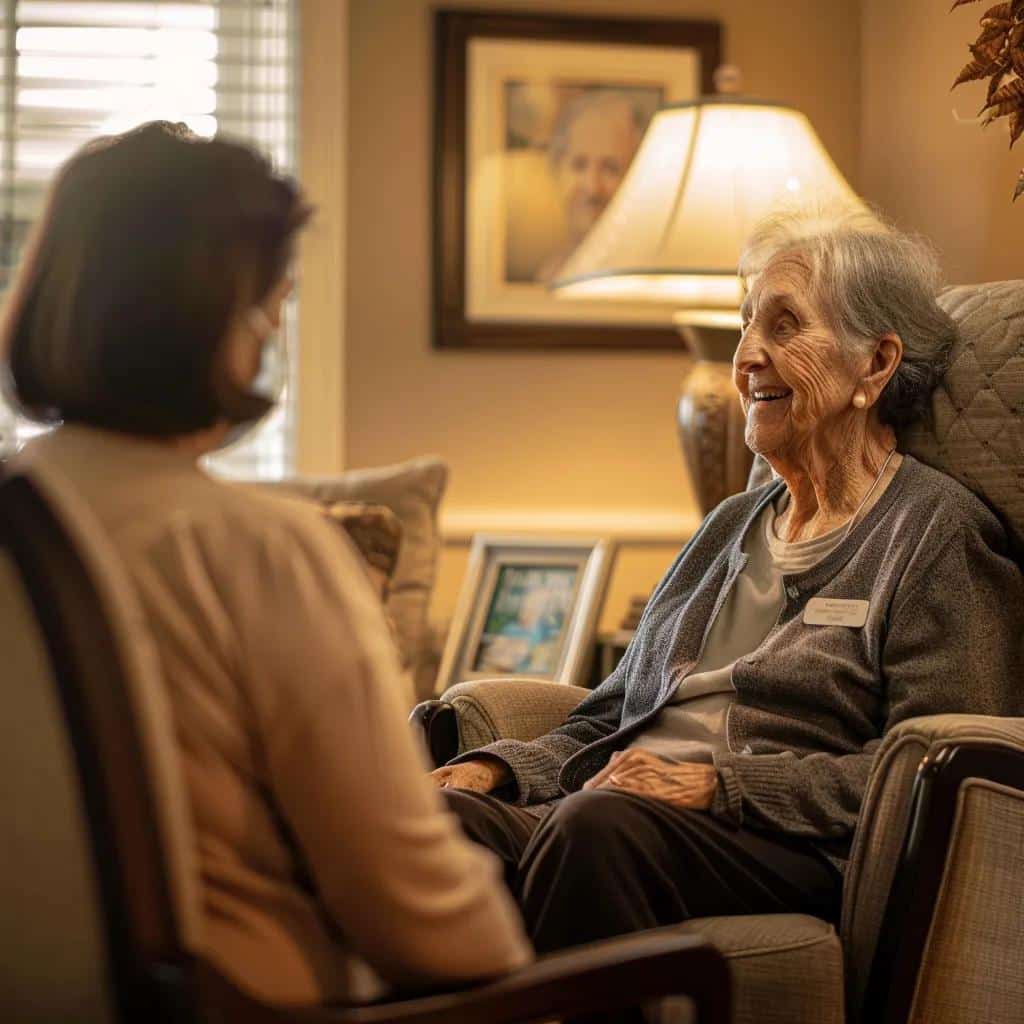
Libraries are especially helpful because they are open, public, and usually easy to access. They also provide a comfortable setting for a first conversation.
One practical lesson I have learned from community outreach is that repeated visits work better than a single visit. People are more likely to trust you after seeing you several times. Think of community connection like watering a plant. Small, steady efforts help it grow.
Contact Area Agencies on Aging
Area Agencies on Aging can help you learn how do I find seniors in my area in a safe and organized way. These agencies connect older adults with services, meals, transportation, home care, health programs, and social activities.
The national aging services network supports communities across the United States. Your local agency may know about:
• Senior centers
• Friendly visitor programs
• Caregiver groups
• Meals and food support
• Transportation services
• Home repair programs
• Senior housing communities
• Health and wellness classes
Search for “Area Agency on Aging near me” or contact your county’s human services office. You can also call 211 in many parts of the United States to ask about local community resources.
Be clear about what you want. For example, you might say, “I would like to volunteer with older adults,” or “I want to join a social group for seniors.” Specific questions usually lead to better answers.

Look for Volunteer Opportunities
Volunteering is one of the best ways to meet seniors in your area while providing real value. Many older adults participate in food programs, mentoring projects, religious groups, neighborhood events, and nonprofit activities.
Consider volunteering with:
• Meals on Wheels programs
• Food banks
• Senior center events
• Hospital visitor programs
• Hospice organizations
• Community gardens
• Literacy programs
• Veterans’ groups
• Faith-based charities
• Local festivals
Some programs require background checks or special training. This helps protect both volunteers and older adults.
Choose a role that matches your skills. If you enjoy technology, help with phones or computers. If you like cooking, assist with a meal program. If you enjoy conversation, consider a friendly call or visitor program.
A common mistake is to focus only on what you want to gain. Strong connections grow when you also ask, “What can I offer?” Respect, patience, and reliability often matter more than having special skills.
Visit Churches, Synagogues, Mosques, and Faith Groups
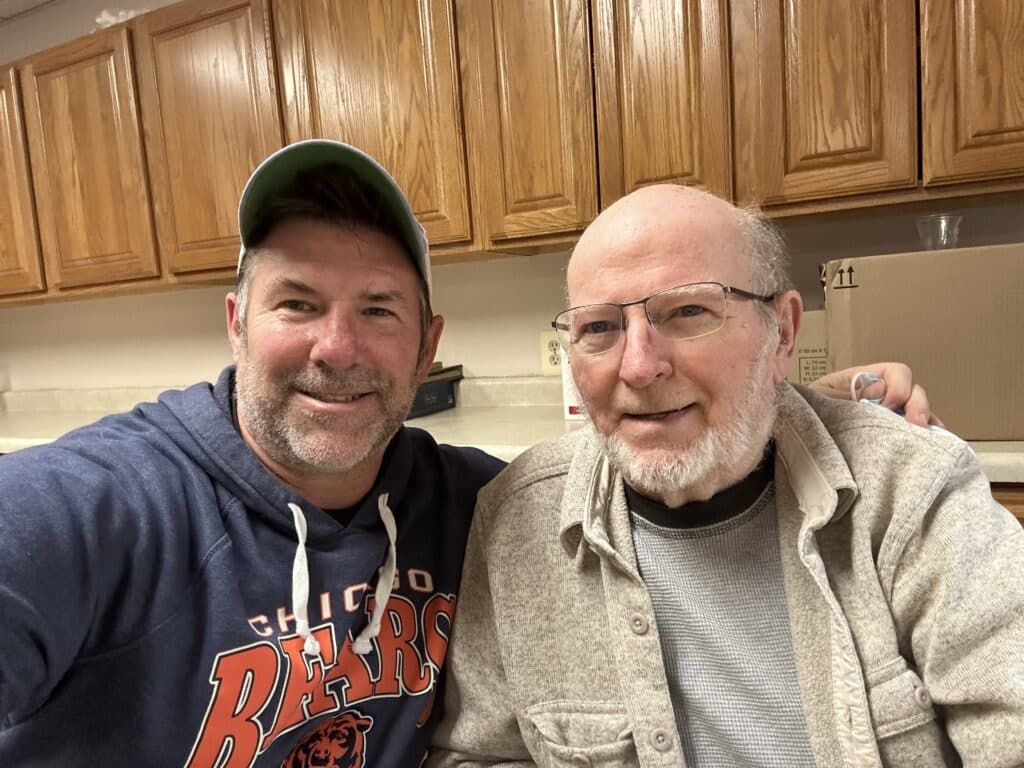
Faith communities often have strong relationships with older adults. Many offer social lunches, transportation help, wellness visits, discussion groups, and volunteer programs.
You do not always need to be a member to ask about community activities. Contact the office and ask whether they have programs that welcome older adults or volunteers.
You may find seniors through:
• Community meals
• Choirs and music groups
• Bible study or faith classes
• Holiday events
• Caregiver support groups
• Outreach visits
• Service projects
• Senior ministry programs
Approach each group with respect. Do not treat a faith community only as a way to meet people. Show genuine interest in its work and values.
This can be especially helpful in smaller towns, where faith groups may serve as social centers. They often know which local seniors need companionship, rides, meals, or help with small tasks.

Use Neighborhood and Online Groups
Online tools can help answer how do I find seniors in my area, but they should support real-world connection rather than replace it. Search for local Facebook groups, Nextdoor communities, Meetup groups, and neighborhood forums.
Use search terms such as:
• Seniors in [your city]
• Older adults in [your county]
• Senior activities near me
• Aging services in [your state]
• Local volunteer opportunities
• Retiree clubs near me
Some online groups are private. You may need to answer questions before joining. Be honest about who you are and why you want to connect.
Avoid sending private messages to strangers with personal requests. Start with public discussions and community events. Never ask for sensitive details such as Social Security numbers, bank information, medical records, or home access.
Online groups can also contain outdated information. Confirm event details with the organization before attending.

Explore Senior Living Communities Carefully
Senior living communities may offer public events, volunteer programs, and educational talks. Some communities welcome local visitors for concerts, craft fairs, lectures, or holiday events.
Call the community first. Ask whether it has:
• Public events
• Volunteer opportunities
• Family days
• Educational programs
• Intergenerational activities
• Visiting programs
Do not enter a private community without permission. Residents deserve privacy and safety, just like anyone else.
If you are looking for friendship, focus on organized activities. If you are seeking work, contact the community’s human resources office. If you are trying to provide services, ask for the proper administrator or community relations manager.
This is an important safety lesson: never use a list of residents or private information to contact people without consent.

Join Clubs for Shared Interests
Shared interests make conversations easier. Instead of searching only for senior groups, look for activities that many older adults enjoy.
Try:
• Gardening clubs
• Bird-watching groups
• Walking clubs
• Quilting circles
• Chess or card groups
• Local history clubs
• Photography groups
• Dance classes
• Fishing clubs
• Book clubs
Community colleges and parks departments often list these activities online. Senior adults may also join general groups, especially those designed for all ages.
When people gather around a shared interest, age becomes less important. You have something natural to discuss, and the relationship can grow without pressure.
For example, a gardening group may lead to conversations about family, local history, recipes, or favorite plants. A simple hobby can become a bridge between generations.

Ask Trusted People for Introductions
Sometimes the fastest answer to how do I find seniors in my area is to ask people you already know. Friends, coworkers, neighbors, teachers, doctors, clergy, and community workers may know about local activities.
You can ask:
• “Do you know of any senior groups nearby?”
• “Where do older adults in this community meet?”
• “Are there local events that welcome volunteers?”
• “Does your organization need help with older adult programs?”
Personal introductions can make the first meeting more comfortable. They also give you a trusted person who can explain the group’s customs and expectations.
However, do not ask someone to share another person’s phone number or address without permission. Ask them to make an introduction instead. Privacy is part of respectful community building.
Understand Your Purpose Before You Connect
Knowing why you want to find seniors in your area will help you choose the right place. Different goals require different methods.
Your goal may be:
• Making new friends
• Finding a walking or hobby group
• Volunteering
• Offering professional services
• Learning local history
• Supporting a family member
• Joining an intergenerational project
• Finding social activities for yourself
If you want friendship, choose a recurring activity. If you want to volunteer, contact an established nonprofit. If you need services for an older adult, begin with an Area Agency on Aging or local government office.
Be honest and clear. Older adults should know whether you are there as a volunteer, student, service provider, neighbor, or friend.
Follow Safety and Privacy Guidelines
Meeting new people can be rewarding, but safety matters. This is true for you and for the seniors you meet.
Follow these basic guidelines:
• Meet new contacts in public places.
• Use official organizations when possible.
• Tell someone where you are going.
• Do not pressure anyone to share personal details.
• Avoid handling money unless an approved program requires it.
• Never promise medical, legal, or financial help without proper training.
• Respect mobility, hearing, vision, and memory needs.
• Ask before taking photos or sharing stories.
• Report suspected abuse through the proper local channel.
Older adults are not all alike. Some are active travelers, while others need daily support. Avoid assuming that every senior is lonely, confused, or unable to make decisions.
The Centers for Disease Control and Prevention notes that social connection supports health and well-being, but connection must be respectful and meaningful. A short, kind conversation can help, but only when both people feel comfortable.
Make the First Conversation Comfortable
Many people worry about what to say when they meet seniors in their area. You do not need a perfect opening line. Simple questions work well.
Try asking:
• “How did you hear about this group?”
• “Have you attended this event before?”
• “What activities do you enjoy?”
• “Is there a local place you recommend?”
• “Would you like to join us for the next activity?”
Listen more than you speak. Give the other person time to answer, especially if they have a hearing or speech difficulty.
Avoid questions that feel too personal at the start. Topics such as income, health conditions, family problems, and housing may be private.
A useful habit is to remember small details. If someone mentions a favorite book or hobby, ask about it next time. This shows that you value the person, not just the search for new contacts.
Common Mistakes to Avoid
Finding seniors in your area is not only about locating people. It is about creating trust. Several mistakes can make older adults feel uncomfortable.
Avoid these errors:
• Treating seniors as a single group
• Speaking too loudly or using childish language
• Interrupting or finishing someone’s sentences
• Assuming help is needed without asking
• Arriving late or canceling often
• Promoting products during a social visit
• Sharing private stories without permission
• Using a group only for personal business
• Ignoring accessibility needs
If you make a mistake, apologize and adjust. Most people appreciate a sincere effort.
In my experience with community-based introductions, consistency is the quality people remember most. Showing up when you say you will often builds more trust than making a strong first impression.
A Simple Plan for Your First Week
If you are unsure where to begin, use this seven-day plan.
- Search online for a senior center, library program, or Area Agency on Aging.
- Write down two local organizations and their contact details.
- Call one organization and ask about public events or volunteer roles.
- Choose an activity that meets more than once.
- Attend in clean, comfortable clothes and arrive early.
- Introduce yourself to one or two people.
- Return the following week and continue the conversation.
This plan keeps the process simple. You do not need to visit every group at once. Start with one safe, welcoming place and learn from the experience.
If the first group does not feel right, try another. Finding the best community can take time, much like finding the right pair of shoes. Comfort and fit matter.
How to Find Seniors in My Area: Questions to Ask Organizations
When you call a local group, prepare a few questions. This helps you sound clear and saves time.
Ask:
• What programs are open to the public?
• What age group does the program serve?
• Are volunteers needed?
• Is registration required?
• Is there a cost?
• Is transportation available?
• Is the building accessible?
• Who should I contact before attending?
These questions can help you avoid a wasted trip. They also show that you respect the organization’s rules.
If you are seeking help for an older adult, ask about eligibility, wait times, and required documents. Services may differ by county, income, age, health needs, and available funding.
Frequently Asked Questions About How Do I Find Seniors in My Area
Where is the best place to find seniors in my area?
Senior centers, libraries, community groups, and Area Agencies on Aging are strong starting points. Choose a place with regular activities so you can build trust over time.
Can I meet seniors if I am not a senior?
Yes. Many programs welcome volunteers, family members, students, caregivers, and people from the wider community. Always check the organization’s rules before attending.
How do I find seniors in my area who need volunteers?
Contact local senior centers, meal delivery programs, faith groups, hospitals, and nonprofit organizations. Ask about screening, training, background checks, and the time commitment.
How can I meet older adults safely?
Use established organizations and meet in public, supervised settings. Protect personal information, avoid unapproved financial requests, and follow the organization’s safety rules.
How do I find social activities for seniors near me?
Search for senior exercise classes, book clubs, walking groups, library events, recreation programs, and hobby clubs. Your local government or Area Agency on Aging may also provide an activity calendar.
What should I say when meeting an older adult for the first time?
Start with a simple question about the event or shared activity. Listen carefully, avoid personal questions, and let the conversation develop at a comfortable pace.
Conclusion
The best way to learn how do I find seniors in my area is to begin where older adults already gather. Visit senior centers, libraries, faith groups, hobby clubs, volunteer programs, and community events. Use online groups as a helpful tool, but confirm details and protect everyone’s privacy.
Start with one local organization this week. Attend an event, introduce yourself, and return when you can. Meaningful connections often begin with one friendly hello, so explore local resources and share your own community tips in the comments.

Michael Reynolds is a senior contributor at RetirementGazette.com, where he focuses on helping readers navigate the journey toward a secure and fulfilling retirement. With over a decade of experience in personal finance, retirement planning, and lifestyle writing, Michael combines practical strategies with easy-to-understand guidance tailored for both pre-retirees and those already enjoying their golden years.