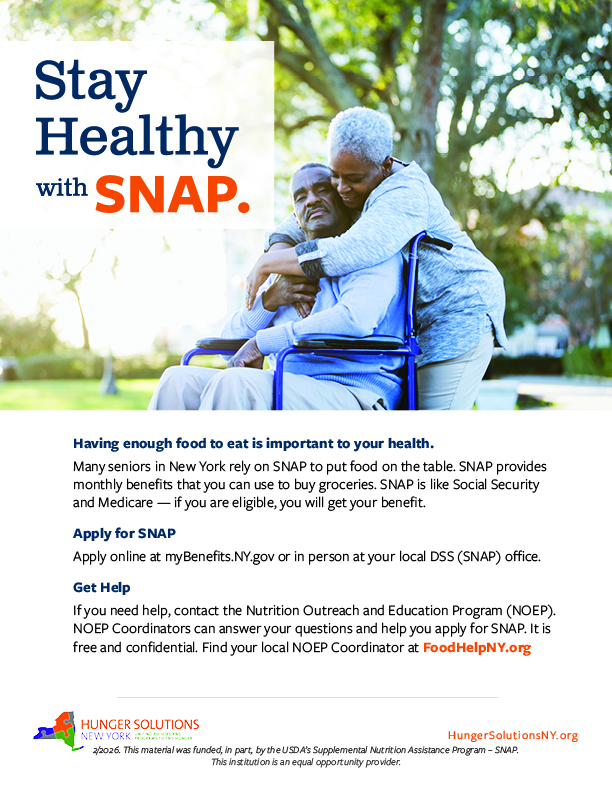
Seniors engage best when communities offer meaningful roles, social connection, choice, and easy ways to take part.
Learning how to engage seniors in the community takes more than planning a few events. It means listening to older adults, respecting their experience, and creating activities that fit their interests, health needs, culture, and daily lives. The best programs help seniors feel needed, not simply included.
This guide shares practical ideas, research-based principles, common mistakes, and simple steps for building stronger connections with older adults. Whether you work at a senior center, lead a neighborhood group, or want to support an older neighbor, you can use these ideas right away.

Why Community Engagement Matters for Seniors
Community engagement gives older adults a chance to connect, contribute, learn, and have fun. It can include volunteering, attending local events, joining clubs, helping with projects, or taking part in decisions that affect the neighborhood.
Social connection is also linked with better health. The Centers for Disease Control and Prevention reports that social isolation can raise the risk of depression, anxiety, heart disease, dementia, and early death. This does not mean every senior needs a busy schedule. It means that regular, meaningful contact can support overall well-being.
When exploring how to engage seniors in the community, focus on purpose rather than simple activity. A senior may enjoy helping children read, tending a garden, sharing family recipes, or advising a local group. These roles can build confidence because they show that the person’s skills still matter.
Community engagement can support:
• Friendship and emotional support
• Physical movement and better daily routines
• Mental stimulation and lifelong learning
• A stronger sense of purpose
• Greater independence and confidence
• A deeper connection to local culture
• More understanding between generations
The World Health Organization also highlights social participation as an important part of healthy aging. Still, each person is different. Some seniors want lively group events, while others prefer quiet work, small gatherings, or one-to-one contact.
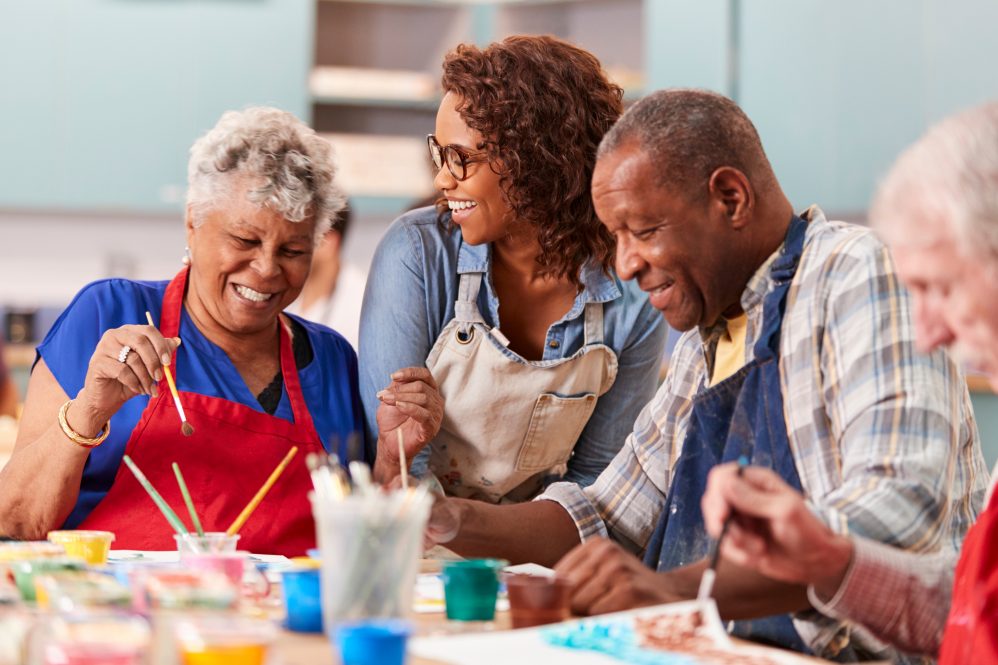
Start by Listening to Older Adults
The first step in learning how to engage seniors in the community is to ask what they want. Do not assume that every older adult enjoys bingo, crafts, or daytime meetings.
Use simple questions such as:
• What activities do you enjoy?
• What skills would you like to share?
• What makes it hard for you to attend local events?
• What would make a community program feel welcoming?
• Would you rather join a group, volunteer, learn, or help plan?
You can gather answers through short surveys, phone calls, informal chats, or listening sessions. Keep the process friendly and brief. Some people may not feel comfortable completing a long form or speaking in a large meeting.
It also helps to ask people who do not attend current programs. Regular participants can tell you what works, but absent voices can reveal hidden barriers. A quiet senior who stays home may have transportation problems, hearing loss, pain, fear, or a past experience of feeling ignored.
Avoid asking for opinions and then making no changes. If older adults say that evening meetings are unsafe or that the room is too loud, respond to that feedback. Trust grows when people see that their words lead to action.
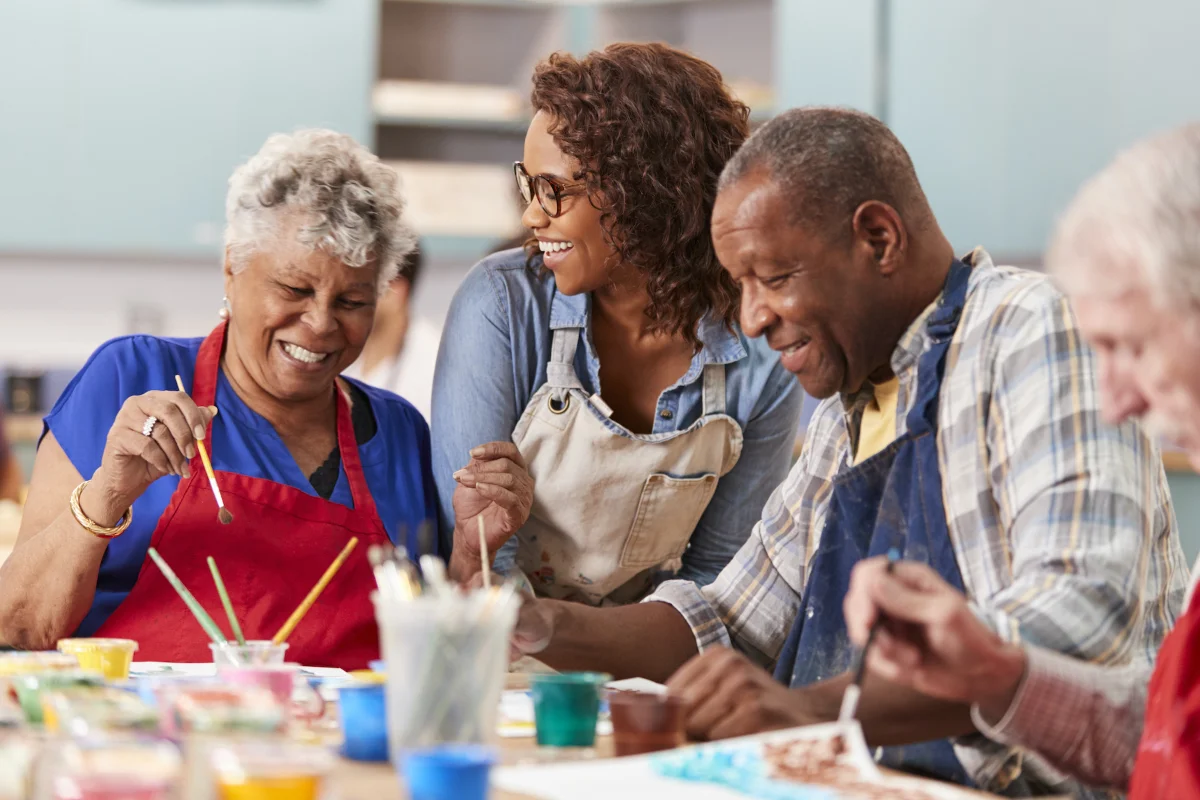
Create Meaningful Roles, Not Just Events
A common mistake is to treat seniors as guests who need entertainment. A stronger approach gives them real roles in the life of the community.
Meaningful roles may include:
• Welcoming new members
• Teaching a craft, language, or practical skill
• Serving on a neighborhood advisory board
• Helping at a food pantry
• Reading with children
• Caring for a community garden
• Recording local history
• Mentoring younger workers
• Planning cultural events
• Calling other seniors who live alone
The role should match the person’s interest and ability. One senior may enjoy public speaking. Another may prefer sorting supplies behind the scenes. Both contributions are valuable.
When planning how to engage seniors in the community, use the language of partnership. Ask, “What would you like to help build?” instead of, “What activity should we give you?” This small change can make the program feel more respectful.
A useful rule is to design with seniors, not for seniors. Invite them to choose topics, set schedules, review materials, and lead parts of the program. Their lived experience can improve the quality of the entire project.

Offer Activities That Meet Different Interests
A strong community program offers more than one type of activity. Seniors are not one group. They have different ages, backgrounds, abilities, beliefs, income levels, and interests.
Consider creating a balanced menu of options.
Social activities
• Coffee mornings
• Book clubs
• Shared meals
• Walking groups
• Music sessions
• Game afternoons
• Cultural celebrations
Learning activities
• Smartphone classes
• Art workshops
• Local history talks
• Language groups
• Financial safety sessions
• Health education programs
• Writing or storytelling circles
Service activities
• Food bank support
• School mentoring
• Park cleanups
• Clothing drives
• Library volunteering
• Pet support programs
• Community welcome teams
Wellness activities
• Chair yoga
• Tai chi
• Gentle exercise
• Dance classes
• Gardening
• Health screenings
• Stress reduction groups
Intergenerational activities
• Teen and senior technology partnerships
• Story exchanges
• School reading programs
• Shared gardening projects
• Family cooking events
• Career talks led by retired workers
These options help answer the question of how to engage seniors in the community without forcing one model on everyone. Offer both active and low-energy choices. Include programs for people who are highly social and those who need time to warm up.

Remove Barriers to Participation
Even a great program can fail if people cannot reach it or feel comfortable there. Before promoting an event, review the full experience from a senior’s point of view.
Important barriers may include:
• No reliable transportation
• Stairs or narrow entrances
• Poor lighting
• Loud rooms
• Small print on flyers
• Confusing registration steps
• High fees
• Fear of falling
• Hearing or vision changes
• Language differences
• Lack of nearby restrooms
• Events held at inconvenient times
Offer practical solutions:
- Provide rides through volunteers, public transit support, or shared transportation.
- Choose places with ramps, elevators, handrails, and accessible restrooms.
- Use large print and clear words in all announcements.
- Provide microphones and reduce background noise.
- Offer free or low-cost participation.
- Allow phone registration for people who dislike online forms.
- Schedule breaks and provide comfortable seating.
- Share details about parking, transportation, and accessibility.
- Use interpreters or translated materials when needed.
- Give people more than one way to participate.
Transportation deserves special attention. A 10-minute drive can become a major challenge for someone who no longer drives. Programs may reach more people when they meet in libraries, faith centers, apartment buildings, or neighborhood spaces instead of one distant location.
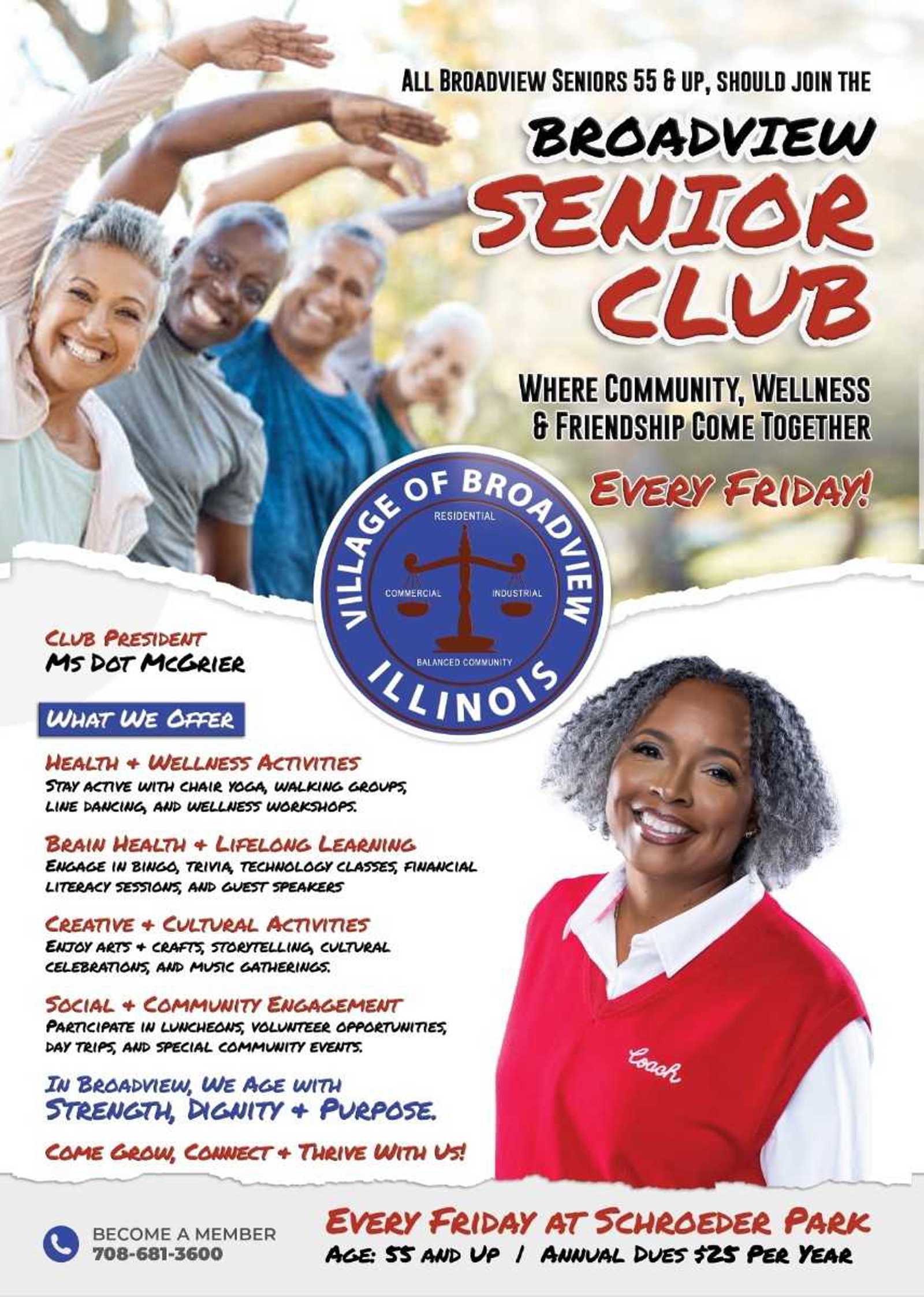
Use Technology Without Replacing Human Contact
Technology can help seniors connect, but it should support human contact rather than replace it. Some older adults enjoy video calls, online classes, community apps, and social media. Others may lack devices, internet access, or confidence.
Make digital participation simple:
• Provide short technology training sessions.
• Use large text and clear instructions.
• Offer phone support before online events.
• Record lessons when possible.
• Keep an in-person option available.
• Avoid requiring many passwords or apps.
• Protect personal information.
Technology can also help people who have mobility limits. A virtual book club may allow a homebound senior to join a discussion. A neighborhood phone tree can help people stay connected during bad weather.
However, online programs have limits. They may increase frustration, exclude people without internet access, or reduce the warmth of face-to-face contact. When considering how to engage seniors in the community, use a blended model whenever possible.
Build Intergenerational Connections
Intergenerational programs bring younger and older people together for shared goals. These programs can reduce stereotypes and create natural friendships.
For example, a high school student might teach a senior how to use a tablet. In return, the senior might share knowledge about local history, cooking, repair work, music, or career choices. Both people become teachers and learners.
Good intergenerational programs have a clear purpose. Do not place different age groups in the same room without a plan. Give them a task that requires teamwork.
Ideas include:
• Creating a community garden
• Recording oral history interviews
• Running a neighborhood repair day
• Hosting a shared cooking class
• Reading books with children
• Designing a local art project
• Building a digital history archive
• Organizing a community safety walk
Set clear expectations for respect and privacy. Young people may need guidance on how to speak with someone who has hearing loss or memory concerns. Older adults may need support with new technology or changing social habits.
The strongest partnerships feel like a bridge, not a charity project. Each generation should have something useful to offer.
Make Outreach Personal and Consistent
Many seniors will not join a new program after seeing one social media post. Personal invitations often work better.
Use several outreach methods:
• Phone calls
• Printed flyers
• Local newspapers
• Church or temple announcements
• Community bulletin boards
• Senior housing newsletters
• Personal invitations from trusted people
• Notices at clinics, libraries, and pharmacies
A familiar person can make the first step easier. A doctor, neighbor, faith leader, librarian, or family member may help introduce the program.
Explain what will happen, how long it will last, what it costs, and who will be there. Unclear information can create worry. Simple details help people feel prepared.
Follow-up matters too. Call new participants after their first visit. Ask what they enjoyed and what could improve. A short message can show that the person was noticed and valued.
One lesson community organizers often learn is that consistency matters more than a single large event. A small weekly gathering can build stronger relationships than an impressive event held once a year.
Train Staff and Volunteers
People who work with seniors need more than good intentions. They need basic training in respectful communication, accessibility, safety, and boundaries.
• Speaking clearly without sounding childish
• Listening without interrupting
• Respecting personal choice
• Supporting people with mobility needs
• Understanding hearing and vision changes
• Responding to memory problems with patience
• Protecting private information
• Recognizing possible abuse or neglect
• Knowing when to contact a professional
Avoid “elderspeak,” which uses overly simple words, a childish tone, or terms such as “sweetie” without permission. Speak to older adults as adults. Give them time to answer, especially when a question is complex.
Volunteers should also know their limits. A volunteer can offer companionship and practical support, but should not provide medical advice, manage money, or handle private legal matters unless properly authorized and trained.
Respect is the foundation of how to engage seniors in the community. People can sense when they are being rushed, managed, or treated as a problem to solve.
Measure What Works
Evaluation helps you learn whether a program is truly useful. Attendance alone does not tell the full story. A large event may attract many people but create little lasting connection.
Track simple measures such as:
• Number of participants
• Repeat attendance
• New friendships or partnerships
• Volunteer hours
• Participant satisfaction
• Transportation use
• Accessibility concerns
• Changes in confidence or mood
• Suggestions for new activities
Use short feedback questions:
• Did you feel welcome?
• Was the activity useful or enjoyable?
• What made it hard to attend?
• What should we change?
• Would you recommend it to a friend?
Be careful with health claims. A community program may support connection and well-being, but it cannot promise to prevent illness or eliminate loneliness. Outcomes can also be affected by income, health, housing, transportation, and family support.
Share results with participants. Tell them what you heard and what you plan to change. This closes the feedback loop and shows that evaluation is not just paperwork.
Common Mistakes to Avoid
Even well-planned programs can miss the mark. Watch for these common problems:
• Planning without asking seniors what they want
• Offering only passive entertainment
• Assuming all seniors have the same needs
• Using small print or unclear language
• Holding events in hard-to-reach places
• Relying only on online promotion
• Ignoring cultural and language differences
• Making activities feel like charity
• Failing to welcome first-time visitors
• Canceling often or changing plans without notice
• Asking for feedback but never acting on it
Another mistake is measuring success by attendance alone. Some people may attend once because a friend invited them, then leave because they felt ignored. A warm welcome, clear structure, and personal follow-up can make a larger difference than expensive equipment.
It is also important not to pressure anyone. Engagement should be invited, not forced. A senior who declines a group activity may still want a quiet phone call, a home visit, or a role that happens behind the scenes.
A Simple Plan for Getting Started
If you are unsure how to engage seniors in the community, begin with one small project. You do not need a large budget or a complicated system.
Follow these steps:
- Choose a local group or neighborhood.
- Speak with at least five older adults.
- Ask about interests, barriers, and preferred times.
- Select one clear activity with a useful purpose.
- Find an accessible and familiar location.
- Invite a trusted partner to help with outreach.
- Offer free or low-cost participation.
- Make the first session short and welcoming.
- Ask for feedback before people leave.
- Improve the program and repeat it on a regular schedule.
For example, you might start a weekly “skills share” at a library. One week, a retired mechanic teaches basic bicycle care. The next week, a grandmother shares a family recipe. Another week, a college student helps participants use online health portals.
Small programs can grow over time. Start with relationships, not perfect branding. A strong community is built one conversation at a time.
Frequently Asked Questions About How to Engage Seniors in the Community
What is the best way to engage seniors in the community?
Start by asking older adults what they enjoy, what they can offer, and what prevents them from joining activities. Then create flexible, meaningful programs with easy access, personal invitations, and regular follow-up.
What activities help seniors feel connected?
Group meals, walking clubs, volunteer work, classes, gardening, music, book clubs, and intergenerational projects can build connection. The best activity is one that matches the person’s interests, abilities, culture, and schedule.
How can you include seniors with limited mobility?
Offer accessible locations, transportation help, home visits, phone groups, and online options with technology support. Provide comfortable seating, rest breaks, clear paths, and a choice between active and low-energy activities.
How do you encourage isolated seniors to participate?
Use a personal invitation from someone they trust. Begin with a short phone call or one-to-one visit, explain exactly what to expect, and offer to attend the first activity with them.
How can communities engage seniors who do not use technology?
Use phone calls, printed notices, local newspapers, faith groups, libraries, and personal outreach. Keep an in-person option available and avoid making online registration the only way to join.
Why are intergenerational programs helpful for older adults?
They create shared purpose and reduce age-based stereotypes. Seniors can offer knowledge and guidance while younger people may provide energy, digital help, and new ideas.
How can a community measure senior engagement?
Track repeat attendance, volunteer involvement, satisfaction, access barriers, and participant feedback. Also ask whether people feel more welcome, useful, connected, or confident after taking part.
Conclusion
Knowing how to engage seniors in the community begins with respect, listening, and meaningful choice. Strong programs give older adults real roles, remove barriers, support different interests, and create steady opportunities for friendship and service.
Start small. Ask a few seniors what they want, invite them to help plan, and test one accessible activity. Then listen, improve, and keep showing up. Explore local partnerships with libraries, senior centers, schools, nonprofits, and faith groups, and share your community engagement ideas in the comments.

Michael Reynolds is a senior contributor at RetirementGazette.com, where he focuses on helping readers navigate the journey toward a secure and fulfilling retirement. With over a decade of experience in personal finance, retirement planning, and lifestyle writing, Michael combines practical strategies with easy-to-understand guidance tailored for both pre-retirees and those already enjoying their golden years.