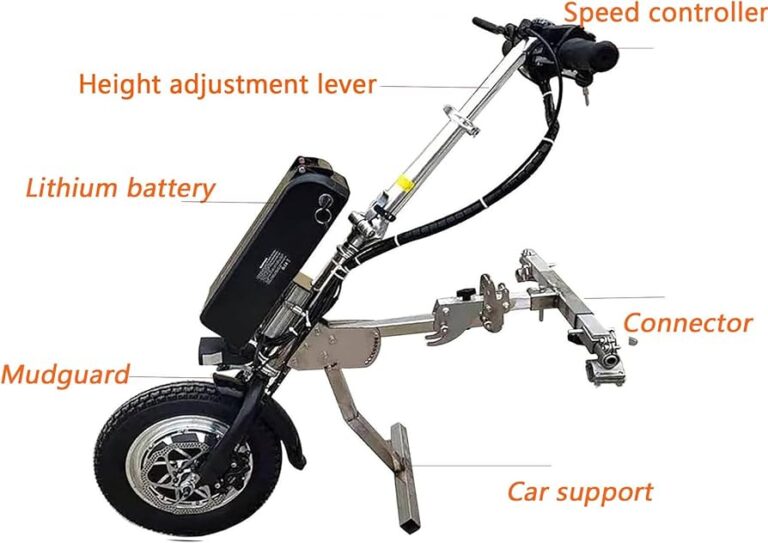
Donate, recycle the battery, or use a medical equipment recycler for safe disposal.
I’ve helped patients and families move on from old mobility gear for years, so I know the practical, legal, and environmental issues when you need to learn how to dispose of an electric wheelchair. This guide covers safe battery handling, donation options, recycling channels, paperwork, costs, and step-by-step actions you can use today to do the right thing for people and the planet. Read on to make a clear plan that fits your needs.

Why proper disposal matters
Electric wheelchairs contain metals, plastics, and batteries that can harm people and the environment if tossed in regular trash. Knowing how to dispose of an electric wheelchair protects groundwater, prevents fires from damaged batteries, and keeps usable equipment in the community.
Proper disposal also follows local laws and reduces liability for caregivers and businesses. I’ve seen simple mistakes create big headaches—so a little planning saves time and risk.
Legal and environmental considerations
Many places treat battery-powered medical devices differently than standard waste. Some jurisdictions ban lithium batteries from curbside trash. Others require paperwork for medical equipment transfers.
When you think about how to dispose of an electric wheelchair, check these points:
- Local hazardous waste rules and battery disposal regulations apply.
- Insurance or Medicaid rules may affect ownership and transfer.
- Data removal is relevant if the chair has programmable controls or profiles.
Following rules protects you from fines and helps recycling programs recover valuable materials.

Step-by-step guide: How to dispose of an electric wheelchair
Follow simple steps to dispose of an electric wheelchair responsibly:
- Assess condition
- Remove and label batteries
- Wipe personal settings and data
- Explore donation or resale first
- Contact a certified recycler if scrap is needed
- Arrange pickup or drop-off and get documentation
Short explanation of each step:
- Assess condition — Check frame, electronics, and batteries. If the chair works, donation or resale is often best.
- Remove and label batteries — Disconnect the battery pack and store it safely. Label as “removed from medical device.”
- Wipe settings — Reset electronics and remove personal info. Keep manuals or serial numbers for records.
- Explore donation or resale — Many nonprofits will accept working wheelchairs after inspection.
- Use certified recyclers — For broken or non-functional chairs, a recycler will safely handle batteries and separate materials.
- Get documentation — Keep emails or forms that confirm donation, sale, or recycling.
These steps make the process safe and traceable. I once coordinated pickup for an old chair; documentation helped the family claim a tax deduction and avoid disposal fines.
Options: donate, recycle, sell, trade-in, or scrap
When considering how to dispose of an electric wheelchair, you generally have these choices:
- Donate to a nonprofit or local clinic — Best if the chair works or needs minor fixes.
- Sell privately or through a medical-equipment marketplace — You may recoup value and help another user.
- Trade-in with the manufacturer or retailer — Check warranty and trade programs for discounts.
- Recycle through an authorized recycler — Required if the chair is beyond repair or has hazardous components.
- Scrap for parts — Salvage motors, wheels, and electronics for reuse.
Choose the option that fits the chair’s condition and your goals. Donating saves resources and helps people quickly. Recycling recovers metals and keeps batteries out of landfills.

Battery removal and safe disposal
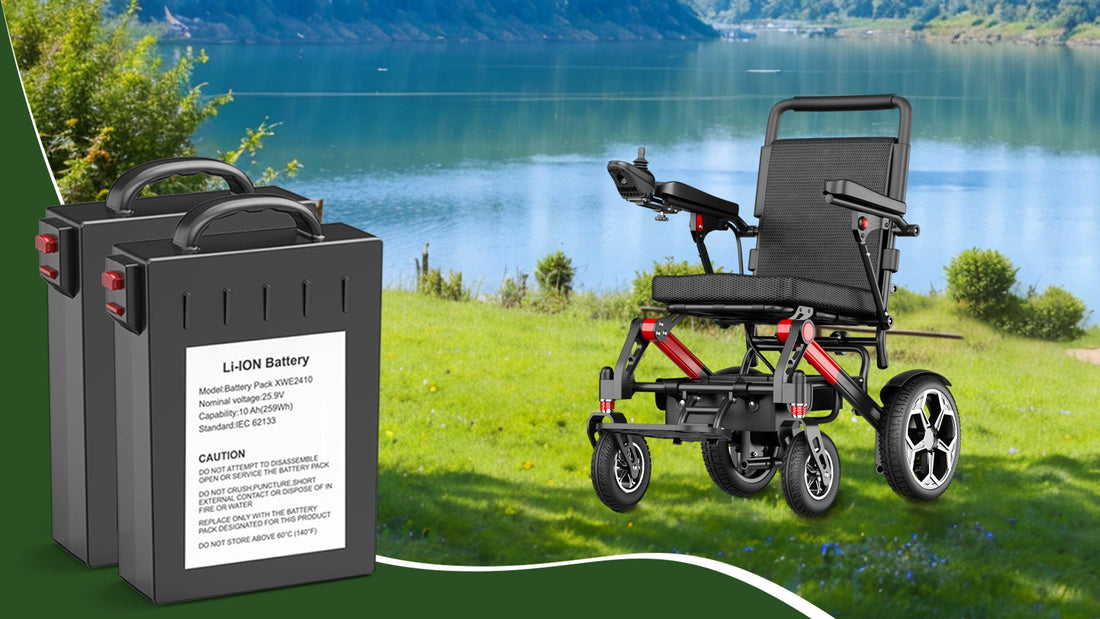
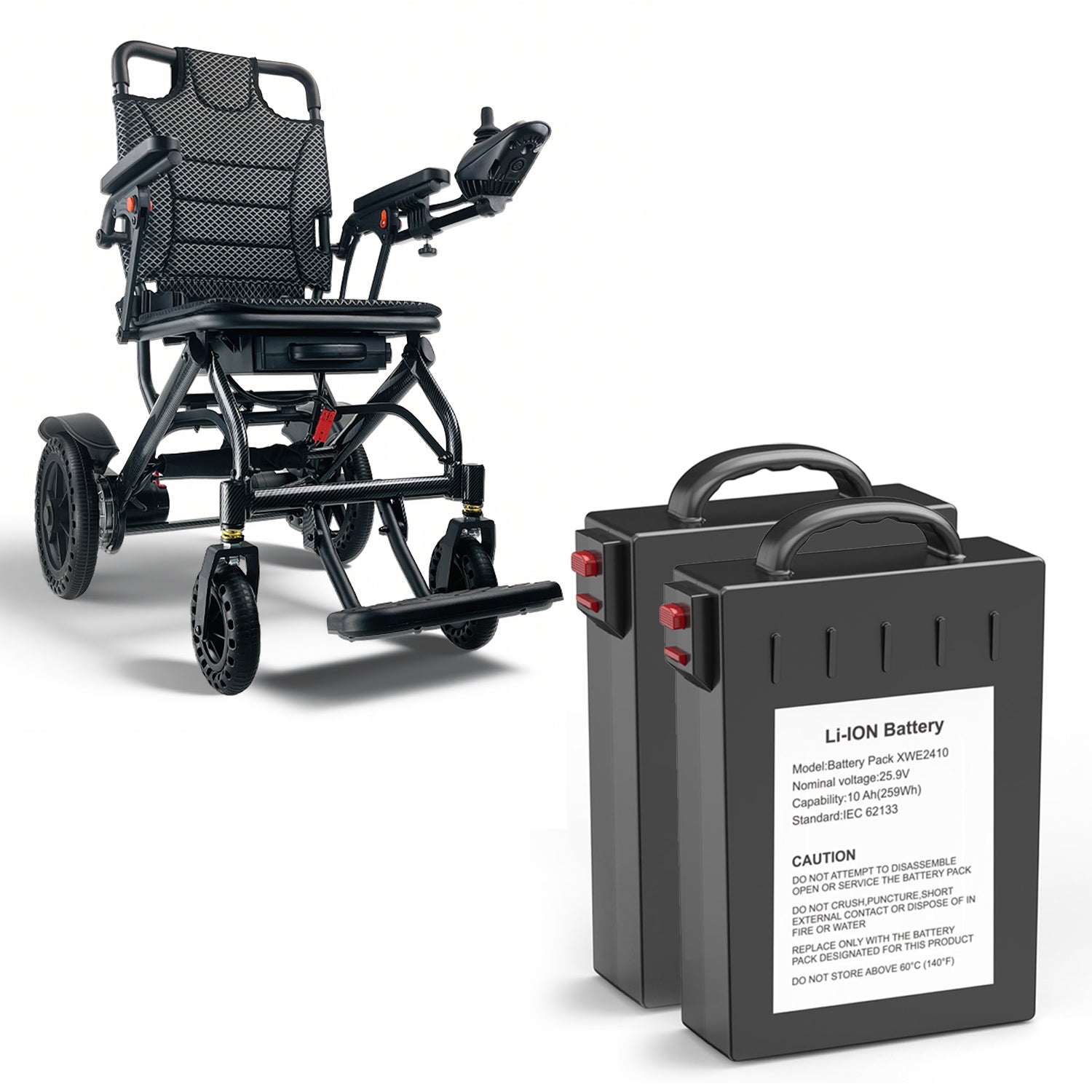
Batteries are the most hazardous part of an electric wheelchair. Most chairs use lead-acid or lithium batteries. Both must be handled with care.
- Identify the battery type — Check the label or manual for chemistry and voltage.
- Disconnect power before touching terminals — Wear gloves and eye protection if corrosion is present.
- Tape terminals on lithium batteries — This reduces short-circuit risk during transport.
- Take batteries to a certified battery recycler or hazardous-waste center — Do not place them in household trash.
- Follow carrier rules if shipping — Carriers have strict regulations for battery transport.
I once saw a battery short while being moved. Thankfully, the tape and proper carrier prevented damage. Treat batteries as potentially dangerous until recycled.

Preparing the wheelchair for pickup or transfer
A little prep speeds donation, sale, or recycling:
- Clean the chair — Remove dirt and debris for easier inspection.
- Remove personal accessories — Cushions, GPS units, and personalized fittings should come with you.
- Document condition — Take photos and note serial numbers and model info.
- Pack manuals and keys — Include charger, keys, and any service history.
- Secure loose parts — Tape or bag small components.
These steps reduce rejection by donation centers and speed resale transactions. When I prepped chairs for donation drives, clear photos and serials made acceptance easy.

Costs, paperwork, and tips to get the best outcome
Disposal can cost money or save you funds depending on the route:
- Donation — Often free and may qualify for a tax receipt. Ask your tax advisor for details.
- Selling — Listings vary; set a fair price based on age and condition.
- Recycling — Some recyclers charge a fee to cover safe battery handling and transport.
- Pickup fees — Some programs offer free pickup; others charge based on distance or weight.
Paperwork tips:
- Keep transfer receipts or donation forms.
- Note serial numbers and take photos.
- Get a certificate of recycling when possible.
A tip from experience: call multiple recyclers and donation centers. Fees and acceptance rules vary widely, and a quick comparison saves money.
Resources and where to get help
When you need help deciding how to dispose of an electric wheelchair, use these resources:
- Local solid-waste or hazardous-waste offices for battery rules.
- Medical-equipment nonprofits and local hospitals for donation options.
- Certified electronic recyclers for safe dismantling and material recovery.
- Manufacturer customer service for trade-in or return programs.
- Community Facebook groups or marketplace listings for private sales and pickups.
Reach out to a trusted local provider first. They often guide you through paperwork and safe transfer.

Frequently Asked Questions
How do I safely remove the battery from an electric wheelchair?
Turn off the chair and remove the key or power switch. Wear gloves, disconnect the battery per the manual, tape terminals on lithium packs, and place the battery in a non-conductive container for transport.
Can I donate a non-working electric wheelchair?
Some nonprofits accept non-working chairs if they can refurbish them. Call first to confirm their repair capability and acceptance criteria before dropping off.
Are there legal rules about disposing of batteries from wheelchairs?
Yes. Many areas classify lithium and lead-acid batteries as hazardous waste. You must use certified recycling centers or hazardous-waste events for proper disposal.
What paperwork should I keep when I donate or recycle a wheelchair?
Keep serial numbers, photos, and the donation or recycling receipt. This documents the transfer and can help with tax or legal questions.
How much does it cost to recycle an electric wheelchair?
Costs vary. Donation is often free, while recycling fees depend on battery type and local fees. Get quotes from recyclers to compare prices.
Conclusion
Disposing of an electric wheelchair responsibly protects people and the environment and can help others who need mobility. Use the step-by-step advice here to assess condition, handle batteries safely, and choose donation, resale, or certified recycling. Act today: contact a local recycler or donation center, document the transfer, and take the small steps that make a big difference. Share your experience or ask a question below to help others learn from your process.

Michael Reynolds is a senior contributor at RetirementGazette.com, where he focuses on helping readers navigate the journey toward a secure and fulfilling retirement. With over a decade of experience in personal finance, retirement planning, and lifestyle writing, Michael combines practical strategies with easy-to-understand guidance tailored for both pre-retirees and those already enjoying their golden years.